BR-319: A Threat to the Survival of the Amazon Rainforest

Monica Piccinini

10 Oct 2022

Environmental and human rights violations may have been committed as a result of one of the Amazon rainforest most gigantic and ambitious infrastructure projects, the reconstruction of BR-319 highway, a stretch of 830 km, connecting the ‘arc of deforestation’ in the southern Amazon to the capital, Manaus.

There are many national and international supporters and financiers with hidden interests behind the reconstruction of this extensive highway project, including a Russian state-owned oil and gas company, a bioenergy company, ‘ruralistas’ (large land-holders and their representatives), illegal miners and loggers, investors, politicians, the government, and many more. Their motivation is driven by profit and power, no matter how much it costs.

The Amazon rainforest plays a key role in controlling both South America’s rainfall and global climate. In addition, the rainforest is home to a third of the world’s biodiversity and a wide variety of indigenous people.

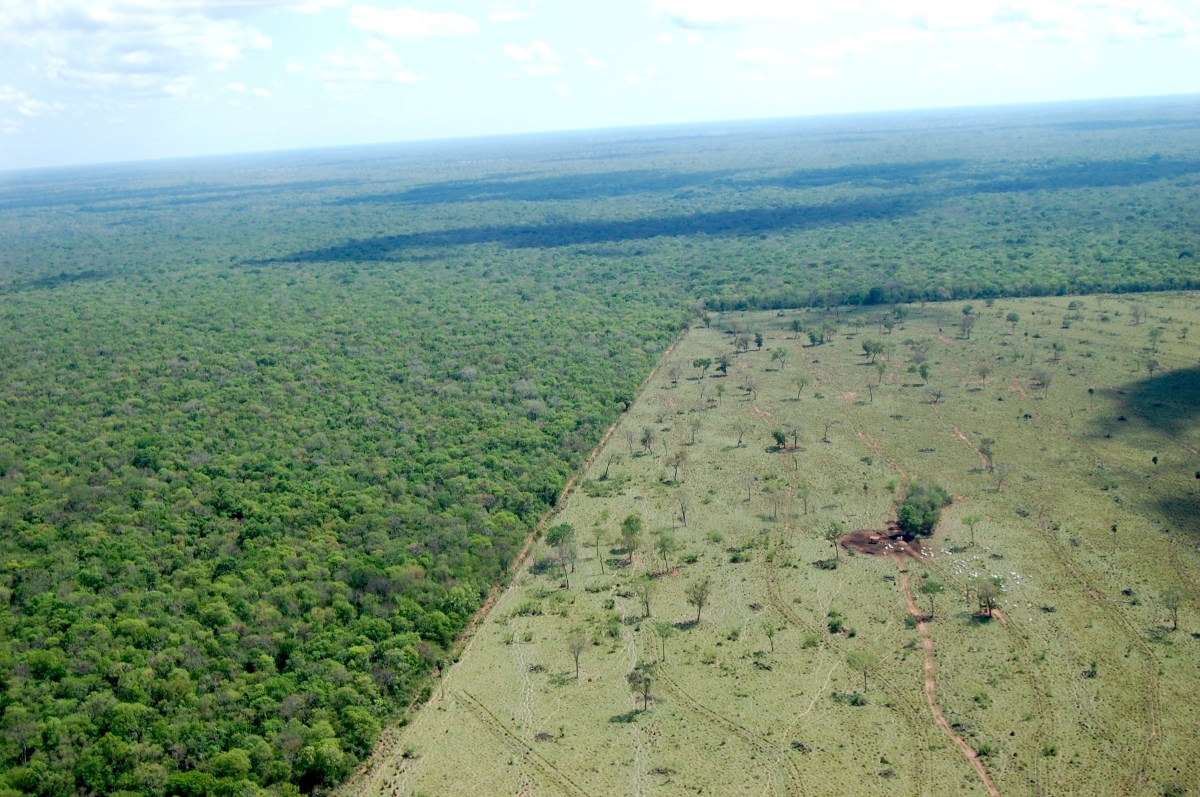
The rainforest has lost more than 830,000 sq km, corresponding to 21% of the forest and roughly 17% is already degraded.

According to Carlos Nobre, renowned earth system scientist, the Amazon rainforest, one of the most biodiverse places on earth, is on the edge of the precipice, showing clear signs of destruction and perilously close to a tipping point of irreversible collapse, triggered by deforestation, degradation, forest fires, logging, illegal cattle ranching, mining, and oil and gas developments.

BR-319 connects Manaus, in central Amazon, to Porto Velho, in the “arc of deforestation”, on the southern edge of the forest. The highway is a free path to illegal side roads in areas of large concentration of indigenous land, legal reserves and conservation units, giving illegal miners, loggers, squatters and land grabbers access to untouched forest.

As a consequence, these invaders are bringing a wave of destruction, instability, pollution, violence, disease, decay and death to the communities and the environment around them.

The highway was inaugurated in March 1976, during the military dictatorship and under the government of General Ernesto Geisel, and abandoned in 1988. In 2015, Dilma Roussef’s (Labour party) government proposed reopening BR-319.

“BR-319 cuts through one of the most conserved blocks of the forest where it contains an enormous stock of carbon. This project is a threat to 63 indigenous lands and 18,000 indigenous people, not to mention the environment and biodiversity”, said ecologist and researcher, Lucas Ferrante, during our interview this month.

According to Ferrante, who took part of a study published at the Die Erde – Journal of the Geographic Society of Berlin, neither environmental studies nor consultation with indigenous peoples were carried out for some sections of the highway, as established by ILO Convention 169.

Ferrante published various academic studies independently and conjointly with Philip Martin Fearnside, a researcher at the National Institute for Research in the Amazon (Inpa) and Nobel Peace Prize winner (2007), on the impacts the BR-319 project will bring to the Amazon, the environment, indigenous communities and the world.

The reconstruction of BR-319 does not have an economic feasibility study (EVTEA). Independent studies show that for every R$1,00 spent on the highway, the ROI is only R$0,33, mentioned Ferrante.

The main transport route used has always been via the Madeira River, making it a cheaper and safer way to transport goods. In his view, the highway project would be a huge social, economic and ecological disaster.

A study published at the Environmental Conservation, indicates that Brazil could lose more than US$1 billion a year in agricultural production if deforestation in the Amazon region is not contained.

“We have already identified that the Amazon rainforest has passed its tolerated limit of deforestation. The flying rivers that supply the south and southeastern regions of Brazil are already compromised, including an area of the arc of deforestation, corroborating changes and climate events within the country, even affecting agribusiness”, said Ferrante.

According to Ferrante and various studies, one additional topic of great concern, as exploitation of indigenous lands increases, is the risk of new pandemics. The Amazon rainforest is considered a possible source of the next pandemic, as deforestation offers opportunities for disease agents from the region’s large reservoir of different types of coronavirus and various other pathogens to jump into the human population.

The Amazon interior has a precarious healthcare system, making the surge of a new pandemic originating in this region extremely difficult to identify and contain.

Supporters

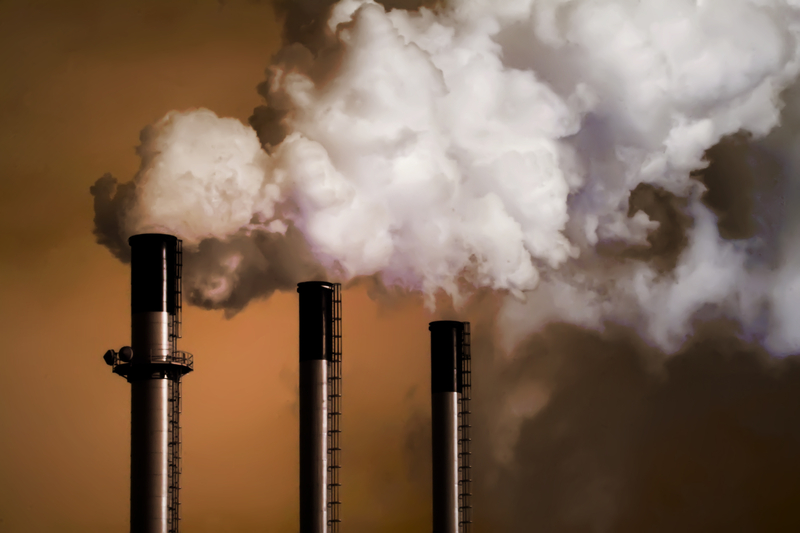
Photo 120282222 © Arseniy Rogov | Dreamstime.com


A company with many interests in supporting the reconstruction of BR-319 is Russian state-owned Rosneft, one of the largest oil and gas companies in the world.

Rosneft’s CEO, Igor Sechin, is considered to be the second most powerful man in Russia after Putin. In February 2022, just before Russia invaded Ukraine, Bolsonaro travelled to Russia to meet with Putin to discuss a possible energy partnership.

BR-319 highway gives access to AM-366, a planned state highway that passes through the first drilling blocks of “Solimoes Sedimentary Basin” project for oil and gas extraction, an area larger than the state of California. Rosfnet bought 16 blocks in this area.

This is a project of huge concern, as questions are raised about how much influence Rosneft may have on the government’s policies and decisions on the reconstruction of this highway, as well as the impact it may have on the local communities and the environment.

Millenium Bioenergia is another strong supporter of BR-319 reconstruction project. A bioenergy company formed in 2014 by mill owners from São Paulo and grain producers from the Midwest, the company’s initial focus was the production of biofuels. However, the company decided to partner with the indigenous communities to produce corn, chicken, fish and pigs in a confined system. This is the perfect recipe to trigger new pandemics as a result of zoonotic leaps due to environmental degradation.

In the states of Amazonas and Roraima, their goal is to produce biofuels from monocultures in indigenous lands and other communities. According to their plan, indigenous people and communities would carry out these activities with unpaid work or, as one would openly describe it, slave labour. These products would then be exported to Asia, Europe and the United States.

According to a study published by Springer, Millenium has not honoured its obligation to carry out environmental studies that are legally required for the installation of an industry. Instead, they have proposed the building of a hospital for the indigenous people as a form of compensation.

The government’s ‘death agenda’ includes abolishing the legal reserves and opening conservation units and indigenous lands to mining, agriculture and ranching.

Jair Bolsonaro’s government, with the full support of ‘ruralistas’, has intentionally weakened the country’s environmental agencies and forest code, also denying the existence of climate change.

They have reduced protected areas, cut government funds for environmental protection, weakened the systems for monitoring and combating environmental crimes, approved 1682 new pesticides, leaving an open door to pollution, deforestation, violence, crime and devastation across the region and communities in the Amazon and the rest of the country.  

Politicians in Manaus and across the country claim that BR-319 would be a “model of sustainability for the world”, but indications and studies carried out so far suggest otherwise. They follow the same rhetoric, stating the highway is a symbol of progress and sovereignty, and that the Amazon rainforest belongs to Brazil, no foreign interference should be allowed.

Violence & Crime

Photo 245527759 / Amazon Indian Brazil © J Brarymi | Dreamstime.com


BR-319 has brought crime and violence to this region by illegal miners, loggers, squatters and land grabbers, threatening to kill anyone who refuses to comply with their rules.

According to Ferrante, the highway also attracted criminal gangs and organised crime to the area, with the full participation of high scale politicians.

There are countless national and international organisations financing illegal mining associated with drug and illegal arms trafficking. Organised crime has exploded and taken over the Amazon rainforest.

Bolsonaro’s gun law, the CAC (Collectors, Snipers and Hunters) license, allows Brazilians to purchase a wide variety of guns if they have no criminal record, are registered with a shooting club, and can demonstrate proficiency with a firearm.

The loosening of firearms restrictions law is creating new mechanisms for criminal groups to purchase weapons legally, consequently increasing violence in the Amazon and Brazil.

Another issue of concern is the maintenance of clandestine airstrips, mainly for mining and also serving organised crime.

According to information obtained by The Intercept, the Pulitzer Center and Earthrise Media, there are 362 clandestine airstrips, without registration with Anac, the National Aviation Agency, in the Legal Amazon. But this number almost triples, if you consider the runways open without authorisation and registration, amounting to at least 1,269 landing and takeoff lanes.

Indigenous and traditional communities are also victims of constant violent verbal and physical threats, sometimes ending in fatalities, but they are not the only ones.

Ferrante, a scientist who has spent many years exposing the situation in the region by publishing his studies in academic journals, was faced with various threats and violence against his own life.

He received countless death threats by anonymous calls and text. A “fake” Uber driver told Ferrante he should keep quiet because he was interfering in national security matters. Chemicals thrown into his home’s water system also poisoned him. Ferrante was terrified and withdrawn, unable to go out for a few months.

There is not doubt the BR-319 reconstruction project will impact local traditional and indigenous communities, as well as the environment, biodiversity and climate change, with very serious consequences to Brazil the rest of the world.

National and International Players

Photo 12998338 © Alain Lacroix | Dreamstime.com

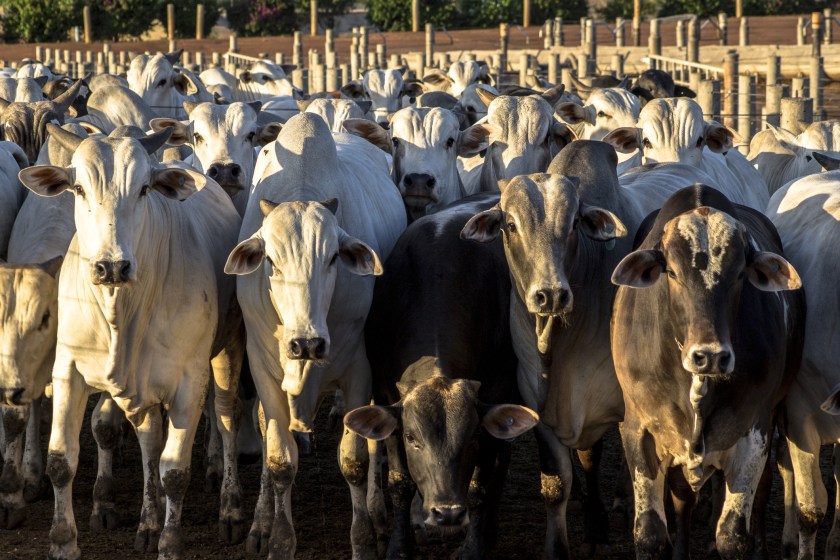
Brazil is the world’s largest exporter of beef and soy, which are the two commodities responsible for 90% the Amazon rainforest deforestation. Research shows that 70% of the chopped down Amazon is populated by cattle.

It’s essential to understand that the reconstruction of BR-319 highway has a national as well as an international long list of powerful supporters defending their own interests.

Agribusiness Watch report reveals that international banks and funds are financing Brazil’s agribusiness lobby in the country, including JP Morgan Chase, BlackRock, and Bank of America, each having invested US$1 billion in livestock. American International Group, AIG and Citigroup are also provider of funds to Brazilian agribusiness companies.

European investors include Allianz and Deutsche Bank, Barclays, Standard Chartered, BBVA, Santander, BNP Paribas, ABN-Amro and Rabobank, among others, have invested $4.5 billion in IPA companies, part of Instituto Pensar Agro, supporting FPA (Agricultural Parliamentary Front) and responsible for a package of anti-environmental measures being considered in the Brazilian Congress.

The report also lists various companies, including JBS, Suzano, Marfrig, ADM and Cargill that use their influence in Brazilian politics against the interests of environmental policies and indigenous groups.

Brazilian banks financing the agribusiness sector include BTG Pactual, Safra, Verde Asset Management, Vinci Partners, and XP Investimentos, maintaining bonds estimated at US$ 9.3 billion.

According to De Olho nos Ruralistas, in 2019, Agribusiness Watch revealed some of the multinationals that were affiliated by associations that maintain the IPA (Instituto Pensar Agro): Bayer, Basf and Syngenta, Cargill, Bunge, ADM and Louis Dreyfus; JBS, Marfrig, Nestlé and Danone.

During Bolsonaro’s administration, agribusiness companies met 278 times with government officials of MAPA, the Ministry of Agriculture, Livestock and Supply. Part of the agenda was the relaxation of rules for pesticides.

There’s no doubt that the reconstruction of BR-319 will benefit most of the above mentioned players, who continuously support and invest in the agribusiness sector in Brazil, including banks, agrochemical companies, governments, politicians and corporations, in Brazil and abroad.

The same can’t be said about the environment, climate change, local traditional and indigenous communities and the entire world population, who will pay a hefty price for these callous actions.

The Road Ahead
Photo 179525881
 © Mariusz Prusaczyk | Dreamstime.com


This is a decisive political moment for Brazil and the world, as the second term of the presidential elections draws to a close at the end of October and Brazilians will be choosing their next president, Jair Bolsonaro or Luiz Inácio Lula da Silva (Lula), both battling for the pole position.

Ferrante mentioned what may happen if Lula is elected Brazil’s next president:

“I was present during Lula’s statement during his visit to Manaus in September 2022, when he mentioned that he will choose three major infrastructure projects for each state in Brazil, mainly roads, which means the BR-319 highway project may be on the top of his list. He explicitly said that he isn’t against the highway, but the environmental rites and the consultation of indigenous peoples must be followed”,

“The BR-319 highway project is at a very advanced stage. We urgently need the suspension of the maintenance license, pending appropriate studies and consultations with indigenous peoples. It is necessary to create a task force to supervise the actions of INCRA, the National Institute for Colonisation and Agrarian Reform and the Ministry of the Economy, as they continuously try to legalise these lands”, added Ferrante.

When asked about the message he has to the international community, Ferrante replied:

“Countries that import commodities from Brazil need to review their trade agreements, mainly for meat, soy, ores, biofuels and now oil and its derivatives that come from the Amazon, extracted by Rosfnet. Brazilian agribusiness has become a threat to the Amazon, to traditional peoples and to the global climate”,

He added:

“All countries in the world need to turn their eyes to what is happening in the Amazon now, especially on the BR-319 highway. This is a matter for the world to discuss because the consequences of this highway are global, including new pandemic outbreaks and accelerating climate change that is already causing waves of heat leading to mortality in Europe. The environmental damage caused here exceeds the borders of Brazil and should be monitored by the whole world”.

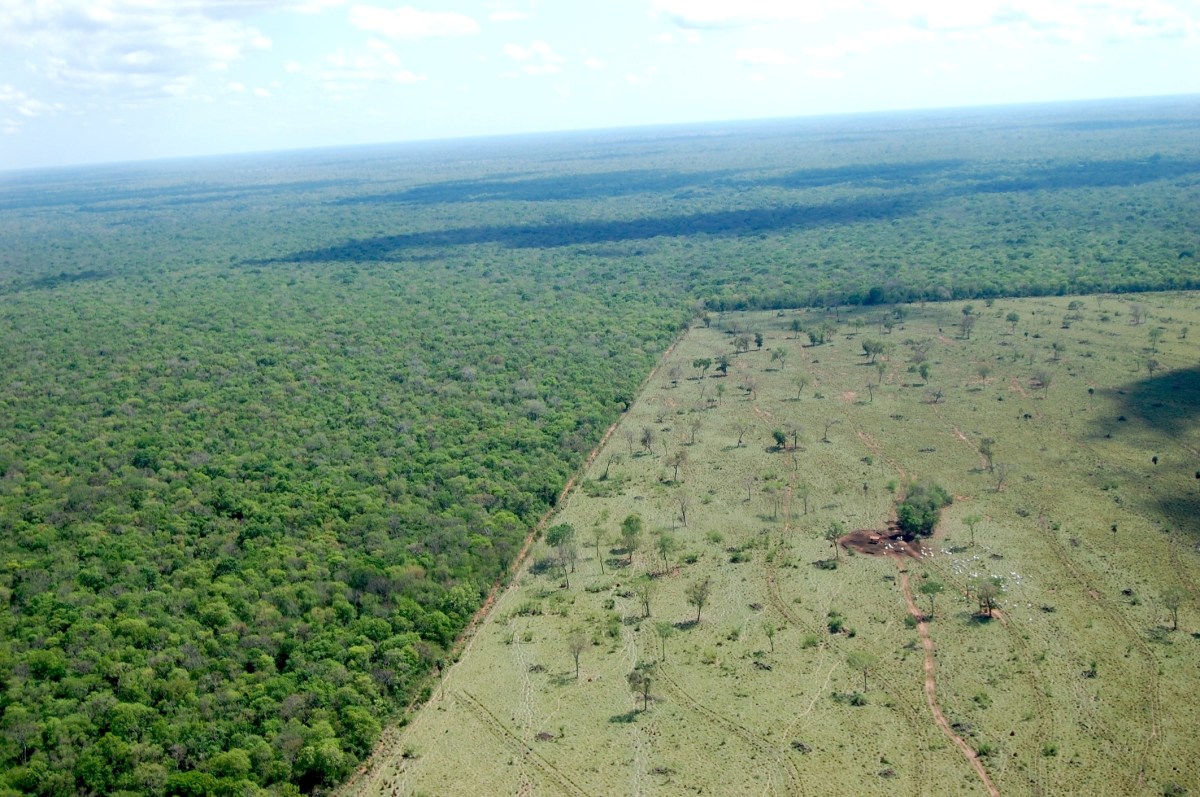
Photo 106303117 / Amazon Rainforest Indigenous © Vkilikov | Dreamstime.com

Beef Obsession and the Rampant Deforestation of the Amazon Rainforest

Monica Piccinini

13 May 2022

Despite the deforestation of the Amazon rainforest being constant news headline across the world, no effective actions have been taken to prevent total devastation of the region.

Scientists, activists and the general population across the world are tirelessly asking the ones in the position of power to take this matter seriously and stop this situation escalating further, as it could cause irreversible consequences for the Amazon, our planet and future generations.

According to recent data from INPE, Brazil’s national space research agency, deforestation in the region hit a record high, totaling 1,012 square km (390 square miles) in the month of April 2022, doubling the area compared to the same month in the previous year.

In the first four months of 2022, deforestation of the Amazon increased 69% compared to the same period in 2021. Brazil’s president, Jair Bolsonaro, has weakened environmental protection since he took office and firmly believes that more farming and mining will solve poverty affecting the region.

“Some government and business leaders are saying one thing – but doing another. Simply put, they are lying – and the results will be catastrophic”, said UN Secretary-General António Guterres.

Who’s the culprit?


The livestock industry is responsible for as much as 19% of global greenhouse gases emissions, contributing to deforestation and climate change. No doubt, cattle ranching is responsible for the majority of the Amazon deforestation.

In January 2022, a Bloomberg investigation concluded that JBS, the world’s largest meat processor, was “one of the biggest drivers of Amazon deforestation”.

JBS is the largest meat processor in the world, producing factory-processed beef, chicken and pork, and also selling by-products from the processing of these meats.

Brazilian Jose Batista Sobrinho founded JBS in 1953 and its expansion has come under the leadership of his three sons: Jose Batista Junior (known as Junior Friboi), Wesley Batista and Joesley Batista.

The company employs 250,000 people globally, is listed on the Brazilian stock exchange and desperately seeking an IPO in the United States. Top investors include the state-owned Brazilian development bank BNDES, asset manager Black Rock, Vanguard, Santander and Barclays banks.

In March 2022, JBS announced its fourth quarter and full 2021 results, achieving net revenue of US$72.25 billion in 2021, a year-on-year increase of 29.8%.

The company owns a portfolio of brands globally, including Swift, Pilgrim’s, Moy Park, Tulip, Kerry Meats, Randall Parker Foods, Aberdeen Black, Country Pride, Primo, Great Southern, Danepak, Dalehead, Aspen Ridge, 5Star, Canadian Diamond Beef, Beehive, Blue Ribbon Beef, Clear River Farms, Vivera, Huon, Seara, Friboi, Rivalea, King’s Group, amongst many others.

In 2021, JBS processed 26.8 million cattle, 4.9 billion chickens and 46.7 million pigs, but this is a conservative number, given the lack of transparency in the industry.

JBS’s commitment to be ‘Net Zero’ by 2040 does not seem realistic or achievable, as JBS increased its annual greenhouse gas emissions by 51% between 2016 and 2021, based on the Institute for Agriculture and Trade Policy, IATP’s latest calculations.

Source: IATP 2022*Million Metric Tonnes CO2 equivalent

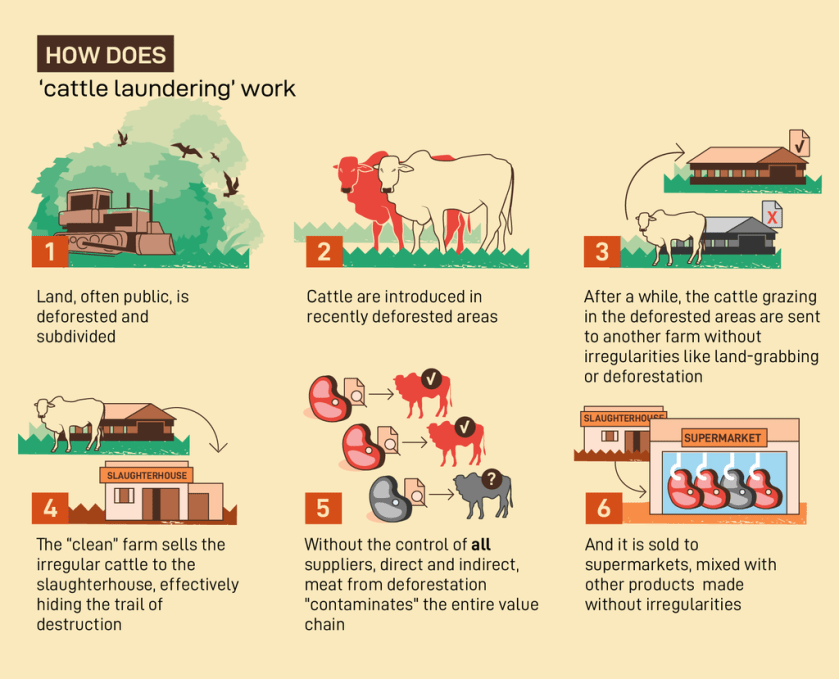
In order to stop deforestation, a key factor is being able to identify the origin of the meat in the supply chain. This is one of the biggest issues for JBS, as the company has been accused of “cattle laundering”, the shuffling of cattle from ranch to ranch in order to conceal their illegal origins.

The process is tricky and difficult to track. The cattle are bred where deforestation occurs, moved to other properties where it is nurtured through adolescence and then taken to “fattening” farms. The cattle are then transferred to processing plants where they are slaughtered and butchered ready to be shipped/exported.

Source: Greenpeace

In October 2021, Brazilian federal prosecutors concluded that JBS had purchased over 300,000 cattle from ranches with “irregularities” in the previous year, including illegal deforestation in the Amazon region.

The biggest consumers

China/Hong Kong is the largest buyer of Brazilian beef, the United States becoming its second biggest buyer. The US is home to 4% of the world’s population and eats approximately 20% of its beef.

“We should be paying the Brazilians not to cut down their forest. We got to cut ours down.  We got to cut ours down.  We got the benefit of it.  Because we’ve got these third-world countries — not third world; some are — in Africa and in — and in South America — we got to — the industrial countries have to help”, said US president Joe Biden at a speech on Earth Day.

On the same day, Biden signed an executive order to combat commodity-driven deforestation globally, including in forest clearing to produce agricultural commodities like beef, soy, and palm oil.

According to the White House, the department of state would lead development of a report on whole-of-government approaches to reduce or eliminate U.S. purchases of agricultural commodities grown on illegally or recently deforested lands, including through public-private partnerships to incentivize sustainable sourcing.

A recent investigation by The Washington Post reports that the US government is unable to track the beef that has been imported into the country. Once they pass through the inspection process, all labels are removed, making it impossible to identify their origin. Federal agencies don’t track the domestic sale of imported beef and retailers have no obligation to inform consumers about the origin of the beef.

Additionally, US agency that authorises Brazil’s meatpacking plants to export to the US says it doesn’t try to determine whether operations cause environmental damage. The American consumer is unable to identify the source of the beef they are consuming.

JBS and the UK

“JBS is one of the world’s worst climate offenders and that’s why we’re urging its key customers like giant supermarkets Carrefour, Costco and Tesco to drop JBS urgently,” said Alex Wijeratna, campaign director at Mighty Earth. “No company that buys meat from JBS can claim to be serious about climate change”, added Wijeratna.

Paul Morozzo, forests campaigner for Greenpeace UK, said: “Here’s yet more evidence of the fact that JBS – a major meat supplier to many UK supermarkets – shows absolutely no intention of ending its climate wrecking activities”.

“Tesco recently claimed that remaining a customer of JBS was the best way to influence it. But the only way to show JBS that destroying the planet for meat production won’t be tolerated is to stop doing business with it immediately”, added Morozzo.

UK supermarkets say they don’t buy directly from JBS, but buy meat from Tulip and Moy Park, both owned by JBS.

Moy Park is one of Europe’s leading poultry producers and Northern Ireland’s largest private sector business. Dalehead is a division of Tulip, supplying Waitrose with over 400 products, including fresh pork, bacon, sausage, cooked meats and lamb.

In 2021, Pilgrim’s Pride, a JBS brand, acquired Kerry Consumer Foods in the UK and Ireland for GB680 million. JBS also acquired Randall Parker Foods (Wales).

“JBS is using the same greenwashing tactics employed by oil and gas majors for decades. It presents itself as a company with genuine climate ambition but fails to disclose its full emissions so they can be compared with the company’s public communications. And as this research shows, JBS’s emissions are increasing substantially, not decreasing”, said Hazel Healy, UK Editor of climate investigative news outlet DeSmog.

Source: IATP 2022*Million Metric Tonnes CO2 equivalent

There are a large number of players, including governments, corporations, PR and media companies, politicians, all trying to distract us from the fact that this is an extremely serious issue requiring total transparency and urgent attention in order to be resolved. Their “greenwashing babbling” won’t help us fight climate change.

In an attempt to stop the relentless and rampant deforestation of the Amazon rainforest, retailers, supermarkets and the food service across the world must drop JBS and its subsidiaries as a meat supplier.

Additionally, financiers, banks and investors must also stop investing in JBS and its subsidiaries. Without these actions, the deforestation will most certainly continue. We are running out of time!

UK Supermarkets Urged to Remove Killer Pesticides from their Soya Supply Chains Linked to Mass Poisonings in the Amazon

Monica Piccinini

28 Apr 2022

Demand from British food consumers are unknowingly fuelling the poisoning of people and wildlife in the Amazon in a “hidden scandal”, according to the Soil Association.

Chicken sold in a number of UK supermarkets is reared on soya feed grown in toxic pesticide heavy lands within Brazil’s Amazon region, highlights the Soil Association‘s new ‘Stop Poison Poultry’ campaign.

Launching a petition calling for action, Soil Association Campaigns Advisor, Cathy Cliff, said: “British shoppers should be able to walk into a supermarket and buy food that isn’t harming children, killing bees, or threatening rare and treasured wildlife thousands of miles away”.

According to a Soil Association survey carried out in January 2022, none of the 10 leading UK supermarkets are monitoring or restricting the use of highly hazardous pesticides in their soya supply chains. Soya linked to pesticide poisonings in Brazil is exported to the UK to feed livestock, primarily chickens.

“Our research has found that the 10 leading UK supermarkets are all ensnared in a broken system that is damaging communities, animals and ecosystems. British retailers are already taking good steps to address deforestation in their soya supply chains, and now we need them to address these hazardous pesticides”, said Cathy.

“The scale of highly hazardous pesticide use in Brazil is terrifying, as is our chicken’s industry reliance on these soya crops. It is a hidden scandal that both British shoppers and farmers are largely blind to, and it must no continue – we must stop the poisoning associated with UK poultry farming”, added Cathy.

Brazil is the world’s third largest user of pesticides, only behind China and the US.

President Jair Bolsonaro’s administration has recently incorporated a presidential decree amending the 1989 pesticides law, by making the approval process of pesticides even more flexible, including the approval of chemicals that have already been banned in other countries.

Most of the pesticides used on Brazilian soya are banned for use in the UK, but some are being produced and sold abroad by companies operating out of Britain and Europe.

One example is highly hazardous pesticide paraquat, which is manufactured by Chinese ChemChina owned Syngenta in Huddersfield, banned for use in the UK and associated with poisonings abroad.

Recently, the Landworkers’ Alliance (LWA), representing smaller and ecological farmers, has demanded the UK government stops the export of paraquat and other pesticides that are banned for use in the UK, but still made here.

Brazil, Soya and Pesticides

The Amazon region has been suffering from deforestation due to many official policies, with large natural areas replaced by monoculture with an indiscriminate spread of pesticides. Soy cultivation is a major driver of deforestation in the Amazon basin, with 80% destined for animal feed.

Soya beans are Brazil’s largest export to the UK, worth approximately 220 million USD in 2020 and these crops account for 60% of the country’s pesticide use. Brazil’s pesticide use has risen to a staggering 900% since 1990.

These chemicals are contaminating surface and groundwater, the soil, killing bees, bugs, and the animals that eat those insects, are being found with a cocktail of chemicals in their bodies. Between 2013 and 2017, more than 1 billion bees were lost due to pesticide poisoning in Brazil, including honeybees and wild bees.

According to ABRASCO, the Brazilian Association of Public Health, 70,000 people, including children, who are usually the most severely affected, suffer from acute and chronic pesticide poisonings in Brazil every year.

There are 150 pesticide products approved by the Brazilian government for use on soya.  Of the 22 most commonly used in Brazilian soya production, 80% are classified as ‘highly hazardous’, and of these 66% are not approved for use in the EU or UK, including:

  • Paraquat, a herbicide which is ‘fatal if inhaled’, associated with farmer suicides, and exported by Syngenta, a company operating out of Britain;
  • Acefate, an organophosphate (OP) insecticide used on food crops, as well as a seed treatment. It’s known to be ‘highly toxic to bees’;
  • Chlorpyrifos (CPF), a broad-spectrum chlorinated organophosphate (OP), known to be ‘highly toxic to bees’ and ‘probably carcinogenic to humans’;
  • Diuron, a herbicide ‘likely to be carcinogenic to humans at high doses’;
  • Imadacloprid, an insecticide known to be ‘highly toxic to bees’.

The Brazilian Association of Collective Health estimates that pesticides contaminate approximately 70% of food consumed by Brazilians, and they drink nearly 7.5 L of pesticides per year – the highest per capita consumption rate in the world.

According to a recent study published by MDPI, Multidisciplinary Digital Publishing Institute, there are numerous toxic effects of pesticides, particularly inflicting rural workers, inducing from hematological abnormalities, DNA damage, cell death, skin and eye irritations, pain, infertility, altered hormone levels, fatigue, tremours, hearing loss, neurological symptoms, miscarriage, fetal malformation, effects on cardiac, muscular and development of related metabolic diseases, overweight, underweight, insulin resistance, diabetes and various types of cancer.

Source: MDPI – Impacts of Pesticides on Human Health in the Last Six Years in Brazil (March 2022)

The Soil Association is calling for UK supermarkets to ‘clean’ UK supply chains, has lined up some proposals/solutions to be taken by the government in order to address this issue. They are also asking for the British public to get involved and sign the petition.

We are living challenging times and it’s often easy to forget how much we are all connected and how much we influence each other’s lives and the world.  

Our actions as consumers have a strong direct impact not only on our health, but also on the health of people living some 5,529 miles away in Brazil, as well as on wildlife and the environment. It’s up to us to get involved and make powerful positive changes to all living creatures and our planet!

The Soil Association‘s full report: https://www.soilassociation.org/media/23919/stop-poison-poultry-report-final-220222.pdf

Toxic Side Effects of a UK-Brazil Free Trade Agreement

Monica Piccinini

23 Feb 2022

A recently released report from Pesticide Action Network (PAN-UK), reveals that a potential trade deal between the UK and Brazil is being considered. If a trade deal between both countries goes ahead, the UK population could be consuming products containing higher level of pesticides, which could have a direct impact not only on public health, but also on the environment.

“The UK Trade Secretary is promoting trade with Brazil as providing ‘real opportunities to go further on green trade’. Meanwhile, Brazil’s overuse of highly toxic pesticides is contributing to the destruction of the Amazon and other crucially important ecosystems, contaminating water and poisoning farmworkers and communities. And yet the government has provided no detail on how it will ensure that Brazilian food sold on UK shelves is not contributing to the global climate and nature crises”, said Josie Cohen, Head of Policy and Campaigns at Pesticide Action Network, PAN UK.

Brazil is the world’s third largest user of pesticides, only behind China and the US, allowing almost double the amount of highly hazardous pesticides, HHP’s, to be used (131), compared to the UK (73). For instance, lemons grown in Brazil have 200 times the amount of insecticide dimethoate than in the UK. Dimethoate has been linked to cancer and is banned in the UK.

The UK already imports large amounts of food (meat, fruit and vegetables) and soya for animal feed from Brazil. Food imports are subject to UK safety limits for the amount of pesticides residues allowed to a particular item, but no limits are placed on feed.

Soya beans are Brazil’s largest export to the UK, worth approximately 220 million USD in 2020. The majority of it is genetically modified (GM), and at least 90 per cent of it is fed to animals.

A large amount of the meat British people buy, including beef, dairy and chicken reared in the UK, have been fed on soya grown on deforested land using toxic pesticides.

“Most UK consumers have no idea that some of the meat they are eating has been fed on soya grown using highly toxic chemicals. Right now, the UK government is talking a good game on reducing pesticide harms in the UK, but appears to have no problem with exporting our environmental and human health footprints to Brazil”, mentioned Vicky Hird, Sustainable Farming Campaign Coordinator at Sustain.

In February 2021, Defra signed a “memorandum of understanding” with the Brazilian government with the intention to facilitate trade in agribusiness between Brazil and the UK. The Brazilian agriculture minister, Tereza Cristina Corrêa da Costa Dias, nicknamed by Brazilians as “poison muse”, said that the UK would eventually become more aligned with international rules on food safety.

“The UK government continues to pursue increased agricultural trade with Brazil, but the intensification of agricultural production there has been linked with deforestation and highly hazardous pesticides which harm wildlife and ecosystems. The UK should ensure that it is not contributing to the problem”, said Dr. Emily Lydgate, specialist in environmental law at the University of Sussex.

Brazil’s president, Jair Bolsonaro, has continuously developed a close and special relationship with pesticides. He recently incorporated a presidential decree (10.833/2021), amending the 1989 pesticides law, by making the approval process of pesticides even more flexible, including the approval of chemicals that have already been banned in the US and Europe.

With the new amendment, chemicals that cause cancer, genetic mutations and fetal malformation, will be given approval to be used as well as manufactured, if a “safe exposure limit” is determined.

Additionally, the current Brazilian legislation does not provide for a minimum period for the renewal of pesticides licensing. Pesticides that have been in the Brazilian market for more than 4 decades are still being used today, without ever undergoing an assessment of environmental and health issues.

The approval process of pesticides in Brazil has never been made easier, as more power has been given to the Ministry of Agriculture on the decision making process, leaving ANVISA (National Health Surveillance Agency) and IBAMA (Brazilian Institute of Environment and Renewable Natural Resources) excluded from the final decision.


An increase in agriculture exports from Brazil to the UK may also pose a threat to British agriculture, increasing the pressure on farmers to escalate the use of pesticides to compete with cheaper products grown on a larger scale.

Beef and soya production in Brazil plays a major role in the deforestation of the Amazon rainforest, as well as devastation of the Cerrado region, the home of 5% of the world’s plant and animal species.

Pesticides have also contaminated Brazilian water. According to a 2021 study, freshwater bodies in 80% of Brazilian states are now contaminated with herbicides such as glyphosate, posing a direct threat to aquatic species and ecosystems.

Drinking water in Brazil can contain glyphosate levels of up to 500 micrograms per litre. In the UK, the current for drinking water is 0.1 microgram per litre, 5000 times lower than the level in Brazil.

Another catastrophe reported on a regular basis is the countless poisoning incidents in Brazil caused by pesticides aerial spraying. A report published by Publica estimated that between 2007 and 2017, pesticides poisoned approximately 6,500 children, all under the age of 14.

In September 2020, Science Direct reported adverse effects of pesticides on the function of our immune system, which could affect how we fight Covid-19. Additionally, a new study performed in human lung airway cells is one of the first to show a potential link between exposure to organophosphate pesticides and increased susceptibility to COVID-19 infection.

“We have identified a basic mechanism linked with inflammation that could increase susceptibility to COVID-19 infection among people exposed to organophosphates,” said Saurabh Chatterjee, PhD, from the University of South Carolina and a research health specialist at the Columbia VA Medical Center and leader of the research team.

Pesticide Action Network UK has made some key recommendations to the UK government, including putting additional measures in place to ensure that Brazilian agricultural imports are not driven pesticide-related harms to either human health or the environment in Brazil.

Another proposal would be not allowing any weakening of UK pesticide standards as a result of an increase in trade with Brazil and preventing UK farmers from being disadvantaged by cheap food imports produced to weaker pesticide standards in Brazil.

The impact pesticides cause to our health and the environment is undeniable. It doesn’t only affect human life, but also the Amazon rainforest, the Cerrado, the soil, the air, wildlife and the water, speeding up the destruction of the world’s most precious ecosystems.

We only have one life and one planet. It is our duty to protect them both in order to guarantee our survival!

“Covid Kit” – Profit Over People

Monica Piccinini

16 Feb 2022

What is the real motivation behind the staggering number of worldwide corporations, organisations, physicians and politicians, still promoting unproven drugs against Covid-19?

Perhaps one single word may be sufficient enough to describe the reason behind this misinformation machine: profit!

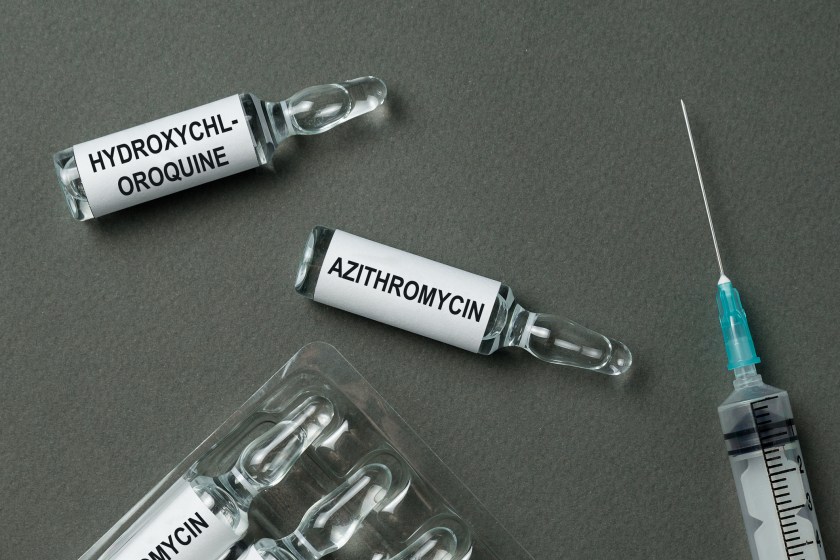
Despite the international scientific community advising against the use of several medications, including hydroxychloroquine, chloroquine, invermectin, nitazoxanide, azitromycin, and corticosteroids, against Covid-19, some organisations, physicians and politicians continue to promote the use of these drugs as an early treatment against SARS-CoV-2 infection in many parts of the world.

As the world was hit by a pandemic in 2020, many doors were open to fraud, manipulation and the spread of misinformation.

We must go back to the 70s and remind ourselves about the MMR autism fraud, driven by British doctor and anti-vax activist Andrew Wakefield, as a perfect example.

Wakefield’s intention, similar to some of the recent Covid-19 drug promoters, was financially driven, as he planned on developing a replacement vaccine for MMR as well as testing kits that would let doctors diagnose “autistic entercolitis”, with potential annual revenues of over USD 44 million.

Wakefield now lives in the US and has become a misinformation powerhouse receiving millions from wealthy donors.

The Questionable Drugs

Cloroquine and hydroxychloroquine are medications authorised to treat malaria and some autoimmune diseases. The US National Institute of Health, NIH, advises against the use of these drugs for both outpatient treatment as well as prophylaxis of Covid-19.

According to the European Medicines Agency, and The Lancet, both drugs are known to potentially cause heart rhythm problems, including ventricular tachycardia, ventricular fibrillation, and death, especially if combined with the antibiotic azithromycin.

The FDA made an announcement as early as July 2020 reviewing the safety issues with the use of both hydroxycloroquine and chloroquine when treating hospitalised patients with Covid-19, including reports of serious heart rhythm problems, blood and lymph systems disorders, kidney injuries, and liver problems and failure.

The side effects of these medications may not only affect the heart, liver and kidneys, but also cause cutaneous adverse reactions and cell damage leading to seizures.

Invermectin is another drug being promoted as an early treatment of Covid-19 in some countries. According to guidelines published by the FDA in December 2021, invermectin is only approved, at very specific doses, for human use to treat infections caused by some parasitic worms, head lice and skin conditions like rosacea.

Some organisations in the US and Brazil, backed up by physicians and politicians, continue with the promotion of these unproven drugs against Covid-19.

The FLCC Alliance (Front Line Covid-19 Critical Care), and “Physicians for Life” released a protocol, translated in various languages, promoting invermectin, with the support of the BIRD Group (the British Invermectin Recommendation Development).

The FLCC Alliance website is filled with a vast amount of content, including articles, videos, graphs, webinars, testimonials, FAQ’s, public statements, a book club as well as a link to a donations and store page, all trying to convince the population of the effectiveness of these unproven drugs against Covid-19.

A popular promoter of these drugs is Guo Wengui, also known as Miles Kwok, an exiled Chinese billionaire who owns G News (Guo Media) and co-founded GTV Media Group with Steve Bannon in 2020.

Guo is anti-vax and one of the key orchestrators of the misinformation network also promoting the use of unproven Covid-19 treatments, such as invermectin, artemisin, hydrochloroquine, dexamethasone, and oxytetracycline, amongst other medications.

How It All Started

Donald Trump was perhaps the one who initiated promoting these drugs as soon as the pandemic hit in 2020. The “Father” of chloroquine was born.

Soon after, Brazil’s president and Trump’s long lasting loyal admirer, Jair Bolsonaro, followed Trump’s footsteps when he visited him at Mar-O-Lago in March 2020. Since then, the sale of these drugs has skyrocketed in Brazil.

“When the first obstacle emerged, Covid-19, it became obvious that the government’s objective was not a technical solution for the problem, but rather a political one. Political work to induce people not to believe in the disease and return to work, transforming Brazil into total chaos, and that was not in line with my principles”, said Brazil’s former health minister, Luiz Henrique Mandetta, when I spoke with him in February 2021. Bolsonaro sacked Mandetta in April 2020, after he refused to promote chloroquine as a Covid-19 treatment.

Drugs from the “Covid Kit” continue to be prescribed, even after the World Health Organisation, WHO, declared their ineffectiveness against Covid-19 in October 2020.

Bolsonaro’s government has spent millions of dollars producing, purchasing and promoting drugs such as ivermectin, chloroquine and the antibiotic azithromycin, as well as anticoagulants, painkillers and vitamins. Brazil’s ministry of health, along with a large number of doctors, endorsed the use of these drugs to treat Covid-19, even though they have no proof to be effective.

According to the Lancet, one in every four individuals in Brazil has taken drugs from the “Covid Kit”, including through self-medication. Data from “DETECTCoV-19” study showed that the prevalence of SARS-CoV-2 infection was 50% higher among those who self-medicated as prophylaxis for Covid-19.

On January 21, 2022, Brazil’s ministry of health released a report, signed by the Secretary of Science, Technology, Innovation and Strategic Inputs in Health, Helio Angotti Neto, stating that hydroxychloroquine was effective on fighting Covid-19, not the vaccine. On February 04, a group of doctors filed an appeal against the report.

The Brazilian Society of Virology, SBV, made the following statement on January 22, 2022, soon after the ministry of health released their report:

“In the third year of the pandemic, much has been learned, and there is no longer room for frivolous and unfounded insistence, such as the insistence on therapies based on the replacement of the aforementioned drugs. These conclusions, which disapprove of the use of the so-called “Covid Kit” to treat the infection caused by the SARS-CoV-2 virus, which causes COVID19, were definitively presented by Brazilian medical experts who formed a working group to analyze the impact of its use for the treatment of the disease on screen”.

According to data from a survey carried out by Globo, notifications of adverse effects caused by the “Covid Kit” drugs increased 558% in 2020, compared to the previous year.

A popular organisation promoting the use of the “Covid Kit” against Covid-19 in Brazil is the platform “Physicians for Life” or “Medicos pela Vida Covid-19”, containing a staggering number of videos promoting the “Covid Kit” and opposing the Covid-19 vaccine.

On their website, “Medicos pela Vida Covid-19” state that their objective is to “treat people affected by covid-19 early, in order to prevent them from being hospitalised, intubated and at risk of death”. They even have doctors available over the phone and on WhatsApp offering prescriptions for these drugs.

The pandemic has exacerbated cracks that already existed in our society, where a few players are given an open platform to spread their rhetoric and misinformation, misleading individuals to use unproven drugs against Covid-19. The bill is often paid at a very high cost, their own health, and sometimes, their lives.

The question we must ask ourselves, how cheap has life become?

“The New Kids On The Block”: Conservative Media Platforms Getting Cosy in Brazil

Monica Piccinini

2 Dec 2021

A group of a few players purported to be at the centre of the global political misinformation machine seems to be in full power, with their next target already being established, Brazil.

There is a deeply concerning discontent with democracy and globalization in many countries around the world, which has created an opportunity for these ravenous players, including social media platforms, to cause havoc by disseminating misinformation, creating hatred, polarisation, and spreading their radical and extremist ideas. Their constant search for power, profit and dominance is insatiable and they will apparently stop at nothing!

Steve Bannon, persona non grata, former Donald Trump’s chief strategist and close friends with the Bolsonaro’s, Brazil’s president, Jair Bolsonaro, and his son, Eduardo Bolsonaro, is a familiar face and one of the main characters of these devious games being played in worldwide politics. Bannon has both his eyes fixed on Brazil, the world’s sixth-largest nation with over 212 million people, and a land of real opportunities.  

In August 2021, Eduardo Bolsonaro attended a voting machine symposium in Washington DC, hosted by Bannon, where he declared that “Bolsonaro will win (the reelection in 2022), unless it’s stolen by, guess what, the (voting) machines”.  Does that sound familiar?

Bannon is not the only one focused on Brazil. The US former president, Donald Trump, Bolsonaro’s “should have been twin brother”, has already made plans on setting up his framework in the country by supporting Bolsonaro’s bid for re-election in 2022 at all costs, and by building his own social media platform in Brazil, competing with the new kids on the block, Parler, Gettr and Gab. Trump’s new social network will be partially financed by a Brazilian congressman and royalty, Luiz Phillipe de Orleans e Bragança.

Manipulative Mechanisms and Players

Bannon is a disturbing and crafty individual. He was initially associated with Breitbart News, an American far-right platform founded by Andrew Breitbart in 2007, along with the Mercer family, who were key financial benefactors. Following Andrew Breitbart’s death, Steve Bannon became executive chairman and Larry Solov became CEO.

Breitbart News content is considered to be misogynistic, racist and xenophobic, publishing a number of conspiracy theories and spreading misinformation. It was also a platform for Donald Trump supporters during the 2016 presidential campaign. On August 2016, Bannon stepped down from his role as executive chairman.

In July 2020, Breitbart News livestreamed a video featuring America’s Frontline Doctors making suspicious claims to Covid and hydroxychloroquine as a cure.

It is worth remembering that Bannon’s tentacles have spread deep and far during the interference and manipulation of world-wide election campaigns by Cambridge Analytica in the US, in the UK with the “Leave” campaign (Brexit), in Brazil, amongst many other countries.

Bannon is former vice president and board member of Cambridge Analytica, a company that provided data analytics to government and military organisations. The company was known for being backed by right-wing millionaire, Robert Mercer, Rebekah Mercer’s father, also a Donald Trump’s supporter.

CA declared bankruptcy after harvesting personal data of over 78 million Facebook users without their consent. In 2019, CA was acquired by a holding company, Emerdata, which currently has 4 active directors: Rebekah Mercer, Jennifer Mercer, Jacquelyn James-Varga and Gary Ka Chun Tiu.

Bannon understands very well how to manipulate the mainstream outlets. He joined forces with Chinese dissident Guo Wengui, also known as Miles Kwok, an exiled Chinese billionaire. Guo owns G News (Guo Media) and co-founded GTV Media Group with Steve Bannon in 2020.

“Please do not take your children to get vaccinated anymore. It is not about getting a shot that simple but equivalent to murder”, Guo said in a translated video posted at Gettr in September 2021. “Those who were vaccinated might face an unpredicted severe consequence”, he added.

Guo is one of the key orchestrators of the misinformation network also promoting the use of unproven Covid treatments, such as invermectin, artemisin, hydrochloroquine, dexamethasone, oxytetracycline, amongst other medications.

This is perhaps a reminder of the MMR autism fraud, driven by British doctor and anti-vax activist Andrew Wakefield in the 1970’s. Wakefield’s intention, similar to a majority of players, was financially driven, as he planned on developing a replacement vaccine for MMR as well as testing kits that would let doctors diagnose autistic entercolitis.

Trump, Guo and Bolsonaro seemed to have followed Wakefield’s footsteps when deciding to promote a set of unproven drugs in the early treatment of Covid. The similarities are astonishing.

Bolsonaro insists on promoting these cheap drugs to his nearly 40 million social media followers. His government has spent millions of dollars producing, purchasing and promoting drugs such as ivermectin, chloroquine and antibiotic azithromycin, as well as anticoagulants, painkillers and vitamins. Brazil’s Ministry of Health, along with a large number of doctors, endorsed the use of these drugs to treat Covid, even though they have no proof to be effective.

Conservative Social Networks Gaining Power

Since Trump was blocked from Facebook, YouTube and Twitter, and his loyal friend Bolsonaro was cracked down for falsely suggesting coronavirus vaccines could cause AIDS, along with many others for spreading misinformation and disturbing content, the need for alternative platforms was set out. Since then, Bolsonaro has been directing his supporters to follow him on platforms such as Gettr and Parler.

Launched in July 2021, founded by Jason Miller, former Donald Trump’s aid and spokesman, and partly funded by Guo Wengui, Gettr is a platform with extreme content, including the promotion of extremist groups like the far-right Proud Boys, anti-Semitism, racism, and terrorist propaganda.

Brazil is Gettr’s second largest market after the United States and extremely popular amongst Bolsonaro’s supporters. Miller mentioned that having the presence of Jair Bolsonaro and his son Eduardo on the platform, gave Gettr a big boost, reaching over 500,000 Brazilian users. Miller said that the company has plans to expand even further, launching an advertising campaign that will target Brazil and other countries.

Another player with concerning methods and ideas wishing to expand in Brazil is James O’Keefe, a self-professed progressive radical, leader of Project Veritas, a conservative American far-right organisation that is ideologically driven.

PV is known for running questionable operations that goes against standard journalistic practice by employing people who mask their identities or create fake ones to infiltrate target organisations. The company has produced and edited videos using secret recordings to discredit mainstream media groups and spreading misinformation.

The list goes on. The “First Lady of the Alt-Right”, as Rebekah Mercer is called, daughter of American billionaire Robert Mercer, Republican political donor (contributed US$ 25 million to the 2016 US election), co-owner of Breitbart News, investor of Cambridge Analytica, one of the active directors of Emerdata, is a funder and co-founder of social networking service Parler.

Parler has a user base of Donald Trump supporters, conspiracy theorists such as QAnon followers and far-right extremists. Reports suggest Parler was used to coordinate the 2021 storming of the US Capitol.

The platform was launched in August 2018 and founded by John Metze, who was executive director until January 2021. British conservative, Oxford University graduate, hedge fund employee and former candidate and financial supporter of the Brexit Party, George Farmer, is currently the company’s CEO.

Bolsonaro joined Parler in July 2020 after Twitter removed some of his posts alleging he was responsible for spreading misinformation related to Covid. His son, Eduardo, also endorsed the network, leading to a significant increase in sign ups to the platform. Like Gettr, Parler said that Brazil is also its second largest market after the US.

“Ya my comment is ‘God bless Jair Bolsonaro and Jesus Christ is King.’ No further comment., said Andrew Torba, Gab’s CEO, another right-wing social media network.

Torba’s plan is to build an alternative network platform free from censorship, government influence and power of Silicon Valley. But Gab has become a platform that spreads misinformation about vaccines and Covid restrictions, violence, bigotry, racism and hatred. On October 2018, a Gab user posted violent and anti-Semitic comments and then murdered 11 people in a synagogue in Pittsburg.

The sudden interest of conservative social networking platforms in exploiting and investing in Brazil is no coincidence and comes at the perfect time, as the 2022 election approaches and Bolsonaro is using all ammunition he can to stay in power, no matter what.

There are serious consequences to how things play out in Brazil in the next year, all linked to how external forces decide to play; how much support is given; and how well they manage to manipulate the situation to their benefit.

The Brazilian populous can only hope things do not get out of control and the situation doesn’t become irreversible. If this dark future materialises, it won’t be just the weakest and most vulnerable that will have to bear a hefty price, instead, the majority of Brazilians will have to face some serious consequences.

Chemical Explosion in Brazil

Monica Piccinini

2 Nov 2021

Pesticides are silent, invisible and ruthless killers. They are chemicals that can have a long lasting and tragic effect on one’s life as well as creating irreversible consequences to our precious environment.

These chemicals are sold in large amounts at huge profit by the callous agrochemical industry, without extensive, thorough, transparent and independent investigations.

Why is it that pesticides, which are a class of chemicals, do not have to go through a testing regime similar to the clinical trials that pharmaceutical drugs are put through?

Recently, the EPA (US Environmental Protection Agency) announced they will end the use of chlorpyrifos, a broad-spectrum chlorinated organophosphate, as it’s associated with neurodevelopmental problems and impaired brain function in children. Some countries continue to use this toxic chemical, including Brazil.

Brazil has been the country with the highest consumption of pesticides since 2008. In 2020 alone, the agrochemical industry’s turnover was over US$ 12.1 billion. The area treated with pesticides increased 6.9% in 2020, compared to the previous year, to an area of 1.6 billion hectares. A staggering 1.05 million tons of pesticides were applied in the country in 2020.

Fossil fuels and green house gases are great contributors to climate change, but Highly Hazardous Pesticides (HHP’s), which affect the health of large parts of the population and our environment, have gone largely unrecognised.

Agrochemical organisations across the world, along with the agribusiness industry are making substantial profits at the expense of people’s lives and health, as well as contributing to damage to wildlife, water contamination, environmental degradation and biodiversity loss.

Bayer, BASF, Syngenta, Corteva and FMC, members of Croplife International lobby group, are the world’s five largest agrochemical companies. 

Jair Bolsonaro’s Poisonous Package

The Pesticides Law in Brazil established in 1989, was defined as:

“The products and agents of physical, chemical or biological processes, intended for use in the sectors of production, storage, and processing of agricultural products, in pastures, in the protection of forests, native or implanted, and of other ecosystems as well as urban environments, hydrological and industrial, whose purpose is to change the composition of flora or fauna, to preserve them from the harmful action of living beings considered deleterious; and substances and products, used as defoliants, desiccants, stimulators and growth inhibitors”.

Brazil’s president, Jair Bolsonaro, has recently incorporated a Presidential Decree 10.833/2021, amending the 1989 pesticides law, by making the approval process of pesticides even more flexible, including the approval of chemicals that have already been banned in the US and Europe.

With the new amendment, chemicals that cause cancer, genetic mutations and fetal malformation, will be given approval to be used as well as manufactured, if a “safe exposure limit” is determined.

Additionally, the current Brazilian legislation does not provide for a minimum period for the renewal of pesticides licensing. Pesticides that have been in the Brazilian market for more than 4 decades are still being used today, without ever undergoing an assessment of environmental and health issues.

It’s a fact that the approval process of pesticides has never been made easier, as more power has been given to the Ministry of Agriculture on the decision making process, leaving ANVISA (National Health Surveillance Agency) and IBAMA (Brazilian Institute of Environment and Renewable Natural Resources) excluded from the final decision.

There are currently a whopping 3,477 pesticides on the Brazilian market, 40% of all chemicals were approved in the last 3 years, all under Bolsonaro’s government. In 2020 alone, 494 products were authorised, totaling 997 new products in just two years.

According to a recent joint report by IPEN (International Pollutants Elimination Network) and ABRASCO (Brazilian Association of Collective Health), 53% of pesticides licensed in Brazil between 2019 and 2020 were manufactured in China, 22.1% in Brazil, 9.4% in India, 4.5% in the United States and 3% in Israel.

Another worrying issue is the number of illegal pesticides smuggled in from China. According to a study carried out by FIESP (The Federation of Industries of the State of São Paulo), at least 25% of the pesticides in Brazil are illegal, smuggled through Paraguay with Chinese origin.

In January 2021, the Department of Border Operations (DOF/PM) apprehended 3.5 tons of smuggled pesticides in Maracaju, MS. The cargo was valued at approximately USD 1.2 million, according to Campo Grande News.

“The smuggling of pesticides is growing in the country at the rate that Brazilian agriculture grows… This smuggling has become a major concern as it is no longer a small market, but a large economy controlled by specialized gangs,” director of Brazil’s Institute for the Economic and Social Development of Borders (Instituto de Desenvolvimento Econômico e Social de Fronteiras – IDESF) Luciano Stremel Barros, told the Brazilian Senate in September 2019.

Accidental Poisoning, Suicide, Violence and Deaths

Highly toxic chemicals that have already been banned in many countries, including in the European Union, are still being used in Brazil. Many of these products are used as a suicide and violence tool.

Aldicarb, a carbamate insecticide and an illegal rat poison, popularly known as “chumbinho”, is one of the chemicals used not only for suicides, but also for the practice of aggression.

My auntie, a farmer, committed suicide by swallowing “chumbinho” a few years ago. By the time she was found and showing regret about her decision, it was already too late, as she met a horrible and painful death. This is not an isolated case in Brazil, and it affects the most vulnerable.

In May this year, 60 rural workers were rushed to hospital with symptoms of pesticide poisoning in the metropolitan are of Goiânia, after a plane sprayed pesticides over the fields where they worked. Most reported headaches, vomiting, dizziness and some passed out.

In 2018, 475 pesticide poisonings were reported in the State of Goiás alone. In 2019, the number rose to 516. 18% of all poisoning were caused by glyphosate. It was also reported 99 attempts of suicide with pesticides.

The number of accidents and poisonings is far worse than reported. Workers are usually reluctant to report their cases to companies or to the Brazilian Social Security Institute (INSS). Many are afraid to denounce the companies or seek justice, as it risks their employment credentials in the future. Others take the word of campaigns aimed at convincing workers that pesticides are not dangerous and that their symptoms are instead caused by stress and tiredness.

For workers without a formal contract, the situation is even worse. “When intoxication occurs, the company sends the employee home with no rights or anything. The INSS cannot make the payment of sickness benefits because there is no proof of employment,” explained Gabriel Bezerra, president of the National Confederation of Human Responsible and Rural Employees.

Toxic Substances

According to the World Health Organisation and the FAO, HHP’s are described as “pesticides that are acknowledged to present particularly high levels of acute or chronic hazards to health or the environment according to internationally accepted classification systems”.

The forms of exposure to pesticides can vary, through inhalation, dermal or oral contact, via spraying, contaminated food and water and also via a worker’s clothing. The main health effects are acute, when they appear fast, or chronic, when they appear after repeated exposure to small amounts over a long period.

Symptoms from pesticides exposure can range from mild sickness, such as skin irritation, burning, allergies, cough, chest pain, respiratory problems, mental confusion, depression, nausea, vomiting, stomach pain, diarrohea, to extreme ones, such as, endocrine disruption, congenital malformations, neuro developmental problems, Parkinson’s disease, cancer and death.

Additionally, the intensive use of pesticides influences the immunological system and industrialised food production promotes obesity and the vulnerability to COVID-19.

Glyphosate is no doubt one of the most popular pesticides in Brazil, representing 62% of the total herbicides used in the country. Glyphosate is the key ingredient in the Roundup herbicide and was first patented by Monsanto in 1974. Bayer acquired Monsanto for USD 63 billion in 2018.

According to a survey by Princeton, Fundação Getulio Vargas (FGV) and Insper (Insper Learning Institute), the spread of glyphosate in soybean crops led to a 5% increase in the infant mortality in South and Midwest Brazil that receive water from soy growing regions. This represents a total of 503 additional child deaths every year associated with the use of glyphosate in soybean farming.

“It is absolutely clear that glyphosate can cause cancers in experimental animals”, affirmed former Director of the US Agency for Toxic Substances and Disease Registry, Chris Portier, who worked on the IARC, International Agency for Research on Cancer review of glyphosate. “And the human evidence for an association between glyphosate and cancer is also there, predominantly for non-Hodgkin’s lymphoma”.

In the US, Bayer has been fighting billion of dollars in settlements to end lawsuits over accusations that glyphosate causes cancer.

Mexico has made the decision to ban glyphosate, which will take effect in 2024.

The list of active ingredients consumed in Brazil with the authorisation of ANVISA is alarmingly extensive, including acefate, chlorpyrifos, atrazine, 2,4-D (2,4-dichlorophenoxyacetic acid), diazinon, metomyl, amongst many others.

Chlorpyrifos (CPF) is also a broad-spectrum chlorinated organophosphate (OP) used in crops, vegetables, fruits, as well as households. Exposure to this chemical during pregnancy or childhood has been linked with lower birth weight and neurological changes, such as cognitive and behavioural performance.

The toxicity of CPF has also been associated with neurological disfunctions, endocrine disruption, cardiovascular diseases. It can also induce developmental and behavioural anomalies, genotoxicity, oxidative stress and hematological malignancies, as evidence by animal modeling.

CPF has been banned for use in the EU.

Atrazine has innumerous adverse effects on health, such as increased risk of miscarriage, reduced male fertility, tumours, ovarian, breast, prostate and uterine cancers, leukemia and lymphoma. It’s an endocrine disrupting chemical, causing havoc to one’s regular hormone function, causing birth defects and reproductive tumours.

A group of scientists, including Tyrone Hayes found that 10% of male frogs reared in atrazine water turned into females.

2,4-dichlorophenoxyacetic acid is a widely used agricultural weed-killer and endocrine disruptor shown to have links to cancer, including non-Hodgkin’s lymphoma. It was first marketed in 1945 and one of the main ingredients in the Agent Orange, used to destroy forests during the Vietnam war.

Acute symptoms of exposure to 2,4-D include coughing, burning, loss of muscle coordination, dizziness, nausea, vomiting, diarrhea, nervous damage, fatigue, coma and death. Additionally, poor semen quality has been associated with exposure to the chemical.

Acefate is an organophosphate (OP) insecticide used on food crops, as well as a seed treatment. People can be exposed by breathing or on their skin. Acefate has been associated with TGCT, testicular germ cell cancer, particularly strong amongst Latinos, according to a study by the American Association for Cancer Research (AACR).

Brazilians are not the only ones being poisoned by toxic chemicals, in fact, you and your family could be consuming these toxic substances unknowingly, via products being imported into your country.

It has been reported that Germans are already consuming products containing pesticides that have already been banned in the European Union.

At the request of Greenpeace, tests were carried out at 70 Brazilian fruits sold in German cities by an independent German laboratory. 11 substances that have already been banned in the EU have been detected, totaling 35 different pesticides found in mangos, lemons, papaya and figs, 21 of those were considered Highly Hazardous Pesticides (HHP’s).

In order to stop the world being poisoned by chemicals that affect our health and our environment, a tougher international regulatory system needs to be implemented, including proper thorough, independent and transparent assessments of such toxic substances.

It’s time for the greedy agrochemical industry and our governments to put our health and the health of our planet above their rapacious profit, once and for all!

COP26: another Cop Out?

Monica Piccinini

21 Oct 2021

The climate scientists drum beat of concerning data continues with an increased rhythm and it is becoming clear to all but the global leaders that we are running out of time for material action.

As COP26 approaches, national leaders across the world should be galvanising and both individually and collectively evidencing real action to deliver on prior promises and commitments. Sadly, what might be expected appears to be far from the real situation.

It is very apparent that climate change can’t be addressed by a small number of nations. Global pollution and its effects have no respect for man-made sovereign borders. Possibly, for the first time in history, the world needs to truly work together for the greater good and ultimate survival. 

It’s complicated. The world needs full cooperation and commitment from the biggest polluters and the richest and most powerful nations, leaving their greed, egos and empty promises behind. In the short term, it’s those same countries that have the most to lose and need to spend the most in an altruistic manner.

It’s no coincidence that the largest economies have established themselves as powerhouses at the expense of the climate. Much of their industry depends on carbon fuels to function and importantly their infrastructure is from a time when carbon fuels were seen as the future.

So with that background and political short-termism combined, it’s no surprise that the question of climate and sustainability becomes deeply mired in protectionism, nationalism and global politics.

Brazil’s Jair Bolsonaro, China’s Xi Jiping, Russia’s Vladimir Putin and Mexico’s Andrés Manuel López Obrador are not expected to attend COP26. Japan’s Fumio Kishida may also be absent from the Summit, which is about to start in Glasglow, Scotland, at the end of this month.

According to an analysis by Carbon Brief on CO2 emissions from land use and forestry, as well as those from fossil fuels, it showed the US as the largest CO2 emitter in history, accounting to 20% of the global total, followed by China with 11%. In third place came Russia (7%), Brazil (5%) and Indonesia (4%).

There is a real sense of urgency, as the world has already used 85% of the CO2 budget that would give a 50% chance of limiting heating to 1.5C, according to Carbon Brief’s data.

According to the OECD, CO2 from the combustion of fossil fuels and biomass accounts for about 90% of total CO2 emissions and two thirds of total GHG emissions.

The top most powerful nations in the world, China and the US, are the top polluters, followed by India, Russia and Japan. China produces 28% of global emissions, more CO2 than all nations put together.

Will geopolitical competition between China and the US help the world tackle climate change?

China and the US should be leaving their differences aside and be focusing on setting up plans in order to tackle one of, if not the most challenging projects of our time, climate change.

The recent defense deal, the Aukus trilateral security partnership between the US, the UK and Australia, added to existing regional military tensions has not helped to soothe relations between the US and China, creating a stand-off which has the potential to evolve into a new cold war.

Additionally, issues like trade, the South China Sea, human rights, the threat of Chinese invasion in Taiwan and intellectual property theft, have contributed to more tensions and disagreement between both nations. This may impact heavily on their commitment to climate change.

President Xi Jinping has pledged to cut down emissions by 2030 and become carbon neutral by 2060, given its economic development is highly reliant on the fossil fuel industry.

More than half of all power in China is generated from coal, using 3 billion tonnes of thermal coal each year. Coal is the biggest contributor to climate change, accounting to 46% of carbon dioxide emissions across the world.

Coal is not the only concern. China produced around one billion tonnes of steel last year, which is the second most polluting industry after coal.

We can easily notice a pattern here. Chinese demand for coal is expected to increase until 2026, therefore increasing carbon emissions until 2030, contradicting the country’s emission goals. Chinese banks and corporations continue to finance and build coal-fired power plants across many countries.

Supply and demand – is it all China’s fault?

Since opening up to foreign trade and investment and implementing free-market reforms in 1979, China has become one of the world’s fastest-growing economies.

The world has actively supported China becoming its industrial heartland. Built upon cheap labour, available raw materials and a welcoming government policy, a huge percentage of commodity product manufacturing has moved to China from other historic manufacturing nations, including the US, the UK, the EU, and other nations.  Servicing the demand has created pressure to build manufacturing infrastructure at the lowest cost possible, and that leads to low tech solutions like carbon based energy production.

It’s no surprise that China has rapidly become one of the biggest global polluters. Other nations have essentially pushed into China their polluting industries.

The denialistic approach

The Production Gap report released by the UN, states that governments across the world still plan to produce more than double the amount of fossil fuels in 2030 and that the majority of gas and oil producers plan on increasing production beyond 2030. 

G20 countries have directed nearly USD 300 billion in new funds towards fossil fuel activities since the beginning of the COVID-19 pandemic — more than they have toward clean energy, which contradicts entirely to the message they have been giving us all along.

According to a leak of tens of thousands of comments by governments, corporations, academics and others on the draft report of the IPCC’s ‘Working Group III’, recently published by Unearthed, fossil fuel producers including Australia, Saudi Arabia and the Organization of Petroleum Exporting Countries (OPEC), are lobbying the IPCC – the world’s leading authority on climate change – to remove or weaken a key conclusion that the world needs to rapidly phase out fossil fuels.

These scandalous and irresponsible actions go on. Australia asks the IPCC to delete analysis explaining how lobbying by fossil fuel companies has weakened action on climate change in Australia and the US. Saudi Arabia repeatedly seeks to have the report’s authors delete references to the need to phase out fossil fuels.

Brazil and Argentina, two of the world’s biggest producers of beef and animal feed crops like soya beans, have also been pressing the IPCC to water down and delete messages about the climate benefits of promoting ‘plant-based’ diets and of curbing meat and dairy consumption. 

There is no slowing down. According to the OECD-FAO Agricultural Outlook 2021-2030, global GHG emissions from agriculture are projected to increase by 4% over the next ten years, with livestock accounting for more than 80% of this increase.

Meat production requires significant use of resources such as land, feed and water and is also a great contributor to climate change. By 2030, 34% of the agricultural production in Latin American and the Caribbean, is projected to be exported.

Brazil, the US and Europe are the three largest meat exporting countries. China is the world’s largest meat importer. According to the Brazilian Meat Exporting Industry Association, between January and July this year, shipments of beef from Brazil to China reached 490,000 tons and generated sales of US$2.5bn, an increase of 8.6 per cent and 13.8 per cent, respectively, compared with the same period last year.

In China, per capita beef consumption is projected to rise a further 8% by 2030, after having risen 35% in the last decade.

Brazil has been the main destination for Chinese investments in South America, having received US$ 66.1 billion, equivalent to 47% of the total invested, in the last decade until 2020.

Between 2007 and 2020, Chinese companies made large investments in Brazil, mainly in the electricity sector, which attracted 48% of the total value, followed by oil extraction, with a 28% share, and mining, with 7%. 

A recently published report, The Lancet Countdown, mentioned that over a 6- month period in 2020, over 51 million people were affected by at least 84 disasters from storms, droughts and floods across the world.

The fact is that there is no going around the subject of climate change. Unless the situation we put ourselves is taken seriously and faced head on with immediate action, all of humanity faces a tragic future, or no future at all.  None of the world leaders, who continuously deny the situation, will be here to tell the story.

Nature has already shown its clear message to the world with extreme weather events like floods, wild fires, volcano eruptions, death and horrific devastation across the world, including in Argentina, Australia, Brazil, China, across Europe, India, Russia and the US. Turning a blind eye to these events and the certainty of a much worse scenario shows total irresponsibility and disregard to life, to each one of us, as well as to every single living being on this planet.

The world is calling for global leadership on a scale never seen before, at the very time when nations are sadly turning inwardly and political factions are more concerned with domestic rivalry and individual gains. 

Brazil: The Land of Impunity

Monica Piccinini

3 June 2021

“Impunity is safe when complicity is general”, once said Mariano José Pereira da Fonseca, Marquis of Maricá (1773-1848).

Visiting my family in the south of Brazil in my early teenage years was always an eventful trip, as I had the opportunity to spend time with my cousins and at the same time I had the freedom to go out with them without being questioned and monitored by my parents. My cousins had a very well established circle of friends; the children of families with influence, power and wealth.

One day, I was told that one of their friends had committed a terrible crime; killing his mother! I was in a state of shock and horror. His parents had been recently separated and his mother was known to be parading town with younger boyfriends, which made him extremely embarrassed. We were then told he had left town, only to return a few months later as if nothing had happened. No one ever questioned him nor mentioned the event. This is the very first time I realised that there were two different set of rules in Brazil, one for the powerful and wealthy, the other one for the remainder of the population. I soon learned the name for it: impunity!

Brazil is known for being a friendly and hospitable country.  That aspect of the culture also extends to idolising and accommodating criminals from all over the world, no exception, including former Nazis like the “Angel of Death”, Josef Mengele and Franz Stangl; the infamous English criminal who helped plan and carry out the Great Train Robbery of 1963, Ronnie Biggs; a convicted fugitive Italian drug lord, Rocco Morabito, recently arrested in Brazil; one of the most important members of “Cosa Nostra”, Tommaso Buscetta; amongst many others.

It is worth pointing out that international criminals are a minority in Brazil, as the country is best known to be the land of impunity, a “safe heaven” for all types of local criminal activities committed by “businessmen”, politicians, the police, terrorists and drug lords.

“Corruption is not a Brazilian invention, but impunity is something very much ours”, once said TV presenter Jô Soares.

Corruption, violence and impunity are interconnected and run through every part of Brazilian society. Corruption leads to violence and impunity, an infectious disease affecting the most powerful in the country.

Published at Portal Brasil Empresarial, there are a few examples of violence, the fight for power, money, and impunity that has run through Brazilian politics for a very long time.

In June 1967, deputies Nelson Carneiro and Estácio Souto Maior, father of pilot Nelson Piquet, drew their weapons and exchanged fire in the Chamber of Deputies. With a .38 caliber revolver, Nelson Carneiro shot Estácio Souto Maior, who despite being wounded, managed to retaliate.

Four years earlier, on December 4, 1963, senator Arnon de Mello, father of the current senator and former president Fernando Collor de Mello, shot at senator Silvestre Péricles, who laid down on the ground and dodged the shots. One of the shots hit senator José Kairala, who died hours later. Fernando Collor’s father reacted to the threats, and during a speech in the Senate, he shot Péricles Silvestre.

In 1929, when the Federal Chamber was still headquartered in Rio de Janeiro, a discussion between deputies Sousa Filho and Simões Lopes resulted in death. Simões Lopes, who was armed, fired two shots at Sousa Filho, who died on the spot.

In all three occasions, all those involved were acquitted and were never held to account for their actions.

Crime-solving rates in Brazil are one of the lowest in the world. The country has loose criminal laws with soft penalties being applied to serious crimes, including incongruous criminal procedural legislation, which allows criminals to go free unpunished. Seven out of ten homicides are not punished in Brazil.

“An absolutely inefficient criminal law, unable to reach anyone who earns more than five minimum wages, has led us to build a country of rich offenders, a country in which people live on bid rigging, active corruption, passive corruption, embezzlement, money laundering. This was no accident. It spreads across the country”, said Luís Roberto Barroso, a Brazilian law professor, jurist and current Justice of the Supreme Federal Court of Brazil.

Currently there are about 500 criminal cases in the Supreme Court, criminal proceedings as well as investigations, most of them against parliamentarians, mentioned Barroso at Jornal do Comércio.

Corruption and impunity work from top down in Brazil. The current president, Jair Bolsonaro, and his family have been involved in various criminal and corruption scandals, accused of money laundering, running a paramilitary death squad, and stealing from the population. These scandals often lack scrutiny and go unpunished.

Authorities in Brazil have always been a fortunate class. The privileged forum favours certain public authorities, unlike the majority of the population, encouraging white-collar crimes, corruption, and impunity to take place.

Developed countries usually have a few positions with privileged jurisdiction, but in Brazil over 45,000 authorities have this privilege. The factors that contribute to an individual or organisation to commit a crime is highly influenced by the possibility of it being tried and convicted by a justice system.

Impunity is also present in the police force in Brazil. The recent events of Jacarezinho in Rio de Janeiro, where an operation by the Civil Police that resulted in the deaths of 25 people, including one police officer, was news across the world. The victims were suspected of criminal activities, but no proof yet has been presented.

“It’s completely unacceptable that security forces keep committing grave human rights violations such as those that occurred in Jacarezinho today against residents of the favelas, who are mostly Black and live in poverty “, said Jurema Werneck, executive director of Amnesty International Brazil.

A study called “Labyrinthine Investigations”, published by Conectas, reveals that reports of violations committed by police officers tend to be ignored and shelved. A complex bureaucratic mechanism capable of silencing victims and protecting crimes committed by police officers was identified.

“The institutions work to justify the conduct of the police officers, to avoid investigation and punishment”, said Adilson Paes de Souza, a retired Military Police Lieutenant Colonel who has a PhD from the Institute of Psychology of USP (University of São Paulo).

“The existing doctrine in the Military Police is one of militarisation and war against the enemy, and this also spills over into the Civil Police, the Public Prosecutor’s Office and the Judiciary. When the judge clear signs of torture that a detainee has suffered, the message is the following: this is the enemy, damn it, no standards and guarantees for him”, added Souza.

Brazil is like an orphan lacking protection and direction; a country being constantly fooled, beaten, controlled and exploited by ruthless greedy individuals and organisations. It has been left to fend for itself. It is bruised and traumatised. The criminals responsible are left unpunished, exempted of their heinous crimes.