
Do We Fully Understand the Implications of GMOs?

Monica Piccinini

16 Sept 2021

The subject of genetically modified foods has been debated for many years. In fact, genetically modified produce is freely available in a number of developed countries. The benefits as well as the negative side-effects have polarised opinion in the scientific world, advanced economies and amongst health conscious populations.

Technological advances in key areas of science are now lifting the debate to new concerning levels.

“GMOs appear the focus of a stunning program: to privatize biology itself, turning sovereign soils and the very act of farming, as much as its produce, into commodities”, wrote Rob Wallace in his book “Big Farms Make Big Flu”.

GMOs (genetic modified organisms) describe foods that have been created through genetic engineering. Scientists identify what trait they want a plant, animal or microorganism to have (such as resistance to pesticides, herbicides or insects), they then copy it and insert the gene into the DNA of the plant, animal or microorganism.

In 1866, Gregor Mendel, an Austrian monk, was able to breed two types of peas, identifying the basic process of genetics. In 1922, the first hybrid corn was produced and sold commercially. In 1994, the first genetically modified produce created through genetic engineering becomes available for sale, a genetically modified tomato.

Since then, science has been advancing and progressing rapidly, as we enter a new phase of genetic engineering. NBT’s (new breeding techniques) such as CRISPR and RdDM, as well as synthetic biology, allow more complex changes to the genetic makeup.

What seems like incredible biological acts of ‘science fiction’ are still very early in their development. Moving too fast in order to commercialise these technologies will undoubtedly see the negative side effects with unintended consequences.

CRISPR cuts the cell’s DNA at a particular site. Like a wound, the cell attempts to heal itself by resealing its break using DNA repair mechanisms. This process can be faulty and not always works perfectly, causing unforeseen problems with unexpected results (new DNA).

In the 1960’s plant scientists in the U.S. bred a new potato variety that was ideal for making into crisps but also contained dangerously high levels of natural toxins. The potato had to be withdrawn from the market in 1970.

There is large concern over GMOs across the world with the sense that gene editing could give rise to dangerous mutations or crops that could be patented by large agribusiness corporations trying to monopolise staple crops.

There are also other factors involved, such as the creation of plants, animals and microorganisms we have not seen before, and by doing so, the impact it may have on our health, the environment as well as evolutionary patterns. Potential risks and biosafety concerns are associated with it. Little is known about the long-term effects and safety associated with GMOs.

According to GMWatch, a number of disadvantages of GMOs foods to humans and the environment have been listed, including allergic reaction by allowing a certain allergen present in the GM crop to enter the body and stimulate an immune response.

Toxicity is also in question. GM foods may increase the production of toxins at levels harmful to humans, as toxins are produced when there is damage in the “gene of interest” during the insertion process. Another concern is reduced nutritional value of GMOs. By making a plant more resistant to pests, the antioxidant phytochemicals are reduced. 

Toxins may also be released into the soil causing environmental damage.  An example of this is soil bacterium, bacillus thuringensis, present in larval caterpillars, which has a gene that produces certain toxins that destroys insects as well as pests. This gene is inserted into the corn to make it resistant to pests, resulting in the release of toxins into the soil, therefore turning the soil less fertile.

In addition to this, there is also the danger of resistance of pests to toxins, antibiotic resistance, genetic hazards, flow of genetic information, generation of super-weeds, and disruption to biodiversity by interfering the natural process of gene flow.

The United States, Canada, Brazil, India and Argentina have been growing GMO products made from modified soya beans and corn for many years. The majority of U.S. corn, canola, soy, cotton and sugar beets crops are GMOs.

“Let’s start now to liberate the UK’s extraordinary bioscience sector from anti-genetic modification rules, and let’s develop the blight-resistant crops that will feed the world”, said Boris Johnson in his first speech as UK’s prime minister.

Michael Antoniou, professor of molecular genetics at King’s College London, mentioned that the answer is to change our food delivery systems in the direction of “agroecology” by reducing the use of synthetic ferlitisers, pesticides and herbicides, and planting a diverse range of plant strains, to build resistance into the system. At the very least, any crops produced by using genetic editing must be labeled as such.

Liz O’Neill, director of GM Freeze, argues that genetic engineering should undergo strict regulation. She said:

“If this group of genetic engineering techniques escape classification as GM, they could be completely unregulated. The crops they produce could find their way into our fields and on to our plates without environmental or food safety risk assessments. They would not be traceable and, without labeling, consumers would have no way to identify and avoid them should they wish to do so”.

Since the UK left the EU, it has the power to authorise new GMOs. Brexit legislation gave Defra (Department for Environment, Food and Rural Affairs) more power to amend existing GMO laws without going to Parliament.

“Gene editing is a sticking plaster, diverting vital investment and attention from farmer-driven action and research which could be yielding results, right now”, said Gareth Morgan, SA’s (Soil Association) head of farming and land use policy.

“Consumers and farmers who do not want to eat or grow genetically modified crops or animals need to be offered adequate protection from this. The focus needs to be on how to restore exhausted soils, improve diversity in cropping, integrate livestock into rotations and reduced the dependence on synthetic nitrogen and pesticides”, added Morgan.

Recently, GMWatch reported that a U.S. based fake meat maker, Impossible Foods, that uses genetically engineered ingredients, have gone past regulators, mainly in the U.S. and Canada, and are looking into expanding its products into the New Zealand and Australian markets.

Impossible Foods adds GM soy leghemoglobin (SLH), 0.8% and not labeled, in order to make its product look and feel as if it’s bleeding, just like real meat. The issue is that SLH does not have a history of safe use in food.

A rat feeding study that Impossible Foods commissioned on SLH showed worrying effects in the rats, including signs of inflammation, decreased blood clotting ability, changes in blood chemistry, kidney disease and possible signs of anemia.

Would you swop a vegetable burger that tastes of vegetables to a burger that tastes and bleeds like real meat but has been genetically modified with SLH, a product that has not been tested extensively? Are we going too far and too fast without calculated risks? What is the limit to greedy corporations?

Reported by GMWatch this month, five hundred tons of unauthorized GMO rice flour that had been illegally imported by India and sold in the European Union had to be recalled, but authorities could not guarantee that all products would be removed from the market. These batches of white rice were imported into Europe, transformed into rice flour, and sold on the market as an ingredient, including chocolate sweets from the Mars company.

Do we have the assurances and guarantee that genetic engineering will not be responsible for the creation of new disease organisms with no natural resistance and no available cure? Do we have the confidence that these “novel foods” will not harm our environment and our health? Will our scientists, world leaders and corporations assure the world GMOs are 100% safe?

Many questions are yet to be answered. Discussion and debate over the benefits and risks of genetic engineering as well as the ethical questions raised by this technology is essential. We must ask for total transparency and full participation in the decision making process. There is too much at stake, as this may lead us to a path of no return.
Climate Change – Inaction May Prove Fatal to Humanity

Monica Piccinini

22 Aug 2021

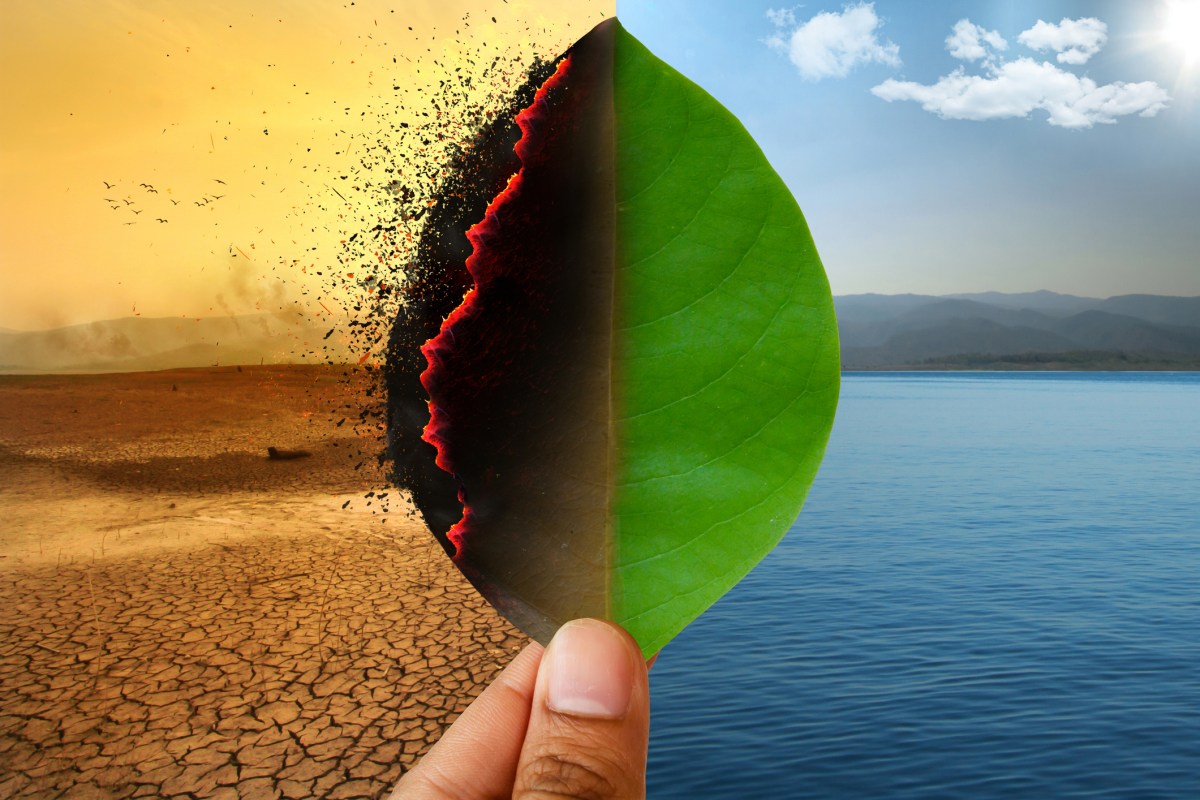
Humanity has been in denial for decades, avoiding the truth about the implications of its complex relationship with nature. A toxic, turbulent and abusive liaison based on constant exploitation. Eventually, a break up is imminent!

As human population numbers have grown and with it consumption, we have seen the correlated demand in areas of food, living space as well as demand for luxury items created by commerce. At the heart, there is a very basic human desire for ‘more’.  Populations across the world are now interconnected in a way few would imagine, therefore creating an environmental impact most choose to conveniently ignore. 

An individual in the Western Northern Hemisphere seeking a never ending supply of fresh exotic vegetables, fruit and meat from half way around the globe at an ever decreasing price. For all those products to be on the consumer’s plate, it will have passed through an incredibly efficient, yet troublesome system.

From high production farming techniques driving the destruction of natural flora, fauna and land exploitation, to the use of pesticides, distribution from one country to another by lorries, planes and ships with huge carbon footprints, all managed by profit oriented distribution companies operating on a global scale.  The simple desire of a consumer wanting more products at bargain costs has created a significant ecological footprint with dramatic consequences. 

The interconnections between our global systems and social fabrics are very sensitive and easily interrupted. The world has had a taste of such disruption with the Covid-19 pandemic. However, the even bigger issues of climate change and biodiversity loss are upon us and we can’t afford to turn a blind eye to, nor try to separate them, as they are all interconnected.

The reality is that the pace of destruction is faster than we had ever predicted. Unless we address the critical situation we have created, and put our house in order, we may be homeless and face a grim future.

“2021 must be the year to reconcile humanity with nature”, said António Guterres, the UN secretary general, in an address to the One Planet Summit of global leaders in Paris last January.

We have seen how much the emergence of a pandemic can cost us and how quickly it can affect businesses, the global economy, and our physical and mental health. Climate change is one of the primary drivers of biodiversity loss, which is a key driver of emerging infectious diseases. Investing in ecological measures that can help future pandemics is much lower than the cost of a pandemic.

One-fifth of the world’s countries are at risk of their natural ecosystems collapsing because of the destruction of their habitats and wildlife, according to Swiss Re. Food, air, clean water, and flood protection have already been damaged by human activity.

According to the OECD, the total economic value to society of biodiversity and ecosystem services is estimated to be as much as USD 140 trillion per year and over half of the world’s GDP (USD 44 trillion) is moderately or highly dependent on nature and its services.

The recently released 2021 Intergovernmental Panel on Climate Change report, IPCC, is a stark warning that humanity will not be able to limit global warming, unless we take rapid and large-scale reductions in greenhouse gas emissions.

The top major green house gas emitters in the world are China, United States, India and Russia. China, Brazil, Australia and Russia’s current energy policies will prompt to an astonishing 5C temperature rise.

At 1.5C of global warming, we will see significant and unprecedented changes to the weather across all regions, but at 2C of global warming, the results could be catastrophic and irreversible, with heat extremes, heavy precipitation, marine heat waves, reductions in Arctic sea ice, snow cover and permafrost, agricultural and ecological droughts.  

We have already seen the impact of climate change across the globe with fires, floods, draughts, hurricanes, etc. In Brazil, the worst drought in nearly a century, followed by extreme cold temperatures, has been reported, affecting heavily Brazil’s farming. Deforestation is considered as one of the main causes.  

As world population is predicted to increase to 9.7 billion by 2050, food demand will intensify, putting pressure on the land. We have already exploited more than a third of the world’s land area to crop and livestock production, affecting the lives of thousands of species as well as the land. At least 60% of the world’s agricultural area is dedicated to cattle ranching, making up to only 24% of the world’s meat consumption.

According to a projection by the Netherlands Environmental Assessment Agency, PBL, the area of land under agriculture could increase from 35% to 39% by 2050. Industrial agriculture is one such villain responsible for degradation of the land, water, and ecosystems, high green house gas emissions, biodiversity loss, hunger and nutrition deficiencies, as well as obesity and diet-related diseases.

“We are facing acute, interconnected crises – hunger, malnutrition, biodiversity loss, the climate crisis, growing inequality and poverty. What we need are real solutions, not more greenwashing from agribusiness. Real solutions – public regulation for agroecology and Food Sovereignty – require dismantling corporate power, redistributing resources, re-localising food systems and ensuring small scale producers have control. Food is a human right not a commodity”, said Kirtana Chandrasekaran, from Friends of the Earth International.

Global agribusiness giants not only control the market price farmers get, but also what we eat, not to mention their contribution to poor health, food waste, soil erosion and soil acidification due to the use of chemical fertilisers and pesticides, wildlife destruction, ground water pollution, disease outbreaks, death, hunger and food insecurity, deforestation and climate change. According to the Climate Land Use Alliance, commercial agriculture drives 71% of tropical deforestation, posing serious risks to our global forests and climate.

According to the Intergovernmental Science Policy Platform on Biodiversity and Ecosystems Services, IPBES, half a million terrestrial species of animals and plants may already be doomed into extinction. Up to one fifth of wild species are at risk of extinction this century due to climate change. Over 25% of forests have been permanently cleared. Since 1970, the global abundance of vertebrates has declined by 68% and since 1700, 90% of global wetlands have been lost.

The degradation of our oceans, soil, rivers, corals, can take decades, if not centuries to recover, and in some cases this destruction may already be irreversible.

Governments across the globe have made many commitments with the intent to tackle climate change. The commitments included the 2011 deadline to decrease emissions by 4%, the 2015 deadline to decrease it by 5%, and the 2020 deadline with the promise to decrease emissions by 10% each year. It has been a total failure and they have missed every single deadline. In the meantime, global emissions keep increasing.

“We have to reduce emissions far more rapidly than we are today. We have to leave fossil fuels in the ground, we have to remove the green house gases we have already put into the atmosphere that are creating this crisis today and into the future, and then to buy time while we manage those two processes. Then we also need to refreeze the Arctic. I don’t think it’s ridiculous, we have at least half a dozen of processes we’ve been looking at (Marine Cloud Brightening Technique)…. We don’t have the time we need to reduce emissions…buying time becomes essential”, said Sir David King, Chair of the Climate Crisis Advisory Group (CCAG) at a Chanel 4 interview last July.

Humanity has to urgently re-think its relationship with nature. Not only we have the responsibility to address the current ecological crises we face, but also try to understand how we got here.

Will science and technology be able to solve the climate change and biodiversity loss crises?

“What people do about their ecology depends on what they think about themselves in relation to things around them. Human ecology is deeply conditioned by beliefs about our nature and destiny – that is, by religion…  More science and more technology are not going to get us out of the present ecologic crisis until we find a new religion, or rethink our old one.” – Lynn White’s 1967 article.

This is the time of serious commitment not only from our world leaders, but also from each one of us. It’s our responsibility to get involved and put pressure on our governments, businesses and policy makers across the world and demand total transparency and urgent action!

Global Food Crisis

Monica Piccinini

26 Jan 2021

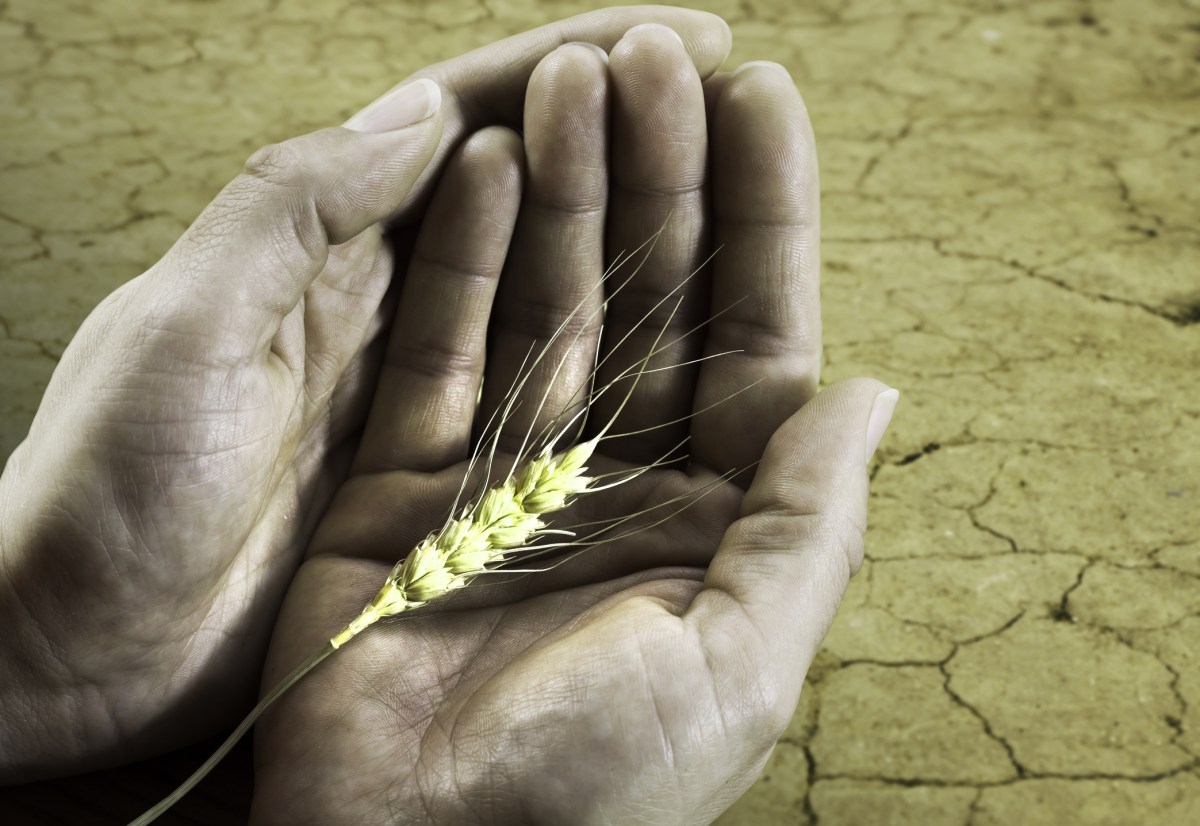
A radical and collective rethink is required to re-engineer many of humanities core living systems, if we are to sustain our existence on the planet.  With the global population having grown from 6.1 billion to 7.7 billion in 20 years, demand on the world’s resources is at breaking point. 

Two powerful forces are magnifying each other’s effects, creating a hurricane, which will leave devastation in its path.  These forces are not military or subversive in nature, they are basic human instincts; to feed ourselves and our families with healthy nutritious food, and the human desire for easy access to more food, more clothes, more products and more money.

The voracious demand of the worlds growing consumer base is fuelling and incentivising commercial greed, which in turn is feeding the demand within the world’s population.  A tornado that is spinning faster and faster and getting bigger, as our population gets larger and older.

Less scrupulous organisations and individuals knowingly cut corners and standards to deliver more to more, at less and less.  Often camouflaged in the respectable delivery of corporate profit and shareholder value.  This is a race to the bottom, a race in which humanity will lose.

Industrial agriculture is one such villain responsible for degradation of the land, water, and ecosystems, high green house gas emissions, biodiversity loss, hunger and nutrition deficiencies, as well as obesity and diet-related diseases.

The world’s population is set to reach nearly 10 billion by 2050, with huge concern on the need to ensure universal access to healthy food, but at the same time making sure food is produced in a sustainable way. Hunger and malnutrition is a result of the oligopoly control of the agrifood business supply chain. A high percentage of food is often lost along this supply chain before it even reaches the consumer.

According to the Food and Agriculture Organisation, FAO, an estimated 2 billion people in the world did not have regular access to safe, nutritious and sufficient food in 2019, putting them at greater risk of various forms of malnutrition and poor health. This forecast grew worse early on in the COVID-19 pandemic, with the World Food Programme (2020) warning on 21 April 2020 that the planet was facing a famine of “biblical proportions”.

More than 30 countries in the developing world, the UN agency cautioned, could experience widespread hunger, and 10 of those countries each already have more than 1 million people on the brink of starvation. 

“We are facing acute, interconnected crises – hunger, malnutrition, biodiversity loss, the climate crisis, growing inequality and poverty. What we need are real solutions, not more greenwashing from agribusiness. Real solutions – public regulation for agroecology and Food Sovereignty – require dismantling corporate power, redistributing resources, re-localising food systems and ensuring small scale producers have control. Food is a human right not a commodity”, said Kirtana Chandrasekaran, from Friends of the Earth International.

Countries need to realise the urgent need to support small-scale food producers, such as family farming and agroecology, adopt measures to address food price volatility, better market linkages and shorter supply chain, improving coordination between producers and consumers. Agroecology contributes to reduction of greenhouse emissions and builds farming that is more resilient to climate change.

Family farming represents 90 per cent of all farms globally, and produce 80 per cent of the world’s food in value terms, according to the Food and Agriculture Organisation, FAO. Family farmers combined with the practice of agroecology could be key to addressing global food security, as well as the conservation of ecosystems, considering they have full government support through adequate policy, resources, services, programs and regulations and their production methods comply with environmental standards. The Food and Agriculture Organisation of the United Nations has produced a document, “The 10 Elements of Agroecology”, a guide to transition to sustainable food and agricultural systems, offering a unique approach to meeting significant increases in our food needs of the future.

It is evident the dominance exercised by mega-corporations over food systems. A few corporate food empires control the majority of the food we consume and their practices have caused a serious impact on our health, environment, and farming communities. Their production is carried out on mass scales, based on intensive use of agrochemicals, hormones and antibiotics. They prioritise profit above all else.

These global agribusiness giants not only control the market price farmers get, but also what we eat, not to mention their contribution to poor health, food waste, soil erosion and soil acidification due to the use of chemical fertilisers and pesticides, wildlife destruction, ground water pollution, disease outbreaks, death, hunger and food insecurity, deforestation and climate change. According to the Climate Land Use Alliance, commercial agriculture drives 71% of tropical deforestation, posing serious risks to our global forests and climate.

On a report of Mighty Earth, more than one million square kilometers of the planet have been cleared of their natural vegetation to grow soy, one of the primary ingredients of animal feed used to raise meat. More than three quarters of the world’s soy is used to feed livestock.

Cargill, Bunge, JBS, ADM – Archer Daniels Midland and Tyson are the World’s largest agribusiness companies. Cargill is a US privately held company, found in 1865 by William Wallace Cargill. It was named the “worse company in the world”, according to an astonishing Mighty Earth Report. The company has been involved in scandals that go from fatal food poisonings, agricultural pollution, deforestation, contamination, to allegations of child enslaved labour. This large corporation still manages to keep a very low profile.

“The people who have been sickened or died from eating contaminated Cargill meat, the child laborers who grow the cocoa Cargill sells for the world’s chocolate, the Midwesterners who drink water polluted by Cargill, the Indigenous People displaced by vast deforestation to make way for Cargill’s animal feed, and the ordinary consumers who’ve paid more to put food on the dinner table because of Cargill’s financial malfeasance — all have felt the impact of this agribusiness giant.” These are the words of former Member of Congress and Chairman of Mighty Earth, Henry A. Waxman.

Cargill, the UK’s largest soybean importer, has been linked to the deforestation of 61,260 hectares of forests in the Brazilian Amazon and the Cerrado since March 2019. Cargill provides chicken to the UK market via Avara, the company’s joint enterprise with Faccenda foods. They supply chicken to Tesco, Nando’s and McDonald’s.

“British consumers have been talking loud and clear – they don’t want to be complicit in destroying Brazil’s precious forests. However, supermarkets are failing to protect them from eating meat fed with forest-destroying soy, ”says Robin Willoughby, director of Mighty Earth UK. “We are urging the CEOs of Tesco PLC, J.Sainsbury’s, ASDA, Morrisons and Aldi UK to take immediate steps to stop the destruction of Brazil and abandon Cargill.”

Brazil’s Cerrado and the Amazon rainforest are not the only regions that have been affected by the exploitation of Cargill. The Gran Chaco region, 110 million hectare ecosystem, spanning Argentina, Bolivia and Paraguay, faced burning of their fields to make way to genetically modified soy. Home to communities of Indigenous Peoples, including the Ayoreo, Chamacoco, Enxet, Guarayo, Maka’a, Manjuy, Mocoví, Nandeva, Nivakle, Toba Qom, and Wichi.

Cargill also helped drive destruction of Ghana and Côte d’Ivoire’s forests to grow cheap cocoa, buying cocoa grown through the illegal clearing of protected forests and national parks as a standard practice. Ghana and Côte d’Ivoire are the world’s two largest cocoa-producing countries. Many other countries across the world have also been affected by the greedy practices of Cargill.

“The agricultural sectors and livestock farming in particular must shift towards sustainability to enhance their contribution to food security, nutrition and healthy diets and build back better to overcome the COVID-19 pandemic and other challenges”, FAO Director-General QU Dongyu said on September 28, 2020,  in his opening remarks to the 27th session of the Committee on Agriculture (COAG).

Many other factors affect the way our food is grown, such as the use of pesticides, which cause a huge impact on our health, soil, water and animal life. Chemicals considered harmful to our health, and also to the environment, have been sold by the world’s largest agrochemical companies: Bayer, BASF, Syngenta, and Corteva – members of Croplife International lobby group. These chemicals have been linked to increased cancer, liver disease, DNA damage, reproductive failure, endocrine disruption and also groundwater contamination, microbiome disruption, poisoning of birds, mammals, fish and bees. Although in European markets some of these dangerous products have already been banned, European companies can still produce and sell them to regions with lesser regulations. 

Recently, the UK government has allowed farmers to use a poisonous bee-killing pesticide neonicotinoid thiamethoxam on beet crops, a chemical that has already been banned in the EU. Pesticides should be replaced with safer, agro-ecological and other appropriate non-chemical alternatives.

Another great concern is the fact that the largest technology companies, such as Amazon and Microsoft, are now entering the food sector, where we have seen a strong relationship being formed between companies that supply farmers with pesticides, expensive machinery, drones, etc., and those who are in control of food distribution and collecting and storing data.  Farmers are being pushed to use their mobile phone apps, which feeds them with data as well as monitors their every movement. It is worth pointing out that small farmers can’t afford this high tech data gathering technology.

The largest agribusiness companies all have apps that cover millions of hectares of farmland, supplying farmers with information in exchange for a discount on their products. One example is Bayer, the world’s largest pesticide and seed company, where its app is being used in the US, Europe, Canada, Brazil and Argentina. This digital infrastructure is run by platforms developed by tech companies that run cloud services, such as Amazon Web Services (AWS).

The aim is to integrate millions of small farmers into a wide centrally controlled network, making it easier for corporations investing in agribusiness to control and profit by encouraging and forcing them to buy their products. Profit is definitely the main and only purpose of these global technology companies like Microsoft, Apple, Google, Amazon, Facebook, Alibaba, as well as agrochemical corporations, such as Sygenta/Chem China, Basf, Bayer/Monsanto, Corteva, including the involvement of international institutions supporting digital agriculture such as AGRA, CGIAR, FAO and the World Bank.

There is no question that something needs to be done in order to ensure the protection of biodiversity by developing sustainable agricultural practices. By dismantling the power of large agribusiness corporations and reconstructing sustainable agri-food systems, a more reliable, secure and healthy world will be the place where we will be able to live in harmony with the environment, and where it will provide us with our very basic human right: food. We are facing an urgent call from Nature!