Brazilian Scientists’ Hopes and Expectations for the Future

Monica Piccinini

10 May 2023

The election of Brazil’s president Luiz Inácio Lula da Silva, ‘Lula’, in October 2022, brought a sense of relief and hope to the Brazilian scientific community.

Just over three months into his administration, Lula’s challenging task to fulfill all the promises he made before he came into power became apparent. The populous of Brazil, along with the rest of the world, is watching what happens next. 

In the past four years, the country has faced considerable challenges, including budget cuts in science and technology, the spread of misinformation leading to the denial of climate change, anti-vaccine movements, and the use of ineffective drugs against COVID-19, amongst many others.

“Brazil is once again reconciling economic growth with social inclusion. Rebuilding what was destroyed and moving forward. Brazil is once again a country without hunger. While preparing the ground for infrastructure work that was abandoned or ignored by the previous government, Brazil is again taking care of health, education, science and technology, culture, housing and public safety”, declared Lula during the meeting at Brasilia’s Planalto Palace in April.

A group of five renowned scientists share their views and expectations about scientific policies in Brazil, published at Nature Human Behaviour this month.

Mercedes Maria da Cunha Bustamante, biologist, Pedro Gabriel Godinho Delgado, doctor and psychiatrist, Lucas Ferrante, ecologist and researcher, Juliana Hipólito, biologist, and Mariana M. Vale, ecologist, highlight key areas of concern to be addressed by the current government.

Public Health & the Environment
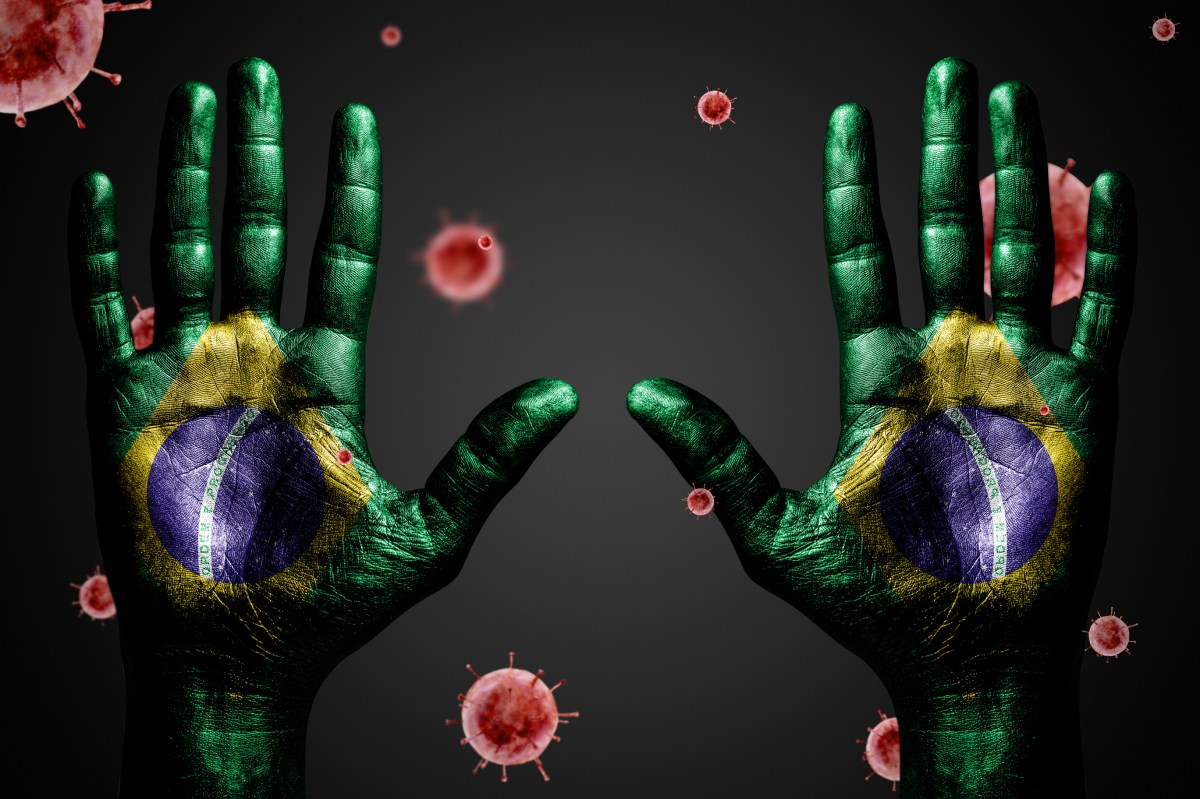
Illustration 144851985 / Brazil Public Health © Gunay Aliyevs | Dreamstime.com


According to Lucas Ferrante, the past government was notable for the prominent role of scientific denialism. Ministers were chosen for their ideology, rather than their technical ability, and scientific advice was simply ignored.

The second catastrophic COVID-19 wave in the Amazon, making Brazil one of the global epicentres for the disease, could have been prevented if the past government had listened to scientific advice.

The absence of a technically oriented government under Jair Bolsonaro’s administration also increased deforestation in the Amazon rainforest at an alarming rate, threatening the environment, traditional and indigenous communities, as well as climate change goals, wrote Ferrante.

He also mentioned that despite the change in government, there’s the need to remember past events.

During Lula’s two previous terms as president (2003-2010), he showed worrying denialistic tendencies, ignoring scientific reports and scientists’ advice. An example of this was the Belo Monte hydroelectric dam disaster, which affected the Xingu River and traditional communities, causing a catastrophic socio environmental impact.

Essential plans should include blocking major infrastructure projects in the Amazon rainforest, such as the reconstruction of BR-319 highway linking Manaus to Porto Velho, which will affect traditional and indigenous communities, biodiversity and increase deforestation in the region, as well as agriculture production chains that could give rise to a new pandemic. 

Brazil’s biodiversity is extremely rich, but lacks surveys of viruses circulating in its fauna, therefore a well established surveillance programme is required in order to reduce the risk of new pandemics emerging through viral spillover, declared Mariana M. Vale.

Nísia Trindade, Brazil’s health minister, mentioned during a lower house hearing last month that the country should be gearing up for future pandemics by investing in science, technology and Brazil’s national healthcare system, SUS (Sistema Único de Saúde).

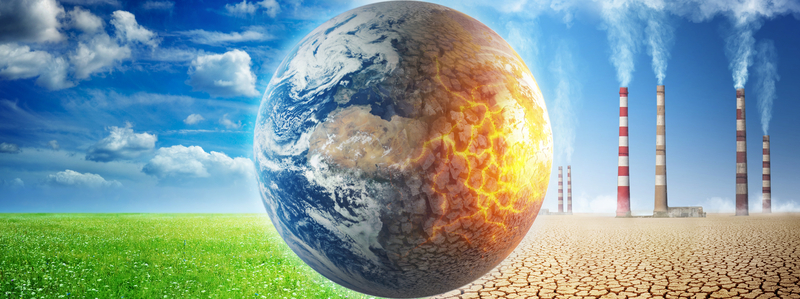
Illustration 98533932 / Brazil Environment © Cienpies Design / Illustrations | Dreamstime.com


Juliana Hipólito highlighted another significant issue of concern, society’s lost value and interest of science in their daily lives. As a consequence, this lead to an increase in deforestation rates, climate change denialism, anti-vaccine movements and the use of ineffective unproven drugs against COVID-19.

The past government’s dismantling of environmental policies increasing deforestation and the approval of a large number of toxic pesticides is also something the science community expects to be reversed, she added.

According to experts, Brazil’s use of pesticides increased exponentially in the last few years, growing 300,000 tonnes since 2010. Approximately 80% of the pesticides authorised for commercialization in Brazil are prohibited in at least three countries of the Organization for Economic Cooperation and Development (OECD) of the European community.

In the field of mental health, Pedro Gabriel Godinho Delgado expects to see development of long-term projects to better understand the interfaces between mental health suffering and the profound social inequality and precariousness of life in Brazil.

According to him, urban violence, racism, stigma, gender prejudice, loss of childhood and adolescence and their relationship with human suffering, should no longer be marginal and must be included amongst the priorities of research. The long-term consequences of COVID-19 on mental and physical health also deserve special attention from researchers.

Investments, Social Justice & Equity
Illustration 34989348 © David Castillo Dominici | Dreamstime.com


Divestment is an issue of concern, as Brazil’s previous government cut considerably investment in scientific and educational organisations. There was a huge drop in investments in INPE (National Institute for Space Research), INPA (National Institute of Amazonian Research), CNPq (National Council for Scientific and Technological Development), and federal universities.

According to Hipólito, budget cuts skyrocket during the past government. Research funding and the budget of leading science and technology funding agencies were reduced by 60% from 2014 to 2022.

Socio-economic conditions have been sacrificed as a result of the cuts, therefore affecting the country’s capacity for the innovation and economic diversification.

Mercedes Maria da Cunha Bustamante mentioned the urgent need to support vulnerable groups (women, the youth and the poorest – most of them people of colour) in Brazil with the demand for public policies that would put the country back on track towards social justice and equity.

Reducing poverty, combating climate change and biodiversity decline are intrinsically connected.

The current administration also needs to focus on improving education from elementary level, adds Bustamante. A similar scenario is seen at public universities, which were affected by budget reductions under the last government. Brazilian public universities account for most of the national scientific production and are major drivers of social inclusion.

It’s essential to increase diversity, she added, as it’s vital for addressing societal demands through the generation of new knowledge, making Brazil attractive again for young scientists and allowing science to have a more prominent role in policy making.

Vale pointed out that white male individuals still dominate Brazilian academia and highlighted the need to strengthen and improve existing policies on diversity, equity and inclusion in science, especially regarding black and indigenous people.

Brazil has seen a massive exodus of scientists, leaving their jobs to work abroad, where their skills are most valued. The current government should set up a development and retention plan, encouraging and supporting scientists across the country.

Although the scientific community remains confident and positive, it’s crucial that they continue to defend science, and that the general population are not deceived into thinking that a change in governance alone is sufficient to bring about the needed improvements in public health and the environment, mentioned Ferrante.

The voice of scientists who dedicate their entire lives to protecting and bettering our daily lives couldn’t be louder and should be heard. Perhaps it’s time for Brazilian society, politicians, institutions and corporations to fully support this community that has been undervalued for so long.
“The New Kids On The Block”: Conservative Media Platforms Getting Cosy in Brazil

Monica Piccinini

2 Dec 2021

A group of a few players purported to be at the centre of the global political misinformation machine seems to be in full power, with their next target already being established, Brazil.

There is a deeply concerning discontent with democracy and globalization in many countries around the world, which has created an opportunity for these ravenous players, including social media platforms, to cause havoc by disseminating misinformation, creating hatred, polarisation, and spreading their radical and extremist ideas. Their constant search for power, profit and dominance is insatiable and they will apparently stop at nothing!

Steve Bannon, persona non grata, former Donald Trump’s chief strategist and close friends with the Bolsonaro’s, Brazil’s president, Jair Bolsonaro, and his son, Eduardo Bolsonaro, is a familiar face and one of the main characters of these devious games being played in worldwide politics. Bannon has both his eyes fixed on Brazil, the world’s sixth-largest nation with over 212 million people, and a land of real opportunities.  

In August 2021, Eduardo Bolsonaro attended a voting machine symposium in Washington DC, hosted by Bannon, where he declared that “Bolsonaro will win (the reelection in 2022), unless it’s stolen by, guess what, the (voting) machines”.  Does that sound familiar?

Bannon is not the only one focused on Brazil. The US former president, Donald Trump, Bolsonaro’s “should have been twin brother”, has already made plans on setting up his framework in the country by supporting Bolsonaro’s bid for re-election in 2022 at all costs, and by building his own social media platform in Brazil, competing with the new kids on the block, Parler, Gettr and Gab. Trump’s new social network will be partially financed by a Brazilian congressman and royalty, Luiz Phillipe de Orleans e Bragança.

Manipulative Mechanisms and Players

Bannon is a disturbing and crafty individual. He was initially associated with Breitbart News, an American far-right platform founded by Andrew Breitbart in 2007, along with the Mercer family, who were key financial benefactors. Following Andrew Breitbart’s death, Steve Bannon became executive chairman and Larry Solov became CEO.

Breitbart News content is considered to be misogynistic, racist and xenophobic, publishing a number of conspiracy theories and spreading misinformation. It was also a platform for Donald Trump supporters during the 2016 presidential campaign. On August 2016, Bannon stepped down from his role as executive chairman.

In July 2020, Breitbart News livestreamed a video featuring America’s Frontline Doctors making suspicious claims to Covid and hydroxychloroquine as a cure.

It is worth remembering that Bannon’s tentacles have spread deep and far during the interference and manipulation of world-wide election campaigns by Cambridge Analytica in the US, in the UK with the “Leave” campaign (Brexit), in Brazil, amongst many other countries.

Bannon is former vice president and board member of Cambridge Analytica, a company that provided data analytics to government and military organisations. The company was known for being backed by right-wing millionaire, Robert Mercer, Rebekah Mercer’s father, also a Donald Trump’s supporter.

CA declared bankruptcy after harvesting personal data of over 78 million Facebook users without their consent. In 2019, CA was acquired by a holding company, Emerdata, which currently has 4 active directors: Rebekah Mercer, Jennifer Mercer, Jacquelyn James-Varga and Gary Ka Chun Tiu.

Bannon understands very well how to manipulate the mainstream outlets. He joined forces with Chinese dissident Guo Wengui, also known as Miles Kwok, an exiled Chinese billionaire. Guo owns G News (Guo Media) and co-founded GTV Media Group with Steve Bannon in 2020.

“Please do not take your children to get vaccinated anymore. It is not about getting a shot that simple but equivalent to murder”, Guo said in a translated video posted at Gettr in September 2021. “Those who were vaccinated might face an unpredicted severe consequence”, he added.

Guo is one of the key orchestrators of the misinformation network also promoting the use of unproven Covid treatments, such as invermectin, artemisin, hydrochloroquine, dexamethasone, oxytetracycline, amongst other medications.

This is perhaps a reminder of the MMR autism fraud, driven by British doctor and anti-vax activist Andrew Wakefield in the 1970’s. Wakefield’s intention, similar to a majority of players, was financially driven, as he planned on developing a replacement vaccine for MMR as well as testing kits that would let doctors diagnose autistic entercolitis.

Trump, Guo and Bolsonaro seemed to have followed Wakefield’s footsteps when deciding to promote a set of unproven drugs in the early treatment of Covid. The similarities are astonishing.

Bolsonaro insists on promoting these cheap drugs to his nearly 40 million social media followers. His government has spent millions of dollars producing, purchasing and promoting drugs such as ivermectin, chloroquine and antibiotic azithromycin, as well as anticoagulants, painkillers and vitamins. Brazil’s Ministry of Health, along with a large number of doctors, endorsed the use of these drugs to treat Covid, even though they have no proof to be effective.

Conservative Social Networks Gaining Power

Since Trump was blocked from Facebook, YouTube and Twitter, and his loyal friend Bolsonaro was cracked down for falsely suggesting coronavirus vaccines could cause AIDS, along with many others for spreading misinformation and disturbing content, the need for alternative platforms was set out. Since then, Bolsonaro has been directing his supporters to follow him on platforms such as Gettr and Parler.

Launched in July 2021, founded by Jason Miller, former Donald Trump’s aid and spokesman, and partly funded by Guo Wengui, Gettr is a platform with extreme content, including the promotion of extremist groups like the far-right Proud Boys, anti-Semitism, racism, and terrorist propaganda.

Brazil is Gettr’s second largest market after the United States and extremely popular amongst Bolsonaro’s supporters. Miller mentioned that having the presence of Jair Bolsonaro and his son Eduardo on the platform, gave Gettr a big boost, reaching over 500,000 Brazilian users. Miller said that the company has plans to expand even further, launching an advertising campaign that will target Brazil and other countries.

Another player with concerning methods and ideas wishing to expand in Brazil is James O’Keefe, a self-professed progressive radical, leader of Project Veritas, a conservative American far-right organisation that is ideologically driven.

PV is known for running questionable operations that goes against standard journalistic practice by employing people who mask their identities or create fake ones to infiltrate target organisations. The company has produced and edited videos using secret recordings to discredit mainstream media groups and spreading misinformation.

The list goes on. The “First Lady of the Alt-Right”, as Rebekah Mercer is called, daughter of American billionaire Robert Mercer, Republican political donor (contributed US$ 25 million to the 2016 US election), co-owner of Breitbart News, investor of Cambridge Analytica, one of the active directors of Emerdata, is a funder and co-founder of social networking service Parler.

Parler has a user base of Donald Trump supporters, conspiracy theorists such as QAnon followers and far-right extremists. Reports suggest Parler was used to coordinate the 2021 storming of the US Capitol.

The platform was launched in August 2018 and founded by John Metze, who was executive director until January 2021. British conservative, Oxford University graduate, hedge fund employee and former candidate and financial supporter of the Brexit Party, George Farmer, is currently the company’s CEO.

Bolsonaro joined Parler in July 2020 after Twitter removed some of his posts alleging he was responsible for spreading misinformation related to Covid. His son, Eduardo, also endorsed the network, leading to a significant increase in sign ups to the platform. Like Gettr, Parler said that Brazil is also its second largest market after the US.

“Ya my comment is ‘God bless Jair Bolsonaro and Jesus Christ is King.’ No further comment., said Andrew Torba, Gab’s CEO, another right-wing social media network.

Torba’s plan is to build an alternative network platform free from censorship, government influence and power of Silicon Valley. But Gab has become a platform that spreads misinformation about vaccines and Covid restrictions, violence, bigotry, racism and hatred. On October 2018, a Gab user posted violent and anti-Semitic comments and then murdered 11 people in a synagogue in Pittsburg.

The sudden interest of conservative social networking platforms in exploiting and investing in Brazil is no coincidence and comes at the perfect time, as the 2022 election approaches and Bolsonaro is using all ammunition he can to stay in power, no matter what.

There are serious consequences to how things play out in Brazil in the next year, all linked to how external forces decide to play; how much support is given; and how well they manage to manipulate the situation to their benefit.

The Brazilian populous can only hope things do not get out of control and the situation doesn’t become irreversible. If this dark future materialises, it won’t be just the weakest and most vulnerable that will have to bear a hefty price, instead, the majority of Brazilians will have to face some serious consequences.

COP26: another Cop Out?

Monica Piccinini

21 Oct 2021

The climate scientists drum beat of concerning data continues with an increased rhythm and it is becoming clear to all but the global leaders that we are running out of time for material action.

As COP26 approaches, national leaders across the world should be galvanising and both individually and collectively evidencing real action to deliver on prior promises and commitments. Sadly, what might be expected appears to be far from the real situation.

It is very apparent that climate change can’t be addressed by a small number of nations. Global pollution and its effects have no respect for man-made sovereign borders. Possibly, for the first time in history, the world needs to truly work together for the greater good and ultimate survival. 

It’s complicated. The world needs full cooperation and commitment from the biggest polluters and the richest and most powerful nations, leaving their greed, egos and empty promises behind. In the short term, it’s those same countries that have the most to lose and need to spend the most in an altruistic manner.

It’s no coincidence that the largest economies have established themselves as powerhouses at the expense of the climate. Much of their industry depends on carbon fuels to function and importantly their infrastructure is from a time when carbon fuels were seen as the future.

So with that background and political short-termism combined, it’s no surprise that the question of climate and sustainability becomes deeply mired in protectionism, nationalism and global politics.

Brazil’s Jair Bolsonaro, China’s Xi Jiping, Russia’s Vladimir Putin and Mexico’s Andrés Manuel López Obrador are not expected to attend COP26. Japan’s Fumio Kishida may also be absent from the Summit, which is about to start in Glasglow, Scotland, at the end of this month.

According to an analysis by Carbon Brief on CO2 emissions from land use and forestry, as well as those from fossil fuels, it showed the US as the largest CO2 emitter in history, accounting to 20% of the global total, followed by China with 11%. In third place came Russia (7%), Brazil (5%) and Indonesia (4%).

There is a real sense of urgency, as the world has already used 85% of the CO2 budget that would give a 50% chance of limiting heating to 1.5C, according to Carbon Brief’s data.

According to the OECD, CO2 from the combustion of fossil fuels and biomass accounts for about 90% of total CO2 emissions and two thirds of total GHG emissions.

The top most powerful nations in the world, China and the US, are the top polluters, followed by India, Russia and Japan. China produces 28% of global emissions, more CO2 than all nations put together.

Will geopolitical competition between China and the US help the world tackle climate change?

China and the US should be leaving their differences aside and be focusing on setting up plans in order to tackle one of, if not the most challenging projects of our time, climate change.

The recent defense deal, the Aukus trilateral security partnership between the US, the UK and Australia, added to existing regional military tensions has not helped to soothe relations between the US and China, creating a stand-off which has the potential to evolve into a new cold war.

Additionally, issues like trade, the South China Sea, human rights, the threat of Chinese invasion in Taiwan and intellectual property theft, have contributed to more tensions and disagreement between both nations. This may impact heavily on their commitment to climate change.

President Xi Jinping has pledged to cut down emissions by 2030 and become carbon neutral by 2060, given its economic development is highly reliant on the fossil fuel industry.

More than half of all power in China is generated from coal, using 3 billion tonnes of thermal coal each year. Coal is the biggest contributor to climate change, accounting to 46% of carbon dioxide emissions across the world.

Coal is not the only concern. China produced around one billion tonnes of steel last year, which is the second most polluting industry after coal.

We can easily notice a pattern here. Chinese demand for coal is expected to increase until 2026, therefore increasing carbon emissions until 2030, contradicting the country’s emission goals. Chinese banks and corporations continue to finance and build coal-fired power plants across many countries.

Supply and demand – is it all China’s fault?

Since opening up to foreign trade and investment and implementing free-market reforms in 1979, China has become one of the world’s fastest-growing economies.

The world has actively supported China becoming its industrial heartland. Built upon cheap labour, available raw materials and a welcoming government policy, a huge percentage of commodity product manufacturing has moved to China from other historic manufacturing nations, including the US, the UK, the EU, and other nations.  Servicing the demand has created pressure to build manufacturing infrastructure at the lowest cost possible, and that leads to low tech solutions like carbon based energy production.

It’s no surprise that China has rapidly become one of the biggest global polluters. Other nations have essentially pushed into China their polluting industries.

The denialistic approach

The Production Gap report released by the UN, states that governments across the world still plan to produce more than double the amount of fossil fuels in 2030 and that the majority of gas and oil producers plan on increasing production beyond 2030. 

G20 countries have directed nearly USD 300 billion in new funds towards fossil fuel activities since the beginning of the COVID-19 pandemic — more than they have toward clean energy, which contradicts entirely to the message they have been giving us all along.

According to a leak of tens of thousands of comments by governments, corporations, academics and others on the draft report of the IPCC’s ‘Working Group III’, recently published by Unearthed, fossil fuel producers including Australia, Saudi Arabia and the Organization of Petroleum Exporting Countries (OPEC), are lobbying the IPCC – the world’s leading authority on climate change – to remove or weaken a key conclusion that the world needs to rapidly phase out fossil fuels.

These scandalous and irresponsible actions go on. Australia asks the IPCC to delete analysis explaining how lobbying by fossil fuel companies has weakened action on climate change in Australia and the US. Saudi Arabia repeatedly seeks to have the report’s authors delete references to the need to phase out fossil fuels.

Brazil and Argentina, two of the world’s biggest producers of beef and animal feed crops like soya beans, have also been pressing the IPCC to water down and delete messages about the climate benefits of promoting ‘plant-based’ diets and of curbing meat and dairy consumption. 

There is no slowing down. According to the OECD-FAO Agricultural Outlook 2021-2030, global GHG emissions from agriculture are projected to increase by 4% over the next ten years, with livestock accounting for more than 80% of this increase.

Meat production requires significant use of resources such as land, feed and water and is also a great contributor to climate change. By 2030, 34% of the agricultural production in Latin American and the Caribbean, is projected to be exported.

Brazil, the US and Europe are the three largest meat exporting countries. China is the world’s largest meat importer. According to the Brazilian Meat Exporting Industry Association, between January and July this year, shipments of beef from Brazil to China reached 490,000 tons and generated sales of US$2.5bn, an increase of 8.6 per cent and 13.8 per cent, respectively, compared with the same period last year.

In China, per capita beef consumption is projected to rise a further 8% by 2030, after having risen 35% in the last decade.

Brazil has been the main destination for Chinese investments in South America, having received US$ 66.1 billion, equivalent to 47% of the total invested, in the last decade until 2020.

Between 2007 and 2020, Chinese companies made large investments in Brazil, mainly in the electricity sector, which attracted 48% of the total value, followed by oil extraction, with a 28% share, and mining, with 7%. 

A recently published report, The Lancet Countdown, mentioned that over a 6- month period in 2020, over 51 million people were affected by at least 84 disasters from storms, droughts and floods across the world.

The fact is that there is no going around the subject of climate change. Unless the situation we put ourselves is taken seriously and faced head on with immediate action, all of humanity faces a tragic future, or no future at all.  None of the world leaders, who continuously deny the situation, will be here to tell the story.

Nature has already shown its clear message to the world with extreme weather events like floods, wild fires, volcano eruptions, death and horrific devastation across the world, including in Argentina, Australia, Brazil, China, across Europe, India, Russia and the US. Turning a blind eye to these events and the certainty of a much worse scenario shows total irresponsibility and disregard to life, to each one of us, as well as to every single living being on this planet.

The world is calling for global leadership on a scale never seen before, at the very time when nations are sadly turning inwardly and political factions are more concerned with domestic rivalry and individual gains. 

Brazil’s Looming Covid-19 Mutant Storm

Monica Piccinini

26 Apr 2021

Brazil’s tragic and growing covid-19 death toll is second only to the United States, according to Our World in Data, with the total number of lives lost to covid-19 close to 400,000. In terms of confirmed cases, Brazil ranks third globally, only behind the USA and India. 

Brazil faces the perfect storm of a unique combination of mutations and a Covid-19 denier President.

President Jair Bolsonaro criticized governors who took restrictive measures to try to contain the spread of the covid-19 in Brazil.

“The time is coming for Brazil to give a new cry for independence. Because we cannot admit that some pseudo-governors want to impose the dictatorship among you using the virus to subdue you, ” he said at an event in Bahia this week.

Bolsonaro has refused to promote mask wearing, defended the use of ineffective drugs such as chloroquine and invermectin.  He has rejected lockdown and self-distancing measures in order to curb the spread of the virus and failing to develop vaccination strategy in the country.

This has led to a health system that is totally overwhelmed. In many areas, ICU beds are no longer available and many people have died waiting days and even a week for a bed. There are so many dead that they are not being prepared properly for burial.

The situation in Brazil is beyond desperate, without a solution in sight and with no apparent desire from federal government to address the issues.  Hospitals are overcrowded and at their limits, with ICU bed occupancy rate having reached its limits across all major states.

It has been recorded the death of a large number of patients who never managed to get an ICU bed, having waited for days on end. One example was mother and daughter in Espírito Santo, both died waiting for an ICU bed for about a week, and this is not an isolated incident.

In Amapá, the exchange of bodies have been reported, as the system is currently unable to cope, leaving families traumatised.  “A room where they simply throw the bodies, because there isn’t even a morgue, all thrown together with the hospital waste, without any preparation. The patient dies, they take him to that room. As it stands, they only take the body and put it in the coffin, ”described the nephew of a victim who died on March 16. 

Brazil’s rampant and uncontrollable increase in infections has worried many experts, researchers and scientists across the world, with the sudden appearance of new strains of the virus, including the one identified recently in Belo Horizonte, which has 18 unknown mutations and similarities with more contagious variants from South Africa, the UK and Manaus.

“Brazil has its doors open to the virus and its mutations. Mutations are expected, as they happen in a random way and are the result of a bigger viral circulation.” Jesem Orellana, researcher and epidemiologist from Fiocruz (Oswaldo Cruz Foundation) explained. “The Federal Government has made countless mistakes, including the lack of governance with no experience of public health and health emergencies and the fact they did not take adequate precautions to contain the virus and made no effort to set out an efficient vaccination plan.”

Fiocruz mentioned that hospital supplies are at a critical level, and health professionals are physically and emotionally exhausted. The current context not only compromises care for cases Covid-19, but also other diseases and conditions, in addition to favor the increase in lack of health care, contributing to for excess mortality.

The scenes at hospitals in Brazil are catastrophic and it could get much worse, with intubation drugs running out in at least 30% of private hospitals across the country. Some hospitals are now having to dilute these drugs in order to make them last. Without these “intubation kits”, the risks involved when removing patients from respiratory support equipment increase considerably, it can be extremely painful and cause further health complications to the patients.

Another serious concern is the death rate amongst children and babies in Brazil. According to the Ministry of Health, between Feb 2020 and March 2021, 852 children up to the age of 9 years old and 518 babies under 1 year old died due to covid-19, but these are conservative numbers due to underreporting, as some doctors are still reluctant to test young children, with general concept that the virus does not affect the younger population.  

Doctor Fatima Marinho, who is also a senior adviser to the international health NGO Vital Strategies, estimates that the virus in fact killed 2,060 children under nine years old, including 1,302 babies.

Hospital Tacchini in Bento Gonçalves, Rio Grande do Sul, reported that in March there was a sharp increase of covid-19 critical patients admitted to their hospital, reaching 160% occupancy in their adult ICU.

When Tacchini was asked about the hospital’s biggest challenge, it pointed out to the management of “intubation kit”. With the scarcity of analgesics, sedatives and neuromuscular blockers in the Brazilian market, the hospital had to import these drugs directly. However, delivery of the cargo is not scheduled until May 15.  So far, they have been supplied with purchases in the national market in very small quantities and sporadic cargo sent by the federal government and distributed by the state government.

So far, none of the 2,000 professionals working at Tacchini Hospital have died from Covid-19 so far, this may be due to very strict measures being adopted by the hospital.

As for immunisation, Fiocruz researchers mentioned that Brazil is still far from the values ​​necessary for the country to have a situation of control. Vaccination in Brazil continues to advance, as the doses are made available. The country has vaccinated 13% of the population over 18 years old with the first dose and 3.68% with the second dose. Researchers from Fiocruz believe that only a national lockdown, with a minimum duration of two weeks, is capable of containing the progress of covid-19 in Brazil.

“There is a need for convergence and integration of the different powers of the Brazilian State (Executive, Legislative and Judiciary), as well as the different levels of government (municipal, state and federal), with the participation of companies, institutions and civil society organisations (of local to national level) to face this very critical and serious moment of the pandemic ”, Fiocruz researchers warn.

Attempts have been made by local governors and mayors in order to contain the spread of the virus by promoting social-distancing, mask-wearing and even local lockdowns.  However, their efforts are thwarted as any actions that restrict the movement of people can only happen if decreed by Bolsonaro, with approval of Congress.

Bolsonaro called governors as “poor” and “petty”, for defending measures in order to contain covid-19. “There is no way for you to live without a job and without an economy. And the mediocre ones lack this vision. São Paulo is a state that has suffered a lot from this”. “We hope that everything will return to normal as soon as possible. Only in this way can Brazil walk on its own legs”, he added.

On April 14, OAB, the Brazilian Bar Association, concluded that the president committed a crime of responsibility, which would lead to an impeachment process, as well as the complaint of a crime against humanity before the International Criminal Court.

Time will tell if the political hierarchy in Brazil have any appetite to remove Bolsonaro.  In the meantime, Brazilians continue to pay a very high price, their own lives, for Bolsonaro’s populist denialistic leadership style. Lessons have not been learned, as he continues to dismiss the pain and the suffering of his own people and ignore the increasing death toll, as the world watches by.

Populist Virus

Monica Piccinini

6 Feb 2021

Is President Jair Bolsonaro’s inadequate response to the COVID19 pandemic, with its resulting horrendous loss of Brazilian lives, a symptom of a much bigger Brazilian virus? 

A virus that has been contaminating Brazilian politics and its social fabric for decades.  The result being an erosion of trust, a belief that everyone is out for themselves, a breakdown of social cohesion, the net effect being the rise of populism.  A wave that Bolsonaro has ridden.

How did an ex-military, far right populist politician with extremist views manage to win the 2018 election in Brazil?

Since his election, Bolsonaro has seemingly actioned a strategy to create a culture of ‘denialism’ across all levels of Brazilian politics and society, a similar approach used by his friend and apparent role model, former US President, Donald J. Trump.  This denialism giving license to deny and set a ‘false truth’, which suits a politician’s own agenda.  In the early 2000’s, the term ‘spin doctor’ was common.  Politicians like Bolsonaro, Trump and many of their followers have taken that term to a new level.  No longer spinning a truth to reflect a different viewpoint, but now actively denying the truth and instead instilling a falsehood.

The start of the social and political virus can be seen in earlier times.  Matias Spektor, Associate Professor and Founder of the School of International Relations at FGV, Fundação Getulio Vargas, believes that perhaps, due to the high incidence of violence that started to rapidly increase in Brazil in 2017, reaching 64,000 homicides that year alone, combined with the lack of belief in a political system that continuously failed to provide good governance, incessant corruption scandals, high degree of inequality, as well as the fact that a newcomer who spoke a language that was reminiscent to a language spoken during the dictatorship (1964-1985) claiming he would end endemic corruption, loosen gun laws, give police force autonomy in order to fight violence, made him an ideal candidate for president at the time. He also mentioned that Bolsonaro may not be the cause of democracy decay in Brazil, but rather a symptom.

Perhaps the very populism that put Bolsonaro in to office in 2018, will be the force that removes him.  The very visible and real effects of the COVID 19 virus may actually cause the end of one strain of the social and political virus that has permeated Brazil for decades.

We can’t forget that 225,000 (as of February 2) Brazilians have lost their lives to Covid-19 so far, the second highest number of deaths in the world, and the numbers keep rising.

Brazil has been facing many crises due to the pandemic and a new covid-19 variant, initially detected in Manaus, and spreading ferociously across the country. Brazilians have a negligent president as a leader, who has constantly refused to take adequate measures in order to contain the spread of covid-19 and protect its population from further unnecessary deaths.

In the past few weeks, across many Brazilian states and across the world, Brazilians have gone out in the streets protesting against Bolsonaro’s leadership and requesting for his impeachment. Bolsonaro and his government may also face charges of genocide and crimes against humanity at the International Criminal Court for the way they handled the pandemic.

Recently, 63 requests for impeachment of the president were presented to Rodrigo Maia, speaker of the Chamber of Deputies, but unfortunately, on February 1, Maia’s last day in office, he took the decision and refused to open an impeachment case against Jair Bolsonaro. Maia was replaced by Arthur Lira, who is one of Bolsonaro’s allies. Lira faces charges of taking bribes in the Car Wash scandal and other probes.

“Jair Bolsonaro has gone beyond all limits and is in no condition to continue governing the destiny of more than 200 million Brazilians. In addition to committing crimes of responsibility since the first day he stepped in the Planalto Palace, the president acts irresponsibly and criminally during the coronavirus crisis “, explains Congresswoman Fernanda Melchionna on her official website and who was present in the impeachment request protocol in the Chamber.

A recent study and investigation by NGO Conectas Derechos Humanos and São Paulo University (USP), obtained by Spanish newspaper EL PAÍS, accuse Jair Bolsonaro of allowing Covid-19 to spread freely across Brazil.

“Our research has revealed the existence of an institutional strategy to spread the virus, promoted by the Brazilian government under the leadership of the President of the Republic.”

According to Luiz Henrique Mandetta, doctor and former health minister, who was dismissed by Bolsonaro in March last year due to a disagreement over the use of chloroquine and action guided by the World Health Organisation’s advice, this new variant could trigger a mega-pandemic in Brazil over the next two months.

“We had a new disease and a system with old problems. I had to protect this system and reorganise within a government environment extremely hostile to any reorganisation initiative,” said Mandetta, recalling that he chose to have direct communication with the population. “As there was no government campaign and the president did the opposite, I started to communicate with society so that it could build a line of defense”, he commented on his disagreements with Jair Bolsonaro.

During an interview at Manhattan Connection in January 27, Mandetta spoke about the five critical crises Brazil has been going through in the last year.

Mandetta mentioned that the first crisis took place when Bolsonaro decided to sabotage the prevention system. He dismissed the danger of covid-19 and called it “the sniffles”. Bolsonaro was firmly against the use of masks and social distancing measures. His refusal to act in order to contain the spread of the virus was an indication of his advocacy to herd immunity. “This is a neurosis. 70% of the population will catch the virus. There is nothing I can do. It’s madness”. Bolsonaro said in May last year.

The second crisis arose when Bolsonaro decided to ally with former US President, Donald Trump, and together they created a narrative with the exact same speech, defending the use of chloroquine, contaminating the treatment policy and undermining preventative measures. Bolsonaro mentions the use of hydroxychloroquine as a treatment for covid-19. His government was betting on the use of this drug to diminish the pandemic in the country, instead of establishing an adequate vaccination strategy.

“I have been talking about the use of hydroxychloroquine in the treatment of covid-19 for 40 days. The use of chloroquine is increasingly found to be effective”, said Bolsonaro outside Planalto Palace last April. Last October, he insisted on the issue saying “In Brazil, if you take chloroquine at the onset of the symptoms, you have 100% cure”.

Mandetta articulated that the lack of a testing system was Brazil’s third crisis. At the end of November, the newspaper “O Estado de S. Paulo” revealed that 7.1 million tests are in the ministry’s warehouse, that is, they were not sent to SUS (Brazil’s health care system) in the middle of a pandemic. Of the total stockpiled, 96% (about 6.86 million units) expired between December 2020 and January 2021.

The fourth crisis hit Brazil when Bolsonaro decided to turn his back on a key solution, a vaccination strategy, joining the anti-vaccine movement. Brazil’s vaccination program has not been short of mishaps and confusion, leaving its population lost and in despair.

Bolsonaro’s government failed to set up an efficient vaccination program, even with the fact that Brazil has a long history of successful vaccination campaigns and its state funded facilities are able to produce and distribute vaccines on a large scale.

According to Pfizer, Bolsonaro’s government missed the opportunity to order 70 million doses of the vaccine back in August with delivery in December 2020.

Astra Zeneca was Brazil’s main choice for its vaccination program. On June 27 2020, Brazil signed and agreement to start manufacturing the 30 million doses of the vaccine locally, by Fiocruz Institute. On August 31, Bolsonaro’s government signed another agreement with Astra Zeneca, this time to produce 100 million doses of the vaccine. On January 22, 2021, Astra Zeneca sent Brazil 2 million doses of the vaccine, sourced in India, as an emergency use.

Fiocruz and Butantan Institutes were expected to manufacture the Pfizer and Sinovac vaccines respectively, but due to lack of the active ingredients needed to make the vaccines, the project has been delayed until February/March 2021. This delay may have been the result of Bolsonaro’s open criticism to China.

On January 17, the National Health Surveillance Agency, Anvisa, authorised the emergency use of both the CoronaVac (developed by Chinese Sinovac in partnership with Butantan Institute) and the Astra Zeneca vaccines in Brazil. CoronaVac was the first covid vaccine shot administered in Brazil in January 17.

In less than one year, Brazil had three health ministers. Luiz Henrique Mandetta, doctor and politician, who trusted WHO guidelines and against the use of chloroquine, was dismissed by Bolsonaro. Nelson Teich, oncologist and health consultant, was appointed to Health Minister soon after his Mandetta’s departure. Teich was in power for less than one month and resigned in May 2020 due to a disagreement with Bolsonaro on topics such as the use of chloroquine and isolation measures.

Eduardo Pazuello, former Army General and no previous health experience, was appointed to health minister. At this point, it was clear that Bolsonaro’s government switched their vaccination strategy, betting on the use of hydroxychloroquine alone to fight Covid-19.

Bolsonaro announced publicly he would not take the vaccine himself and started a misinformation campaign about the vaccine’s terrible side effects.

“At Pfizer, it is very clear in the contract: we are not responsible for any side effects. If you become a chipanz … if you become an alligator, it’s your problem. I’m not going to talk about another animal here, not to mention bullshit. If you become Superman, if a beard is born in a woman or a man starts talking thinly, they have nothing to do with it. Or even worse, tampering with people’s immune systems. How can you compel someone to get a vaccine that has not completed its third trials yet?, said Bolsonaro in December last year.

As of February 1, Brazil vaccinated 2,051.29 million people, approximately 0.5% of the population.

According to Manddetta, the fifth crisis may be about to explode with the new covid variant from Manaus spreading across all states, which may create a “mega-epidemic”.

The recent events of Manaus, where people died asphyxiated due to lack of oxygen supplies and the collapse of the health system, could be replicated across the entire country.  The Ministry of Health pressured the Health Secretariat of Manaus to use anti-viral medications early in the treatment of Covid-19, such as chloroquine, hydroxychloroquine, ivermectin, azithromycin, nitazoxanide, corticoid, zinc, vitamins, anticoagulant, rectal ozone and chlorine dioxide.

“Ladies, gentlemen, there is no other way out: we are no longer discussing whether this professional agrees or not. The federal and regional councils have already positioned themselves, the councils are in favor of early treatment, of clinical diagnosis”, said Pazuello during an interview in Manaus on January 11.

“The treatment must be immediate and the drugs must be made available immediately. The patient needs to take the medication and be accompanied by a doctor, no doubt about it ”, added Pazuello.

There is no question and it is clear that Bolsonaro and his government have failed Brazilians at so many levels, by lack of planning and action, as well as employing a denialism approach to a lethal and highly transmissible virus, which was left to spread freely through the entire population. Bolsonaro and his administration should carry the burden and consequences already visible and felt by most Brazilians. Unfortunately, the man hangs on to his position as fiercely as he can, without any signs of remorse. His decision to sacrifice life over the economy is unacceptable for most and may haunt him for many years to come.