Ecocide in Gaza: The silent war on nature and survival

Monica Piccinini

4 October 2025

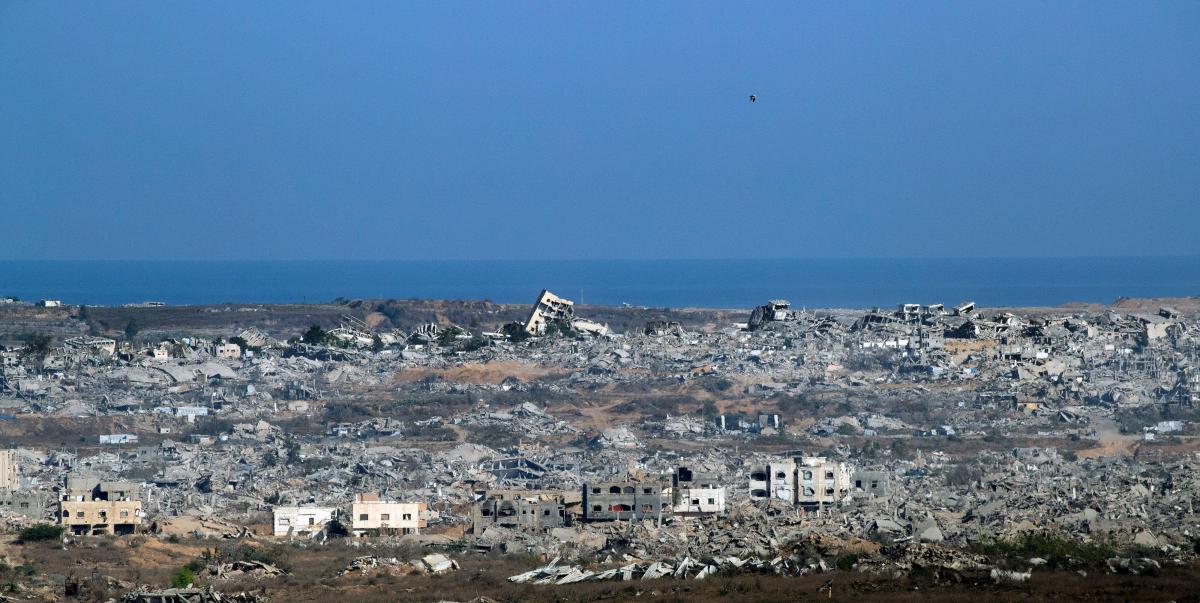
Beyond the unbearable loss of lives and the endless destruction of homes, another war is being waged in Gaza, one that’s quieter, but just as deadly. It’s a war against the land itself.

Fields once used to grow food have been burnt, wells and water pipes are poisoned, and the air is filled with smoke, dust, and toxins that lingers long after the bombs fall. What remains is not just rubble, but a landscape stripped of its ability to sustain life.

This destruction has a name: ecocide. It’s the deliberate killing of the environment, the tearing apart of the soil, the water, and the air that people depend on to survive.

In Gaza, ecocide means that even if the bombs were to stop tomorrow, families would still face hunger, thirst, and sickness because the very earth beneath them has been attacked.

Ecocide isn’t just a side effect of war, it’s used as a weapon, and its damage lasts long after the fighting ends, leaving the land and its people scarred for generations.

Water weaponised

UN experts expressed their concern about Israel’s water weaponisation:

Israel is using thirst as a weapon to kill Palestinians. Cutting off water and food is a silent but lethal bomb that kills mostly children and babies. The sight of infants dying in their mothers’ arms is unbearable. How can world leaders sleep while this suffering continues?

Water is at the heart of Gaza’s ecocide. Even before October 2023, access to clean water in Gaza has been systematically destroyed. Less than 3% of available water met safe standards before the war.

By mid-2024, 88% of Gaza’s water wells and all desalination plants had been destroyed or disabled. Reservoirs, pipelines, and pumping stations were deliberately stuck.

At least 1 million people in Gaza reported having less than six litres per person per day of water suitable for cooking and drinking. Before October 2023, the population in Gaza had access to the minimum recommended of 80-85 litres of water per person each day.

Children are queueing up for hours to fill a small jug, while hospitals report a surge in dehydration, diarrhoea, jaundice and water-borne diseases.

Between February and August 2024, a joint study by Newcastle University and the Palestinian Environmental NGOs Network uncovered alarming levels of contamination in Gaza’s soil and water. Their tests on landfill sites revealed both total and faecal coliform bacteria, clear evidence that untreated sewage and toxic runoff have seeped into the groundwater that people rely on.

A separate Water, Sanitation and Hygiene (WASH) survey painted an even grimmer picture: at least 87% of the population live within just ten metres of raw sewage or faecal waste. This daily exposure leaves communities facing not only grave health risks but also long-term damage to their already fragile environment.

The United Nations Environmental Programme (UNEP) has warned that Gaza’s coastal aquifer, the main source of groundwater, is on the brink of irreversible collapse. Salinisation and sewage infiltration have rendered much of the aquifer undrinkable, endangering not only human survival, but also agriculture. Water has been turned into a weapon of war.

For those who have endured relentless bombings, the suffering is made worse by a water crisis – many are forced to drink unsafe water, while others don’t have enough, said Paula Navarro, Medecins Sans Frontieres (MSF) water and sanitation coordinator.

Soil without life

More than 86% of Gaza’s agricultural land have been destroyed with only 1.5% accessible and not damaged.

Orchards of olive and citrus trees, tended by families for generations, have been bulldozed or burned. Irrigation wells have been bombed, leaving the soil either dry or poisoned.

For farmers, the devastation is not only material, but spiritual. For Palestinians, olive trees are passed down through generations, are a symbol of heritage, a connection to the land.

Scientists warn that contamination from white phosphorus, heavy metals, asbestos, and other hazardous materials have seeped into the soil, threatening future harvests and impacting food security.

UNEP reported that soil was significantly contaminated with total petroleum hydrocarbons (TPH) and aliphatic hydrocarbons, levels which surpassed the threshold requiring intervention.

A report in the American Journal of Public Health warns that crops grown in Gaza may carry harmful levels of toxicity for years, and possibly decades to come, raising deep concerns about the long-term safety of food supply and its impact on human health.

Air that kills

The air over Gaza is filled with toxins. Clouds of dust hang over neighbourhoods filled with asbestos, pulverised gas, and chemicals from explosives.

UNEP estimates that more than 39m tonnes of hazardous rubble fill the Strip. Breathing this dust carries risks of cancer, chronic illness that will impact survivors for decades to come.

Researchers have also measured the war’s invisible toll on the climate. In the first three months of the bombardment, greenhouse gas emissions exceeded the annual output of 26 countries, producing between 400,000 and 600,000 of CO2.

The study, led by Frederik Out-Larbi and colleagues, found that the first 60 days alone, 281,000 tonnes of CO2 were emitted, more than the yearly footprint of 20 nations.

Rebuilding Gaza, if it’s ever allowed, could itself generate more emissions than 135 entire countries produce in a year. This war has caused an environmental catastrophe with irreversible consequences to the region and beyond.

Debris, waste, sewage and disease

Waste has become another weapon. Bombing has destroyed 70% of sewage pumps and wastewater treatment plants. Untreated sewage now seeps into streets, farmland, and the sea.

Piles and piles of uncollected garbage attract disease-carrying insects. Medical waste, hazardous chemicals, and munition debris further poison the land, water, and the population of Gaza.

The result is an environmental and public health disaster. Outbreaks of diarrhoea 25 higher than before the war, a resurgence of polio, surging cases of scabies, lice, and respiratory infections. Disease, like hunger, is part of this environmental war.

Epidemics don’t respect borders and disease spreading from Gaza threatens the wider region and beyond.

The environmental catastrophe taking place in Gaza won’t disappear with a ceasefire. Aquifers poisoned with sewage can’t be stored overnight. Children will inhale asbestos fibres today may not show symptoms for decades. Fields covered with phosphorus may take generations to heal.

Ecocide as elimination

Human rights groups, environmental scientists, and UN agencies argue that Gaza’s environmental destruction isn’t a tragic accident.

Al Mezan Centre for Human Rights has documented how Israel’s military systematically targets environmental infrastructure: water pipelines, reservoirs, sewage plants. Their 2024 report calls it by its name: ecocide.

The logic is as cruel as it’s clear: destroy the environment and you destroy the conditions for life. Turn water into poison, farmland into ash, air into a weapon, and survival becomes impossible. International law recognises this.

The Genocide Convention lists the creation of living conditions intended to destroy an entire population as an act of genocide. In Gaza, ecocide and genocide are intertwined.

This is Gaza’s catastrophe, and unless named for what it truly is, a crime against the environment and humanity, it risks being forgotten beneath the rubble.

Breeding grounds for the next pandemic

Monica Piccinini

2 October 2025

Across the globe, zoonotic and vector-borne diseases (ZVBDs), illnesses that jump from animals to humans, either through direct contact or via carriers such as mosquitoes, have increased significantly over the past few decades, claiming millions of lives each year.

An estimated 75% of all newly emerging infectious diseases, along with more than 60% of all human pathogens, are spread from animals.

Mosquito-borne diseases alone put more than 80% of the global population at risk. Their spread threatens not only public health, but also the world economy.

Even before COVID-19 shut down economies and filled hospitals, emerging infectious diseases were costing the world over $1tn a year. The pandemic made those costs painfully visible, but did not create the problem, it exposed it.

Since 2003, outbreaks and pandemics have taken more than 15m lives and drained approximately $4tn from the global economy.

A study published in One Earth, a sustainability journal from Cell Press, warns that this crisis is no accident. Deforestation, climate change, and environmental degradation are creating the perfect storm for pathogens to thrive and spread.

The lead author of the study, Raquel L. Carvalho, warns about the risks in Europe associated with vector-borne diseases:

Europe is increasingly becoming a favourable environment for mosquito-borne diseases, as prolonged summers, elevated temperatures, and heavier rainfall create conditions in which mosquito populations can establish and spread in regions where they had previously been unable to survive.

Drivers

Since the 1940s, changes in how humans use land, cutting down forests, expanding agribusiness, and pushing deeper into wild areas, have been linked to more than one-third of all new infectious diseases.

Climate change is creating conditions where mosquitoes, ticks, and pathogens flourish. Rising temperatures extend mosquito breeding seasons and allow disease-carrying insects to spread into places where winters once kept them at bay.

Meanwhile, deforestation and land-use changes bring humans into closer contact with wild animals, increasing the odds of a spillover event. Poverty and weak healthcare systems magnify the danger, turning exposure into tragedy.

According to a study published in the International Journal of Emergency Medicine, climate change is also disrupting food production and supply, creating conditions that allow harmful microbes and toxins to thrive, while extreme weather and rising temperatures increase the risk of foodborne illnesses, such as Salmonella and E. coli.

Out of control

Recently, we’ve seen a sharp increase in the spread of diseases caused by parasites, viruses and bacteria, including dengue, Zika, chikungunya, Oropouche, malaria, Lyme disease, among others.

The spread of Oropouche fever, transmitted by the tiny Culicoides paraensis mosquito, popularly called maruim, is another alarming sign.

According to the Pan American Health Organisation (PAHO), in 2025, 12,786 confirmed Oropouche cases were reported in the Americas region, including over 11,888 cases in Brazil.

In Brazil, Oropouche outbreaks originated in the AMACRO region (deforestation hotspot named after the states of Amazonas, Acre, and Rondônia) and have already spread across the country to the state of Espírito Santo, with 6,322 recorded cases in 2025, and across the world.

The Amazon rainforest is considered one of the world’s largest reservoirs of zoonotic diseases. Many scientists have repeatedly cautioned that environmental disruptions are driving the rise of infectious diseases and have highlighted the imminent risk of a lethal pathogen originating from the region.

Joel Henrique Ellwanger, biologist and researcher at the department of genetics at the Federal University of Rio Grande do Sul (UFRGS), said:

Climate change will trigger important ecological changes in the Amazon, many of them with the potential to reduce its biodiversity, facilitating the spread of known disease vectors and increasing the chances of new diseases emerging.

The research

A study, conducted by Raquel L. Carvalho, professor at the University of São Paulo (USP), and her team, analysed 312 papers that addressed 39 different diseases in 79 countries. Much of this work focuses on the pathogens themselves or the insects and animals that transmit them. In contrast, far fewer studies consider who’s exposed or why some groups are more vulnerable once exposed.

Carvalho highlighted gaps in existing research:

Only 7.4% of the studies looked at the full picture: hazard, exposure, and vulnerability. Studying where mosquitoes live might show potential danger, but it doesn’t reveal who is most at risk, or why certain communities are more likely to fall ill.

Diseases like dengue fever, the West Nile virus, and leptospirosis thrive not only because mosquitoes and rodents are abundant, but also because people live in poor housing without proper sanitation, or because climate change drives mosquitoes into new regions.

If these human and environmental factors are ignored, predictions of where and when outbreaks will happen will always likely fail.

Most studies carried out come from the United States, China, and Europe, while tropical regions, where the risks of diseases are greatest, remain under-studied. Brazil and Kenya stand out as exceptions, but vast regions of Africa, South America, and Asia are left with little attention.

The places most likely to produce the next pandemic are also the least prepared to prevent it.

Building a better response

The researchers of the study explain that prevention requires a more complete picture of the risks, meaning the combination of ecological data with human and social realities.

Poverty, education, housing, and access to healthcare are as important as climate change and land use.

For example, in East Africa, malaria was mapped out more effectively when researchers combined mosquito data with measures of poverty and healthcare. In New York, Lyme disease predictions improved when scientists considered both tick abundance and human behaviour. Understanding hazard, exposure, and vulnerability together gives us tools for prevention.

Carvalho points out that tackling the threat won’t be easy, but insists that stronger monitoring and international cooperation are key:

It’s clear that there’s no obvious solution, but stronger surveillance systems, especially in disease hotspots, can act as an early-warning radar.

Cross-border scientific cooperation can ensure that no region is left behind. Additionally, the One Health approach, recognising that human, animal, and environmental health are interconnected, must guide every decision.

Communities living in poverty, the ones closest to the frontlines of environmental change, are the first to suffer. If we continue to ignore the full complexity of disease risk, we condemn these vulnerable populations to pay a high cost, while leaving the rest of the world exposed.

The COVID-19 pandemic taught us a lesson, showed us the cost of being unprepared. The next pandemic could be much worse, driven by climate extremes and ecological disruption.

The line between environmental neglect and human suffering is very thin. It shouldn’t be hard to understand that our health depends on the health of our planet, one protects the other.

Amazon burning: The road behind the smoke

Monica Piccinini

26 September 2025

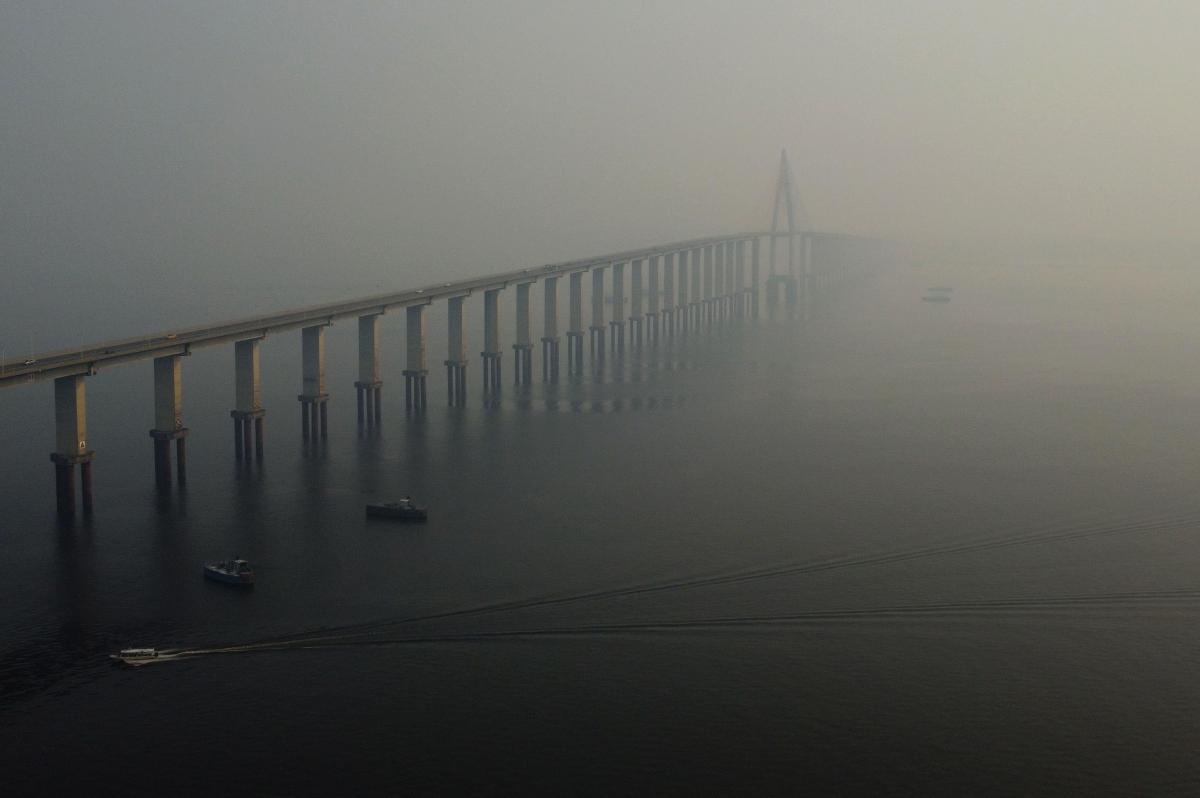
In October 2023, Manaus vanished behind a suffocating wall of smoke. The capital of Amazonas woke up to one of the worst air pollution crises the Amazon has ever seen.

The sky turned the colour of ash, more like a dystopian film set than the world’s largest tropical forest. The air grew so heavy and toxic that residents dug out their old COVID masks just to breathe.

For weeks, the population of Manaus, over two million people, endured a suffocating haze, with pollution so severe it matched, and at times exceeded, the levels of the world’s dirtiest megacities.

A disaster

The Amazon has always swung between wet and dry seasons, but in 2023, things aligned in the worst possible way. An El Niño in the Pacific collided with an Atlantic dipole, a pattern of warmer water in the north Atlantic and cooler water in the south. The result was a brutal drought priming the forest to burn.

Burning forests release smoke filled with microscopic particles (PM2.5), which act strangely in the atmosphere: instead of forming raindrops large enough to fall, they create tiny droplets that just hang there. In other words, smoke keeps rain from falling, drought drags on, and more fires ignite.

According to study published in the Discover Sustainability journal, on October 12, 2023, air quality monitors in Manaus registered PM2.5 levels of 314 micrograms a cubic metre (µg/m3), more than twenty times the World Health Organisation’s safety limit.

To put it into perspective, that number beat even Delhi’s infamous pollution peaks that year. For a city like Manaus, accustomed to relatively clean air, it was like being plunged into a health emergency overnight.

The smoke crisis in Manaus happened under President Luiz Inácio Lula da Silva’s government.

Health hazard

We often think of water and food as our most basic needs, but we take in far more air every day, about 14 kilograms of it, compared to just 2 kilograms of water and 1.5 kilograms of food. Every breath in Manaus during the crisis was filled with toxins.

The dangers of prolonged exposure to polluted air the population of Manaus were under, which can cut months, even years, off life expectancy. Doctors have long warned that breathing PM2.5 damages the lungs, strains the heart, and weakens the immune systems.

In the Amazon, the crisis landed hardest on children, the elderly, and people already living with fragile health. What should have been a season of heat and river breezes, turned into weeks of coughing, burning eyes, and the smell of ash.

Who lit the match?

At first, state officials, including the governor of Amazonas, Wilson Lima, and the state’s secretary of the environment, were quick to blame the neighbouring state of Pará as the source of fires, but the study and its data tell a different story.

The study revealed that satellite imagery, air quality sensors, and field inspections identified the southern area of Manaus, particularly the municipalities of Autazes, Careiro, and Manaquiri, located along the BR-319 and AM-254 highways, as the main sources of smoke emissions.

Vast areas of forest weren’t lost to accident; they were burned on purpose to make way for cattle pasture. After the fires, bulldozers moved in, water buffalo spread across the fresh clearings, and illegal side roads crept further into once-intact rainforest.

The lead author of the study, Lucas Ferrante, a researcher at the University of São Paulo (USP) and the Federal University of Amazonas (UFAM), mentioned:

This study shows that Brazil is heading in the opposite direction of its commitments for COP30, with millions of tons of emissions turning Manaus into a city under smoke. The forest is burning while public officials such as the governor of Amazonas, Wilson Lima, deflect attention away from the fires, even as they endorse laws that benefit those who use fire to clear land and illegally expand cattle ranching.

Fires weren’t just an unfortunate by-product of drought; they were tools in a land-grabbing playbook.

BR-319: the road that lights the fire

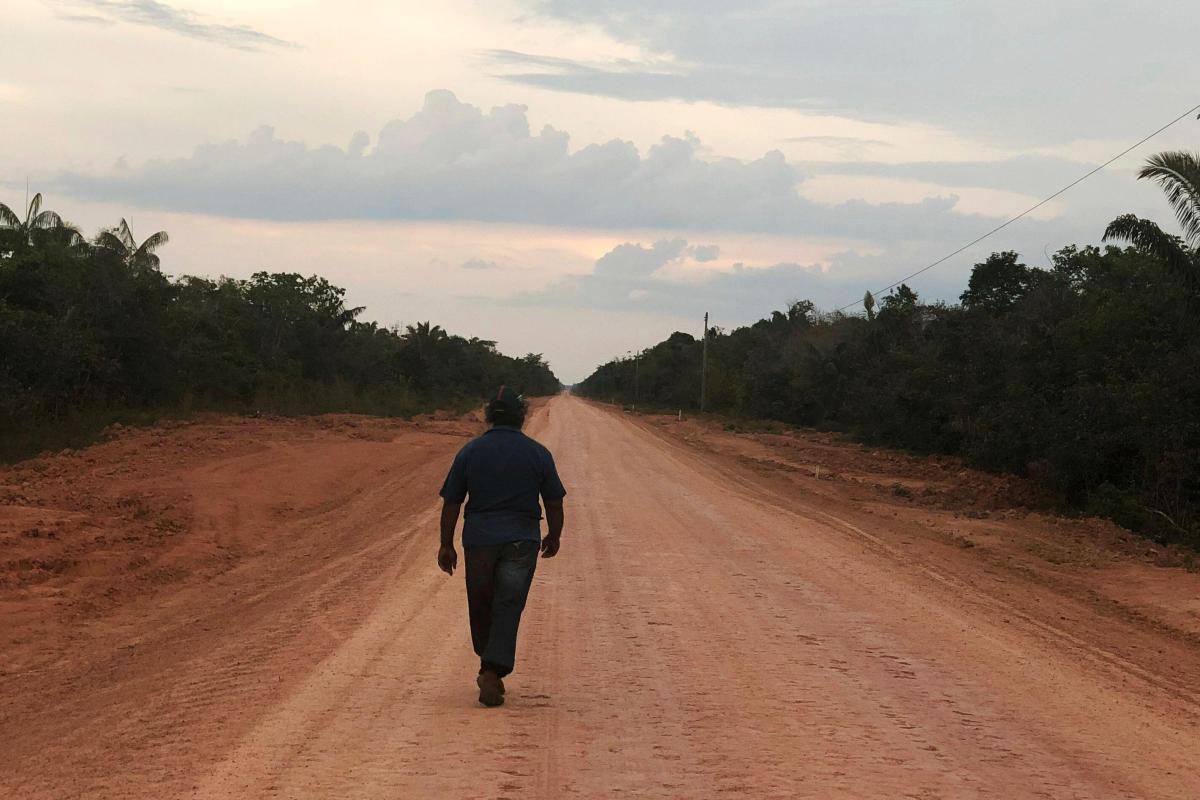
At the heart of the crisis lies the BR-319 highway, linking the capital of Amazonas, Manaus, to the capital of Rondônia, Porto Velho. 

First built in the 1970’s, abandoned in the 1980’s, the road is now at the heart of a heated debate: should it be rebuilt and paved?

Supporters call the reconstruction of the BR-319 highway development, but critics call it destruction.

Studies show that deforestation rates within 40km of the BR-319 are already more than double the Amazon average. The mere promise of reconstruction of the highway has triggered waves of illegal occupation.

If fully rebuilt, the BR-319 would connect Manaus, still surrounded by vast intact forest, to the “arc of deforestation” further south, dragging the chaos of frontier expansion straight to the heart of the central Amazon.

Supporters argue that paving the road is about development and connection, but the evidence suggests otherwise. More roads mean more illegal side roads, more land grabbing, more illicit activities, more fire, and more smoke choking cities like Manaus.

Ferrante highlighted the lack of coordination and accountability among different levels of government in addressing the issue. He stressed that the situation reveals deep contradictions in Brazil’s leadership on climate and infrastructure:

There is no effective command or control, and negligence is evident across municipal, state, and federal authorities. Right now, President Lula is paving ‘Lot C’ – a 52-kilometer section of the BR-319 highway – without environmental studies or licensing, a contradictory move for someone who presents himself as a climate leader.

The 2023 smoke crisis wasn’t an isolated event; it was a warning that what’s to come if this road is allowed to go ahead.

A governance failure

Beyond the weather patterns and the bulldozers, what really fuelled the smoke crisis was weak governance.

State and federal authorities failed to act quickly and effectively. Requests for federal help came late, long after the skies had turned toxic. Local agencies looked the other way and cattle ranchers carved up Indigenous lands. Instead of tackling the root cause, some leaders doubled down on roadbuilding and laws that make it easier to legalised deforestation after the fact.

For the people of Manaus, this went beyond politics, it was personal, a reminder that failures in policy ultimately reach the the very air they breathe.

Beyond Manaus

It’s easy to view Manaus’ smoke crisis as a purely local issue, but the Amazon is interconnected, and its problems resonate far beyond one city.

The forest generates moisture that flow south, the so called “flying rivers”, feeding crops, rivers, and water reservoirs across Brazil and beyond. Its role in stabilising climate is critical.

Burning and replacing the forest with pasture in the BR-319 region threatens all of that, risking tipping the central and western Amazon toward ecological collapse, accelerating biodiversity loss already driven by climate change. It also compromises the water and climate systems that millions of Brazilians, and the world, rely on.

A shift in mindset is required, away from the idea that roads equal progress, and toward a vision where the Amazon’s values lie in its standing forest, flowing rivers, and thriving communities.

A warning

The 2023 smoke crisis was a warning, an unforgettable sign of what happens when climate extremes, fire, and governance failures collide.

It showed that the reconstruction of the BR-319 highway isn’t just an infrastructure project, it’s an environmental gamble with stakes that include public health, biodiversity, and climate stability.

The people of Manaus, who lived under toxic skies, deserve better leadership and policies that protect their air, their health, and their future.

The Amazon, often called the lungs of the planet, but in 2023, those lungs wheezed. The question now is whether Brazil, and the world, will take the warning seriously, or whether we’ll allow the next crisis to arrive, heavier, darker, and harder to breathe through.

Amazon’s oxygen crisis used to support the BR-319 highway revival

Monica Piccinini

14 September 2025

The disastrous management of the coronavirus (Covid-19) pandemic by way of an oxygen crisis is now being used as an excuse to support the revival of highway BR-319.

In early 2021, as the second wave of COVID-19 pandemic ravaged the Brazilian city of Manaus, families watched their loved ones die, gasping for air.

Hospitals ran out of oxygen. The world saw heartbreaking scenes of people begging for help, and many asked: how could this happen?

In January 2021, a doctor working at Hospital Universitário Getúlio Vargas (HUGV-Ufam), who wished to remain anonymous, said

The current situation is chaotic throughout the city and the entire health service. My colleagues have said that in some emergency rooms the situation is simply surreal. They must choose who lives and who dies and deal with a terrible physical and emotional overload.

Manaus, the capital of Amazonas, became the face of a national failure to protect its citizens during a public health emergency. But even during this human catastrophe, a different kind of campaign was unfolding, one not about saving lives, but about paving roads.

Amazon’s BR-319 highway, an 885km abandoned military-era road cutting through the Amazon rainforest connecting Manaus and Porto Velho, was quickly pulled into political discourse.

Supporters, including members of Brazil’s conservative bloc, claimed that the oxygen crisis highlighted the critical need to rebuild the BR-319 highway to ensure that medical supplies could reach Manaus without delay during future emergencies.

However, studies and expert testimony reveal a far more troubling reality: the oxygen crisis has been used as pretext to advance an infrastructure project that could accelerate deforestation, degradation, weaken Indigenous land protections, and cause irreversible damage to one of the most biodiverse regions on Earth.

The real roots of the crisis

A 2023 study published in the Journal of Racial and Ethnic Health Disparities exposed the deeper causes behind the collapse of healthcare in Manaus.

The tragedy was not merely the result of an aggressive and highly contagious COVID-19 variant, it was a disaster long anticipated and driven by years of systemic neglect.

Federal and state governments disregarded epidemiological warnings and scientific evidence, failed to coordinate effectively, and perpetuated a long-standing pattern of underinvesting in the Amazon region’s fragile health infrastructure.

Notably, the absence of a road link via the BR-319 was not identified as a decisive factor. Instead, the study revealed a critical failure in logistical decision-making during the oxygen crisis.

Authorities opted to use the treacherous and nearly impassable BR-319 highway to transport life-saving oxygen, ignoring faster, more reliable options like the Madeira River or military aircraft.

This catastrophic choice, made by the minister of infrastructure under Tarcísio de Freitas, and the minister of health under Eduardo Pazuello, cost irreplaceable time and countless lives.

Even more damning, the Amazonas state government had been warned well in advance.

As early as six months before the crisis, researchers raised the alarm, four separate times, beginning with a technical report commissioned by the state’s public ministry.

By November 2020, officials were fully aware that oxygen supplies would fall dangerously short. Despite the lead time and the mounting evidence, they chose not to act.

This was not a crisis that took anyone by surprise, it was a catastrophe shaped by silence, denial, and a failure to protect the most vulnerable.

Lucas Ferrante, researcher at the University of São Paulo (USP) and the Federal University of Amazonas (UFAM), who had long warned the authorities of an approaching second wave of COVID-19, said:

The convergence of misinformation, political negligence, and escalating deforestation exposes how infrastructure projects in the Amazon are being driven by deceit, through fabricated narratives, data manipulation, and the deliberate distortion of public policy to advance anti-democratic and anti-Indigenous agendas.

This case also carries profound political weight: Tarcísio Freitas, a front-runner among the far-right candidates in the upcoming presidential elections, is directly implicated in this public health disaster, underscoring how state resources are being weaponised to serve narrow economic ambitions and ideological extremism.

Political opportunism

The political exploitation of this tragedy quickly became evident.

Jair Bolsonaro, Brazil’s far-right president at the time, along with his congressional allies, seized on the oxygen crisis as an opportunity, not to confront the public health failure, but to advance a long-standing agenda.

They framed the reconstruction of the BR-319 not as the ecological threat it truly is, but as a humanitarian necessity, portraying the highway as a lifeline rather than an ecological disaster it truly represents.

Despite urgent and well-documented warnings from the scientific community, many political and business leaders in the region continue to use the memory of the oxygen crisis as justification to push forward the BR-319 project.

Among the strong advocates of this argument is Senator Omar Aziz. On May 27, he posted on X:

The BR-319 is not just a road; it is the artery that should connect Amazonas and Roraima to the rest of Brazil. During the pandemic, we’ve experienced firsthand what it means to be isolated, without oxygen, without supplies, without help. It’s unacceptable that, due to bureaucracy and rhetoric so far removed from our reality, we remain hostage to abandonment.

Senator Plínio Valério has also repeatedly referred to the tragedy to support reconstruction. On May 30, he wrote on Instagram:

During the pandemic in 2021, trucks loaded with oxygen got stuck on unpaved stretches of the BR-319. Meanwhile, people died from lack of air in Manaus hospitals. This road is not a luxury. It’s a necessity. It’s the right to come and go.

Senator Eduardo Braga similarly used the oxygen crisis to reinforce the case for the BR-319. In February, he posted:

The BR-319 isn’t just a road; it’s a pathway to the development of our Amazonas state. I know well how essential this highway is to reduce the cost of living, strengthening our economy, and ensuring the safety and quality of life of our people.

During the pandemic, we witnessed the tragedy of the oxygen crisis. Trucks loaded with cylinders got stuck in the mud on the BR-319, while our people suffered and lives were lost.

More than a practical solution, the BR-319 has become a political tool, strongly supported by powerful figures, including the governor of Amazonas, Wilson Lima.

However, it’s the mayor of Manaus, David Almeida, who has actively invoked the oxygen crisis to defend the highway’s reconstruction.

But the dangers of the BR-319 are not abstract. Rebuilding the highway would cut through some of the most pristine regions of the Amazon, exposing vast areas to illegal logging, mining, land grabbing, organised crime, rampant deforestation and degradation. The resulting destruction would be both immediate and irreversible.

According to several articles, the BR-319 project would provide access to one of the largest zoonotic reservoirs on the planet, which may lead to public health crises much greater than that experienced in Manaus.

Scientists warn that the highway would open a dangerous front in the ongoing assault on the rainforest. It would fracture delicate and vital ecosystems and threat Indigenous and traditional communities who rely on the forest.

A call for integrity

The attempt to link the oxygen crisis with the BR-319 highway is a textbook example of a crisis being weaponised for political and economic gain. It reduces a multifaceted public health failure to a simplistic infrastructure problem, while ignoring the overwhelming scientific consensus about the environmental, social, health, and economic costs of the road.

Rather than investing in sustainable river transport and bolstering public health infrastructure across the Amazon, Brazil’s political elite has opted for a shortcut, one that paves the way not to resilience, but to ruin.

Manaus did not run out of oxygen because of the lack of a highway. It ran out because of political negligence, poor planning, and the failure to prioritise the lives of Amazonian people.

The BR-319 highway, far from being a solution, is a looming ecological disaster disguised as humanitarian aid.

To truly honour the memory of those who died gasping for breath, Brazil must resist the urge to pave over its mistakes with asphalt, and instead pursue policies rooted in science, sustainability, and respect for the Amazon’s irreplaceable role in our planet’s health.

Biotech’s brave new world

Monica Piccinini

30 August 2025

Biotechnology isn’t just something locked away in high-tech labs anymore, it’s starting to touch almost every part of our lives. From the food on our plates to the medicine in our cabinets, the fabrics we wear, and even the microbes that keep our water clean, it’s quietly shaping the world around us.

The progress is speeding up, too. Making DNA is way cheaper than it used to be, AI can dream up new ideas in hours, and small groups of researchers are pulling off things that used to take entire governments to achieve.

Of course, big power brings big responsibility. The same tools that can fight disease and help with global problems could, if misused or mishandled, unleash risks we’re only beginning to understand. Biotech is no longer just science; it’s a force that’s starting to rewrite what life looks like.

The upside

Synthetic biology, the engineering of living systems, has already delivered COVID-19 vaccines at record speed, new cancer therapies, and precision diagnostics. Beyond healthcare, engineered microbes are producing fragrances, materials, and even designer enzymes that break down plastics.

The UN’s Scientific Advisory Board stresses these benefits are real and scalable, provided countries invest in governance that keeps pace with innovation.

Industrial biotech is driving change too, like tweaking microbial methods that could potentially replace petrochemical processes with cleaner, lower-emission approaches.

Experts predict the economic impact of bio-based products will expand rapidly this decade as laboratory design cycles shrinks from years to just months.

The global biotechnology market is projected to reach around $3.44tn by 2030.

The downside

Powerful technology needs rules. A report published in the International Institute for Strategic Studies (IISS) warns of three major risks in modern biotech: bringing back dangerous viruses from published genetic sequences; making existing organisms more harmful; and creating microbes that produce deadly toxins.

These risks are growing as biotech becomes cheaper and more automated. According to the report, tools that were once limited to experts are spreading more widely, safety barriers are weakening, and regulations designed for older forms of biotechnology are struggling to keep up.

The danger isn’t just from intentional misuse. Even well-meaning experiments can go wrong.

For example, a microbe engineered to clean up oil spills could escape and start eating essential plants or animals instead. Or a genetic tool meant to wipe out malaria-carrying mosquitoes (gene drives) could disrupt entire ecosystems in ways we can’t predict.

In biology, control is never guaranteed: life adapts, mutates, and can slip past safeguards.

The most powerful nations are likely to capitalise on their strategic advantages to exploit emerging biotechnologies and the markets they create in pursuit of geopolitical objectives.

This dynamic is further complicated by intellectual property concerns, as control over patents and proprietary technologies can deepen global inequalities and limit access for less-advantaged countries.

Another concern is that genome editing, when applied to fertilised human embryos to address severe genetic disorders, could produce harmful effects, such as the activation of cancer genes or the inactivation of tumour-suppressor genes. Furthermore, there are worries that the broader use of gene editing could pave the way for eugenics.

The CRISPR-Cas9 system is the leading tool for gene editing. It directs the Cas9 enzyme to a precise DNA sequence, where it makes a cut, allowing scientists to fix mutations, add new genes, or turn off unwanted ones.

CRISPR pioneer, Jennifer Doudna, mentioned in her book, A Crack in Creation:

The power to control our species genetic future is awesome and terrifying. Deciding how to handle it may be the biggest challenge we have ever faced.

“Mirror life”: Building biology’s inverse

One of the most radical ideas in synthetic biology is “mirror life”, organisms built from the opposite versions of life’s usual building blocks. Instead of the left-handed amino acids that make up all known proteins, these organisms would use right-handed ones, creating a form of life that runs in reverse.

Scientists warn that such mirror organisms could slip past predators and even immune systems, and prove impossible to break down, posing serious danger to humans, animals, plants, and the environment, if they escaped into the wild, whether by accident or design.

Dr Kate Adamala, a synthetic biologist at the University of Minnesota, highlights the potential risks of mirror life:

The danger with mirror life is that it wouldn’t interact with the natural world the way other engineered organisms do. Normal synthetic cells can still be controlled by predators or viruses, but mirror cells would escape those checks and balances.

If these organisms interacted with normal molecules or spread through soil and food chains, the effects could be unpredictable and permanent.

That’s why many ethicists and policymakers are urging strict containment, or even a temporary ban, until society decides if it’s ready to experiment with an entirely new form of life.

Given the potential for mirror organisms to evade both immunity and existing treatments, Dr Adamala cautions that the technology could be deliberately weaponised, highlighting the need for strict safeguards:

Halting research now is the most effective way to prevent mirror life from being weaponised in the future.

We are still far from creating a mirror cell, achieving it would take a decade or more, require the coordinated effort of many experts, and depend on technologies that don’t yet exist. At present, it’s simply impossible for anyone to weaponise this technology.

Dr Adamala highlights a major victory in bioethics:

All key researchers capable of creating mirror life have agreed to halt their work. While there’s no international regulation or law enforcing this, the fact that no known actor with the expertise is moving forward is a remarkable achievement.

AI + Biotech

Artificial intelligence (AI) is making waves in biotechnology. Advanced AI systems, known as foundation models, can suggest new protein designs, fine-tune metabolic processes, and even guide people with limited lab experience through complex experiments.

For scientists, this is a game-changer, but it also raises new security concerns.

Experts warn that these AI-powered tools could make it easier for someone to create dangerous biological agents or bypass safety checks when ordering DNA online.

Security think tanks recommend measures such as mandatory DNA sequence screening, human oversight for sensitive orders, and rigorous testing of AI systems to prevent them from producing harmful outputs.

Meanwhile, researchers developing synthetic cells, from scratch rather than by modifying existing organisms, stress the importance of responsible practices.

They advocate for transparency, publishing safety measures alongside scientific advances, and designing experiments that prioritise safety, even before breakthrough discoveries are made.

Dr Adamala points out that AI can now help design proteins and run complex experiments, raising new questions about safety and misuse:

AI is speeding up experiments and could eventually lower the expertise needed in synthetic biology. Right now, harmful work still requires deep knowledge, but as AI develops, it may let less-experienced people perform complex experiments. That’s where the real risk lies, and safeguarding efforts will need to keep pace.

Safeguards might not be enough

Scientists have proposed a range of safeguards to make biotechnology safer, but it’s far from risk-free.

Their proposed safeguards fall into four main areas: checking DNA orders so dangerous genes don’t reach labs, designing organisms with “kill switches” that make them die outside controlled settings, testing new organisms carefully, first in labs, then in small outdoor trials, before any broader release, and setting up training and reporting systems to catch accidents early.

These measures are important, but none can guarantee safety.

DNA checks can miss cleverly modified sequences. Kill switches can fail. Lab tests and small trials can’t predict every real-world outcome. And human error, whether from oversight, cost-cutting, or simple mistakes, remains the most unpredictable factor of all.

Experts warn that the risks go beyond accidents. A malicious actor doesn’t need to create a superbug from scratch; they could exploit gaps in DNA screening or release a partially tested organism.

Even without ill intent, the race to commercialise new biotech can tempt startups to downplay risks, while governments often struggle to keep up with rapid innovation.

The potential consequences are huge: released organisms could disrupt ecosystems, public trust in biotech could crumble, and engineered pathogens could even spark global instability.

Unlike chemical or nuclear hazards, biological threats can spread, evolve, and multiply meaning a single misstep could have far-reaching effects for generations.

Is the juice worth the squeeze?

The breakthroughs promised by biotechnology are real, including faster vaccines and cleaner industries. These could help address some of the greatest challenges of our century.

But the risks are equally real, and they do not stop at borders.

An engineered pathogen released in one country can spread globally in weeks. A poorly tested organism introduced into one ecosystem can ripple across continents.

That is why many experts caution that the question is not whether biotech’s “juice” is worth the squeeze, but whether the world is prepared to squeeze responsibly.

National laws and voluntary guidelines are not enough in a field where DNA can be ordered online, and experiments can be done in almost any laboratory.

What’s missing is a robust international regulatory framework: international rules for DNA screening, common standards for biosafety, rapid reporting channels for accidents, and enforcement mechanisms strong enough to stop reckless or malicious use.

Without this kind of shared oversight, the positives of biotechnology could be overshadowed by the first major failure, whether through accident, negligence, or intent.

On the challenges of global oversight in mirror life research, Dr Adamala observes:

There is currently no enforceable international framework for biological safeguards of mirror life research. The Biological Weapons Convention (BWC) is limited, and given the current political climate, I believe state-level efforts are more practical than pursuing broad international treaties.

Safety in the “bio age

Biotechnology is no longer just something that happens in labs. It’s shaping how we grow food, treat diseases, and run industries. Many people are excited about its potential to fight hunger, cure illnesses, and make our systems stronger and more reliable.

But others are more cautious. Changing life at such a basic level brings risks we can’t always predict, no matter how many rules we set. The same tools that offer big breakthroughs, like genetic engineering, also raise serious concerns.

As biotechnology moves forward, the challenges aren’t just about science anymore. They’re about choices and ethics. In the end, what matters most may not be how far we can push the science, but how wisely we decide to use it.

COP30: Brazil’s bioeconomy – Hope or hype?

Monica Piccinini

12 August 2025

The upcoming UN climate conference, COP30, scheduled for November in Belém, presents a strategic platform for Brazil to position the bioeconomy as a central pillar in its climate agenda.

The bioeconomy is an approach often promoted as both a solution to the environmental crisis and a catalyst for inclusive development. However, growing scrutiny surrounds this narrative.

Critics question whether the bioeconomy will truly prioritise ecological integrity and social equity, or if it risks becoming yet another extractive, market-oriented framework repackaged in green rhetoric, serving private interests while sidelining genuine environmental and societal transformation.

Brazil defines its national bioeconomy strategy as a model of productive and economic development based on justice, ethics, and inclusion, which uses natural resources in a sustainable, regenerative, and conservationist manner, integrating scientific and traditional knowledge to generate goods, services, and socioeconomic benefits.

In his address at the BRICS Business Forum opening in Rio de Janeiro on 5 July, Brazil’s president Lula said:

Our countries can lead a new development model based on sustainable agriculture, green industry, resilient infrastructure, and the bioeconomy.

According to the World Business Council for Sustainable Development (WBCSD), the bioeconomy is projected to generate over $7.7 trillion globally by 2030.

Brazil’s bioeconomy is set to open new markets across a wide range of sectors, from forest-based products and expanded biofuel production to innovative financial mechanisms such as nature credits, green bonds, Eco Invest Brasil, Fundo Clima, carbon offset programmes. Strategic investment initiatives like the Brazil Climate and Ecological Transformation Investment Platform (BIP) are also central to this growth.

The bioeconomy also encompasses biotechnology, strategic minerals, the restoration and sustainable management of natural vegetation, agricultural bio-inputs, waste management, regenerative farming, tourism, fishery, and other emerging industries.

Major Investments

In July 2025, the Inter-American Development Bank (IDB) approved a $1 billion loan to back Brazil’s ambitious policy reforms as part of its ecological transformation plan.

Central to this effort is Eco Invest Brasil, a partnership between the IDB and the Brazilian government. Eco Invest aims to mobilise around $10.8 billion in resources by 2027, with the majority coming from the private sector.

Eco Invest, though presented as a sustainability-focused initiative, has raised concerns among civil society groups and environmental observers.

Critics point to recent regulatory changes that may weaken environmental oversight and reduce protections for Indigenous and traditional communities, particularly if projects proceed without robust consultation or safeguards.

There are also warnings about potential risks related to land use, carbon markets, and the need for stronger governance to ensure the initiative aligns with environmental and human rights standards.

A Concept Lacking Clarity

A 2023 paper published in Ecological Economics warns that the ambiguity surrounding the bioeconomy concept poses serious risks to both the Amazon’s ecosystems and its communities.

Across the globe, a wide range of actors, from NGOs and government bodies at every level to private corporations, are promoting the bioeconomy as a path forward.

Yet, beneath this promise lies a risk: the push for biofuel monocultures like soybean and palm oil plantations, which carry serious socio-environmental consequences.

In Brazil, the widespread use of feedstocks such as sugarcane, palm oil, corn, and soybean spark intense debate. These crops, often presented as green alternatives, compete directly with food production and drive the alarming conversion of vital agricultural land into fuel production zones.

Take açaí, for example, the Amazon’s flagship bioeconomy product, valued at over $1 billion (IBGE, 2023). While its market is considered a success, the rapid expansion of açaí cultivation has come at a heavy cost: accelerating biodiversity loss and increasing social vulnerabilities within local communities.

Most profoundly, the article warns that the very framework of the bioeconomy, as currently designed, falls short in its ability to truly protect the Amazon and other richly biodiverse, socio-ecological landscapes.

Without urgent clarity and a committed, holistic approach, the promise of the bioeconomy risks becoming a threat to the land and people it aims to serve.

The term bioeconomy is increasingly used to describe a wide range of land-use practices, but a study published in the Forest Policy and Economics journal highlights the dangers of grouping together two fundamentally opposing models: industrial plantation economies and community-based sociobiodiverse systems.

While the former prioritises large-scale monocultures like soy and eucalyptus, often at the expense of ecosystems and traditional communities, the latter supports biodiversity, local livelihoods, and sustainable forest use.

The authors argue that merging these approaches under a single term obscure critical social and environmental conflicts and call for clearer policy distinctions to support truly sustainable, biodiversity-driven economies.

Additionally, the study also raises concerns about the Amazônia 4.0 project for promoting a high-tech, market-driven “bioeconomy” in the Amazon that risks reproducing capitalist, extractivist, and colonial dynamics under a sustainability guise.

While presented to harness biodiversity for local development, the authors argue it frames Indigenous and agroforestry practices within the same economic logic as large-scale monocultures, invites massive capital and infrastructure into sensitive forest areas, and overlooks power inequalities, social conflicts, and the potential erosion of Indigenous cosmologies and autonomy.

The lead author of the study, Ossi I. Ollinaho, lecturer at the global development studies of the University of Helsinki, said:

The extension of this concept [of bioeconomy] to the Amazon and similar high sociobiodiversity contexts carries the inherent risk of it ending up being pulped and sold for profit.

Institutional Structure

Brazil’s National Bioeconomy Commission (CNBio) was established as the governing body for the country’s national bioeconomy strategy, officially launched by the federal government under decree 12.044 on 5 June 2024. The commission’s primary role is to define the strategic pillars that will shape Brazil’s bioeconomy development plan (PNDBio).

CNBio consists of 34 members, evenly split between representatives from the federal government and civil society. The latter group includes stakeholders from the private sector, academia, financial institutions, environmental NGOs, Indigenous peoples, traditional communities, and family farmers.

To advance its mission, CNBio formed three specialised working groups via resolution CNBio 02/2025. The first group focuses on bioindustry and biomanufacturing, the second addresses biomass, and the third concentrates on terrestrial and aquatic ecosystems as well as sociobioeconomy, with particular emphasis on the forest economy, fishing, tourism, and sociobiodiversity.

Mapping the Opportunity and the Risks

Brazil ranks as the world’s most biodiverse country, hosting up to 20% of the world’s species (9,000 species of vertebrates and 42,000 of plants), across six distinct biomes (the Amazon rainforest, Cerrado, Atlantic Forest, Caatinga, Pampas, and the Pantanal).

The Legal Amazon covers nearly 60% of Brazil’s territory and comprises nine states: Pará, Amazonas, Amapá, Roraima, Rondônia, Acre, Tocantins, Mato Grosso, and Maranhão. (IBGE, 2023-a).

As the world struggles with climate change and shrinking resources, all eyes are on Brazil, not just for its biodiversity, but for what can be extracted from it. For some, this is less about environmental stewardship and more about turning nature into profit.

Brazil now faces a critical question: will this moment serve the planet and its people, or just open the door to a new wave of exploitation dressed in green?

In 2023, the United Nations Development Programme (UNDP) teamed up with Brazil’s Ministry of Trade and Services to launch a new initiative called the Amazon Bioeconomy Business Mapping study.

The goal? To explore business opportunities in the Amazon based on the idea of building an economy that works with nature, not against it.

The study looked at several sectors. It found big potential in forest products, both timber (PFM) and non-timber (PFNM).

There’s particular interest in timber extraction, which has been legally regulated under “sustainable” forest management practices since 1965. The report suggests that there’s still plenty of room to expand this type of activity using native Amazon species.

Fishing and aquaculture are also in the spotlight. Native fish like the pirarucu (Arapaima gigas) and tambaqui (Colossoma macropomum) are being eyed for commercial expansion.

In fact, Brazil created the Genomic Editing Centre for Aquaculture Fish (CNPASA) in 2023, and by 2024, Embrapa (Brazilian Agricultural Research Corporation) had already produced the first genetically modified tambaquis.

Scientists are now working to develop tambaquis without intermuscular bones, and they’re also experimenting with genetically edited tilapia designed to grow faster and produce more meat by turning off the gene responsible for regulating muscle growth. The goal? Scale up production and get these fish on more dinner tables both in Brazil and abroad.

Tourism in Brazil’s conservation areas (UCs) was highlighted in the study as a potential tool for protecting forests within the broader bioeconomy.

While the study points to strong opportunities in this sector, it doesn’t seem to fully consider the possible social and environmental impacts that could come with expanding tourism in these protected areas.

Brazil is clearly standing at a crossroads. On one side, there’s an opportunity to lead the way in sustainable development. On the other, there’s a risk of repeating old mistakes, exploiting nature for short-term gain while calling it something new. The world is watching to see which path the country will choose.

Global Spotlight and G20 Leadership

At the G20 summit held in Brazil last November, discussions around bioeconomy policies and strategies took centre stage. Brazil used the occasion to launch the Global Bioeconomy Initiative (GIB), laying out 10 high-level principles aimed at guiding the development of bioeconomy efforts both nationally and globally.

According to the G20 executive summary titled Pathways to a Sustainable Bioeconomy, Brazil’s bioeconomy covers a wide range of sectors: industrial biomanufacturing and biotechnology, agrifood systems and agriculture, bioenergy and biofuels, ecosystem restoration and regeneration, and sociobioeconomy value chains rooted in local communities.

Despite its potential, the summary points out several challenges. Access to international markets for sociobioeconomy products remains limited.

There’s also a lack of financing tools and incentives to support growth in the sector, alongside serious gaps in processing facilities and transport infrastructure.

The push to grow the bioeconomy, especially in the Amazon, brings with it a wave of difficult questions.

While the development of this sector will require major infrastructure investments, such as new roads, power grids, transport, facilities, these changes also carry serious environmental and social risks.

Expanding infrastructure to support the bioeconomy could lead to faster urbanisation and rising pollution in one of the most ecologically sensitive areas on Earth.

Studies have shown that projects like the reconstruction of the BR-319 highway, a key piece of the region’s bioeconomy development, often go hand in hand with deforestation, habitat loss, and increased pressure on Indigenous and traditional communities.

As Brazil moves forward with its plans, striking the right balance between economic opportunity, environmental protection, and social justice remains one of the country’s biggest challenges.

The Biofuels Dilemma

Bioenergy and biofuels are central to Brazil’s climate strategy. But rising mandates for ethanol and biodiesel are driving relentless expansion of sugarcane, soy, corn, and palm oil, of then at the expense of food systems and ecosystems.

Jorge Ernesto Rodriguez Morales, lecturer and researcher in environmental policy and climate change governance at the Department of Economic History and International Relations at Stockholm University, explained:

Like food production, ethanol requires land, water, and nutrients, meaning that a large-scale expansion could intensify the negative side effects of agricultural growth.

Positioning bioenergy as a climate strategy has effectively justified broader policies supporting the biofuel industry and contributed to the greenwashing of Brazil’s climate policy on the international stage. Several countries have mirrored Brazil’s approach, adopting bioenergy into their climate agendas in response.

Green Finance or Green Mask?

The Brazilian Sustainable Taxonomy (TSB) represents an effort by the government to align financial flows with environmental and social objectives.

Positioned as a key instrument in the fight against the climate crisis, it seeks to identify economic activities that align with environmental and social sustainability.

However, its initial focus on a small group of commodities, including soy, corn, cattle, coffee, cocoa, eucalyptus, pirarucu, tilapia and tambaqui, has prompted discussion about whether the selection reflects environmental priorities or prevailing economic interests.

There is concern that, without clearly defined and rigorous criteria, the taxonomy could inadvertently support existing practices rather than driving meaningful change.

This raises a broader concern: amid a global climate emergency, it is essential that sustainability frameworks remain robust and grounded in tangible outcomes.

If sustainability is defined more by procedural formalities than by real environmental results, there is a risk that the taxonomy could be perceived as allowing surface-level compliance rather than driving genuine transformation.

Additionally, given the significant involvement of major economic sectors in shaping the taxonomy, questions have emerged around how to ensure transparency and guard against unintended influences that might weaken its environmental credibility.

Crossroads at COP30

As COP30 approaches, Brazil faces a defining moment. The bioeconomy could become a powerful engine for justice and regeneration, or it could repeat the old story, where corporations profit from nature while the communities who protect it are sidelined.

If driven by financial interests alone, the Amazon risks becoming just another asset on a balance sheet, and sustainability reduced to a convenient label. This is not innovation, it’s business as usual in a green disguise.

But Brazil can choose another way. With its deep cultural knowledge, grassroots leadership, and global influence, the country has the power to shape a bioeconomy that puts people and ecosystems first.

COP30 offers a critical platform to shift the narrative, from one of extraction and exclusion to one of inclusion and respect. This is Brazil’s moment to lead with purpose and prove that a just, sustainable future is not only necessary, but possible.

The BR-319 threatens the Amazon in the name of ‘progress’ and politics

Monica Piccinini

19 July 2025

On 15 July, Brazil’s environment minister, Marina Silva, and transport minister, Renan Filho, formally announced and signed an agreement outlining plans to reconstruct the controversial BR-319 highway.

On the surface, this appears to be a calculated strategy with promises of environmental assessments and governance structures, but beneath the political rhetoric lies a dark, irreversible truth: BR-319 may be the final blow that drives the Amazon to the brink of collapse.

The path of destruction

The BR-319 is an 885km stretch of road cutting through one of the last untouched areas of the Amazon rainforest. Connecting Manaus to Porto Velho, it cuts through pristine rainforest, Indigenous lands, and vital biodiversity.

Originally built under Brazil’s military dictatorship in the 1970s, it was abandoned in 1988 for being economically and environmentally unviable. But like a ghost from the past, BR-319 keeps returning, this time with far more dangerous implications.

Governments have tried to revive the highway for decades. Yet every credible environmental study confirms that paving BR-319 would open a Pandora’s box of illegal roads, deforestation, degradation, land grabbing, and violent occupation.

Lucas Ferrante, researcher at the University of São Paulo (USP) and the Federal University of Amazonas (UFAM), highlighted the alarming consequences of Brazil’s current environmental policies and the lack of effective safeguards. He emphasised the global implications of these decisions and their impact on the Amazon region:

The country is systematically ignoring warnings from the scientific community, despite clear evidence published in leading journals such as Science, Nature, and The Lancet. This is a deliberate decision that threatens all nations across the globe.

In this context, Brazil is left without any effective environmental safeguards, and the BR-319 highway has become a route for the expansion of deforestation, land grabbing, illegal cattle ranching, organised crime, and oil extraction in the Amazon.

Governance: A dangerous illusion

The government claims it will establish a governance model to monitor the region. However, even Brazil’s military police have declared any governance scenario unachievable and unrealistic. Given the vast and challenging terrain, no oversight body has the resources, reach, or capacity to contain the chaos the BR-319 would unleash.

Today, more than 6,000km of illegal side roads already crisscross the region, forming a devastating fishbone pattern that grants unprecedented access to miners, loggers, land grabbers and organised crime. BR-319 would not just be a road, it would become an artery of destruction, feeding a vast, uncontrolled deforestation machine.

A death sentence for the rainforest

BR-319 would connect the central Amazon to the AMACRO region, a deforestation hotspot named after the states of Amazonas, Acre, and Rondônia. Its reconstruction would bring catastrophic consequences, destroying biodiversity by opening one of the richest ecosystems on Earth to exploitation.

It would intensify climate change by releasing vast amounts of stored carbon. It would fuel illegal mining and logging, undermining the rule of law. It would invade Indigenous territories, violate their rights and put their lives at risk. And it would create a fertile ground for organised crime to flourish.

The damage would not be limited to the forest. The “flying rivers”, massive air currents that transport moisture from the Amazon to southern Brazil, would be disrupted. These flying rivers are essential to rainfall patterns. Without them, major cities and agricultural regions will experience crippling droughts.

Over 70% of the rainfall that sustains São Paulo’s Cantareira water system originates from the Amazon. If BR-319 moves forward, the water security of Brazil’s largest city could be at risk, leading to direct consequences for agriculture and potentially causing a collapse across the country’s economic sectors.

The human cost: Disease and displacement

The consequences of the BR-319 would also be measured in human lives. By destroying forest ecosystems and pushing deeper into wildlife habitats, this project creates perfect conditions for new zoonotic diseases to emerge, and increasing the risk of another global pandemic. Malaria cases in the region have already increased by 400%.

The spread of Oropouche fever, transmitted by the tiny Culicoides paraense mosquito, known locally as maruim, has been another alarming sign. Between 2022 and 2024, more than 6,000 cases of Oropouche fever were recorded. These outbreaks originated in the AMACRO region have already spread across Brazil to the state of Espírito Santo, to other countries in South America, and the Caribbean.

According to the UK government, several travel-associated Oropouche cases have been reported in the US, Europe and the UK.

Ferrante warns about the severe biosecurity risks associated with ongoing environmental destruction in the Amazon:

Deforestation and environmental degradation are already encroaching upon sensitive areas that safeguard unique zoonotic reservoirs. The Oropouche virus lineage now reaching Europe originates from this region. Nevertheless, the Brazilian government is opening a true Pandora’s box of new viruses, bacteria, and other pathogens. The consequences for global biosecurity will be catastrophic.

If BR-319 goes forward, the health crisis will deepen. The Amazon will become a breeding ground for future pandemics, and Brazil will bear the cost of a preventable catastrophe.

Who really benefits?

The benefits of BR-319 won’t go to the Indigenous people, whose lands and lives it threatens. There are 69 Indigenous territories and 18,000 Indigenous people along the path of the highway. None of them have been properly consulted, despite protections under ILO Convention 169 and Brazilian law.

Instead, the primary beneficiaries will be oil and gas giants like Petrobras and Rosneft (Russian), mining companies such as Potássio do Brasil (Canadian), and agribusiness conglomerates like JBS.

Legal and illegal mining operations will expand. Livestock farming, which is already responsible for at least 88% of deforestation in the Amazon, will be supercharged. The result will be more forests cleared, more carbon in the atmosphere, and more violence on the ground.

The highway will also strengthen the grip of organised crime. Land grabbing and illegal deforestation are already closely tied to criminal networks in the region. BR-319 would create a corridor of exploitation and conflict.

The bioeconomy mirage

Some argue that the BR-319 is essential for developing Brazil’s so-called “bioeconomy”. According to the World Business Council for Sustainable Development (WBCSD), the bioeconomy is projected to generate over $7.7 trillion globally by 2030. This concept, however, remains poorly defined and deeply controversial.

With COP30 on the horizon, Brazil is pushing this narrative hard. But what is being sold as a sustainable alternative may just be a new form of extraction.

Under the banner of the bioeconomy, projects include carbon credits, biofuels, timber and non-timber forest products, fishing, biotechnology, tourism, and even virtual platforms.

A bill has been proposed to create a bioeconomy free trade zone (FTZ) in Belém, the host city for COP30. It offers tax incentives, deregulation, and trade privileges. The beneficiaries, once again, will be corporations and elites.

Far from being a solution, the bioeconomy risks becoming another vehicle for greenwashing destruction in the Amazon.

Devastation by law

Underlying all this devastation is legislation designed to dismantle Brazil’s environmental protections. Bill 2159/21, known as the “Devastation Bill”, allows companies to self-license their projects without any environmental impact assessment. A simple online form is all it takes.

Backed by the powerful “ruralista” bloc, large landowners and agribusiness interests, this bill paves the way for unregulated expansion in oil and gas, mining, agribusiness, and infrastructure, including the BR-319.

On 17 July, Brazil’s chamber of deputies approved the Devastation Bill, which now awaits president Lula’s approval. This marks a significant blow to Brazil’s efforts on environmental justice and climate commitments.

Another law, 14.701/2023 (previously PL490), known as the “marco temporal”, redefines Indigenous land rights. It states that Indigenous communities can only claim land if they were in possession of it on October 5, 1988, the day the Brazilian constitution was enacted.

Ferrante said:

Brazil is experiencing the greatest environmental vulnerability in its history. This decision aligns with the approval of bill 2159/2021, which eliminates environmental licensing for this type of project, and with the advancement of the so-called ‘timeframe thesis’, which invalidates the recognition of Indigenous lands demarcated after 1988.”

This cruel logic ignores centuries of displacement and paves the way for violent evictions, granting military police the authority to remove Indigenous people from their own ancestral lands.

What future do we choose?

The BR-319 is more than just a highway; it’s a symbol of a dangerous choice. It forces us to decide between two futures: one where we protect the Amazon, respect Indigenous rights, and chart a sustainable path forward; and another where we sacrifice it all for short-term profits, political gain, and corporate greed.

The Brazilian government must make a real technical decision, one grounded in science, not politics, because once the BR-319 is paved, there will be no turning back. If we lose the Amazon, we lose the climate, we lose biodiversity, and we lose our collective future.

We must ask: Is the destruction of the planet worth a few more kilometres of road? Is this the legacy we want to leave behind to the next generations?

Toxic Dependency: Fossil Fuels Undermine Food Security, Experts Warn

Monica Piccinini

7 July 2025

Despite consuming 40% of all petrochemicals and 15% of the world’s fossil fuel, global food systems remain largely absent from global climate discussions. This oversight obscures a critical reality: without rethinking how we produce, process, and consume food, meaningful progress on climate goals will remain out of reach.

As oil prices increase in the wake of escalating global conflicts, a new report from the International Panel of Experts on Sustainable Food Systems (IPES-Food) delivers a stark warning: the world’s food systems are dangerously dependent on fossil fuels, and this addiction is driving both climate chaos and food insecurity.

The report, Fuel to Fork: What will it take to get fossil fuels out of our food systems?, reveals that food systems have become Big Oil’s next big target. A staggering 40% of global petrochemicals and 15% of all fossil fuels are now funnelled into agriculture and food supply chains through synthetic fertilisers, pesticides, plastic packaging, ultra-processed foods, cold storage, and transport.

“Fossil fuels are, disturbingly, the lifeblood of the food industry,” says Errol Schweizer, IPES-Food expert. “From chemical fertilisers to ultra-processed junk food, to plastic packaging, every step is fossil-fuel based. The industrial food system consumes 40% of petrochemicals – it is now Big Oil’s key growth frontier. Yet somehow it stays off the climate radar.”

For years, the climate impact of our food systems has been clear, and today, it can no longer be overlooked. Food production now contributes nearly one-third of global greenhouse gas emissions, with agriculture and land-use change driving much of the damage. Forests are cleared for cattle, and vast areas are transformed into chemically intensive, resource-heavy crop systems.

Global Conflicts Driving Food Prices Up

With Israel-Iran tensions pushing oil prices higher, the knock-on effects on food are becoming more acute. Food and energy markets are deeply linked, the report emphasises, and when oil prices spike, food prices quickly follow, worsening hunger and economic instability worldwide.

IPES-Food expert, Raj Patel, warns:

Tethering food to fossil fuels means tying dinner plates to oil rigs and conflict zones. When oil prices rise, so does hunger – that’s the peril of a food system addicted to fossil fuels. Delinking food from fossil fuels has never been more critical to stabilise food prices and ensure people can access food.

The Invisible Engine of Big Oil’s Expansion

Global subsidies for coal, oil, and gas, both direct and hidden, have surged to a staggering $7 trillion, equivalent to 7.1% of the world’s GDP. This massive sum surpasses total annual government spending on education and amounts to nearly two-thirds of global healthcare expenditures.

In 2024 alone, $2 trillion was funnelled directly into fossil fuel industries, while and additional $5 trillion represents the devastating societal costs, from toxic air pollution to oil spills and widespread environmental destruction.

At the same time, nearly 90% of the $540 billion in annual agriculture subsidies is driving harm, to both people and the planet. These funds overwhelmingly support chemical-intensive commodity crop production, entrenching destructive practices. Most of this money flow through price protections and input-linked payments, locking farmers into unsustainable systems that degrade ecosystems, threaten health, and undermine long-term food security.

Fossil Fuels in Every Bite: How Pesticides and Plastics Feed Big Oil

As industries around the world start the slow shift toward decarbonisation, the global food system is quietly doing the opposite, pushing fossil fuel demand even higher. Major food corporations routinely deploy aggressive tactics to undermine or obstruct public health and environmental policies, replicating the same playbook fossil fuel giants have used for decades to stall climate progress.

According to the report, nearly all synthetic fertilisers and pesticides, an astonishing 99%, are made from fossil fuels. Fertiliser production alone eats up a third of the world’s petrochemicals, making agriculture a major profit driver for oil and gas companies.

Global pesticide use continues to grow, having risen by 13% over the past decade, and doubling since 1990, particularly in countries like China, the United States, Brazil, Thailand, and Argentina. China stands out as the world’s largest pesticide producer, responsible for one-third of global output.

Pesticides have emerged as one of the leading global drivers of biodiversity loss. Their toll on human health is just as alarming: every year, over 385 million people suffer from unintentional pesticide poisonings, resulting in 11,000 deaths and impacting nearly 44% of the world’s farming population.

Moreover, the extensive use of plastics, over 10% of global plastic production for food and beverage packaging, and an additional 3.5% for agriculture, reveals a stark reality: the food system is a powerful but overlooked driver of Big Oil’s continued growth.

Yet, despite this heavy footprint, food systems are still largely ignored in national climate strategies and global negotiations, a dangerous blind spot that experts warn can no longer be overlooked.

Tech Fixes Are a False Solution

The report is highly critical of so-called “climate-smart” innovations such as “blue” ammonia fertilisers, synthetic biology, and high-tech digital agriculture. These approaches, the authors argue, are energy-intensive, costly, and risk locking in fossil fuel use and agrochemicals under the guise of climate progress.

Molly Anderson, IPES-Food expert, mentioned:

From farm to fork, we need bold action to redesign food and farming, and sever the ties to oil, gas, and coal. As COP30 approaches, the world must finally face up to this fossil fuel blind spot.

Food systems are the major driver of oil expansion – but also a major opportunity for climate action. That starts by phasing out harmful chemicals in agriculture and investing in agroecological farming and local food supply chains – not doubling down on corporate-led tech fixes that delay real change.

A Clear Path Forward

There is hope, and there are already alternatives. Agroecology, Indigenous foodways, regenerative farming, and local supply chains offer viable, fossil-free models for nourishing people and the planet.

Georgina Catacora-Vargas, IPES-Food expert, said:

Fossil fuel-free food systems are not only possible – they already exist, as the world’s Indigenous people teach us. By shifting from ultra-processed diets to locally sourced, diverse foods; by helping farmers step off the chemical treadmill and rebuild biological relationships; by redignifying peasant farming and care work – we can feed the world without fossil fuels.

With COP30 in Brazil on the horizon, IPES-Food is calling on governments to phase out fossil fuel and agrochemical subsidies, cut fossil fuels from food systems, and prioritise agroecological, healthy, and resilient food systems.

The takeaway is clear: continuing to power our food system with fossil fuels is driving us toward climate chaos, economic upheaval, and deepening world hunger. We must break free from this destructive cycle. The future of our planet depends on the choices we make now.

Climate Change and El Niño: Pushing Brazil’s Amphibians to Extinction

Monica Piccinini

7 July 2025

A groundbreaking new study has challenged a long-standing belief in conservation science, revealing that climate change, intensified by increasingly extreme El Niño events, is the true force accelerating the extinction and decline of Brazil’s amphibians. Contrary to decades of assumptions, researchers have found that the aquatic fungus Batrachochytrium dendrobatidis (Bd), once blamed as the main cause, plays only a secondary role in the crisis.

The study delivers a striking revelation: while Bd is undeniably harmful, it acts not as the trigger but as an opportunistic invader, targeting amphibian populations already weakened by climate stress, loss of immunity, and reduced genetic diversity.

Rather than causing mass deaths directly, Bd outbreaks tend to emerge years after populations have already declined, revealing the real danger: environmental instability. Intense droughts, rising temperatures, and erratic weather patterns fuelled by El Niño have severely damaged amphibian habitats, stripping species of their ability to adapt and survive.

The research also highlights a surprising twist, Brazilian amphibians, through generations of exposure, have developed herd immunity to Bd. Their vulnerability originates not from the fungus itself, but from a changing environment.

Shifts in temperature and rainfall have disrupted ecosystems and damaged the skin microbiomes that amphibians rely on for defence. As water sources dry up, frogs and other species are forced into smaller, crowded areas, perfect conditions for disease to spread.

This study marks a critical turning point in our understanding of amphibian decline, redirecting attention from disease to the broader and more urgent threat of a destabilised climate.

Célio Fernando Baptista Haddad, biologist in the department of biodiversity and CBioClima centre at São Paulo State University (UNESP), and one of the authors of the study, mentioned that adapting conservation strategies to address human-induced climate change is a multifaceted challenge that requires profound changes in our way of life. He further explained:

We must urgently transition to cleaner energy sources, but this is obstructed by powerful oil and coal lobbies that resist ending the exploitation of polluting resources – resources that are not only heating the planet but also pushing wildlife and ecosystems toward extinction.

Haddad also emphasised that deforestation remains a major concern, driven by a growing global population, now over 8 billion, exceeding the Earth’s carrying capacity and prompting land clearing for agriculture and livestock.

From 1923 to 2014, scientists documented the extinction or decline of 90 Brazilian frog species, with at least eight possibly extinct. One species was classified as critically endangered, while another was deemed endangered. This trend began in the 1970s and shows no signs of stopping, driven by a combination of factors: loss of biodiversity, agricultural expansion, pesticide use, disruption of aquatic and terrestrial ecosystems, and, most significantly, climate change.

The lead author of the study, Lucas Ferrante, said:

Our research refutes the hypothesis that the decline of Brazilian amphibians was primarily caused by the Bd fungus. Using causal effect equations, we demonstrate that climate change, extreme weather events, and rising temperatures are in fact the main culprits. This is particularly important because the declines began after the Industrial Revolution – the same period during which humans began significantly altering the planet’s climate.

He further stresses that current mitigation targets are no longer sufficient. Brazil plays a significant role in this scenario: when deforestation alone is considered, the country ranks as the fourth-largest global emitter of greenhouse gases.

Moreover, emissions from wildfires, which have increased under the current government, have yet to be fully accounted for. The situation is further worsened by President Lula’s plans to expand oil exploration, including in environmentally sensitive areas such as the Amazon River mouth, as well as in several other sites within the Amazon rainforest.

Brazil is home to the world’s largest number of amphibian species, the majority of which are found nowhere else on Earth. This makes the country a critical hotspot for biodiversity, and the ongoing amphibian crisis is a blow to global conservation efforts.

Zoonotic Spillovers

Adding another layer of concern, climate change and extreme weather events, such as the severe droughts and rising temperatures linked to El Niño, are also accelerating the spread of zoonotic diseases, which pose significant risks to both wildlife and human populations.

In the Amazon region, record-breaking temperatures and unusual weather patterns – combined with deforestation driven by road projects like the BR-319 highway and the expansion of cattle farming into conservation areas – are amplifying the risk of disease spillover.

As ecosystems are disrupted and human activities encroach deeper into wildlife habitats, the likelihood of disease transmission increases, posing a growing threat to both animals and humans.

Haddad highlights how deforestation and infrastructure projects not only disrupt ecosystem, but also contribute to the spread of infectious diseases and climate instability:

Human-driven environmental degradation is a key driver of climate change, with deforestation altering critical abiotic factors like temperature, humidity, and light, often making habitats uninhabitable for many species. While the link between deforestation and diseases like chytridiomycosis is complex and context-dependent, one principle holds true: the more intact and undisturbed an ecosystem is, the greater the resilience of its wildlife, including against disease.

Infrastructure such as roads not only accelerates deforestation by enabling easier access for logging and agriculture but also serves as a vector for the spread of infectious agents. In regions like the Amazon, a moratorium on deforestation, highway and dam construction, and extractive industries is urgently needed. Sustainable, economically viable alternatives for local communities are not only possible, but they’re also essential for the survival of both the forest and the planet.

Research indicates that intensified agriculture and the conversion of forests into farmland and cattle pastures increase interactions between humans and pathogens, thereby facilitating the emergence of viral, bacterial, fungal, and parasitic infections.

The rising frequency of these extreme climate events not only strains the survival of amphibians but also compromises the overall health of the Amazon’s delicate ecosystem.

Haddad warns that human disruption of ecosystems not only threatens wildlife but also increases our own vulnerability to future pandemics:

Human-induced environmental degradation increases the exposure of wildlife to infections and parasites, often introducing pathogens into species that have never encountered them before.

While Bd is unlikely to infect humans, diseases affecting birds and mammals, species with physiologies closer to ours, pose a much greater risk. As we’ve seen with COVID-19, environmental disruption can bring humans into contact with novel pathogens capable of adapting to our bodies and causing serious public health crises.

As the situation grows more dire, the study highlights the urgency of addressing climate change and its cascading effects. The decline of amphibians, once considered a silent environmental crisis, is now an unmistakable signal that broader ecological changes are underway.

Haddad underscores that environmental restoration, and systemic change must occur simultaneously, despite the political and economic challenges. He said:

We need immediate local actions like halting deforestation, road and dam construction, and extractive projects, alongside global measures such as transitioning away from fossil fuels and restoring degraded ecosystems.

Forest restoration can help absorb excess carbon, but implementing these solutions in a world driven by economic power and home to over 8 billion people is far more difficult than it sounds.

The extinction of amphibians, especially in a biodiversity-rich country like Brazil, serves as a clear warning of the broader environmental challenges confronting humanity. If we fail to take meaningful action to combat climate change and safeguard ecosystems, the planet’s vulnerable species, particularly those that rely on fragile habitats, will continue to suffer the consequences of our collective neglect.