Hidden Hazard in UK Diet a Threat to Your Health

Monica Piccinini

30 Mar 2022

‘Seeing is believing’; a widely used phrase and highlights a human characteristic that is perhaps at the heart of some significant health threats humanity is facing.

The current Covid-19 pandemic has brought many to the realisation that ‘invisible’ threats can be killers and safety can only be achieved through a belief in the invisible, followed by a series of steps to protect oneself against the danger, i.e. mask wearing, social distancing and vaccinations. When there is nothing to see, should we deny existence? Another such obscure killer is the wide spread use of toxic pesticides.

Pesticides have been used for centuries in various settings; in agriculture, sprayed on our lawns, parks and playing fields, streets, pavements, public spaces, etc.

Thanks to science and extensive research, we now have a much deeper and wider knowledge of the damage pesticides can cause not only to our health, but also to biodiversity, the air we breath, the water we drink, soil, plants, wildlife and everything else it touches.

How are we exposed to pesticides and what are their effects?


Exposure to pesticides can occur in various ways: by inhalation (breathing), dermal (absorbed by our skins), or ingestion (water and food).

These chemicals can cause acute toxicity, meaning that after one single episode of inhalation, ingestion or skin contact, it can cause harmful or lethal effects. The results can be presented as an allergic reaction; eye and skin irritation, headaches, and in extreme reactions confusion and loss of consciousness, respiratory complications, seizures and death.

They can also cause chronic toxicity (long term), after being exposed over a long period of time. Long-term exposure has been linked to many health issues, including depression, anxiety, ADHD, Parkinson’s disease, asthma, attention deficit and cancer, including non-Hodgkin’s lymphoma and leukaemia.

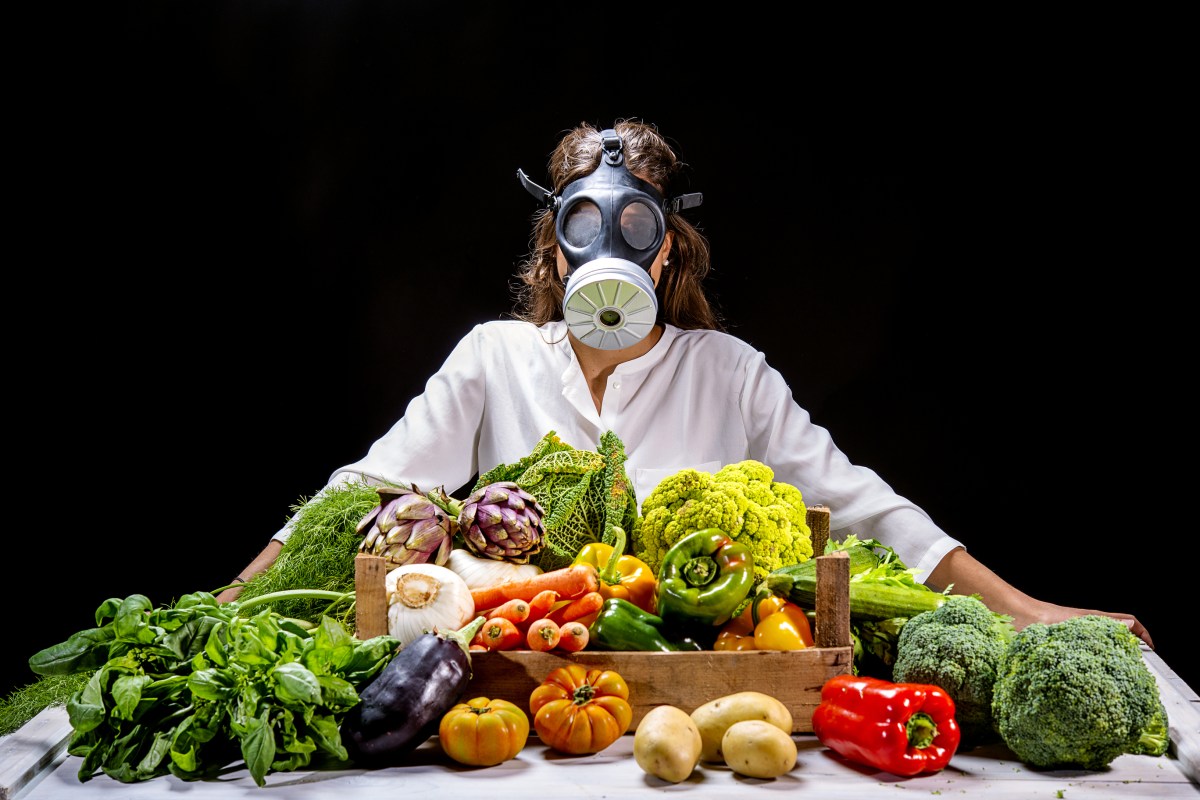
Pesticides used in agriculture can leave traces of chemicals in our food known as residues. Residues detected on a specific food item will depend which pesticides are used and how persistent they are. Some food may contain one single residue or multiple ones (‘cocktail effect’).

An alternative to consuming food containing different types of pesticide residues is to opt for organic products. Obviously, not everyone is able to afford them.

Are pesticides eliminated after peeling and washing fruit and vegetables?

Washing and peeling may reduce exposure, but some residues are present not just on the surface, but within the entire piece. So, by simply washing, it will not eliminate residues within the food item.

According to Pesticide Action Network UK, 123 different pesticide residues were found in our food in the UK, some of which are linked to serious health problems, such as cancer and disruption of the hormone system (endocrine disruption), including reduction of semen quality and fertility, genital malformations, prostate cancer, diabetes, obesity, early puberty, cysts in the ovaries, uterus anomalies, breast cancer, hyper and hypo thyroidism and thyroid tumours.

We should all be aware of the implications caused by ingesting food containing not only one but also multiple pesticides (‘cocktail effect’), especially if consumed over a long period of time, during our childhood, adult life and especially during pregnancy.

The ‘Dirty Dozen’

Pesticide Action Network UK have produced a list of the ‘dirtiest’ fruit and vegetables based on UK government data, revealing the percentage of samples that contain residues of more than one pesticide. The list is called the ‘Dirty Dozen’. The results reveal a staggering amount of pesticides found on the ‘Dirty Dozen’ products, more than one hundred different types.

Based on data from PAN UK analysis in September 2021 of the UK Government’s Expert Committee on Pesticide Residues in Food (PRiF) annual reports between 2018 and 2020, the following products are considered to contain the highest levels of pesticides residues:

Grapefruit (99%); soft citrus, such as mandarins and satsumas (96%); strawberries (89%); oranges (87%); dried grapes (82%); herbs (81%); pre-packed salad (81%); grapes (80%); lemons (75%); pears (69%); peaches and nectarines (67%), spinach (57%).

According to PAN UK, inadequacy in the UK government’s pesticide testing has been reported. The number of annual samples was reduced in over a quarter from 3,450 in 2016 to 2,460 in 2020.

There is also inconsistency in the way that some products are tested. For example, tomatoes might be tested one year and not the next, and only a small amount of tomatoes consumed in the UK are tested.

In 2020, the UK government chose to test just three types of fruit and vegetables included on the 2019 ‘Dirty Dozen’, leaving aside three-quarters of the previous year’s produce of concern.

UK trade deals

“How the UK chooses to govern pesticides will have profound implications for the health of citizens, the natural environment, and the future of UK farming”, said Sarah Haynes, collaboration coordinator at Pesticide Action Network UK.

UK trade deals with Australia, Brazil, Canada, India, Mexico and the United States, may open doors to more products containing high level of pesticides.

Brazil is the world’s third largest user of pesticides, only behind China and the US, allowing almost double the amount of highly hazardous pesticides to be used (131), compared to the UK (73). For instance, lemons grown in Brazil have 200 times the amount of insecticide dimethoate than in the UK. Dimethoate has been linked to cancer and is banned in the UK.

A total of 33 organophosphates (synthetic compounds that are neurotoxic in humans) are permitted in Australia, 26 in the US and 4 in the UK and EU. Australian grapes can contain 6,000 times the amount of the fungicide iprodione than UK grapes. Iprodione is linked to cancer and is a suspected endocrine disrupter.

Canadian wheat is allowed to contain 100 times the amount of the herbicide diuron than UK wheat. Diuron is a suspected endocrine disruptor with links to cancer. It can also negatively impact sexual function and fertility.

“This flies in the face of Government promises not to sign a trade deal which compromises UK environmental protection and food standards. After all the warm words, it looks like the UK-Australia trade deal will finally reveal which standards the Government is willing to fight for. Any weakening of pesticide standards in an Australia deal makes it all but inevitable we will do the same with the CPTPP (Comprehensive and Progressive Agreement for Trans-Pacific Partnership), allowing sub-standard imports from 11 countries”, said Josie Cohen, Head of Policy and Campaigns at PAN UK.

These trade deals have greater ramifications. It means UK farmers will have to compete with cheaper products containing higher level of pesticides, forcing them to follow the same route or forced to get out of business altogether. This will be catastrophic for everyone.

According to a report released in January 2022 by the United Nations Human Rights Council, the toxification of planet Earth is intensifying. While a few toxic substances have been banned or are being phased out, the overall production, use and disposal of hazardous chemicals continues to increase rapidly.

Production of chemicals doubled between 2000 and 2017, and is expected to double again by 2030 and triple by 2050. According to the United Nations Environment Programme (UNEP), the result of this growth will be increased exposure and worsening health and environmental impacts unless ambitious, urgent and worldwide collaborative action is taken by all stakeholders and in all countries.

Why is it that pesticides, which are a class of chemicals, do not have to go through a testing regime similar to the clinical trials that pharmaceutical drugs are put through? Someone must urgently answer this question!
Assured Food Standards Red Tractor May Be Failing UK Farmers, Consumers and the Environment

Monica Piccinini

15 Mar 2022

A recent report published by the Nature Friendly Farming Network, with the support of Pesticide Action Network UK and RSPB, the Royal Society for the Protection of Birds, reveals that Red Tractor, the UK’s largest food standards label, is ‘failing to regulate’ pesticides, which may tarnish their reputation as a label of stronger environmental protection.

“If we’re to have any hope of solving the biodiversity crisis, then we must move away from our dependence on pesticides. But Red Tractor standards continue to prioritise the use of chemicals, without placing limits on how much or where they can be used. Unlike many UK supermarkets, Red Tractor allows its farmers to use any legal pesticide product, regardless of concerns over impacts on human health or the environment”, said Josie Cohen, Head of Policy and Campaigns at PAN UK.

Red Tractor certifies around 50,000 farmers across the UK and covers the entire food supply chain, including animal welfare, food safety, traceability and environmental protection. Their logo appears on a wide range of UK products, including meat, vegetables and dairy.


The report identifies inadequacies within Red Tractor’s approach to pesticides, including the lack of any targets to reduce use, as well as failing to demand certified farmers to adopt some farming standards, such as the use of beneficial insects to control pests, selecting pest and disease resistant crop varieties, rotating crops regularly and applying less harmful bio-pesticides.

Martin Lines, co-author of the report, farmer and Chair of the Nature Friendly Farming Network, said:

“Our interviews with Red Tractor certified farmers have revealed that the standards are barely encouraging, let alone supporting, farmers to reduce their pesticide use. There are many UK farmers working hard to switch to using non-chemical alternatives and its time Red Tractor, as our largest farm and food assurance scheme, becomes a key player in driving the transition to more sustainable farming systems. Farmers want, and need, their support to work with nature instead of against it”.

The authors of the report conducted various interviews and surveys with three of the UK’s largest supermarkets, revealing a significant gap between how Red Tractor is viewed by consumers and retailers.

The public perception of Red Tractor certified farmers is that they operate under stricter obligations compared to their non-certified counterparts, whereas supermarkets view them as a baseline standard, which doesn’t go beyond assuring that farmers are sticking to national pesticides laws and regulations.

“Confirming that farmers are abiding by the law should be a role for the Government, rather than a private company like Red Tractor. People understandably expect standards to go beyond the law to offer a higher level of environmental protection, for wildlife and society. We urge Red Tractor to strengthen its approach to pesticides so that farmers feel supported to reduce their use, and retailers and their customers can rest assured that a Red Tractor means that food has been grown more sustainably”, said Steph Morren, Senior Policy Officer at RSPB.

The authors of the report are prepared and committed to work with Red Tractor in order to implement a set of recommendations, including prohibiting the use of the most harmful pesticides by selecting non-chemical alternatives, placing more emphasis on non-chemical methods for managing pests, diseases and weeds, introducing measures to support farmers, amongst many others.

It’s a well-documented fact that pesticides are silent, invisible and ruthless killers. They can have a long lasting and tragic effect on our health and the environment, causing diseases from mild to severe, such as depression, allergies, cancer, liver disease, DNA damage, reproductive failure, endocrine disruption and many more. They can also impact our environment leading to groundwater contamination, micro biome disruption, air pollution, poisoning of birds, mammals, fish and bees.

The intensive use of pesticides may also influence our immunological system promoting obesity and vulnerability to COVID-19.

Food production is one of the sectors that may be hit the most due to the Russia-Ukraine conflict and Brexit, therefore we must make sure that food quality standards are not lowered and heavily impacted, and as consumers, we may end up having to compromise on our health and the environment.

“The most alarming of all man’s assaults upon the environment is the contamination of air, earth, rivers, and sea with a dangerous and even lethal materials. This pollution is for the most part irrecoverable; the chain of evil it initiates not only in the world that must support life, but in living tissues is for the most part irreversible”- Rachel Carson (Silent Spring – 1962).

Toxic Side Effects of a UK-Brazil Free Trade Agreement

Monica Piccinini

23 Feb 2022

A recently released report from Pesticide Action Network (PAN-UK), reveals that a potential trade deal between the UK and Brazil is being considered. If a trade deal between both countries goes ahead, the UK population could be consuming products containing higher level of pesticides, which could have a direct impact not only on public health, but also on the environment.

“The UK Trade Secretary is promoting trade with Brazil as providing ‘real opportunities to go further on green trade’. Meanwhile, Brazil’s overuse of highly toxic pesticides is contributing to the destruction of the Amazon and other crucially important ecosystems, contaminating water and poisoning farmworkers and communities. And yet the government has provided no detail on how it will ensure that Brazilian food sold on UK shelves is not contributing to the global climate and nature crises”, said Josie Cohen, Head of Policy and Campaigns at Pesticide Action Network, PAN UK.

Brazil is the world’s third largest user of pesticides, only behind China and the US, allowing almost double the amount of highly hazardous pesticides, HHP’s, to be used (131), compared to the UK (73). For instance, lemons grown in Brazil have 200 times the amount of insecticide dimethoate than in the UK. Dimethoate has been linked to cancer and is banned in the UK.

The UK already imports large amounts of food (meat, fruit and vegetables) and soya for animal feed from Brazil. Food imports are subject to UK safety limits for the amount of pesticides residues allowed to a particular item, but no limits are placed on feed.

Soya beans are Brazil’s largest export to the UK, worth approximately 220 million USD in 2020. The majority of it is genetically modified (GM), and at least 90 per cent of it is fed to animals.

A large amount of the meat British people buy, including beef, dairy and chicken reared in the UK, have been fed on soya grown on deforested land using toxic pesticides.

“Most UK consumers have no idea that some of the meat they are eating has been fed on soya grown using highly toxic chemicals. Right now, the UK government is talking a good game on reducing pesticide harms in the UK, but appears to have no problem with exporting our environmental and human health footprints to Brazil”, mentioned Vicky Hird, Sustainable Farming Campaign Coordinator at Sustain.

In February 2021, Defra signed a “memorandum of understanding” with the Brazilian government with the intention to facilitate trade in agribusiness between Brazil and the UK. The Brazilian agriculture minister, Tereza Cristina Corrêa da Costa Dias, nicknamed by Brazilians as “poison muse”, said that the UK would eventually become more aligned with international rules on food safety.

“The UK government continues to pursue increased agricultural trade with Brazil, but the intensification of agricultural production there has been linked with deforestation and highly hazardous pesticides which harm wildlife and ecosystems. The UK should ensure that it is not contributing to the problem”, said Dr. Emily Lydgate, specialist in environmental law at the University of Sussex.

Brazil’s president, Jair Bolsonaro, has continuously developed a close and special relationship with pesticides. He recently incorporated a presidential decree (10.833/2021), amending the 1989 pesticides law, by making the approval process of pesticides even more flexible, including the approval of chemicals that have already been banned in the US and Europe.

With the new amendment, chemicals that cause cancer, genetic mutations and fetal malformation, will be given approval to be used as well as manufactured, if a “safe exposure limit” is determined.

Additionally, the current Brazilian legislation does not provide for a minimum period for the renewal of pesticides licensing. Pesticides that have been in the Brazilian market for more than 4 decades are still being used today, without ever undergoing an assessment of environmental and health issues.

The approval process of pesticides in Brazil has never been made easier, as more power has been given to the Ministry of Agriculture on the decision making process, leaving ANVISA (National Health Surveillance Agency) and IBAMA (Brazilian Institute of Environment and Renewable Natural Resources) excluded from the final decision.


An increase in agriculture exports from Brazil to the UK may also pose a threat to British agriculture, increasing the pressure on farmers to escalate the use of pesticides to compete with cheaper products grown on a larger scale.

Beef and soya production in Brazil plays a major role in the deforestation of the Amazon rainforest, as well as devastation of the Cerrado region, the home of 5% of the world’s plant and animal species.

Pesticides have also contaminated Brazilian water. According to a 2021 study, freshwater bodies in 80% of Brazilian states are now contaminated with herbicides such as glyphosate, posing a direct threat to aquatic species and ecosystems.

Drinking water in Brazil can contain glyphosate levels of up to 500 micrograms per litre. In the UK, the current for drinking water is 0.1 microgram per litre, 5000 times lower than the level in Brazil.

Another catastrophe reported on a regular basis is the countless poisoning incidents in Brazil caused by pesticides aerial spraying. A report published by Publica estimated that between 2007 and 2017, pesticides poisoned approximately 6,500 children, all under the age of 14.

In September 2020, Science Direct reported adverse effects of pesticides on the function of our immune system, which could affect how we fight Covid-19. Additionally, a new study performed in human lung airway cells is one of the first to show a potential link between exposure to organophosphate pesticides and increased susceptibility to COVID-19 infection.

“We have identified a basic mechanism linked with inflammation that could increase susceptibility to COVID-19 infection among people exposed to organophosphates,” said Saurabh Chatterjee, PhD, from the University of South Carolina and a research health specialist at the Columbia VA Medical Center and leader of the research team.

Pesticide Action Network UK has made some key recommendations to the UK government, including putting additional measures in place to ensure that Brazilian agricultural imports are not driven pesticide-related harms to either human health or the environment in Brazil.

Another proposal would be not allowing any weakening of UK pesticide standards as a result of an increase in trade with Brazil and preventing UK farmers from being disadvantaged by cheap food imports produced to weaker pesticide standards in Brazil.

The impact pesticides cause to our health and the environment is undeniable. It doesn’t only affect human life, but also the Amazon rainforest, the Cerrado, the soil, the air, wildlife and the water, speeding up the destruction of the world’s most precious ecosystems.

We only have one life and one planet. It is our duty to protect them both in order to guarantee our survival!

Nanotechnology: the Good, the Bad and the Ugly

Monica Piccinini

21 Jan 2022

According to Allied Market Research, nanotechnology innovation is projected to reach $33.63bn by 2030, as it continues to permeate our daily lives and in industries.

Nanotechnology is science, engineering, and technology conducted at the nanoscale, which is about 1 to 100 nanometers. Nanoscience and nanotechnology are the study and application of extremely small things, nanoparticles, that can be used across all the other science fields, such as chemistry, bio medical, physics, mechanics, materials science, engineering, among others.

The nanotech industry has revolutionised our world, being used in a wide range of products and manufacturing processes, such as to transport medicine around our bodies, diagnostics, to purify wastewater, being added to products such as refrigerators, in cosmetics, providing antimicrobial activity, in food and drinks, UV filters in sunscreens, amongst many others.

Additionally, some believe that as the nano industry grows, it will help us in many other ways, such as to solve the energy crisis, cure and diagnose diseases and help to save our environment. It is already being used in implants, disease diagnostics, surgical tools, to target delivery of medicine, pharmaceuticals, in agriculture and construction, etc.

According to Science Daily, a multi-institutional research team led by scientists at the Advanced Science Research Center at the Graduate Center, CUNY, the City University of New York, has designed nanoparticles that can communicate with and slow the development of cancer cells. The work has uncovered a novel framework for the potential development of drug-free cancer therapies.

A new approach to brain tumor treatment using photodynamic therapy (PDT) with nanotechnology has been explored in a review published in the journal Biomedicines. Unlike radiotherapy and surgical resection, PDT can treat micro-invasive areas and protect critical brain tissue with a high probability of success.

As opposed to surgical resection and radiation, PDT can treat micro-invasive regions while preserving sensitive brain areas. These potential benefits over conventional therapies have been shown to improve results in clinical situations with low overall survival and a high incidence of iatrogenic damage.

Another advance in nanotech is the work of a lab owned by Youyang Zhao, PhD, of the Stanley Manne Children’s Research Institute at Ann & Robert H. Lurie Children’s Hospital in Chicago, which has developed a nanoparticle able to deliver genome-editing technology, such as CRISPR/Cas9 to endothelial cells (cells that line blood vessel walls), allowing researchers to introduce genes to inhibit vascular damage and/or promote vascular repair, correct gene mutations, and turn genes on or off to restore normal function. This would help treatment of diseases caused by endothelial dysfunction (a type of non-obstructive coronary artery disease, CAD).

Research & More Knowledge Required

We can’t deny that the application and benefits of nanotechnology are immense, but on the other hand, in order to take advantage of this ever growing technology, we need to make sure that the handling of these novel particles and materials are done in a safe way.

“Little is known about how large concentrations of nano-particles are used in industrial products. We also do not know what size particles they use – size also has an effect on whether they can enter a cell,” said Barbara Korzeniowska, from the department of Biochemistry and Molecular Biology at SDU (The University of Southern Denmark).

“But we know that a lot of people are involuntarily exposed to nano-particles, and that there can be lifelong exposure,” added Korzeniowska.

Nanomaterials exhibit at least one dimension between 1 and 100nm. They are natural, process-derived or manufactured. There is also a wide range of types of nanoparticles, each with a distinctive chemical composition, size and shape, allowing them to be used in various unique applications.

There is not enough research and limited knowledge about the potential risks posed by nanoparticles, which enter our bodies via ingestion, inhaled or absorbed by the skin. These tiny particles have a nano-scale dimension, bio-persistency and insolubility, therefore may cause pulmonary, cardiovascular, circulatory, neurological diseases due to their ability to pass biological barriers in the body.

“We need to know more about the conditions in which nanoparticles can affect us and how we can safely handle these materials,” mentioned Christina Isaxon, researcher at LTH (Ergonomics and Aerosol Technology) and NanoLund.

“If you don’t know how dangerous something is, you should always apply the precaution principle, that is, to handle the material as though it were toxic and ensure exposure is minimised at all stages,” added Isaxon.

The Possible Effects

There are three ways nanoparticles can enter the body, either via food/drink intake, respiration or exposure to the skin tissue. Once inside the bloodstream, they are readily dispersed.

If inhaled, nanoparticles have a high probability to be deposited in the lungs, they can also translocate to sensory neuronal pathways to reach secondary organs and tissues, such as the vascular endothelium, the heart and the brain.

“We have found evidence that these particles go on to organs like the liver, spleen and kidneys, all of which combat toxins. However, traces have been spotted in the heart and brain”, mentioned Dr. Wolfgang G. Kreyling, a biophysicist who has coordinated all aerosol-related research within the Focus Network Nanoparticles and Health of the Helmholtz Zentrum München (HMGU).

An Imperial College research published in Nature Communications Chemistry shows that gold nanoparticles can be toxic to cells. Small nanoparticles are capable of disturbing membranes around the cells. They can attach to the outside of membranes, become embedded within in them, or be completely engulfed and enter the cell, affecting its ability to function.

“The expanding production of nanoparticles has led to increasing concerns regarding their impact on human health and the environment in general. Identifying nanoparticles hazardous to natural organisms is difficult given the wide variety of nanoparticles, their diverse properties and the complexity of biological entities,” mentioned the lead researcher, Claudia Contini, from the Department of Chemistry at Imperial.

Occupational exposure is another worrying factor. Workers exposed to carbon nanotubes have shown a significant increase of biomarkers of fibrosis. IARC, the organisation for cancer research of the World Health Organisation, WHO, have classified one type of carbon nanotubes (Mitzui 7), as potentially carcinogenic in humans.

Ken Tachibana from Sanyo-Onoda City University in Japan has been studying the adverse effects of nanoparticles on fetuses and newborns, which may have a critical effect on future generations. His team has shown that nanoparticles have a negative effect on the neural development of mice, as the particles somehow alter gene expression. Levels of dopamine and its metabolites were also altered after exposure to nanoparticles, which could potentially affect mental health in later life.

Research is ongoing, but Tachibana and his team suggest the possibility that nanoparticles transferred from pregnant mothers alter the DNA methylation state of neural stem cells of offspring.

Nanotech in Food & Cosmetics

The addition of nanoparticles to food can result in increase of shelf life, nutrition, and overall appeal of foods. Some nanoparticles have been developed to add the nutritional value of food without affecting the food itself.

Synthetic nanoparticles additives such as titanium dioxide (TiO2) or silicon dioxide (SiO2) can be found in food products and labeled as E-numbers under E171 for TiO2 and E551 for SiO2. TiO2 is used as a colourant in sweets, chewing gums and candies.

The European Food Safety Authority (EFSA) has evaluated all available studies on effects in animals of nanoparticles used in food. In May 2021, the EFSA updated its safety assessment of E171 and concluded that titanium dioxide can no longer be considered safe when used as a food additive taking into consideration many thousand of studies.

Synthetic nanoparticles in food must be labeled. Additionally, open and clear communication between the scientists, regulators and the public is essential for the continue use of nanoparticles in food products, as well as funding for further research in order to keep consumers safe.

Silver nanoparticles (NAg) are currently the most widely produced nanoparticle, due to its physicochemical characteristics and multifaceted antimicrobial mechanisms.

The healthcare sector is actually one of the largest markets for Nag, used as a coating agent in medical devices, catheters, dressings, organ and dental implants in order to inhibit bacterial colonization.

Products containing colloidal silver (contains silver nanoparticles) have been widely sold and its manufacturers claim they can stimulate the immune system, improve skin disorders, heal wound, and prevent various diseases like flu, eye infections, herpes, etc.

Colloidal silver can be taken orally, in spray form or cream applied to the skin. Despite all claims, colloidal silver has no known function in the body. In fact, the Food and Drug Administration (FDA) ruled in 1999 that colloidal silver products weren’t safe or effective. They sued several manufacturers over false health claims. These products continue to be sold worldwide.

According to scientific advice on the safety of nanomaterials in cosmetics published by the Scientific Committee on Consumer Safety, SCCS, the SCCS is of the view that there is a basis for concern that the use of colloidal silver (nano), as notified through the Cosmetic Products Notification Portal, CPNP for use in cosmetic products, can pose a health risk to the consumer.

The widespread use of NAg has triggered concerns over the development of silver-resistant bacteria. A growing number of studies have been published describing bacterial resistance in response to different forms of silver agents, including NAg. Silver resistance has been reported in Acinetobacter baumannii.

Acinetobacter baumannii is an opportunistic nasocomial bacterial pathogen, recently listed as the number one critical level priority pathogen due to the significant rise of antibiotic resistance. This type of bacterial is associated with nosocomial infections (healthcare-associated infections, HAI), causing pneumonia, sepsis and soft tissue necrosis.

There is also further concern regarding the “cocktail effect” resulting from the combination of different types of nanoparticles. Not enough research has been carried out in order to assess how a combo of different types of nanoparticles may affect our health and the environment.  

As described at the SCCS report, it’s possible that the chemical nature of each of the components that make up a nanomaterial is safe individually, but may pose a hazard when put together in the form of a nanoparticle as such, or cause indirect effects by delivering the components to unintended places in the body.

As nanotechnology grows exponentially, there is an urgent need to set up open and transparent studies, recommendations, guidelines and regulations in regards to detection, toxicity, exposure and safe handling of these novel synthetic particles in all products, in order to assure its safety and prevent additional harm being inflicted in our lives and the life of our planet.

Chemical Explosion in Brazil

Monica Piccinini

2 Nov 2021

Pesticides are silent, invisible and ruthless killers. They are chemicals that can have a long lasting and tragic effect on one’s life as well as creating irreversible consequences to our precious environment.

These chemicals are sold in large amounts at huge profit by the callous agrochemical industry, without extensive, thorough, transparent and independent investigations.

Why is it that pesticides, which are a class of chemicals, do not have to go through a testing regime similar to the clinical trials that pharmaceutical drugs are put through?

Recently, the EPA (US Environmental Protection Agency) announced they will end the use of chlorpyrifos, a broad-spectrum chlorinated organophosphate, as it’s associated with neurodevelopmental problems and impaired brain function in children. Some countries continue to use this toxic chemical, including Brazil.

Brazil has been the country with the highest consumption of pesticides since 2008. In 2020 alone, the agrochemical industry’s turnover was over US$ 12.1 billion. The area treated with pesticides increased 6.9% in 2020, compared to the previous year, to an area of 1.6 billion hectares. A staggering 1.05 million tons of pesticides were applied in the country in 2020.

Fossil fuels and green house gases are great contributors to climate change, but Highly Hazardous Pesticides (HHP’s), which affect the health of large parts of the population and our environment, have gone largely unrecognised.

Agrochemical organisations across the world, along with the agribusiness industry are making substantial profits at the expense of people’s lives and health, as well as contributing to damage to wildlife, water contamination, environmental degradation and biodiversity loss.

Bayer, BASF, Syngenta, Corteva and FMC, members of Croplife International lobby group, are the world’s five largest agrochemical companies. 

Jair Bolsonaro’s Poisonous Package

The Pesticides Law in Brazil established in 1989, was defined as:

“The products and agents of physical, chemical or biological processes, intended for use in the sectors of production, storage, and processing of agricultural products, in pastures, in the protection of forests, native or implanted, and of other ecosystems as well as urban environments, hydrological and industrial, whose purpose is to change the composition of flora or fauna, to preserve them from the harmful action of living beings considered deleterious; and substances and products, used as defoliants, desiccants, stimulators and growth inhibitors”.

Brazil’s president, Jair Bolsonaro, has recently incorporated a Presidential Decree 10.833/2021, amending the 1989 pesticides law, by making the approval process of pesticides even more flexible, including the approval of chemicals that have already been banned in the US and Europe.

With the new amendment, chemicals that cause cancer, genetic mutations and fetal malformation, will be given approval to be used as well as manufactured, if a “safe exposure limit” is determined.

Additionally, the current Brazilian legislation does not provide for a minimum period for the renewal of pesticides licensing. Pesticides that have been in the Brazilian market for more than 4 decades are still being used today, without ever undergoing an assessment of environmental and health issues.

It’s a fact that the approval process of pesticides has never been made easier, as more power has been given to the Ministry of Agriculture on the decision making process, leaving ANVISA (National Health Surveillance Agency) and IBAMA (Brazilian Institute of Environment and Renewable Natural Resources) excluded from the final decision.

There are currently a whopping 3,477 pesticides on the Brazilian market, 40% of all chemicals were approved in the last 3 years, all under Bolsonaro’s government. In 2020 alone, 494 products were authorised, totaling 997 new products in just two years.

According to a recent joint report by IPEN (International Pollutants Elimination Network) and ABRASCO (Brazilian Association of Collective Health), 53% of pesticides licensed in Brazil between 2019 and 2020 were manufactured in China, 22.1% in Brazil, 9.4% in India, 4.5% in the United States and 3% in Israel.

Another worrying issue is the number of illegal pesticides smuggled in from China. According to a study carried out by FIESP (The Federation of Industries of the State of São Paulo), at least 25% of the pesticides in Brazil are illegal, smuggled through Paraguay with Chinese origin.

In January 2021, the Department of Border Operations (DOF/PM) apprehended 3.5 tons of smuggled pesticides in Maracaju, MS. The cargo was valued at approximately USD 1.2 million, according to Campo Grande News.

“The smuggling of pesticides is growing in the country at the rate that Brazilian agriculture grows… This smuggling has become a major concern as it is no longer a small market, but a large economy controlled by specialized gangs,” director of Brazil’s Institute for the Economic and Social Development of Borders (Instituto de Desenvolvimento Econômico e Social de Fronteiras – IDESF) Luciano Stremel Barros, told the Brazilian Senate in September 2019.

Accidental Poisoning, Suicide, Violence and Deaths

Highly toxic chemicals that have already been banned in many countries, including in the European Union, are still being used in Brazil. Many of these products are used as a suicide and violence tool.

Aldicarb, a carbamate insecticide and an illegal rat poison, popularly known as “chumbinho”, is one of the chemicals used not only for suicides, but also for the practice of aggression.

My auntie, a farmer, committed suicide by swallowing “chumbinho” a few years ago. By the time she was found and showing regret about her decision, it was already too late, as she met a horrible and painful death. This is not an isolated case in Brazil, and it affects the most vulnerable.

In May this year, 60 rural workers were rushed to hospital with symptoms of pesticide poisoning in the metropolitan are of Goiânia, after a plane sprayed pesticides over the fields where they worked. Most reported headaches, vomiting, dizziness and some passed out.

In 2018, 475 pesticide poisonings were reported in the State of Goiás alone. In 2019, the number rose to 516. 18% of all poisoning were caused by glyphosate. It was also reported 99 attempts of suicide with pesticides.

The number of accidents and poisonings is far worse than reported. Workers are usually reluctant to report their cases to companies or to the Brazilian Social Security Institute (INSS). Many are afraid to denounce the companies or seek justice, as it risks their employment credentials in the future. Others take the word of campaigns aimed at convincing workers that pesticides are not dangerous and that their symptoms are instead caused by stress and tiredness.

For workers without a formal contract, the situation is even worse. “When intoxication occurs, the company sends the employee home with no rights or anything. The INSS cannot make the payment of sickness benefits because there is no proof of employment,” explained Gabriel Bezerra, president of the National Confederation of Human Responsible and Rural Employees.

Toxic Substances

According to the World Health Organisation and the FAO, HHP’s are described as “pesticides that are acknowledged to present particularly high levels of acute or chronic hazards to health or the environment according to internationally accepted classification systems”.

The forms of exposure to pesticides can vary, through inhalation, dermal or oral contact, via spraying, contaminated food and water and also via a worker’s clothing. The main health effects are acute, when they appear fast, or chronic, when they appear after repeated exposure to small amounts over a long period.

Symptoms from pesticides exposure can range from mild sickness, such as skin irritation, burning, allergies, cough, chest pain, respiratory problems, mental confusion, depression, nausea, vomiting, stomach pain, diarrohea, to extreme ones, such as, endocrine disruption, congenital malformations, neuro developmental problems, Parkinson’s disease, cancer and death.

Additionally, the intensive use of pesticides influences the immunological system and industrialised food production promotes obesity and the vulnerability to COVID-19.

Glyphosate is no doubt one of the most popular pesticides in Brazil, representing 62% of the total herbicides used in the country. Glyphosate is the key ingredient in the Roundup herbicide and was first patented by Monsanto in 1974. Bayer acquired Monsanto for USD 63 billion in 2018.

According to a survey by Princeton, Fundação Getulio Vargas (FGV) and Insper (Insper Learning Institute), the spread of glyphosate in soybean crops led to a 5% increase in the infant mortality in South and Midwest Brazil that receive water from soy growing regions. This represents a total of 503 additional child deaths every year associated with the use of glyphosate in soybean farming.

“It is absolutely clear that glyphosate can cause cancers in experimental animals”, affirmed former Director of the US Agency for Toxic Substances and Disease Registry, Chris Portier, who worked on the IARC, International Agency for Research on Cancer review of glyphosate. “And the human evidence for an association between glyphosate and cancer is also there, predominantly for non-Hodgkin’s lymphoma”.

In the US, Bayer has been fighting billion of dollars in settlements to end lawsuits over accusations that glyphosate causes cancer.

Mexico has made the decision to ban glyphosate, which will take effect in 2024.

The list of active ingredients consumed in Brazil with the authorisation of ANVISA is alarmingly extensive, including acefate, chlorpyrifos, atrazine, 2,4-D (2,4-dichlorophenoxyacetic acid), diazinon, metomyl, amongst many others.

Chlorpyrifos (CPF) is also a broad-spectrum chlorinated organophosphate (OP) used in crops, vegetables, fruits, as well as households. Exposure to this chemical during pregnancy or childhood has been linked with lower birth weight and neurological changes, such as cognitive and behavioural performance.

The toxicity of CPF has also been associated with neurological disfunctions, endocrine disruption, cardiovascular diseases. It can also induce developmental and behavioural anomalies, genotoxicity, oxidative stress and hematological malignancies, as evidence by animal modeling.

CPF has been banned for use in the EU.

Atrazine has innumerous adverse effects on health, such as increased risk of miscarriage, reduced male fertility, tumours, ovarian, breast, prostate and uterine cancers, leukemia and lymphoma. It’s an endocrine disrupting chemical, causing havoc to one’s regular hormone function, causing birth defects and reproductive tumours.

A group of scientists, including Tyrone Hayes found that 10% of male frogs reared in atrazine water turned into females.

2,4-dichlorophenoxyacetic acid is a widely used agricultural weed-killer and endocrine disruptor shown to have links to cancer, including non-Hodgkin’s lymphoma. It was first marketed in 1945 and one of the main ingredients in the Agent Orange, used to destroy forests during the Vietnam war.

Acute symptoms of exposure to 2,4-D include coughing, burning, loss of muscle coordination, dizziness, nausea, vomiting, diarrhea, nervous damage, fatigue, coma and death. Additionally, poor semen quality has been associated with exposure to the chemical.

Acefate is an organophosphate (OP) insecticide used on food crops, as well as a seed treatment. People can be exposed by breathing or on their skin. Acefate has been associated with TGCT, testicular germ cell cancer, particularly strong amongst Latinos, according to a study by the American Association for Cancer Research (AACR).

Brazilians are not the only ones being poisoned by toxic chemicals, in fact, you and your family could be consuming these toxic substances unknowingly, via products being imported into your country.

It has been reported that Germans are already consuming products containing pesticides that have already been banned in the European Union.

At the request of Greenpeace, tests were carried out at 70 Brazilian fruits sold in German cities by an independent German laboratory. 11 substances that have already been banned in the EU have been detected, totaling 35 different pesticides found in mangos, lemons, papaya and figs, 21 of those were considered Highly Hazardous Pesticides (HHP’s).

In order to stop the world being poisoned by chemicals that affect our health and our environment, a tougher international regulatory system needs to be implemented, including proper thorough, independent and transparent assessments of such toxic substances.

It’s time for the greedy agrochemical industry and our governments to put our health and the health of our planet above their rapacious profit, once and for all!

COP26: another Cop Out?

Monica Piccinini

21 Oct 2021

The climate scientists drum beat of concerning data continues with an increased rhythm and it is becoming clear to all but the global leaders that we are running out of time for material action.

As COP26 approaches, national leaders across the world should be galvanising and both individually and collectively evidencing real action to deliver on prior promises and commitments. Sadly, what might be expected appears to be far from the real situation.

It is very apparent that climate change can’t be addressed by a small number of nations. Global pollution and its effects have no respect for man-made sovereign borders. Possibly, for the first time in history, the world needs to truly work together for the greater good and ultimate survival. 

It’s complicated. The world needs full cooperation and commitment from the biggest polluters and the richest and most powerful nations, leaving their greed, egos and empty promises behind. In the short term, it’s those same countries that have the most to lose and need to spend the most in an altruistic manner.

It’s no coincidence that the largest economies have established themselves as powerhouses at the expense of the climate. Much of their industry depends on carbon fuels to function and importantly their infrastructure is from a time when carbon fuels were seen as the future.

So with that background and political short-termism combined, it’s no surprise that the question of climate and sustainability becomes deeply mired in protectionism, nationalism and global politics.

Brazil’s Jair Bolsonaro, China’s Xi Jiping, Russia’s Vladimir Putin and Mexico’s Andrés Manuel López Obrador are not expected to attend COP26. Japan’s Fumio Kishida may also be absent from the Summit, which is about to start in Glasglow, Scotland, at the end of this month.

According to an analysis by Carbon Brief on CO2 emissions from land use and forestry, as well as those from fossil fuels, it showed the US as the largest CO2 emitter in history, accounting to 20% of the global total, followed by China with 11%. In third place came Russia (7%), Brazil (5%) and Indonesia (4%).

There is a real sense of urgency, as the world has already used 85% of the CO2 budget that would give a 50% chance of limiting heating to 1.5C, according to Carbon Brief’s data.

According to the OECD, CO2 from the combustion of fossil fuels and biomass accounts for about 90% of total CO2 emissions and two thirds of total GHG emissions.

The top most powerful nations in the world, China and the US, are the top polluters, followed by India, Russia and Japan. China produces 28% of global emissions, more CO2 than all nations put together.

Will geopolitical competition between China and the US help the world tackle climate change?

China and the US should be leaving their differences aside and be focusing on setting up plans in order to tackle one of, if not the most challenging projects of our time, climate change.

The recent defense deal, the Aukus trilateral security partnership between the US, the UK and Australia, added to existing regional military tensions has not helped to soothe relations between the US and China, creating a stand-off which has the potential to evolve into a new cold war.

Additionally, issues like trade, the South China Sea, human rights, the threat of Chinese invasion in Taiwan and intellectual property theft, have contributed to more tensions and disagreement between both nations. This may impact heavily on their commitment to climate change.

President Xi Jinping has pledged to cut down emissions by 2030 and become carbon neutral by 2060, given its economic development is highly reliant on the fossil fuel industry.

More than half of all power in China is generated from coal, using 3 billion tonnes of thermal coal each year. Coal is the biggest contributor to climate change, accounting to 46% of carbon dioxide emissions across the world.

Coal is not the only concern. China produced around one billion tonnes of steel last year, which is the second most polluting industry after coal.

We can easily notice a pattern here. Chinese demand for coal is expected to increase until 2026, therefore increasing carbon emissions until 2030, contradicting the country’s emission goals. Chinese banks and corporations continue to finance and build coal-fired power plants across many countries.

Supply and demand – is it all China’s fault?

Since opening up to foreign trade and investment and implementing free-market reforms in 1979, China has become one of the world’s fastest-growing economies.

The world has actively supported China becoming its industrial heartland. Built upon cheap labour, available raw materials and a welcoming government policy, a huge percentage of commodity product manufacturing has moved to China from other historic manufacturing nations, including the US, the UK, the EU, and other nations.  Servicing the demand has created pressure to build manufacturing infrastructure at the lowest cost possible, and that leads to low tech solutions like carbon based energy production.

It’s no surprise that China has rapidly become one of the biggest global polluters. Other nations have essentially pushed into China their polluting industries.

The denialistic approach

The Production Gap report released by the UN, states that governments across the world still plan to produce more than double the amount of fossil fuels in 2030 and that the majority of gas and oil producers plan on increasing production beyond 2030. 

G20 countries have directed nearly USD 300 billion in new funds towards fossil fuel activities since the beginning of the COVID-19 pandemic — more than they have toward clean energy, which contradicts entirely to the message they have been giving us all along.

According to a leak of tens of thousands of comments by governments, corporations, academics and others on the draft report of the IPCC’s ‘Working Group III’, recently published by Unearthed, fossil fuel producers including Australia, Saudi Arabia and the Organization of Petroleum Exporting Countries (OPEC), are lobbying the IPCC – the world’s leading authority on climate change – to remove or weaken a key conclusion that the world needs to rapidly phase out fossil fuels.

These scandalous and irresponsible actions go on. Australia asks the IPCC to delete analysis explaining how lobbying by fossil fuel companies has weakened action on climate change in Australia and the US. Saudi Arabia repeatedly seeks to have the report’s authors delete references to the need to phase out fossil fuels.

Brazil and Argentina, two of the world’s biggest producers of beef and animal feed crops like soya beans, have also been pressing the IPCC to water down and delete messages about the climate benefits of promoting ‘plant-based’ diets and of curbing meat and dairy consumption. 

There is no slowing down. According to the OECD-FAO Agricultural Outlook 2021-2030, global GHG emissions from agriculture are projected to increase by 4% over the next ten years, with livestock accounting for more than 80% of this increase.

Meat production requires significant use of resources such as land, feed and water and is also a great contributor to climate change. By 2030, 34% of the agricultural production in Latin American and the Caribbean, is projected to be exported.

Brazil, the US and Europe are the three largest meat exporting countries. China is the world’s largest meat importer. According to the Brazilian Meat Exporting Industry Association, between January and July this year, shipments of beef from Brazil to China reached 490,000 tons and generated sales of US$2.5bn, an increase of 8.6 per cent and 13.8 per cent, respectively, compared with the same period last year.

In China, per capita beef consumption is projected to rise a further 8% by 2030, after having risen 35% in the last decade.

Brazil has been the main destination for Chinese investments in South America, having received US$ 66.1 billion, equivalent to 47% of the total invested, in the last decade until 2020.

Between 2007 and 2020, Chinese companies made large investments in Brazil, mainly in the electricity sector, which attracted 48% of the total value, followed by oil extraction, with a 28% share, and mining, with 7%. 

A recently published report, The Lancet Countdown, mentioned that over a 6- month period in 2020, over 51 million people were affected by at least 84 disasters from storms, droughts and floods across the world.

The fact is that there is no going around the subject of climate change. Unless the situation we put ourselves is taken seriously and faced head on with immediate action, all of humanity faces a tragic future, or no future at all.  None of the world leaders, who continuously deny the situation, will be here to tell the story.

Nature has already shown its clear message to the world with extreme weather events like floods, wild fires, volcano eruptions, death and horrific devastation across the world, including in Argentina, Australia, Brazil, China, across Europe, India, Russia and the US. Turning a blind eye to these events and the certainty of a much worse scenario shows total irresponsibility and disregard to life, to each one of us, as well as to every single living being on this planet.

The world is calling for global leadership on a scale never seen before, at the very time when nations are sadly turning inwardly and political factions are more concerned with domestic rivalry and individual gains. 

Do We Fully Understand the Implications of GMOs?

Monica Piccinini

16 Sept 2021

The subject of genetically modified foods has been debated for many years. In fact, genetically modified produce is freely available in a number of developed countries. The benefits as well as the negative side-effects have polarised opinion in the scientific world, advanced economies and amongst health conscious populations.

Technological advances in key areas of science are now lifting the debate to new concerning levels.

“GMOs appear the focus of a stunning program: to privatize biology itself, turning sovereign soils and the very act of farming, as much as its produce, into commodities”, wrote Rob Wallace in his book “Big Farms Make Big Flu”.

GMOs (genetic modified organisms) describe foods that have been created through genetic engineering. Scientists identify what trait they want a plant, animal or microorganism to have (such as resistance to pesticides, herbicides or insects), they then copy it and insert the gene into the DNA of the plant, animal or microorganism.

In 1866, Gregor Mendel, an Austrian monk, was able to breed two types of peas, identifying the basic process of genetics. In 1922, the first hybrid corn was produced and sold commercially. In 1994, the first genetically modified produce created through genetic engineering becomes available for sale, a genetically modified tomato.

Since then, science has been advancing and progressing rapidly, as we enter a new phase of genetic engineering. NBT’s (new breeding techniques) such as CRISPR and RdDM, as well as synthetic biology, allow more complex changes to the genetic makeup.

What seems like incredible biological acts of ‘science fiction’ are still very early in their development. Moving too fast in order to commercialise these technologies will undoubtedly see the negative side effects with unintended consequences.

CRISPR cuts the cell’s DNA at a particular site. Like a wound, the cell attempts to heal itself by resealing its break using DNA repair mechanisms. This process can be faulty and not always works perfectly, causing unforeseen problems with unexpected results (new DNA).

In the 1960’s plant scientists in the U.S. bred a new potato variety that was ideal for making into crisps but also contained dangerously high levels of natural toxins. The potato had to be withdrawn from the market in 1970.

There is large concern over GMOs across the world with the sense that gene editing could give rise to dangerous mutations or crops that could be patented by large agribusiness corporations trying to monopolise staple crops.

There are also other factors involved, such as the creation of plants, animals and microorganisms we have not seen before, and by doing so, the impact it may have on our health, the environment as well as evolutionary patterns. Potential risks and biosafety concerns are associated with it. Little is known about the long-term effects and safety associated with GMOs.

According to GMWatch, a number of disadvantages of GMOs foods to humans and the environment have been listed, including allergic reaction by allowing a certain allergen present in the GM crop to enter the body and stimulate an immune response.

Toxicity is also in question. GM foods may increase the production of toxins at levels harmful to humans, as toxins are produced when there is damage in the “gene of interest” during the insertion process. Another concern is reduced nutritional value of GMOs. By making a plant more resistant to pests, the antioxidant phytochemicals are reduced. 

Toxins may also be released into the soil causing environmental damage.  An example of this is soil bacterium, bacillus thuringensis, present in larval caterpillars, which has a gene that produces certain toxins that destroys insects as well as pests. This gene is inserted into the corn to make it resistant to pests, resulting in the release of toxins into the soil, therefore turning the soil less fertile.

In addition to this, there is also the danger of resistance of pests to toxins, antibiotic resistance, genetic hazards, flow of genetic information, generation of super-weeds, and disruption to biodiversity by interfering the natural process of gene flow.

The United States, Canada, Brazil, India and Argentina have been growing GMO products made from modified soya beans and corn for many years. The majority of U.S. corn, canola, soy, cotton and sugar beets crops are GMOs.

“Let’s start now to liberate the UK’s extraordinary bioscience sector from anti-genetic modification rules, and let’s develop the blight-resistant crops that will feed the world”, said Boris Johnson in his first speech as UK’s prime minister.

Michael Antoniou, professor of molecular genetics at King’s College London, mentioned that the answer is to change our food delivery systems in the direction of “agroecology” by reducing the use of synthetic ferlitisers, pesticides and herbicides, and planting a diverse range of plant strains, to build resistance into the system. At the very least, any crops produced by using genetic editing must be labeled as such.

Liz O’Neill, director of GM Freeze, argues that genetic engineering should undergo strict regulation. She said:

“If this group of genetic engineering techniques escape classification as GM, they could be completely unregulated. The crops they produce could find their way into our fields and on to our plates without environmental or food safety risk assessments. They would not be traceable and, without labeling, consumers would have no way to identify and avoid them should they wish to do so”.

Since the UK left the EU, it has the power to authorise new GMOs. Brexit legislation gave Defra (Department for Environment, Food and Rural Affairs) more power to amend existing GMO laws without going to Parliament.

“Gene editing is a sticking plaster, diverting vital investment and attention from farmer-driven action and research which could be yielding results, right now”, said Gareth Morgan, SA’s (Soil Association) head of farming and land use policy.

“Consumers and farmers who do not want to eat or grow genetically modified crops or animals need to be offered adequate protection from this. The focus needs to be on how to restore exhausted soils, improve diversity in cropping, integrate livestock into rotations and reduced the dependence on synthetic nitrogen and pesticides”, added Morgan.

Recently, GMWatch reported that a U.S. based fake meat maker, Impossible Foods, that uses genetically engineered ingredients, have gone past regulators, mainly in the U.S. and Canada, and are looking into expanding its products into the New Zealand and Australian markets.

Impossible Foods adds GM soy leghemoglobin (SLH), 0.8% and not labeled, in order to make its product look and feel as if it’s bleeding, just like real meat. The issue is that SLH does not have a history of safe use in food.

A rat feeding study that Impossible Foods commissioned on SLH showed worrying effects in the rats, including signs of inflammation, decreased blood clotting ability, changes in blood chemistry, kidney disease and possible signs of anemia.

Would you swop a vegetable burger that tastes of vegetables to a burger that tastes and bleeds like real meat but has been genetically modified with SLH, a product that has not been tested extensively? Are we going too far and too fast without calculated risks? What is the limit to greedy corporations?

Reported by GMWatch this month, five hundred tons of unauthorized GMO rice flour that had been illegally imported by India and sold in the European Union had to be recalled, but authorities could not guarantee that all products would be removed from the market. These batches of white rice were imported into Europe, transformed into rice flour, and sold on the market as an ingredient, including chocolate sweets from the Mars company.

Do we have the assurances and guarantee that genetic engineering will not be responsible for the creation of new disease organisms with no natural resistance and no available cure? Do we have the confidence that these “novel foods” will not harm our environment and our health? Will our scientists, world leaders and corporations assure the world GMOs are 100% safe?

Many questions are yet to be answered. Discussion and debate over the benefits and risks of genetic engineering as well as the ethical questions raised by this technology is essential. We must ask for total transparency and full participation in the decision making process. There is too much at stake, as this may lead us to a path of no return.

Climate Change – Inaction May Prove Fatal to Humanity

Monica Piccinini

22 Aug 2021

Humanity has been in denial for decades, avoiding the truth about the implications of its complex relationship with nature. A toxic, turbulent and abusive liaison based on constant exploitation. Eventually, a break up is imminent!

As human population numbers have grown and with it consumption, we have seen the correlated demand in areas of food, living space as well as demand for luxury items created by commerce. At the heart, there is a very basic human desire for ‘more’.  Populations across the world are now interconnected in a way few would imagine, therefore creating an environmental impact most choose to conveniently ignore. 

An individual in the Western Northern Hemisphere seeking a never ending supply of fresh exotic vegetables, fruit and meat from half way around the globe at an ever decreasing price. For all those products to be on the consumer’s plate, it will have passed through an incredibly efficient, yet troublesome system.

From high production farming techniques driving the destruction of natural flora, fauna and land exploitation, to the use of pesticides, distribution from one country to another by lorries, planes and ships with huge carbon footprints, all managed by profit oriented distribution companies operating on a global scale.  The simple desire of a consumer wanting more products at bargain costs has created a significant ecological footprint with dramatic consequences. 

The interconnections between our global systems and social fabrics are very sensitive and easily interrupted. The world has had a taste of such disruption with the Covid-19 pandemic. However, the even bigger issues of climate change and biodiversity loss are upon us and we can’t afford to turn a blind eye to, nor try to separate them, as they are all interconnected.

The reality is that the pace of destruction is faster than we had ever predicted. Unless we address the critical situation we have created, and put our house in order, we may be homeless and face a grim future.

“2021 must be the year to reconcile humanity with nature”, said António Guterres, the UN secretary general, in an address to the One Planet Summit of global leaders in Paris last January.

We have seen how much the emergence of a pandemic can cost us and how quickly it can affect businesses, the global economy, and our physical and mental health. Climate change is one of the primary drivers of biodiversity loss, which is a key driver of emerging infectious diseases. Investing in ecological measures that can help future pandemics is much lower than the cost of a pandemic.

One-fifth of the world’s countries are at risk of their natural ecosystems collapsing because of the destruction of their habitats and wildlife, according to Swiss Re. Food, air, clean water, and flood protection have already been damaged by human activity.

According to the OECD, the total economic value to society of biodiversity and ecosystem services is estimated to be as much as USD 140 trillion per year and over half of the world’s GDP (USD 44 trillion) is moderately or highly dependent on nature and its services.

The recently released 2021 Intergovernmental Panel on Climate Change report, IPCC, is a stark warning that humanity will not be able to limit global warming, unless we take rapid and large-scale reductions in greenhouse gas emissions.

The top major green house gas emitters in the world are China, United States, India and Russia. China, Brazil, Australia and Russia’s current energy policies will prompt to an astonishing 5C temperature rise.

At 1.5C of global warming, we will see significant and unprecedented changes to the weather across all regions, but at 2C of global warming, the results could be catastrophic and irreversible, with heat extremes, heavy precipitation, marine heat waves, reductions in Arctic sea ice, snow cover and permafrost, agricultural and ecological droughts.  

We have already seen the impact of climate change across the globe with fires, floods, draughts, hurricanes, etc. In Brazil, the worst drought in nearly a century, followed by extreme cold temperatures, has been reported, affecting heavily Brazil’s farming. Deforestation is considered as one of the main causes.  

As world population is predicted to increase to 9.7 billion by 2050, food demand will intensify, putting pressure on the land. We have already exploited more than a third of the world’s land area to crop and livestock production, affecting the lives of thousands of species as well as the land. At least 60% of the world’s agricultural area is dedicated to cattle ranching, making up to only 24% of the world’s meat consumption.

According to a projection by the Netherlands Environmental Assessment Agency, PBL, the area of land under agriculture could increase from 35% to 39% by 2050. Industrial agriculture is one such villain responsible for degradation of the land, water, and ecosystems, high green house gas emissions, biodiversity loss, hunger and nutrition deficiencies, as well as obesity and diet-related diseases.

“We are facing acute, interconnected crises – hunger, malnutrition, biodiversity loss, the climate crisis, growing inequality and poverty. What we need are real solutions, not more greenwashing from agribusiness. Real solutions – public regulation for agroecology and Food Sovereignty – require dismantling corporate power, redistributing resources, re-localising food systems and ensuring small scale producers have control. Food is a human right not a commodity”, said Kirtana Chandrasekaran, from Friends of the Earth International.

Global agribusiness giants not only control the market price farmers get, but also what we eat, not to mention their contribution to poor health, food waste, soil erosion and soil acidification due to the use of chemical fertilisers and pesticides, wildlife destruction, ground water pollution, disease outbreaks, death, hunger and food insecurity, deforestation and climate change. According to the Climate Land Use Alliance, commercial agriculture drives 71% of tropical deforestation, posing serious risks to our global forests and climate.

According to the Intergovernmental Science Policy Platform on Biodiversity and Ecosystems Services, IPBES, half a million terrestrial species of animals and plants may already be doomed into extinction. Up to one fifth of wild species are at risk of extinction this century due to climate change. Over 25% of forests have been permanently cleared. Since 1970, the global abundance of vertebrates has declined by 68% and since 1700, 90% of global wetlands have been lost.

The degradation of our oceans, soil, rivers, corals, can take decades, if not centuries to recover, and in some cases this destruction may already be irreversible.

Governments across the globe have made many commitments with the intent to tackle climate change. The commitments included the 2011 deadline to decrease emissions by 4%, the 2015 deadline to decrease it by 5%, and the 2020 deadline with the promise to decrease emissions by 10% each year. It has been a total failure and they have missed every single deadline. In the meantime, global emissions keep increasing.

“We have to reduce emissions far more rapidly than we are today. We have to leave fossil fuels in the ground, we have to remove the green house gases we have already put into the atmosphere that are creating this crisis today and into the future, and then to buy time while we manage those two processes. Then we also need to refreeze the Arctic. I don’t think it’s ridiculous, we have at least half a dozen of processes we’ve been looking at (Marine Cloud Brightening Technique)…. We don’t have the time we need to reduce emissions…buying time becomes essential”, said Sir David King, Chair of the Climate Crisis Advisory Group (CCAG) at a Chanel 4 interview last July.

Humanity has to urgently re-think its relationship with nature. Not only we have the responsibility to address the current ecological crises we face, but also try to understand how we got here.

Will science and technology be able to solve the climate change and biodiversity loss crises?

“What people do about their ecology depends on what they think about themselves in relation to things around them. Human ecology is deeply conditioned by beliefs about our nature and destiny – that is, by religion…  More science and more technology are not going to get us out of the present ecologic crisis until we find a new religion, or rethink our old one.” – Lynn White’s 1967 article.

This is the time of serious commitment not only from our world leaders, but also from each one of us. It’s our responsibility to get involved and put pressure on our governments, businesses and policy makers across the world and demand total transparency and urgent action!

Bolsonaro’s Environmental Denialism

Monica Piccinini

6 May 2021

“A man proceeds towards his announced goal of the conquest of nature, he has written a depressing record of destruction, directed not only against the earth he inhabits but against the life that shares it with him”, Rachel Carson in her book “Silent Spring”, first published in 1962.

Since taking office in 2018, Brazil’s President, Jair Bolsonaro, and his environment minister, Ricardo de Aquino Salles, have been crystal clear about their views and objectives on environmental policies in Brazil.  Their words and actions have served to weaken and dismantle structures and mechanisms of the environmental protection laws, as well as cutting resources for the environment.

Bolsonaro’s policies have encouraged miners, land grabbers and illegal ranchers to cut down the forest for national development. Cattle ranching for industrial meat and soya farms have also contributed for the deforestation not only of the Amazon, but also the Cerrado region in central Brazil.

In May 2020, the government transferred responsibility for leading anti-deforestation efforts in the Amazon from environmental agencies to the armed forces, despite their lack of expertise and training.

Under Bolsonaro’s administration, an area of 2.7 million acres of the Amazon forest, seven times the size of London, was lost in a single year. The rainforest has suffered the worst deforestation for 12 years, according the INPE, Brazil’s National Institute for Space Research.

Scientists warn that if 5-8% more of the Amazon is lost to deforestation, it could reach a tipping point, meaning the rainforest will not be able to produce enough rain to sustain itself. Around 17-20% of the Amazon rainforest has already been destroyed.

Bolsonaro called NGOs working in the Amazon, a “cancer”, a group that he “can’t kill”, accusing them, without proof, of the destruction of the rainforest. He also blamed Indigenous people and small farmers for Amazon fires.

This week, a group of 40 UK firms threatened to stop sourcing products from Brazil over land reforms by signing an open letter calling on Brazil’s legislature to reject a bill, which could legitimise the private occupation of public land.

It is worth pointing out that 2 of the signatories in this letter include the firms Pilgrim’s UK and Moy Park. JBS S.A., a Brazilian company and one of the largest meat processing companies in the world, owns 80% of Pilgrim’s Pride. Moy Park is also owned by JBS, a company linked to the destruction of Brazil’s rainforest.

“Supermarkets need to go beyond their sustainability rhetoric by setting strict requirements for their suppliers, banning deforestation, monitoring their suppliers for compliance, and dropping contracts with the worst offenders like JBS,” said Mighty Earth.

The Amazon rainforest and the cerrado regions are not the only ones being threatened by Bolsonaro and his administration. Any institution or individual who opposes to Bolsonaro’s views and policies, have also been subject to intimidation and vicious attacks.

At the Climate Leaders Summit this year, Bolsonaro pledged to work with the Indigenous communities and protect the Amazon, but instead he has being accused of using intimidation tactics towards the indigenous peoples.

A week after the Climate Leaders Summit, two indigenous leaders and activists, Sônia Guajajara and Almir Narayamoga Surui, were both summoned for questioning by the federal police over allegations of defamation of Bolsonaro’s government.

“The persecution of this government is unacceptable and absurd. They will not silence us”, Guajajara said on an April 30 Twitter post.

Brazil’s environment minister, Ricardo Salles, has recently made a statement about rubber tapper leader, Chico Mendes, who was murdered in 1988, saying, “What difference does it make who Chico Mendes is at the moment?” Later on, Salles mentioned that he was unaware of who Chico Mendes was.

Chico Mendes’ initial aim was to protect the “seringueiras”, rubber tappers, in the Amazon region, that were exploited in large-scale projects and expansion of agribusiness in the country. He also helped establish the Worker’s Party (PT) in Brazil.

“Chico Mendes was a worker, activist, social leader, rubber tapper, parliamentarian, politically persecuted, an example of struggle. He gave his life for the environment and was cowardly murdered by the system. Respect Chico Mendes, minister”, wrote a parliamentarian on Twitter.

The agribusiness industry in Brazil is one of the most powerful lobby groups today, made up of the largely land-owning elites, the very ones Chico Mendes was fighting against. This is an example of how dangerous life can be for environmental activists in Brazil, and now more than ever.

Since 2019, many Brazilian scientists have also been under Bolsonaro’s attacks. He accused the National Institute for Space Research (INPE) for lying about data showing increase deforestation in the Amazon and then fired its director, physicist Ricardo Galvão, for defending the data.

According to Science magazine, online harassment appears to have escalated to physical attacks. Biologist Lucas Ferrante, a doctoral candidate at INPA, published articles in high-profile journals (including Science) criticising Bolsonaro’s environmental and health policies, his cellphone and social media accounts lit up with threatening messages.

In November 2020, Ferrante suffered an attack by a man driving an Uber vehicle he had hailed; the man told Ferrante he “needed to shut up” and attacked him with a pointy object. Since then, Ferrante is reluctant to leave his house and carries a cellphone that isn’t linked to his name.

One more concern for environmentalists in Brazil is Bolsonaro’s government’s release of a staggering 1,059 pesticide registrations since January 2019. One third have already been banned in the European Union due to the risks to health and the environment. A quarter of Brazilian municipalities have a mix of 27 pesticides in the water; 51% of the food contains pesticide residues.

Recently, there have been reports of pesticides being launched by plane over children and communities in Brazil in disputes over land. There are growing complaints from rural communities of symptoms of pesticide poisoning, said to originate from pesticide spraying from farmers’ airplanes.  It is said that the farmers want those communities to depart the land. The Brazilian state is not responding to the seriousness of the problem.

Illegal deforestation, destruction of the environment, invasion of indigenous territories, intimidation tactics and violence towards environmental activists, indigenous leaders and scientists, is abhorrent, unacceptable and must be addressed for the sake of Brazil and humanity.