Brazil’s History Repeating Itself?

Monica Piccinini

30 Apr 2021

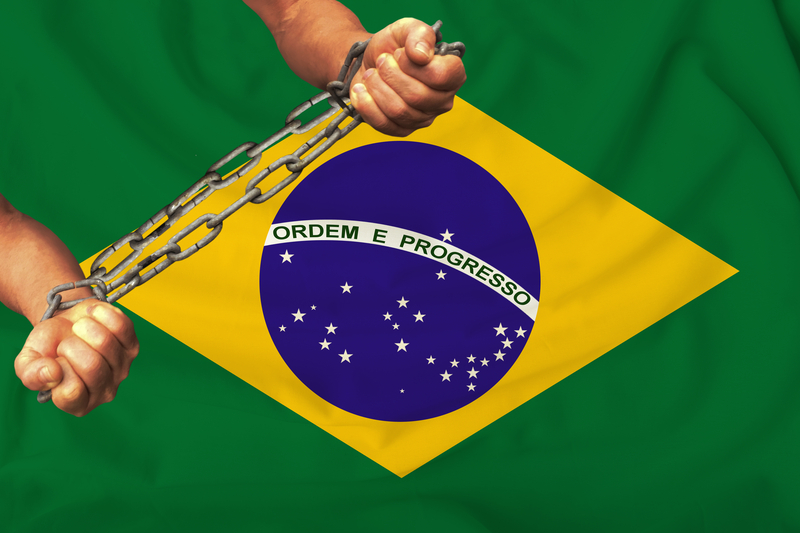
It is 1978 in beautiful sunny coastal city of Praia da Costa, southeastern Brazil, and President Geisel is in town. This is my very first memory as a child of Brazilian politics and dictatorship.

My mother grabs my hand, in the same way other mothers grabbed the hands of their children, and we all were rushed to the main city road.  One hand in our mother’s hand, the other waving a Brazilian flag frantically as Geisel passes by in his uniform followed by his entourage.

Unknown to us at the time, we were not only waving flags at Geisel, we were waving away our rights and accepting the unacceptable.  Many unaware of the conditions we were forced to live in. The 70’s was a turbulent time in the country, a time of restricted public liberties and violation of human rights, a culture of fear and repression, enforced on the population by a military junta.

Little did we know that Brazil would continue to be governed by the armed forces for seven more years.

Ernesto Geisel, an army general, President during the dictatorship, from 1974 to 1978, has been accused of authorising the torture, murder and disappearance of political prisoners. This information was included in a memo written in 1974 and released in 2018 by the director of the CIA, William Colby, addressed to Henry Kissinger, US secretary of state.  

In 1975, the death of journalist Vladimir Herzog, director-in-charge of the department at TV Cultura in São Paulo and culture editor for Visão magazine, marked a period of revolt in the country. Herzog was found dead by hanging in one of the cells of the Operations Centre for Internal Defense, known as DOI-CODI. Additionally, there were reports by the press about the disappearance and execution of countless members of the Brazilian Communist Party (PCB), and whoever opposed the regime.

In 2014, a final report was presented holding 377 people responsible for the crimes committed during the military regime, including 5 presidents.

According to a recent report published by Human Rights Watch, in May 2020, a federal court dismissed charges against people involved in the torture and killing of journalist Vladimir Herzog.

The criminals of human rights abuses from 1964 to 1985 dictatorship have been protected from justice by a 1979 amnesty law that the Supreme Court upheld in 2010, violating Brazil’s obligation under international law. Since 2010, federal prosecutors have charged about 60 former agents of the dictatorship with killings, kidnappings, among other crimes. Lower courts have dismissed most cases.

Memories of the dictatorship are still fresh and have not been forgotten by most Brazilians who lived during these unnerving, distressing and turbulent years. At the same time, Brazilians now have as a leader President Jair Bolsonaro, former military, who has repeatedly praised the dictatorship.

Bolsonaro has sought to minimise human rights violations during the years of dictatorship and has spread “misinformation” about the military regime, according to 5 United Nations rapporteurs.

Human rights have been violated in many areas during Bolsonaro’s administration. Since taking office, Bolsonaro, his allies, and government officials have been accused of lashing out at reporters over 400 times. In one instance, the federal police was asked by the government to investigate presumed defamation by two journalists and a cartoonist who criticised the president.

It is no secret the fact that Bolsonaro’s government has weakened environmental laws in Brazil, having transferred the responsibility for leading anti-deforestation efforts in the Amazon from environmental agencies to the armed forces. He also accused indigenous people and NGO’s of being responsible for the destruction of the rainforest, without any proof. Furthermore, the government also gave green light to criminal organisations engaging in illegal deforestation in the Amazon, who used intimidation and violence against forest defenders.

According to Human Rights Watch, the Bolsonaro administration has sabotaged environmental law enforcement agencies, falsely accused civil society organizations of environmental crimes, and undermined Indigenous rights. These policies have contributed to soaring deforestation rates in the Brazilian Amazon, an ecosystem vital for containing climate change.

Another point of concern is the recently sharp increase of violence in Brazil. In 2019, police killed a staggering 6,357 people, 80% of them were Black, one of the highest rates of police killings in the world. Police killings rose 6% in the first half of 2020 and homicides rose 7% during the same period.

According to the Human Rights Watch report, Bolsonaro’s government has also been accused of violating women’s and girl’s rights, environmental rights, sexual orientation and gender identity rights, migrants, refugees and asylum seekers rights, disability and children’s rights, amongst many others.

It is grim when one looks back in history and realises that Brazil remains a society of masters and slaves, continuously failing to invest in health, education, and tackle systemic corruption. Many other important issues, such as civil rights, discrimination, inequality, social justice, socioeconomic exclusion, political participation and environmental degradation continue to be deprioritised.

Examples from today and recent history should be a constant reminder that, unless the rotten trees are removed from their roots, the disease will continue to resurface and spread freely every four years for a very long time to come.

Toxic Brexit

Monica Piccinini

20 Mar 2021

Since Brexit, many questions have been raised regarding the dismantling of UK regulations and the weakening of pesticide standards via trade deals, which would mean that a large number of chemicals that have already been banned could be authorised for use in the UK. This could have a catastrophic impact on our health as well as the environment.

“The UK public has made it very clear that we don’t want post-Brexit trade deals to lead to any weakening of UK pesticide standards. It’s vital that the Government listens to consumers and protects their health by refusing to allow food imports which contain larger amounts of more toxic chemicals”, PAN UK, Pesticide Action Network, commented.

“If UK pesticide regulations are weakened as a result of EU exit, it could lead to a rise in pesticides in our food, farms and urban spaces, thereby increasing the exposure of UK citizens and our natural environment to their harmful impacts. Pesticides previously banned because of their impact on human health or the environment (such as bee-toxic neonicotinoids) could once again be allowed for use the UK”, PAN UK added.

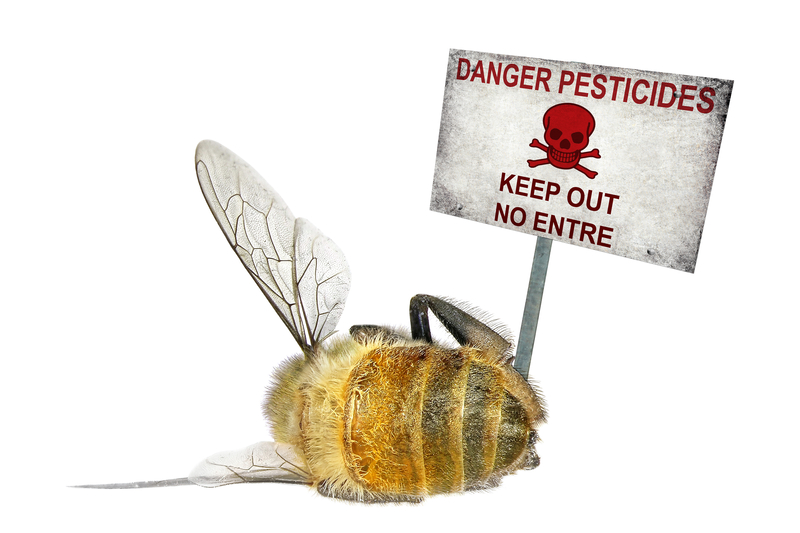
Pesticides affect our environment, damaging ecosystems by disrupting natural food chains and pollination, contributing to soil degradation, contamination of ground water and destruction of wild life.

These chemicals are also the cause of serious health issues, considered probable carcinogen, capable of causing different types of cancer, including Leukaemia and non-Hodgkin’s lymphoma, are an endocrine disruptor (EDC’s), which interferes with hormone systems, therefore causing birth defects, developmental disorders, infertility and sexual function. In addition, they are considered a neurotoxin affecting nerve tissues and the nervous system. Children and expectant mothers are the most susceptible to the effects of pesticides.

If pesticide regulations are weakened as a result of Brexit, UK consumers could have no choice but to consume food containing high level of chemicals that are currently banned, due to trade deals with countries like the US, Australia, India and Brazil, where pesticide regulation is less rigorous. Post-Brexit pesticide regulations could include the approval of harmful chemicals such as asulam, glyphosate, neonicotinoids and chlorpyrifos, among others.

UK agriculture and farmers will also be directly affected by allowing crops grown more cheaply on a larger scale to be imported. This could lead to UK farmers having no option but to resort to the use of more pesticides domestically.

The UK and the EU follow the “hazard-based” approach to pesticide regulation, meaning that if a substance is judged to be dangerous and too harzadous to be used safely, then it should be banned. Other countries like the US and Australia work on a “risk-based” approach, meaning that if a pesticide is harmful to human health, then it might be banned while a risk-based is introduced with measures, such as the use of PPE for users or instructions not to spray the chemical in certain areas.

Food regulations in the US are much less stringent than those in the UK and EU. A potential trade deal with the US means great opportunity for foreign lobby groups, such as the US agrochemical industry, to put pressure on domestic regulators in order to approve even more chemicals, expanding the list of pesticides that are already in use in the country.

According to a Toxic Trade report published by PAN UK, Pesticide Action Network, and Sustain, American grapes are allowed to contain 1,000 more times the amount of the insecticide propargite than in the UK. This chemical has been linked to cancer and considered as a developmental and reproductive toxin. An Australian apple can contain 30 times the amount of buprofezin, an insect growth regulator and a possible carcinogen, than a UK apple. This is just an example of the issues the UK could be facing if deciding to weaken pesticide regulations.

A total of 33 organophosphates (synthetic compounds that are neurotoxic in humans) are permitted in Australia, 26 in the US and 4 in the UK and EU. Of a group of 7 active substances considered highly toxic to bees and pollinators, mostly neonicotinoids (harmful to bees, mammals, birds and fish), are banned in the UK, all but one are permitted in Australia and the US.

Over the last 50 years, the US has experienced pesticide resistance due to overuse, allowing the development of “super weeds”, forcing farmers to use greater quantities and a wider range of mixtures, causing the “cocktail effect”, which is significantly more harmful than using single chemicals.

According to PAN UK and Soil Association, pesticide mixtures have been associated with obesity and impaired liver function, even when the doses of individual chemicals are below the safety levels set by regulators. Several pieces of research conducted on human cells and tissues have highlighted that pesticide mixtures can lead to the creation of cancer cells and disruption of the endocrine system, among other health problems. The UK’s regulatory system continues to assess the safety of one chemical at a time, failing to account interactions between multiple chemicals.

As reported by BrasilWire, a joint committee was recently formed by Brazil and the United Kingdom where both countries will work together on issues related to trade in agricultural goods, envisaging potential future trade agreements. A document was signed between the UK’s Secretary of State for Environment, George Eustice, the UK’s Minister for Pacific and Environment, Zac Goldsmith, and Brazil’s Minister of Agriculture, Tereza Cristina, for the creation of a Joint Agriculture Committee (CCA) between both countries. Tereza Cristina is responsible for breaking a record and supporting the approval of 967 pesticides during the Bolsonaro’s administration.

Another worrying factor related to pesticides is poisonings. A recent study published by the BMC Pubic Health Journal report that pesticide poisonings have dramatically increased globally. There are about 385 million cases of acute poisonings each year, meaning that 44% of the global population working on farms are poisoned every year. 

“These numbers are shocking, but unsurprising”, says Dr. Keith Tyrell, Director of PAN UK. “The tragedy is that these poisonings are avoidable – safe and sustainable alternatives exist, and experience from countries like Sri Lanka shows that banning pesticides can be done at low cost with little or no impact on productivity”.

Towards the end of 2020, Qu Dongyo, the Director General of the UN Food and Agriculture Organisation (FAO), announced his intention to develop a partnership with CropLife International (Bayer/Monsanto, Syngenta, Corteva, Basf and FMC), a collection of private agrochemical companies, which means that the pesticide industry may have a strong ally and the effects of this partnership could be devastating, especially for LMIC countries.

Since 2015, IARC, the WHO’s International Agency for Research and Cancer, declared Roundup’s active ingredient, glyphosate, as a possible human carcinogen. Since then, the manufacturer, Bayer/Monsanto, has been battling with thousands of lawsuits alleging that exposure to the company’s glyphosate-based products caused non-Hodgkin’s lymphoma.

Germany has decided to implement glyphosate legislation and ban glyphosate by 2024. According to a Reuter’s report, German farmers will need to gradually reduce the use of glyphosate and stop using it completely by 2024.

“The exit from glyphosate is coming. Conservationists have been working toward this for a long time. Glyphosate kills everything that is green and takes away insects’ basis for life”, said Germany’s environment minister Svenja Schulze in a statement.

In January, the UK government authorised the emergency use of the chemical neonicotinoid thiamethoxam on sugar beet seeds, but has recently overturned its decision on the use of the chemical, which has been linked to the falling numbers of honeybees, wild bees and other pollinators.  One third of the food we consume rely on pollination mainly by bees.

Recently, Brussels diplomat, Michel Barnier threatened to suspend the Brexit deal if the UK ignores EU standards. One of the issues in question was pesticide regulation. He added that the UK would be stripped of its zero-tariff and zero-quota with the bloc if it lowers European standards.

“With our agreement, the UK can now export goods without quotas or tariffs to the EU. “However, he [Boris Johnson] announced his intention to deregulate in three areas: financial services, pesticides and working hours”, he added.

“How the UK chooses to govern pesticides will have profound implications for the health of citizens, the natural environment, and the future of UK farming”, said Sarah Haynes, collaboration coordinator at Pesticide Action Network UK.

At the beginning of March CHEM Trust, with more than 20 health and environment NGOs, wrote to UK ministers to urge the Government not to weaken plans for chemical regulations now we have left the EU. In the letter, CHEM Trust stressed that the industry’s proposals would “significantly reduce the ability of the regulator to take action to protect the environment and public and workers’ health from hazardous chemicals.”

In order to protect the environment and safeguard our health, the UK government must decrease the number of pesticides used in the country, avoid the weakening of regulations and at the same time develop sustainable agricultural practices, supporting farmers by adopting a nature-based IPM, Integrated Pest Management. This decision should not be taken lightly and the results will have an irreversible lifelong impact on all our lives and nature.

Global Food Crisis

Monica Piccinini

26 Jan 2021

A radical and collective rethink is required to re-engineer many of humanities core living systems, if we are to sustain our existence on the planet.  With the global population having grown from 6.1 billion to 7.7 billion in 20 years, demand on the world’s resources is at breaking point. 

Two powerful forces are magnifying each other’s effects, creating a hurricane, which will leave devastation in its path.  These forces are not military or subversive in nature, they are basic human instincts; to feed ourselves and our families with healthy nutritious food, and the human desire for easy access to more food, more clothes, more products and more money.

The voracious demand of the worlds growing consumer base is fuelling and incentivising commercial greed, which in turn is feeding the demand within the world’s population.  A tornado that is spinning faster and faster and getting bigger, as our population gets larger and older.

Less scrupulous organisations and individuals knowingly cut corners and standards to deliver more to more, at less and less.  Often camouflaged in the respectable delivery of corporate profit and shareholder value.  This is a race to the bottom, a race in which humanity will lose.

Industrial agriculture is one such villain responsible for degradation of the land, water, and ecosystems, high green house gas emissions, biodiversity loss, hunger and nutrition deficiencies, as well as obesity and diet-related diseases.

The world’s population is set to reach nearly 10 billion by 2050, with huge concern on the need to ensure universal access to healthy food, but at the same time making sure food is produced in a sustainable way. Hunger and malnutrition is a result of the oligopoly control of the agrifood business supply chain. A high percentage of food is often lost along this supply chain before it even reaches the consumer.

According to the Food and Agriculture Organisation, FAO, an estimated 2 billion people in the world did not have regular access to safe, nutritious and sufficient food in 2019, putting them at greater risk of various forms of malnutrition and poor health. This forecast grew worse early on in the COVID-19 pandemic, with the World Food Programme (2020) warning on 21 April 2020 that the planet was facing a famine of “biblical proportions”.

More than 30 countries in the developing world, the UN agency cautioned, could experience widespread hunger, and 10 of those countries each already have more than 1 million people on the brink of starvation. 

“We are facing acute, interconnected crises – hunger, malnutrition, biodiversity loss, the climate crisis, growing inequality and poverty. What we need are real solutions, not more greenwashing from agribusiness. Real solutions – public regulation for agroecology and Food Sovereignty – require dismantling corporate power, redistributing resources, re-localising food systems and ensuring small scale producers have control. Food is a human right not a commodity”, said Kirtana Chandrasekaran, from Friends of the Earth International.

Countries need to realise the urgent need to support small-scale food producers, such as family farming and agroecology, adopt measures to address food price volatility, better market linkages and shorter supply chain, improving coordination between producers and consumers. Agroecology contributes to reduction of greenhouse emissions and builds farming that is more resilient to climate change.

Family farming represents 90 per cent of all farms globally, and produce 80 per cent of the world’s food in value terms, according to the Food and Agriculture Organisation, FAO. Family farmers combined with the practice of agroecology could be key to addressing global food security, as well as the conservation of ecosystems, considering they have full government support through adequate policy, resources, services, programs and regulations and their production methods comply with environmental standards. The Food and Agriculture Organisation of the United Nations has produced a document, “The 10 Elements of Agroecology”, a guide to transition to sustainable food and agricultural systems, offering a unique approach to meeting significant increases in our food needs of the future.

It is evident the dominance exercised by mega-corporations over food systems. A few corporate food empires control the majority of the food we consume and their practices have caused a serious impact on our health, environment, and farming communities. Their production is carried out on mass scales, based on intensive use of agrochemicals, hormones and antibiotics. They prioritise profit above all else.

These global agribusiness giants not only control the market price farmers get, but also what we eat, not to mention their contribution to poor health, food waste, soil erosion and soil acidification due to the use of chemical fertilisers and pesticides, wildlife destruction, ground water pollution, disease outbreaks, death, hunger and food insecurity, deforestation and climate change. According to the Climate Land Use Alliance, commercial agriculture drives 71% of tropical deforestation, posing serious risks to our global forests and climate.

On a report of Mighty Earth, more than one million square kilometers of the planet have been cleared of their natural vegetation to grow soy, one of the primary ingredients of animal feed used to raise meat. More than three quarters of the world’s soy is used to feed livestock.

Cargill, Bunge, JBS, ADM – Archer Daniels Midland and Tyson are the World’s largest agribusiness companies. Cargill is a US privately held company, found in 1865 by William Wallace Cargill. It was named the “worse company in the world”, according to an astonishing Mighty Earth Report. The company has been involved in scandals that go from fatal food poisonings, agricultural pollution, deforestation, contamination, to allegations of child enslaved labour. This large corporation still manages to keep a very low profile.

“The people who have been sickened or died from eating contaminated Cargill meat, the child laborers who grow the cocoa Cargill sells for the world’s chocolate, the Midwesterners who drink water polluted by Cargill, the Indigenous People displaced by vast deforestation to make way for Cargill’s animal feed, and the ordinary consumers who’ve paid more to put food on the dinner table because of Cargill’s financial malfeasance — all have felt the impact of this agribusiness giant.” These are the words of former Member of Congress and Chairman of Mighty Earth, Henry A. Waxman.

Cargill, the UK’s largest soybean importer, has been linked to the deforestation of 61,260 hectares of forests in the Brazilian Amazon and the Cerrado since March 2019. Cargill provides chicken to the UK market via Avara, the company’s joint enterprise with Faccenda foods. They supply chicken to Tesco, Nando’s and McDonald’s.

“British consumers have been talking loud and clear – they don’t want to be complicit in destroying Brazil’s precious forests. However, supermarkets are failing to protect them from eating meat fed with forest-destroying soy, ”says Robin Willoughby, director of Mighty Earth UK. “We are urging the CEOs of Tesco PLC, J.Sainsbury’s, ASDA, Morrisons and Aldi UK to take immediate steps to stop the destruction of Brazil and abandon Cargill.”

Brazil’s Cerrado and the Amazon rainforest are not the only regions that have been affected by the exploitation of Cargill. The Gran Chaco region, 110 million hectare ecosystem, spanning Argentina, Bolivia and Paraguay, faced burning of their fields to make way to genetically modified soy. Home to communities of Indigenous Peoples, including the Ayoreo, Chamacoco, Enxet, Guarayo, Maka’a, Manjuy, Mocoví, Nandeva, Nivakle, Toba Qom, and Wichi.

Cargill also helped drive destruction of Ghana and Côte d’Ivoire’s forests to grow cheap cocoa, buying cocoa grown through the illegal clearing of protected forests and national parks as a standard practice. Ghana and Côte d’Ivoire are the world’s two largest cocoa-producing countries. Many other countries across the world have also been affected by the greedy practices of Cargill.

“The agricultural sectors and livestock farming in particular must shift towards sustainability to enhance their contribution to food security, nutrition and healthy diets and build back better to overcome the COVID-19 pandemic and other challenges”, FAO Director-General QU Dongyu said on September 28, 2020,  in his opening remarks to the 27th session of the Committee on Agriculture (COAG).

Many other factors affect the way our food is grown, such as the use of pesticides, which cause a huge impact on our health, soil, water and animal life. Chemicals considered harmful to our health, and also to the environment, have been sold by the world’s largest agrochemical companies: Bayer, BASF, Syngenta, and Corteva – members of Croplife International lobby group. These chemicals have been linked to increased cancer, liver disease, DNA damage, reproductive failure, endocrine disruption and also groundwater contamination, microbiome disruption, poisoning of birds, mammals, fish and bees. Although in European markets some of these dangerous products have already been banned, European companies can still produce and sell them to regions with lesser regulations. 

Recently, the UK government has allowed farmers to use a poisonous bee-killing pesticide neonicotinoid thiamethoxam on beet crops, a chemical that has already been banned in the EU. Pesticides should be replaced with safer, agro-ecological and other appropriate non-chemical alternatives.

Another great concern is the fact that the largest technology companies, such as Amazon and Microsoft, are now entering the food sector, where we have seen a strong relationship being formed between companies that supply farmers with pesticides, expensive machinery, drones, etc., and those who are in control of food distribution and collecting and storing data.  Farmers are being pushed to use their mobile phone apps, which feeds them with data as well as monitors their every movement. It is worth pointing out that small farmers can’t afford this high tech data gathering technology.

The largest agribusiness companies all have apps that cover millions of hectares of farmland, supplying farmers with information in exchange for a discount on their products. One example is Bayer, the world’s largest pesticide and seed company, where its app is being used in the US, Europe, Canada, Brazil and Argentina. This digital infrastructure is run by platforms developed by tech companies that run cloud services, such as Amazon Web Services (AWS).

The aim is to integrate millions of small farmers into a wide centrally controlled network, making it easier for corporations investing in agribusiness to control and profit by encouraging and forcing them to buy their products. Profit is definitely the main and only purpose of these global technology companies like Microsoft, Apple, Google, Amazon, Facebook, Alibaba, as well as agrochemical corporations, such as Sygenta/Chem China, Basf, Bayer/Monsanto, Corteva, including the involvement of international institutions supporting digital agriculture such as AGRA, CGIAR, FAO and the World Bank.

There is no question that something needs to be done in order to ensure the protection of biodiversity by developing sustainable agricultural practices. By dismantling the power of large agribusiness corporations and reconstructing sustainable agri-food systems, a more reliable, secure and healthy world will be the place where we will be able to live in harmony with the environment, and where it will provide us with our very basic human right: food. We are facing an urgent call from Nature!