Brazil’s Yanomami and the Rise of Ultra-Processed Foods

Monica Piccinini

11 October 2023

The Yanomami live in the rainforests of northern Brazil and southern Venezuela and are considered the largest isolated tribe in South America. The Brazilian state, corporations and illegal activities have for decades violated their rights and caused the deaths of countless Yanomami. However, they now face a growing new threat – from ultra-processed foods.

In the far northern region of Brazil, the Yanomami population consists of approximately 27,000 individuals, spread across more than 300 villages within the Yanomami indigenous territory, in an area of 9,664,975 hectares.

The health conditions afflicting the Yanonami community, including malnutrition and chronic diseases, are a result of the violation of their rights, unstable socio-economic conditions, and ongoing invasions of their territory. These circumstances have led to a social-environmental vulnerability within their population, placing their families, particularly children, at risk of consuming ultra-processed foods.

A study conducted by Brazil’s Oswaldo Cruz Foundation, Fiocruz, offers groundbreaking insights into the dietary patterns of Yanomami indigenous youth. It reveals that more than 90% of Yanomami aged 6 to 59 months exhibit short stature (linear growth stunting).

“Without a doubt, the Yanomami increased consumption of carbohydrates, sugar, salt, fat, food additives, and low-nutrient highly processed foods, contributes to nutritional and metabolic health concerns, specifically among their children,” explained Jesem Douglas Yamall Orellana, Fiocruz researcher of public health and epidemiologist at Fiocruz, and one of the authors of the study.

According to Orellana, the heightened consumption of ultra-processed foods among the Yanomami children not only significantly exacerbates their pre-existing health issues, but also gives rise to new ones.

Numerous research findings have established associations between ultra-processed foods and various health concerns, such as obesity, type 2 diabetes, cancer, depression, multiple sclerosis (MS), cardiovascular disease, and even mortality.

Last month, Brazil’s national health council president, Fernando Zasso Pigatto, issued a recommendation with following note:

“Considering that, in the scenario of poverty and hunger, the Yanomami people are hostage to the supply of processed and ultra-processed products, in many cases expired, satisfying external interests, which worsens the scenario of infectious disease, malnutrition, deficiencies, nutritional and chronic diseases, such as the onset of diabetes, hypertension and obesity.”

Study Data

The study group reported that the minimally processed ‘regional’ foods consumed by the Yanomami consisted primarily of fruits (69%), followed by corn, roots, or tubers (45%), peach palm or palm heart (33%), fish or crab (33%), and couscous (32%), according to the most frequently mentioned items.

The ultra-processed foods most commonly mentioned were cakes or cookies (25%) and chocolate or chocolate powder (6%). Some also consume soft drinks, soda, candy, artificial juice and yogurt, canned foods, instant noodles, among other items.

The Fiocruz study was designed as a comprehensive survey for children residing in villages within three remote regions of the Brazilian Amazon, offering valuable data for this particularly under represented group.

The research group consisted of Yanomami children ranging from six months to five years old, and the investigation took place within three Yanomami communities located in the Brazilian Amazon: Maturaca, Ariabu, and Auaris.

Map of the Yanomami Indigenous Territory, Brazilian Amazon. Image provided by Jesem Orellana.

The residents of Maturaca and Ariabu villages usually have more regular interactions with non-indigenous communities, which include military personnel, healthcare workers, illegal miners, loggers and criminal groups.

In contrast, the Ariabu population is relatively isolated, having limited contact with urban communities. Consequently, they enjoy greater territorial mobility, affording them the freedom to practice their traditional way of life.

The research findings indicated that the consumption of ultra-processed foods was significantly more prevalent in children from Maturaca (11.6 times higher) and Ariabu (9.2 times higher) in comparison to the children from Auaris.

This observation emphasises the importance of social contact with non-indigenous communities as a critical factor influencing the consumption of ultra-processed foods.

Another intriguing finding from the study was a 31% reduction in ultra-processed food consumption among children whose mothers had shorter stature when compared to those whose mothers had a proper height.

Orellana explained, “Typically, the most economically disadvantaged mothers in the community can be identified as those with higher short stature rates, limited or no income, a background of enduring poverty, and a history of hardships that have stunted their growth into ‘short adults.’ These mothers lack the means to purchase and access ultra-processed foods, which, in turn, works to their advantage.”

The general occurrence of ultra-processed foods stood at 32%, and this was linked to both the location of residence and the height of the mothers.

The Culprits

The Yanomami are traditionally categorised as hunter-gatherers, but the frequent invasions of illegal miners, loggers, and criminal organisations into their territory have a direct influence on the areas from which they gather their food, consequently affecting their dietary patterns.

Their families are compelled to interact with non-indigenous communities, resulting in their exposure to urban centers and the consumption of ultra-processed foods with poor nutritional content, high energy density, low fibre and micronutrient content, and an abundance of preservatives and industrial additives.

According to Orellana, what caught the interest of the group of scientists was the correlation between the increased consumption of ultra-processed foods by the Yanomami and a higher likelihood of them abandoning their agricultural practices.

“The Yanomami were historically known for their semi-nomadic lyfestyle, moving to new areas every two years to allow their previously occupied lands to regenerate. Nowadays, they are reluctant to leave their territory due to the invasion of illegal miners, loggers and drug traffickers, which has instilled fear in them about the possibility of violent attacks,” explained Orellana.

Orellana added, “The Yanomami traditionally relied on their understanding of sun and lunar cycles, as well as rain and drought patterns, to observe and manage soil and land dynamics. However, recent shifts in weather patterns, including extreme climate conditions, have disrupted their ability to accurately determine the optimal planting times for crops like corn and cassava.

“Furthermore, they now face concerns about fishing due to the contamination of their rivers by illegal mining activities, particularly the presence of mercury. These environmental challenges have led the Yanomami to increasingly rely on ultra-processed foods, as they find themselves struggling to maintain their traditional practices.”

The developments observed among the Yanomami over the past two decades is similar to the experiences of nearly all indigenous populations in Brazil that have been in direct contact with non-indigenous communities for over 50 years.

“In the last nine months, we’ve observed specific actions undertaken by the federal government to address issues in areas previously identified as housing various invaders, and these actions have received considerable media coverage,” mentioned Orellana.

He detailed how certain national issues are manipulated and exploited by both the government and the media to further their interests:

“Extensive operations were conducted in these areas (Yanonami territory), featuring visits by the president and ministers. Once these matters were no longer the focal point, attention shifted to a different region. These undertakings are often referred to as ‘political spectacles’ rather than genuinely impactful operations.”

Climate change and frequent invasions into the Yanomami land by illegal miners, loggers, and criminal groups are the primary factors that impact their diet, well-being, and traditional lifestyle, making them crucial determinants of their survival.

Orellana pointed out several potential measures that could effectively address some of the problems impacting the Yanonami community:

“Immediate action is essential to establish control over the territory and impose severe and efficient penalties on intruders. Without these measures in place, the issues affecting the Yanomami, such as increased consumption of high-processed foods due to the disruptions in their traditional agricultural practices, which is detrimental to their well-being and cultural heritage, will persist without resolution.”


Article published in The Ecologist: https://theecologist.org/2023/oct/12/indigenous-tribes-made-ill-processed-foods

Article published in The Canary: https://www.thecanary.co/global/2023/10/10/yanomami-people-brazil-ultra-processed-food/

Article published in Portuguese in A Escola Legal: https://aescolalegal.com.br/blog/2023/10/11/yanomami-envenenados/

‘The Toxic Poster Child of Europe’: The UK’s Controversial Pesticide Policies

Monica Piccinini

13 September 2023

The UK is falling even further behind Europe in its efforts to remove chemicals harmful to both human health and the environment from the market.

According to a study by Pesticide Action Network UK (PAN UK), there are presently 36 pesticides authorised for use in the UK that are prohibited in EU nations.

Among the 36 approved pesticides, 13 are categorised as highly hazardous. This group includes four pesticides that pose a high toxicity risk to bees, one that contaminates water, and another that is highly toxic to aquatic organisms. The UK will continue to employ these 13 hazardous pesticides for an additional two to five years compared to EU nations.

Nick Mole, PAN UK’s policy officer, said:

“The UK is becoming the toxic poster child of Europe. The government has repeatedly promised that our environmental standards won’t slip post-Brexit. And yet here we are, less than four years later, and already we’re seeing our standards fall far behind those of the EU.

“With UK bees and other pollinators in decline, and our waters never more polluted, now is the time to be taking steps to protect nature. Instead, the government is choosing to expose British wildlife to an ever-more toxic soup of chemicals.”

Photo 96685860 © Zimmytws | Dreamstime.com

Additionally, PAN UK’s study unveiled an increasing concern for human health, displayed by the following list of 36 pesticides permitted in the UK, but prohibited in the EU:

  • 12 are classified as carcinogens, capable of causing different types of cancer, including leukaemia and non-Hodgkin’s lymphoma;
  • Nine are endocrine disruptors (EDCs), which interfere with hormone systems and can cause birth defects, developmental disorders and reproductive problems, such as infertility;
  • Eight are ‘developmental or reproductive toxins’, which have adverse effects on sexual function and fertility in both adults and children, and can reduce the number of functionality of sperm and cause miscarriages;
  • Two are cholinesterase inhibitors, reducing the ability of nerve cells to pass information to each other and can impair the respiratory system, causing confusion, headaches and weakness;
  • One is classified as acutely toxic, meaning that adverse health effects can result either from a single exposure or from multiple ones in a short period of time (usually 24 hours).

The majority of the chemicals in question (30) were allowed for use in the EU when the UK left on 31 January 2020, but have since been removed from the EU market. The remaining six chemicals have been approved by the UK government, but not in the EU, since Brexit.

One of the primary reasons for the disparity in standards originates from a decision made by the UK government. They have granted an automatic three-year extension to all pesticides with licenses set to expire before December 2023, indicating limited governmental capacity for re-approving pesticides.

Previously, the UK had a policy of granting a maximum 15-year license to pesticides before requiring re-approval, acknowledging the substantial risks these chemicals pose to both human health and the environment.

“The UK government promised to drive a reduction in pesticide use back in 2018 and yet we’re still waiting for them to take action”, added Mole.

Photo 137761746 | Brexit Britain © Honourableandbold | Dreamstime.com

These measures will also affect trade deals between the UK and EU, explained Mole:

“The Emerging gap between the UK and EU pesticide standards is incredibly concerning for our human health and environmental protections, but also for the future of UK agriculture as our standards fall further and further behind those of our largest trading partner.

“UK food exports containing pesticides that EU growers aren’t allowed to use, are likely to be rejected. Given that the EU still accounts for around 60% of UK agricultural exports, the impact on farmers could be devastating.”

PAN UK urges the UK government to, at the very least, maintain alignment with EU pesticide norms and prevent any further deterioration of existing UK standards.

Additionally, PAN UK advocates for the immediate implementation of long-overdue measures, including pesticide reduction targets, the halt of pesticide use in urban areas, and the enhancement of state support for farmers to reduce their reliance on agrochemicals.

The UK pesticide policies will have far-reaching effects, impacting not just the health of individuals and the environment, but also our farmers and our trade agreements with the EU, our largest trading partner.

Article published in The Ecologist: https://theecologist.org/2023/sep/13/toxic-poster-child-europe

Article published in The Canary: https://www.thecanary.co/uk/2023/09/13/uk-pesticides-post-brexit-policies/

Surging Hunger Levels Crush Years of Progress

Monica Piccinini

12 July 2023

The world is facing an alarming and deeply distressing reality as food insecurity reaches catastrophically high levels. Across the globe, countless individuals and communities are struggling with the crippling fear of not having enough to eat.

According to the latest findings unveiled in the United Nation’s State of Food Security and Nutrition in the World (SOFI) report published today, the data highlights a distressing state of global hunger in 2022, a year tainted by a combination of severe challenges, including a food price crisis, ongoing conflicts, and detrimental economic and climate disturbances.

This is a sobering wake up call, says the International Panel of Experts on Sustainable Food Systems, IPES-Food.

Jennifer Clapp, food security expert with IPES-Food and professor at the University of Waterloo, Canada, explained:

“The world is facing disturbingly high levels of hunger right now. Years of progress on improving food security and nutrition have been erased. Governments have failed to make food systems shock-resistant, to shield people from food price inflation, or to address the ticking time bomb of debt.

We desperately need a new recipe for addressing hunger – based on the right to food, less reliance on volatile global markets, and on countries producing more food for their own people.”

The SOFI data reveals an alarming picture, where food insecurity has reached unprecedented and catastrophic new levels with no signs of improvement on the horizon – setting the world back 15 years.

In 2022, approximately 735 million people (9.2% of the world population) faced economic undernourishment, while nearly 30% of the world’s population encountered varying degrees of moderate to severe food insecurity.

Photo: ID 21810737 © Udra11 | Dreamstime.com

The report also reveals that the hunger crisis intensified in 2022, with an additional 122 million people facing food insecurity compared to the pre-pandemic period in 2019. The compounding effects of COVID, conflict and climate change have highlighted the fragility and inequalities ingrained within the global food systems.

Moreover, the study warns that if substantial changes are not implemented, we are heading towards a future where 600 million individuals will continue to suffer from chronic undernourishment by 2030. This outcome would have severe consequences for the achievement of the sustainable development goals (SDGs), rendering them ineffective.

Olivier De Schutter, co-chair of the International Panel of Experts on Sustainable Food Systems, IPES-Food, and UN special rapporteur on extreme poverty and human rights, mentioned:

“Low income countries are trapped in debt, unable to invest in combating hunger, and condemned to export cash crops rather than feed their own people.

To have any hope of reaching the sustainable development goals at transformation is needed – with social protection schemes that guarantee the right to food for the world’s poorest, debt cancellation, and investment in diverse, resilient agroecological food production.”

The impact of food insecurity is devastating, with families and vulnerable populations bearing the brunt of its consequences.

Hunger in Africa Continues to Grow

Photo: ID 69057865 © Mantinov | Dreamstime.com

The relentless increase of hunger in Africa persisted for the tenth consecutive year, affecting a staggering one-fifth of the continent’s population.

According to the SOFI report, in Africa, where the shares of the population that are food insecure and unable to afford a healthy diet, are among the highest in the world.

Million Belay, expert with IPES-Food and coordinator of the Alliance for Food Sovereignty in Africa, AFSA, reacted:

“It’s shocking that hunger has risen in African for ten years in a row. But our exploitative global economic system has prioritised servicing debt over feeding people, exporting cash for crops over growing nutritious food for Africans, and burning fossil fuels over adapting to climate change.”

Fresh data from 11 African nations reveals that farmers and rural communities face greater vulnerability to fluctuating food prices and hunger than previously anticipated, while the consumption of processed foods in these regions is on the rise, even in rural areas. In rural areas, a notable 33% of individuals encounter moderate to severe food insecurity, surpassing the corresponding figures observed in urban areas.

The African Development Bank estimated that Africa’s net food imports reached $35 billion in 2015, and expects it to triple by 2025, reaching over $110 billion. Agricultural surpluses from the Global North are dumped on African markets, inundating local markets, driving down farmers’ incomes, weakening communities and local agricultural production.

Africa’s reliance on world food markets is damaging to food security, especially during times of crisis, like we’ve seen during the COVID pandemic.

“African countries have been left critically vulnerable to the blows of the pandemic, the war in Ukraine, and climate change. Our governments are starved of cash to build the sustainable food systems we need to feed ourselves. The dominant food system is reducing people’s resilience to shocks and leading to perpetual debt and food dumping – this must change”, explained Belay.

Ultra Processed Diet

Photo: ID 273587833 © Altitudevs | Dreamstime.com

The adoption of industrialised farming practices has led to a change in dietary habits, with a rise in the consumption of highly processed foods, which has had negative health consequences, particularly among low-income communities.

Additionally, this form of agriculture heavily depends on the widespread use of chemical inputs, including fertilisers, herbicides, pesticides and antibiotics, with negative consequences for ecosystems and human health.

Based on the SOFI report, the increased accessibility of affordable, ready-to-eat, and fast food options, which are often high in calories, fats, sugars, and salt, can contribute to malnutrition.

Insufficient availability of fruits and vegetables for meeting the daily nutritional needs of the population is also a concern. Moreover, this trend has resulted in the exclusion of small-scale farmers from formal value chains and the loss of land and natural resources due to urban expansion.

The report also highlights the prevalence of child overweight at risk of increasing with the emerging problem of high consumption of highly processed foods and food away from home in urban centres, which is increasingly spreading into peri-urban and rural areas.

“Once again the world is plagued by hunger. A healthy diet is unattainable for nearly half of the world’s population – even while food manufacturers and giant agriculture corporations enjoy bonanza profits”, explained De Schutter.

The predicted cost of treating dietary related diseases is projected to exceed $1 trillion by 2030.

Global hunger can have severe consequences that go beyond the immediate lack of food. Key consequences associated with global famine include migration and displacement, health issues, economic impacts, as well as social and political unrest.

As the grip of food insecurity tightens, urgent action and comprehensive strategies are essential to alleviate this alarming situation, restore hope, and ensure that no one is left behind in the struggle for sustenance.

The time to act is now, as we must collectively confront the specter of hunger and work tirelessly to build a future where food insecurity becomes an unimaginable concept rather than a haunting reality.

Pesticides and the Climate Crisis: Fossil Fuel Dependency Exacerbates Impact

Monica Piccinini

5 July 2023

In the quest to understand and combat climate change, our attention is often drawn to the colossal emissions produced by fossil fuels. However, beneath the surface lies another insidious contributor to our warming planet: pesticides.

While these chemicals have long been associated with their harmful effects on ecosystems and human health, a lesser-known truth is their direct link to the fossil fuel industry.

As we delve into the hidden world of greenhouse emissions, a startling revelation emerges – the use of pesticides has become an accomplice in perpetuating the climate crisis, casting a shadow over our efforts to create a sustainable future.

Globally, food systems account for over one third of all greenhouse gas emissions, which includes agriculture and pesticide use.

Scientific evidence suggests that the use of pesticides not only plays a significant role in the generation of greenhouse gas emissions, but also heightens the susceptibility of our agricultural systems to the impacts of climate change. However, the potential of pesticide reduction as a viable solution to the climate crisis has been widely overlooked.

Doug Parr, chief scientist and policy director at Greenpeace UK said:

“Public understanding of the role that fossil fuel companies have played in driving the climate emergency has increased hugely in the last few years, and now we know that we need to add the pesticide industry to the list of climate polluters. Reducing the use of pesticides would be at least a double in addressing nature decline and climate crisis.”

According to a report by PAN UK, Pesticide Action Network, and The Pesticide Collaboration, titled “Pesticides and The Climate Crisis: A Vicious Cycle”, 99% of all synthetic chemicals, including pesticides, are derived from fossil fuels.

The world’s largest oil and gas companies, including ExxonMobil, Shell and ChevronPhillips Chemical, produce pesticides or their chemical ingredients.

Some pesticides, such as sulfuryl fluoride, are powerful greenhouse gases, having nearly 5,000 times the potency of carbon dioxide.

Photo: ID 46018102 © Ig0rzDreamstime.com

Pesticides have a significant impact on the climate emergency throughout their lifecycle, involving various stages from manufacturing to disposal. Here are some ways pesticides exacerbate the climate crisis:

Manufacturing: The production of pesticides involves energy-intensive processes that often rely on fossil fuels. From the extraction of raw materials to the synthesis of active ingredients, greenhouse gas emissions are generated, contributing to climate change.

Packaging: Pesticides are typically packaged in materials derived from fossil fuels, such as plastic containers. The production and disposal of these packaging materials further contribute to carbon emissions and environmental pollution.

Transportation: Pesticides are often transported over long distances from manufacturing facilities to distribution centres and end-users. The use of fossil fuel-powered vehicles for transportation adds to the carbon footprint associated with pesticides.

Application: During pesticide application, emissions occur due to the use of mechanised equipment and vehicles. Additionally, some pesticide formulations release volatile organic compounds (VOCs) into the atmosphere, contributing to air pollution, climate change and impacting our health by damaging the central nervous system and other organs, some causing cancer.

Environmental Degradation: Pesticides can have detrimental effects on ecosystems, leading to biodiversity loss and disruptions in natural processes. This ecological damage can further impact the climate crisis by destabilising ecosystems that help regulate the planet’s climate, such as forests and wetlands.

Disposal: Improper disposal of pesticides, such as through incineration or landfilling, can release harmful chemicals into the environment. Inefficient disposal methods can contribute to soil and water pollution, affecting ecosystems and potentially releasing greenhouse gases like methane.

Overall, the entire lifecycle of pesticides, from manufacturing and packaging to transportation, application, and disposal, contributes to the climate emergency through various emissions, environmental degradation, and pollution. Understanding these impacts is crucial for developing sustainable alternatives and practices in agriculture and pest management.

Agriculture

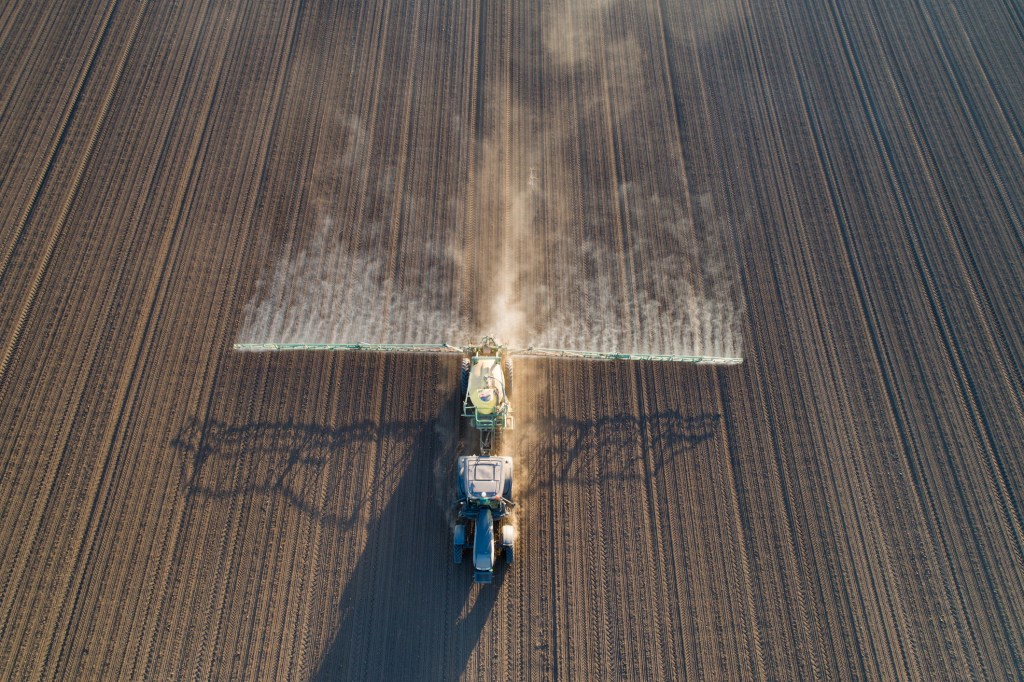
Aerial image of tractor working in field
Photo: ID 172643586 © Jevtic | Dreamstime.com

With increasing temperatures, there is a corresponding surge in pest populations, leading to decreased crop resilience. Consequently, a greater quantity of pesticides becomes necessary.

The heightened reliance on pesticides subsequently fosters the proliferation of resistance among insects and weeds towards herbicides and insecticides. Moreover, it perpetuates the detrimental impact on human health and the environment.

The study conducted by PAN UK, Pesticide Action Network, and The Pesticide Collaboration, “Pesticides and the Climate Crisis: A Vicious Cycle”, highlights the anticipated outcome of climate change on farming practices.

It suggests that farmers may resort to intensifying the use of synthetic pesticides, unless we initiate a shift towards more sustainable forms of agriculture, embracing smaller-scale and diversified agroecological methods.

The study also outlines how agricultural pests will respond to climate change, including crop resilience decline, the shifting of pest populations and reach, impacts on pests’ natural enemies, the increase in weeds and the rise in regionalism and unpredictability.

Commodity crops, such as maize, soybeans, rice, cotton and wheat, are among those with the greatest use of pesticides and fertilisers globally.

Between 2005 and 2020, the global use of pesticides witnessed a notable upswing of 17%. However, the application of herbicides experienced an even more substantial surge of 34%.

China, the United States, Argentina, Thailand and Brazil emerged as the leading consumers of pesticides, contributing to these escalating figures.

Nevertheless, it’s important to note that these statistics likely underestimate the true extent of pesticide use due to various factors, such as underreporting and unrecorded applications. For instance, the inclusion of pesticides used as seed treatments is lacking in the UN Food and Agriculture database, thereby contributing to the underestimation.

In 2020, the UK used over 13,018 tonnes of pesticide active ingredients. One of the most widely used active substances was the herbicide glyphosate.

A total of 2,602 tonnes of glyphosate was sprayed on all UK crops during 2020, a 16% rise over four years, generating 81,410 tonnes of CO2, equivalent to more than 75,000 flights from London to Sydney. This figure does not include the large amount that is used in other areas, such as towns, cities and private gardens.

Josie Cohen, head of policy and campaigns at PAN UK, said:

“The government urgently needs to take a joined-up approach to tackling the climate and nature crisis, as they go hand-in-hand. The solutions to these emergencies must not undermine each other. The UK’s net zero target cannot be achieved without transforming agriculture including a major reduction in pesticide use, which will also bring huge benefits to nature and biodiversity.”

Farming methods that avoid synthetic pesticides, such as agroecological systems or diversified organic farming, offer multiple benefits in terms of reducing greenhouse gas emissions and enhancing carbon sequestration.

Moreover, these approaches improve the ability of farms to withstand climate change and combat pests by bolstering various ecosystem services. These services include improving water quality and availability for crops, enhancing soil health, boosting crop resilience against pests and diseases, and fostering increased populations of pollinators and natural pest control agents.

In light of the climate crisis and its far-reaching consequences on various aspects of our lives and the environment, it has become increasingly imperative to shift away from the prevalent chemical-intensive agricultural practices and embrace a biological approach.

This transition is crucial to safeguard our wellbeing and survival, as it directly influences our health, soil quality, air and water purity, food production, and the delicate balance of biodiversity.

Pesticide-Induced Cancer and Nature’s Silent Demise – Latest UK Government Figures Expose Alarming Trends

Monica Piccinini

14 June 2023

Official UK government pesticide usage data reveals that the use of glyphosate in UK farming is increasing, despite a recent government promise to “reduce reliance on the use of conventional chemical pesticides.”

According to analysis by Pesticide Action Network UK (PAN UK) and the latest figures, the amount of glyphosate used in UK agriculture grew by more than 360 tonnes (16%) between 2016 and 2020, while the area of land sprayed with the pesticide increased by 9%, amounting to 230,000 hectares, three times the size of Greater Manchester.

Nick Mole, PAN UK’s policy officer, mentioned:

These latest figures, while shocking, are actually a huge underestimation of our exposure to glyphosate since they only relate to farming. Meanwhile, glyphosate is also sprayed liberally in most UK towns and cities.

The negative impacts of glyphosate on human health and the environment are well-documented. With cancer rates and biodiversity loss both rising, it’s crazy that we continue to endanger the health of rural residents, farmworkers and wildlife when there are plenty of safer and more sustainable alternatives available.

One of the primary concerns associated with glyphosate is its potential impact on human health. Several studies have suggested a possible link between glyphosate exposure and various health issues, such as an increased risk of cancer, particularly non-Hodgkin’s lymphoma.

In 2015, the International Agency for Research on Cancer (IARC), a specialised agency of the World Health Organization (WHO), classified glyphosate as a probable human carcinogen. However, other regulatory agencies, including the European Food Safety Authority (EFSA) and the United States Environmental Protection Agency (EPA), have concluded that glyphosate is unlikely to pose a significant risk to human health when used according to approved guidelines.

Environmental concerns are another area of contention surrounding glyphosate use. The herbicide’s widespread application can lead to its presence in soil, water bodies, and food crops, potentially impacting ecosystems and non-target organisms.

Photo: ID 204609809© Ricochet69 | Dreamstime.com

Glyphosate has been linked to adverse effects on aquatic organisms, including fish and amphibians, and there are concerns about its potential impact on pollinators, such as bees, which are crucial for agricultural productivity and biodiversity.

Additionally, the long-term use of glyphosate can lead to the development of herbicide-resistant weeds, commonly known as “super-weeds.” Continuous exposure to glyphosate can exert selection pressure on weed populations, promoting the growth of resistant individuals that are no longer susceptible to the herbicide. This phenomenon necessitates the increased use of glyphosate or other herbicides, leading to potential environmental harm and higher costs for farmers.

PAN UK’s report also reveals that the use of a number of other highly hazardous pesticides (HHPs), a UN concept used to identify particularly harmful pesticides, is also on the rise, including:

  • 2,4D, a herbicide highly toxic to bees and possible carcinogen and suspected endocrine disruptor, which can interfere with hormone systems;
  • Imazalil, a fungicide linked to cancer and classified as a ‘developmental or reproductive toxin’, which can negatively affect sexual function and fertility;
  • Cyantraniliprole and lambda-cyhalothrin, insecticides highly toxic to bees.

With the clock ticking on the biodiversity crisis, and the UK already one of the most nature-depleted countries in the world, we must move further and faster. Absolutely key is supporting farmers to transition away from chemical dependence and towards more nature-friendly methods of production, warned Mole.

Whilst conducting their analysis, PAN UK’s noted some major problems with the government’s pesticide usage figures, including numbers being changed retroactively and discrepancies between data sets that are supposed to be identical. 

The organisation is calling on the UK government to urgently improve pesticide usage monitoring and data, increase support for farmers to reduce pesticide use and introduce non-chemical alternatives, establish reduction targets to drive a decrease in both use and toxicity, end use of pesticides that are harmful to bees and other pollinators, and finally publish the long-awaited National Action Plan on Sustainable Use of Pesticides that was promised for 2018.

The debate surrounding glyphosate and HHPs’ health risks, environmental impact, and the need for alternative weed control methods continues to evolve.

It is essential for the government, regulatory agencies, scientists, farmers, and the public to remain vigilant, informed, and engaged to ensure toxic chemicals are urgently replaced with non-chemical alternatives.

We Need to Talk About Our Food Systems

Monica Piccinini

8 June 2023

Our global food systems are highly complex and serve many constituent parts. It’s responsible for making available fresh produce throughout the year in countries and regions that historically have been very limited in their food produce. Viewed in a positive light, the systems serve the needs of many.

However, as the global food systems have evolved over time, it has increasingly been focused on monetary gain for corporate stakeholders and less about serving the needs of the global populous.

The increasing focus on economic gain from the global food systems can be evidenced as a cause of wide scale sickness, hunger, poverty, sickness, homelessness, poisoning of our land, water, air, plants, animals, our bodies and minds.

The food industry is considered as a major drive of climate change, responsible for one third of world GHG emissions (IPCC 2019), land-use change and biodiversity loss (40% of earth’s surface), major user of freshwater resources (70% of global freshwater) and a major polluter of terrestrial aquatic systems through the use of chemicals.

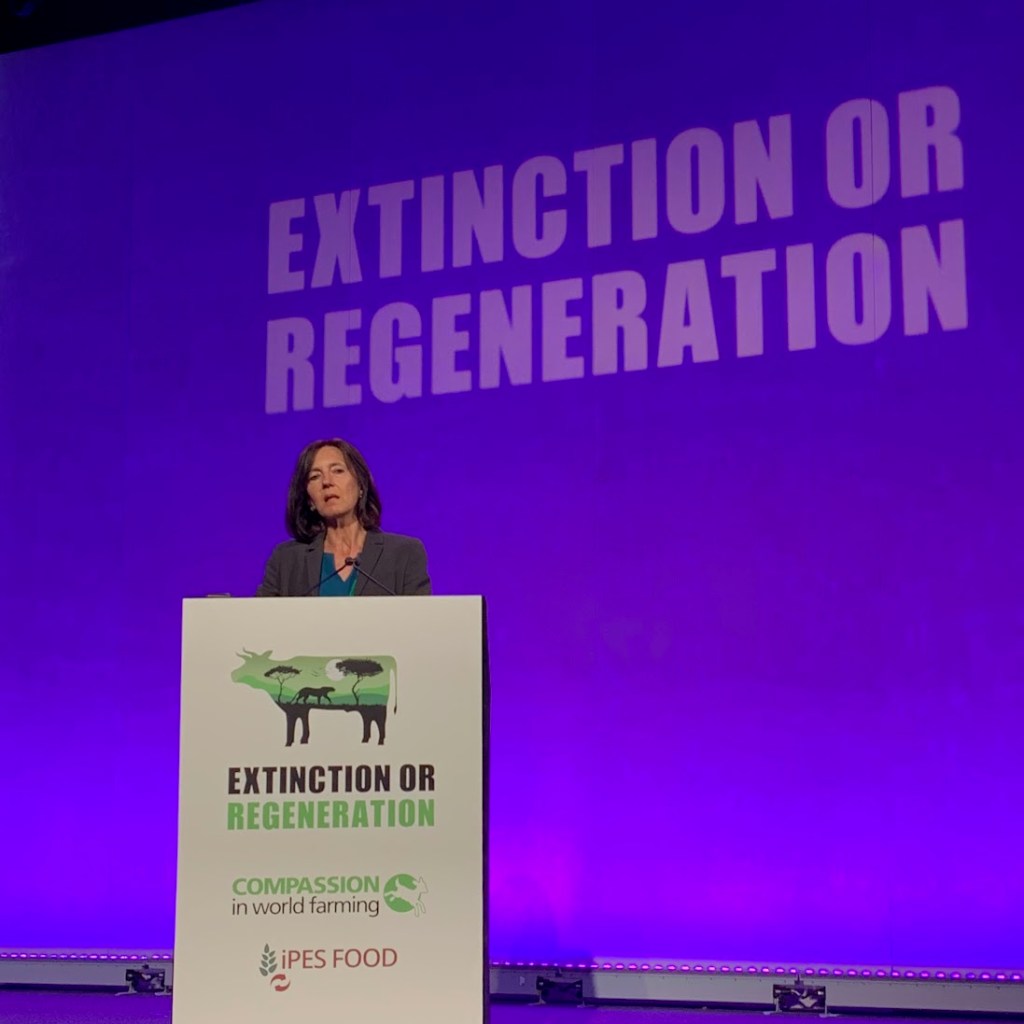
During the Extinction or Regeneration Conference 2023 in London, Philip Lymbery, global CEO of Compassion in World Farming, highlighted the fact that we rely more and more on a small number of countries for the production of major crops on which we depend on. When certain world events occur, such as conflicts and the Covid-19 pandemic, and global supply chains are disrupted, the entire food system is impacted.

Philip Lymbery at the Extinction or Regeneration Conference 2023, London

The countries we rely on, mainly in the global south, are forced to invest in “cash crops” for exports, not producing enough to feed their own population. They produce raw materials that we then process and sell it back to them in the form of finished food products, mainly as a result of their huge debt, explained Lymbery.

Food security is another issue, as we have witnessed in recent years a record high in food prices, global hunger and social inequities that result from the industrial farming systems, not just from conflicts and climate change. We are producing enough food to feed the entire world, but what we’ve seen is a mismatch between supply and demand, a financialisation of agriculture systems and markets, as well as an increase in power concentration.

Lymbery said, “These companies are taking our food systems hostage for their thirst for profits.”

“Food systems are often shaped by politics, rather than policies”, he added.

Our food systems are also impacting our health and making us sick. According to Marco Springmann, senior researcher in environment and health at the Environmental Change Institute at University of Oxford, the cost of treating diet-related diseases is projected to exceed USD 1 trillion by 2030, also putting a strain on health systems around the world.

“Food that brings you sickness and disease is not food, it’s poison”, said Dr. Vandana Shiva, Indian environmentalist, physicist and author, during one of her speeches at the Extinction or Regeneration Conference 2023 in London.

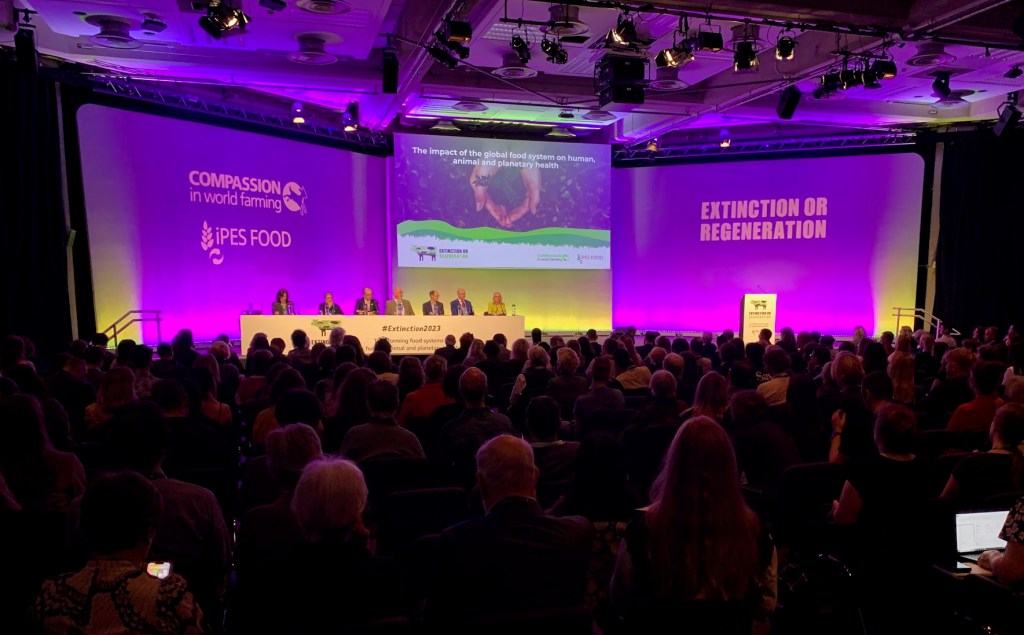
Extinction or Regeneration Conference 2023, London – Photo Credit: Robbie Blake, IPES-Food

Power Concentration

We are experiencing growing concentration in our food systems, as the number of corporations controlling everything, from inputs up through retail are getting smaller.

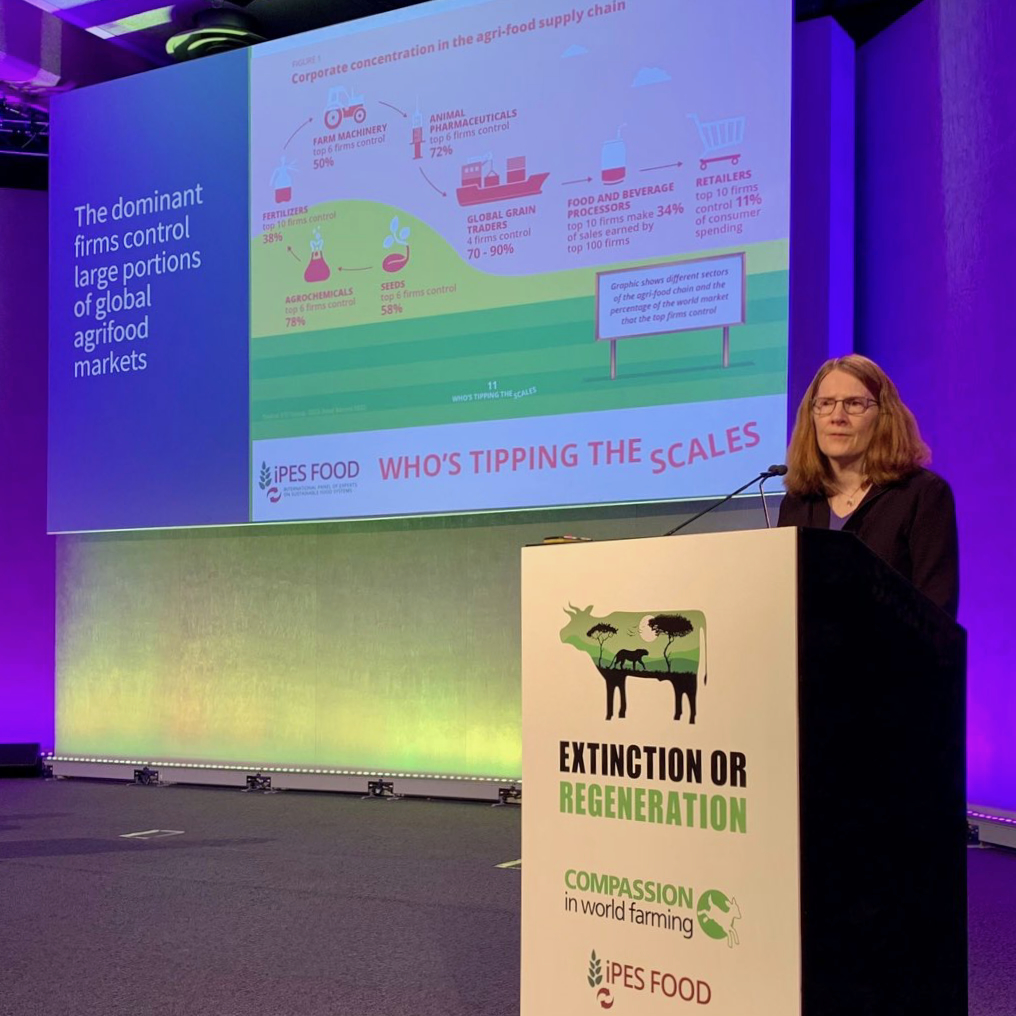
According to Jennifer Clapp, Canada research chair & professor, School of Environment, Resources and Sustainability at University of Waterloo, and IPES Food “Who’s Tipping the Scales” report, only top six agrochemical companies control 78% of the global market, the top six animal pharmaceuticals control 72%, the top six farm machinery control 50%, the top six seeds companies control 58% and the top five global grain traders control between 70-90%.

Jennifer Clapp at the Extinction or Regeneration Conference 2023, London – Photo Credit: Robbie Blake, IPES-Food

Four major grain traders control approximately 80% of the trade in cereals worldwide, the ABCD firms, ADM (Archer-Daniels-Midland), Bunge, Cargill and Dreyfus; and four major food processing and packaging companies dominate the global market, Nestle, PepsiCo, Anheuser-Bush InBev and JBS.

Since 2015, we’ve seen mega mergers in the seeds and agrochemicals industry, making these corporations even more dominant and powerful. Some of the mergers include Bayer and Monsanto, ChemChina and Syngenta, Dow and Dupont merged to form Corteva, Agrium and Potash Corp merged to form Nutrien.

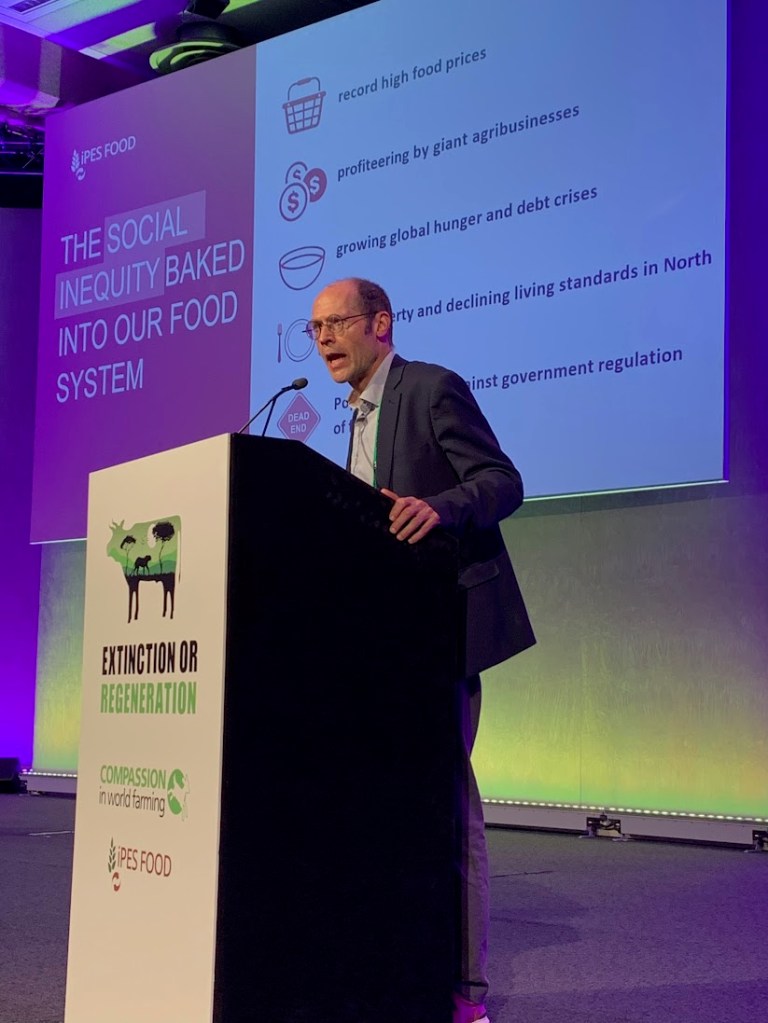
Olivier De Schutter, UN Special Rapporteur on extreme poverty and human rights and co-chair of IPES-Food, mentioned that giant dominant food corporations acquired the position in decision making to veto any transformative change.

According to him, “it’s not because of corruption of politicians or the finance lobbyists working on their behalf, it’s because they are the champions of economic gain of large scale production that global commodities markets demand.”

“This allows these corporations to say to politicians, “trust us”, we know how to produce food for mass consumption, … if you impose too strong regulations on us, you’ll be faced with higher prices that your voters will have to face. This is what allows them to have a privileged access to politicians”, he added.

He explained that these companies manage to get protection from legislators for intellectual property rights for the new “breeds” that they develop, as well as the new technologies that they promote. Additionally, they can very easily challenge environmental regulations. The State ends up in the hands of these economic actors and ends up working for them.

Olivier De Schutter at the Extinction or Regeneration Conference 2023, London – Photo Credit: Robbie Blake, IPES-Food

These corporations also control the labour conditions of the food system worker, the products that end up in the supermarkets shelves, and have the power to shape government policies. Small-scale producers don’t stand a chance when faced with such powerful competition.  

In order to democratise our food systems, we need to increase transparency and accountability.

It’s necessary to set up a worldwide robust anti-trust and competition legislation and food policy, as well as creating a lobby register, which is already in place in some countries, in order to limit the concentration of power of the big agrifood corporations

We should be listening to farmers and working with them to identify solutions that will not only be beneficial to them, but also to our health and the environment, instead of filling the pockets of greedy corporations.

“We also need more public support for alternative food systems, in particular, research and development money going towards agroecology and organic agriculture”, mentioned Clapp.

She added that it’s now necessary for the State to step back in like they did in the past, when they played a prominent role during the last transition to industrial agriculture with R&D and hybridisation in fertilisers and other sectors.

There’s a need control those actors that have the power to shape our policy spaces, including measures that prevent conflicts of interests, where corporate officials end up as regulators and go back to work in the corporate sector.

Lastly, there’s the need to create an autonomous space for civil society to determine and control the rules and governance they’d like to see happen.

It’s a Profitable & Greedy Business

Photo: ID 37710625 © Syda Productions | Dreamstime.com

According to Planet Tracker, a non-profit think tank, nearly USD 9 trillion of private finance is currently supporting the global food system.

“Financial regulations have become weakened to the extent that they’ve allowed big financial institutions like banks and investment houses to create new financial products for investors to speculate on food commodities”, explained Jennifer Clapp during the Extinction or Regeneration Conference 2023.

The price of commodities can swing much higher or lower than supply and demand would normally indicate and this creates price volatility, consequently generating profit for these institutions.

“There’s another aspect of financial concentration, where asset management firms own huge portions of the global food systems. The ABCD firms, ADM, Bunge, Cargill and Dreyfus, make huge windfall profits when food commodity prices swing. We saw this happening in 2008, and once again, in 2022, when Russian invaded Ukraine”, added Clapp.

Asset management firms, Blackrock, Vanguard, State Street and Capital Group, manage people’s pensions, trillions of assets worth over USD 20 trillion in the global economy. They are buying shares in almost all the companies across the entire agrifood supply chain, which means they have a shared interest in those companies being profitable, therefore creating an incentive for collusion.

Clapp mentioned that economists are concerned about this issue, which is called common ownership, leading to a reduction in competition, as well as leading to higher prices and encouragement of mergers and acquisitions, creating even bigger companies.

The danger of this situation is the fact that it allows them to hold more power to shift food systems in a certain direction, enabling them to shape markets in a way that it can affect prices that consumers pay. Prices are kept low for the agriculture and livestock producers and high for consumers. They also have the power to determine what technologies are going to dominate the market.

Clapp proposed a few solutions to some of these problems, including stronger rules in the financial markets, rules to curb speculation, better reporting, better limits on financial actors in these markets, as well as rules limiting asset managers owning the entire scope of the food systems.

Health Hazards, New Pandemics & Antimicrobial Resistance

Photo: 117616099 / Antimicrobial Resistance © Designer491 | Dreamstime.com

Industrial animal production may be a driver of future pandemics. The confinement of high number of animal in small spaces, leave them much more susceptible to viruses and infections, with the potential to evolve into more infectious types, explained Melissa Leach, social anthropologist and geographer, director of the Institute of Development Studies, IDS, during the Extinction or Rebellion Conference 2023.

All recent infectious diseases outbreaks and pandemics are zoonotic, as they originate in animals. Wildlife domestic and farmed animals and humans all interact in intense interfaces where spillover can occur.

The World Health Organisation, WHO, describes antimicrobial resistance, AMR, as the overlooked pandemic. It contributes to treatment failures, increasing human vulnerability to a wide range of infections.

Some of the latest figures suggest that AMR will cause 10 million deaths by the year 2050, more than from cancer, diabetes and pneumococcal diseases combined.

“Key causes of AMR are the overuse of antibiotics in livestock to promote growth and routinely prevent diseases, especially in intensified livestock farming”, mentioned Leach.

Melissa Leach at the Extinction or Regeneration Conference 2023, London – Photo Credit: Robbie Blake, IPES-Food

A study published by The Lancet, Global Burden of Bacterial Antimicrobial Resistance in 2019, estimates that there were 1.27 million deaths globally due to AMR in 2019, and 4.96 million deaths associated with AMR, compared with 6.9 million deaths globally from Covid-19 since the beginning of the pandemic in 2020.

According to Cóilín Nunan, scientific adviser to the Alliance to Save Our Antibiotics, certain types of antibiotics used in animal farming have led to the rise and spread of livestock associated strains of MRSA and clostidrium difficile.

There’s also the resistance to colistin, used as a last resort antibiotic in human medicine for treating life-threatening infections on patients who don’t respond well to other antibiotics, added Nunan.

Scientists from Oxford University released a study showing Escherichia coli bacteria that acquired resistance to colistin in animal farming. According to Nunan, this is an issue of concern and may be more dangerous than AMR, as it may be more able to cause infections in humans.

In Europe, over 60% of antibiotics are used in farmed animals, rather than in medicine. Globally, the figure rises to nearly 70%.

Photo: ID 118875273 © Petr Goskov | Dreamstime.com

The health impact caused by our food systems is putting a real strain on health systems around the world. There’s been a rise in conditions, including type 2 diabetes, obesity, depression, cardiovascular diseases and certain types of gastro-intestinal cancer, amongst others, all related to our diets.

We can no longer deny the urgent need to embrace more sustainable food systems solutions, support and listen to our farmers, respect and protect Indigenous peoples, our land and the environment, which we are highly dependent on.

The concentration of power within our food systems should be limited and a new model replaced instead, to ensure there’s fairness and equality, access to healthy and nutritious food for everyone, everywhere, and that our health and the health of our planet is protected and respected.

Who Controls What We Grow and Eat?

Monica Piccinini

9 May 2023

Similar to our current political & economic systems, the food system is no longer serving us; mainly driven by power, profit and greed, resulting in global food insecurity and impacting directly on our health and the environment.

We’ve seen a sharp increase in food insecurity worldwide, driven not only by climate change and multiple conflicts, but also by an unbalanced food system fuelled by corporate power. 

As the world population is projected to reach 9.8 billion in the next 27 years, there’s an urgent need to address issues related to our food system, or we may be facing a worldwide famine sooner than expected. We’ve already seen signs of this in many parts of the world.

“The right to food is the right to have regular, permanent and unrestricted access—either directly or by means of financial purchases— to quantitatively and qualitatively adequate and sufficient food corresponding to the cultural traditions of the people to which the consumer belongs, and which ensure a physical and mental, individual and collective, fulfilling and dignified life free of fear”, according to the United Nations.

Corporate Power

Photo 77536321 © Daniil Peshkov | Dreamstime.com

Giant agribusiness corporations hold the power and control over our food systems, with the ability to influence governments and decision-makers, through lobbying, with the direct intention of shaping policies in many ways.

Their objectives and tactics are questionable, with the tendency to favour their own interests, focusing on profits and maximising shareholder value, rather than addressing hunger and malnutrition.

According to ‘Who’s Tipping the Scales’, a report published by IPES Food, the international panel of experts on sustainable food systems:

“A bold, structural vision to counter the corporate takeover of food-related global governance – one that support central roles for people, governments, and democratic, public-interest-based decision-making, is urgently needed.”

It’s clear that the voices of the most vulnerable communities across the world, and mostly affected by hunger and environmental impact caused by this industry, must be heard.

These giant and dominant agribusiness corporations influence the global organisations we most trust, which should be there to defend our interests. To the surprise of many, agribusiness associations were sitting directly at the UN governance table at the 2021 UNFSS, UN Food Systems Summit.

One must also question the kind of relationship between the private sector and international governance bodies and institutions about potential conflicts of interest.

According to the IPES Food report, in 2020, a private philanthropic foundation, The Bill and Melinda Gates Foundation, was the second largest donor to the CGIAR, the Consultative Group on International Agricultural Research.

Another partnership that raises some eyebrows is the FAO’s, the Food and Agriculture Organisation of the United Nations, partnership with CropLife International, CLI, an agrochemical lobby organisation, whose members include Syngenta, BASF, FMC and Bayer (acquired Monsanto in 2018).

PAN North America, Pesticide Action Network, mentioned that instead of putting the profit of CropLife International members before farmers and consumers worldwide, the FAO must invest in solutions, including agroecology and take stronger action on ending the usage of highly hazardous pesticides, HHPs. 

We’ve also seen increase in consolidation, a large number of mergers and acquisitions, allowing these corporations to dominate the agribusiness sector. This allows these giants to have a profound influence on governance and the structure of our food system, resulting in anti-competitive market practices.

Our Health & the Environment

Illustration 273587833 / Food Food © Altitudevs | Dreamstime.com

These corporations have significant funding at their disposal to influence policies and regulations, such as pesticides, biosafety, patents, intellectual property, as well as trade and investment agreements.

Bayer AG spent over USD 9 million lobbying the US government in 2019, after it acquired Monsanto. At the time, they were reviewing the re-registration of one of the company’s main products, glyphosate (Roundup), which is considered a toxic herbicide. In the US, Bayer has been contesting billion of dollars in settlement claims to end lawsuits over accusations that glyphosate causes cancer.

They are also responsible for shaping science by sponsoring academic research favouring their corporate interests, influencing governance and policies. This was seen in the agrochemical and processed food sectors.

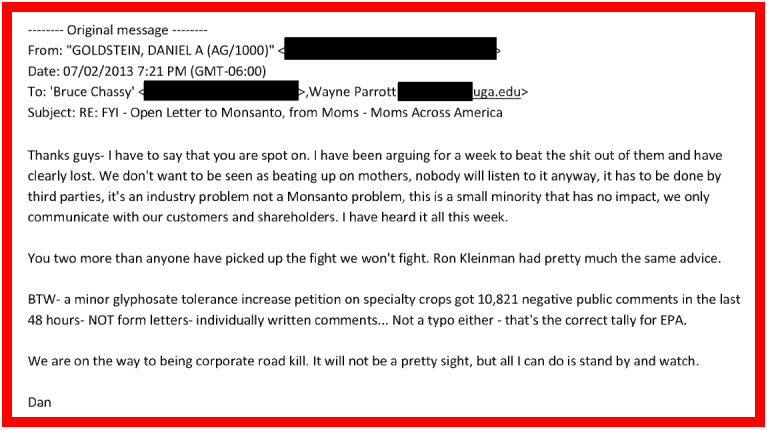
As proof of this, below is an internal email between Monsanto executives obtained by lawyers representing plaintiffs in the Roundup® litigation, where they suggest ‘beating the s**t out of’ a mother’s group expressing concern over the effects of GMOs and Roundup® on their children.

Photograph: Main Street Law Firm PLLC

Monsanto also tried to influence science by sponsoring various ghostwriting academic articles questioning scientific studies that raised concern over its product’s safety, glyphosate.

Another very concerning issue related to the health of our children is the fact that this industry continuously lobbies against mandatory public health measures, including taxes on ultra-processed foods, UPF, sugary drinks and front of package labeling, as well as restrictions on marketing of unhealthy foods to our children. This has a gigantic impact on their health and also creates pressure on our health systems.

A reported example of this was when a children’s cereal manufacturer attempted to sue Mexico after the country tried to amend a food packaging regulation called NOM-5, in order to protect their children from the marketing of unhealthy foods. The regulation established that certain unhealthy products would be prohibited from putting children’s animations and characters on their packages.

The invention of novel foods also raises some red flags. On March, The Defender, a publication defending children’s health, published a piece on Bill Gates’ latest invention, an edible food coating called Apeel, which is an odourless, colourless and tasteless coating for vegetables and fruit, which potentially extends the life span of these products, keeping it fresher for up to two times longer.

Apeel has already received the green light from US regulators, but some questions still remain unanswered surrounding the safety of the product, as the company is relying mainly on existing scientific studies, as no new science has been required to evaluate and test the product.

We seem to be completely exposed and reliant on these corporations to carry out their own safety studies, without the scrutiny of independent regulators and scientific studies.

According to the 2011 UN Guiding Principles on Business and Human Rights, companies are expected to develop their own internal procedures to identify, prevent, mitigate, and account for how they address their impacts on human and environmental rights in global supply chains.

It’s clear that the way we grow our food has a massive impact not only on our physical and mental health, but also on our environment, affecting fauna and flora, the health of our soil, water and air.

Recently, we have seen a sharp increase of fungal disease in crops, affecting 168 crops listed as important in human nutrition, according to FAO of the United Nations. Despite spraying fungicides, farmers are losing between 10-23% of their crops to fungal disease every year, including rice, corn, soybeans and potatoes.

According to a study published at Nature journal, this issue is mainly because of the adaptability of fungi to meet modern agricultural practices. Monocultures entail vast areas of genetically uniform crops, an ideal ground for fast-evolving organisms, such as fungi. Another problem is the increasingly widespread use of antifungal treatments, leading to fungicide resistance.

The use of pesticides and toxic chemicals are increasing exponentially across the world, causing havoc to our health, the soil, polluting water sources, the air, animals and plants.

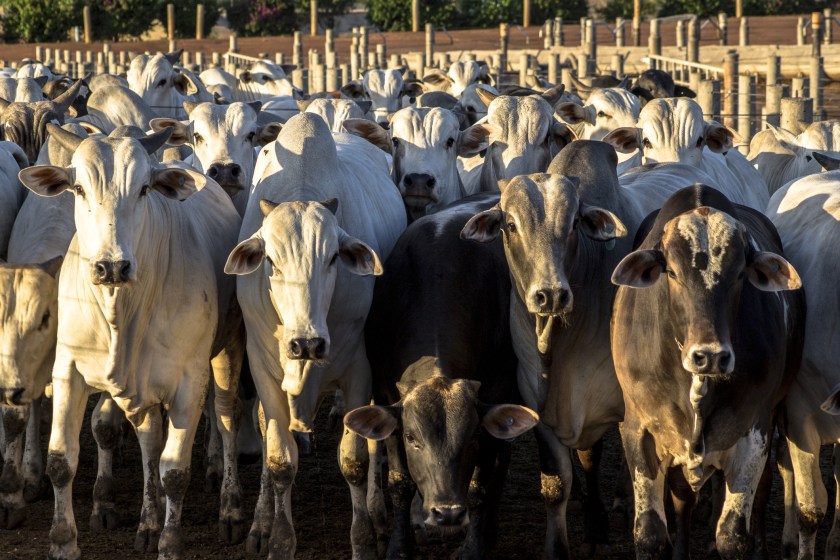
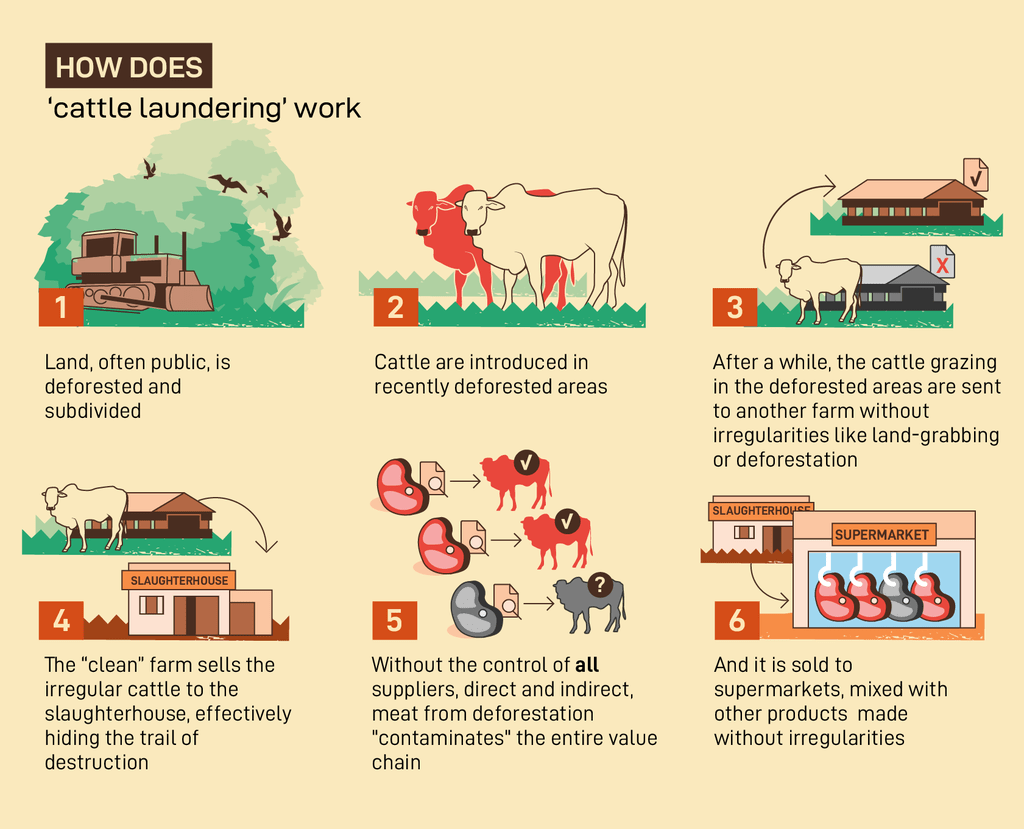
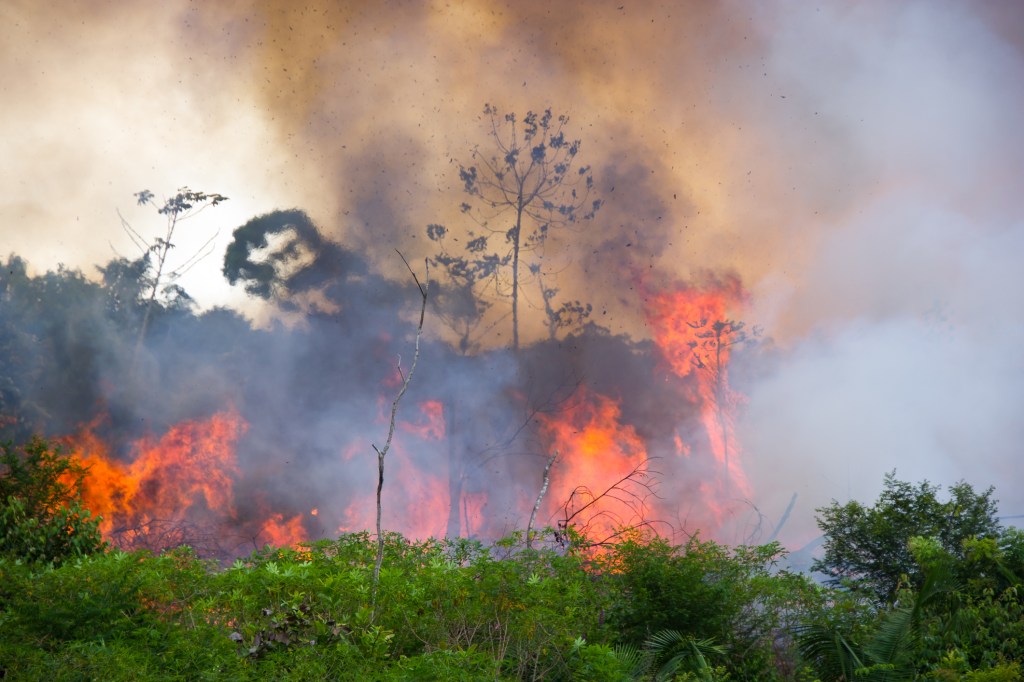
Industrial agriculture, including cattle farming, soybean, palm oil, sugar cane, corn, wheat, GMOs, monoculture production, is responsible for the deforestation of rainforests, the Cerrado, and many other parts of the world, causing destruction and degradation.

In Brazil, 2.8% of landowners own over 56% of all arable land, and 50% of smallholder farms have access to only 2.5% of the land. Overall, the land is in the hands of a small number of industrial farms.

We must rethink the way we grow our food and we all have the right to access nutritious and healthy food and decide what we eat.

Digital Farming

Photo 225876642 © Andrey Popov | Dreamstime.com

The agribusiness sector spends vast amounts on research and development, making it extremely hard for smaller companies to compete with them, capitalising on patent protection and intellectual property rights.

Why? Because they can!

Patent protection and intellectual property is another issue that should be catching everyone’s attention.

Giant tech companies, such as Amazon and Microsoft, among others, entered the food sector focusing on power, control and profit. Small farmers and local food systems are struggling, as they can’t afford to use this high tech data gathering technology. They are also located in remote areas where these types of services can’t reach.

We can see an increasing movement of powerful integration and control between the companies that are supplying products to farmers, such as tractors, drones, pesticides, etc., and the tech giants. They feed and control farmers with information, and at the same time have direct access to consumers.

The aim is to integrate millions of farmers into a wide centrally controlled network by encouraging and forcing them to buy their products. This digital infrastructure is run by platforms developed by tech companies that run cloud services.

Fujitsu farm workers, located just outside Hanoi, carry smartphones supplied by the company, which monitors their every single movements, productivity, the amount of hours they work, etc., all stored on the company’s cloud. This is extremely worrying, as this practice could easily lead to labour exploitation.

Similar to Fujitsu, other companies investing heavily on this type of digital farming platforms include Microsoft’s Azure FarmBeats, Bayer’s Fieldview, BASF’s Xarvio, Syngenta’s CropWise, Yara’s Yaralrix and Olam’s OFIS, Olam Farmer Information System.

It’s essential to point out the extent of data gathering these platforms are capable of, including real time data and analysis on the farmers soil condition and water, crops growth, pests and diseases monitoring, weather, humidity, climate change, tractor monitoring, etc.

Some of these corporations are also trying to eliminate the “middlemen” by selling directly to consumers, which may be attractive proposition to many, if the idea is mainly to help farmers and small vendors directly, but somehow they may use digital platforms to increase their pricing power over farmers.

An important question we must ask these companies, regulators and our governments: who controls all this data, what do they do with it and who gives the advice?

The influence a few powerful corporations have in food governance must be scrutinised. Governments should be leading in the field of food security and not leaving it in the hands of those that put profit over longevity of life. It may seem a drastic change to the world as we know it, but it may be the only way to bring back a balance in the global food system and secure our quality of life and ultimately our survival.

Using Science to Block a Road to Ruin – The Amazon BR-319

Monica Piccinini

23 Feb 2023

According to two prominent scientists, Lucas Ferrante and Philip Fearnside, and the result of their studies, the ambitious reconstruction of the BR-319 highway, linking the capital Manaus in central Amazonia to the southern edge of the forest, Porto Velho, might be a catalyst to rampant deforestation with irreversible and catastrophic consequences to the rainforest.

BR-319, a stretch of 830 km, connecting the ‘arc of deforestation’, was inaugurated in March 1976, during the military dictatorship, under the government of General Ernesto Geisel, and abandoned in 1988. In 2015, Dilma Roussef’s government proposed reopening BR-319.

“The BR-319 highway cuts through one of the most preserved blocks of the forest, where it contains an enormous stock of carbon. This project is a threat to 63 indigenous lands and 18,000 indigenous people, not to mention the environment and biodiversity”, mentioned Lucas Ferrante, environmental scientist.

Brazilian Amazonia and Highway BR-319 (Manaus-Porto Velho). Source: map produced by scientist Lucas Ferrante in the ArcGIS software, deforestation data from INPE 2021.

Despite the warnings from scientists about the negative consequences this project may bring to the region, it’s considered a priority for Brazil’s new president, Luiz Inácio Lula da Silva. During an interview with a radio station in Manaus last September, he mentioned:

“We do not want to transform the state of Amazonas into a sanctuary for humanity. Millions of people live in the state of Amazonas. We have to give these people the right to civility, the right to live well, the right to come and go. It is entirely possible for you to work the climate issue correctly, work the environmental issue correctly and provide the necessary security so that you can build good roads that can connect the state of Amazonas with the rest of the country.”

However, according to Lucas Ferrante, the newly elected president of Brazil, Luiz Inácio Lula da Silva, only replicates a political boast that it is possible to establish territorial governance.

“We need to make some things clear, this is just political rhetoric, a bravado that does not consolidate. According to a study we published at Land Use Policy, the BR-319 highway area had a deforestation rate of up to 2.6 times higher than the deforestation rates observed in other parts of the Amazon, i.e., the state of Amazonas is no longer a isolated sanctuary, yet another area increasingly occupied by criminal organisations that encourage land grabbing and deforestation”, argues Ferrante.

“In addition, people have always had the right to come and go by other modes of transport, but they do not have the right to collapse one of the most biodiverse blocks of the rainforest, which is home to a wide variety of native peoples and which consequently, if deforested, could collapse the global climate,” added Ferrante.

Scientific Studies Raising Red Flags

Lucas Ferrante, environmental scientist, and Philip Fearnside, a biologist at Brazil’s National Institute of Amazonian Research (INPA) and Nobel Peace Prize winner for climate research (2007), both published various scientific studies highlighting the negative effects of this project on the Amazon rainforest.

The highway is a free path to illegal side roads in areas of large concentration of indigenous land, legal reserves and conservation units, giving illegal miners, loggers, squatters and land grabbers access to untouched forest and public lands.

Illegal timber seized by IBAMA agents along the BR-319 highway. Photo by scientist Lucas Ferrante.

As a consequence, these invaders are bringing a wave of destruction, instability, pollution, violence, disease, decay and death to the traditional communities, indigenous people and the environment around them.

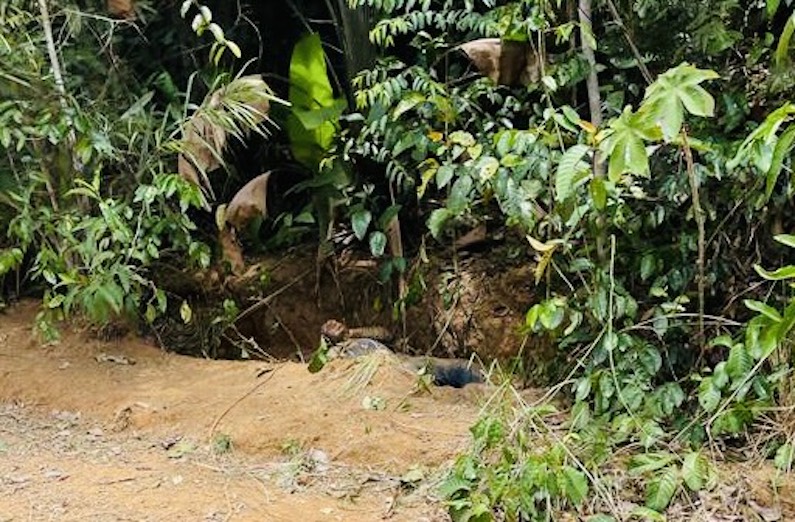
In October 2021, a Washington Post journalist, Terrence McCoy and scientist Lucas Ferrante, set themselves on a journey across the length of BR-319 highway, showing the path of destruction and devastation caused by illegal deforestation, land grabbing, mining, fires, violence and even killings. The burnt body of a dead man was found along the way after he had reported land-grabbing activities in the area to the federal police.

Photo of a burnt dead body around BR-319. Photo by scientist Lucas Ferrante.

In 2017, buildings belonging to IBAMA (Institute for the Environment and Renewable Natural Resources) and the Chico Mendes Institute for Biodiversity Conservation (ICMBio) in Humaitá were set on fire by miners and remain inoperative.

It is estimated that BR-319 and planned side roads will generate an increase of the deforested area by more than 1,200% between the highway and Brazil’s border with Peru. This projection relates to central Amazon alone, if extended to Peru, the numbers would increase significantly.

According to a scientific article published in the journal Land Use Policy by both Ferrante and Fearnside, despite environmental legislation requiring an environmental impact assessment (EIA) for one of the stretches of the highway, the project was given the green light from a judge, who authorised it without an EIA.

Additionally, the reconstruction of the highway lacks an economic viability study, EVTEA, required by law 5917/1973, as well as consultation with indigenous people required by International Labour Organisation (ILO) Convention 169 and by Brazilian law 10,088/2019.

The main transport route used in the region has always been via the Madeira River, making it a cheaper, cleaner and safer way to transport goods.

Fernanda Meirelles, executive secretary of the BR-319 Observatory, commented during our interview earlier this month:

“The LP, Preliminary License, was issued without consultations with the indigenous people and traditional communities, an important stage of the process that was not respected. We do not know whether consultations will be carried out in this current government or whether an intervention by the MPF (Federal Public Ministry) will be necessary to fullfil the obligation of consultation”,

“Public hearings were held during the pandemic, but in an inadequate way. There was no logistical support to guarantee the presence of traditional communities and indigenous people, in additional to having been held at a very inhospitable moment for any time of contrary opinion or manifestation. We even witnessed attacks suffered by researcher and scientist, Phillip Fearnside, during these public hearings”, added Meirelles.

According to data released by SEEG, the Greenhouse Gas Emissions Estimation System, between 2018 and 2019, the municipalities surrounding BR-319 highway had a staggering 16% increase in greenhouse gas emissions from land use and agriculture.

The reopening of this highway would also give agribusiness access to more land for expansion, including cattle farming, soy and palm oil plantations, monoculture expansion for large-scale biofuel production, as well as fossil fuel companies, hydroelectric dams, mining, etc.

As various studies indicate, including the ones published at Land Use Policy, and Environmental Conservation, these practices are already happening with the maintenance works of the road and would increase exponentially with the reconstruction of the BR-319 highway.

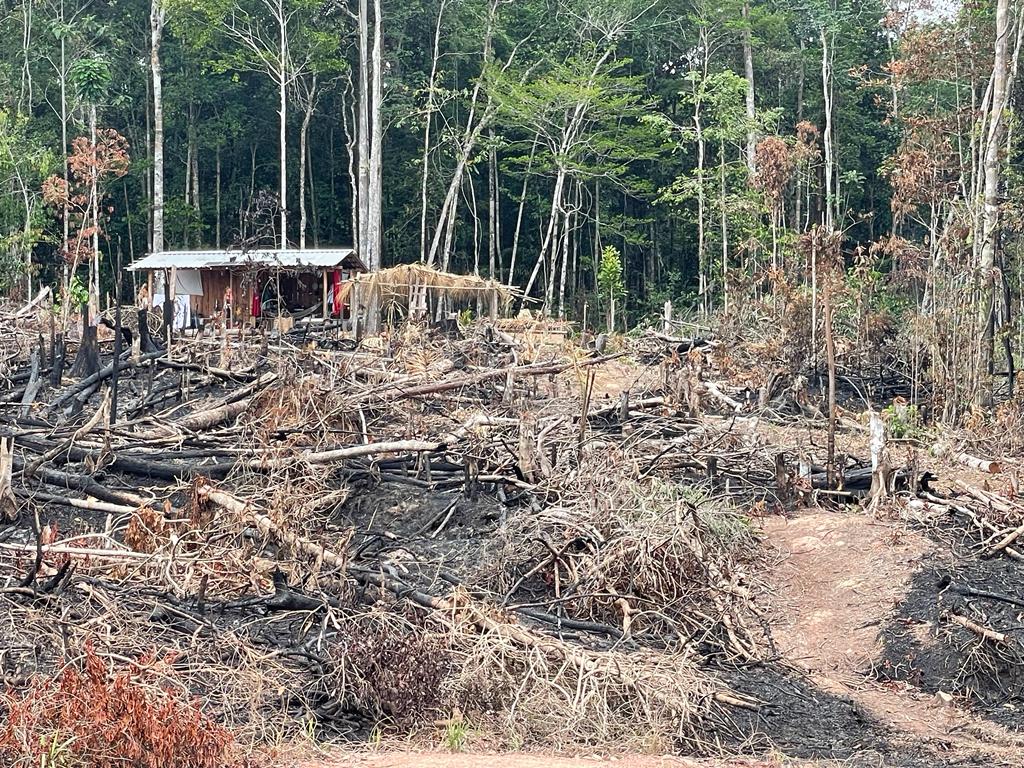
Deforested and burned area along the middle stretch of BR-319 highway. Photo by scientist Lucas Ferrante.

There’s still no information about the costs and sources of funds for this gigantic project. The same applies to a very essential monitoring system project, which was never presented.

Profiteers – All Eyes Focused on the Amazon

There are countless politicians, corporations, governmental agencies and organisations with either a hidden or visible interest in the reconstruction of BR-319 and hoping it succeeds. This project is a gateway to a heaven of natural resources waiting to be exploited and the highway will make their journey a much smoother process.

According to Fearnside, Rosneft, a giant Russian oil and gas company, with drilling rights to 16 extraction blocks located west of BR-319, approximately 35 km from the Purus River, by the Solimões Basin, would be one of the beneficiaries of the project.

Another very concerning sector is biofuel production in the Amazon. Biofuels are produced based on agricultural products, including sugar cane, corn, castor bean, palm oil and raw materials of animal origin.

According to a Global Witness report, BBF Group (Brasil Biofuels) and Agrapalma, two Brazilian palm oil (azeite de dendê) giants, are accused of various violations in the Amazon, including conflict with local communities, violent campaigns to silence indigenous communities and fraudulent land grabs.

BBF is the largest producer of palm oil in Latin America, also active in thermoelectric generation and biodiesel in the Amazon region (Acre, Amazonas, Rondônia, Roraima and Pará). The company announced that it‘s going to invest R$5 billion over the next three years in the production of biofuels, including corn ethanol. The BR-319 project would certainly facilitate their business developments in the region.

Studies coordinated by Ferrante point out that the expansion of plantations for the production of biofuels in the Amazon tends to encourage deforestation and collapse the forest, in addition to providing zoonotic jumps of viruses stored in the forest, generating a new global pandemic.

Based on scientific research, Ferrante managed to overthrow a presidential decree that released sugarcane to the Amazon, but according to him, corn and palm oil are still crops that have an enormous potential for environmental damage and to generate deforestation, demanding economic ecological zoning mainly for the BR-319 highway area.

Politicians, infrastructure companies, national and international corporations, all show great interest in this ambitious project, as the highway would be key to their business expansion.

The voice of a public figure and politician, the governor of Amazonas, Wilson Lima, would have been a great opportunity for us to understand more about this challenging project. Unfortunately, Lima did not respond to a request for an interview.

The only NGO in the region that agreed to be interviewed about the BR-319 project was IDESAM/BR-319 Observatory.

The Gordon and Betty Moore Foundation failed to respond a request for an interview.  Funbio responded, but failed to answer questions about the project.

Fundo JBS pela Amazônia mentioned that they we were unable to contribute to this matter, because the reconstruction of BR-319 had nothing to do with the fund and that this is not something that directly impacts their projects.

WWF Brasil did not have a spokesperson available to answer questions related to the project and asked that any questions be directed to BR-319 Observatory.

National and international media, politicians, corporations, governmental agencies, as well as some NGOs, seem to be reluctant to talk about the reconstruction of the BR-319 highway.

All studies so far show that this project lacks environmental governance and would be detrimental to the local communities as well as the rainforest. It also lacks an economic viability study, a monitoring system plan and consultation with the traditional and indigenous communities.

This appears to be a politically motivated plan with every president elected repeatedly making the same promise, selling the idea that the reconstruction of BR-319 highway would bring prosperity to the region, without considering that it may also bring pollution, illegal activities, violence, diseases, rampant and irreversible deforestation and destruction to the rainforest with catastrophic consequences to Brazil and the rest of the world.

If completed, this project may put in jeopardy the future and survival of the Amazon rainforest, all in the name of what they call “progress”!

Article available in Portuguese at A Escola Legal.

Public Health Warning in the UK: 50% of Bread Containing Potentially Hazardous Pesticide Cocktails

“We are choosing to play Russian roulette with people’s health”

Monica Piccinini

2 Nov 2022

Official figures reveal that the proportion of bread in the UK containing two or more pesticides has doubled to more than 50% in the past year.

The UK government tests are carried out by an expert committee on pesticide residues in food (Prif) and a total of 11 different pesticides, including five with links to cancer (glyphosate, fosetyl, cypermethrin, deltamethrin and flonicamid), were found in a range of bread products – from standard white, brown, to crumpets, scones and muffins.

Bread products containing traces of one or multiple pesticides were found in supermarket own-brands including Aldi, Asda, Co-op, Iceland, Lidl, Marks & Spencer, Morrisons, Ocado, Sainsbury’s, Tesco and Waitrose. They were also found in some top brands: Hovis, Kingsmill, Jacksons, La Boulangerie, New York Bakery, Warburtons, and many more.

Nick Mole, Pesticide Action Network UK (PAN UK) policy officer, said:

“With the cost of living crisis forcing people to spend less on food, it’s vital that consumers can trust that relatively cheap products like bread won’t expose them to dangerous mixtures of chemicals.

The government claims that it’s committed to tackling pesticides, so why have pesticide cocktails been allowed to double in a staple food that most of us eat at least once every day?”

Pesticides used in agriculture can leave traces of chemicals in our food known as residues. Pesticide residues detected on a specific food item will depend on which pesticides are used and how persistent they are. Some food may contain one single residue or multiple ones (‘cocktail effect’).

“There is a growing body of evidence showing that pesticides can become more harmful when they’re combined with each other. And yet we continue to set safety limits for just one chemical at a time.

We actually have no idea of the long-term impacts of consuming tiny amounts of hundreds of different chemicals. We are choosing to play Russian roulette with people’s health”, mentioned Mole.

We should be aware of the implications caused by ingesting food containing not only one but also multiple pesticides, especially if consumed over a long period of time, during our childhood, adult life and especially during pregnancy.

Some pesticides, known as endocrine disrupting chemicals (EDCs), have the potential to disrupt our hormone systems, and can play a role in the development of cancers, including colorectal and breast cancers. Pregnant and breastfeeding women, as well as young children, are particularly vulnerable.

Photo 211558990 © Bruno D Andrea | Dreamstime.com

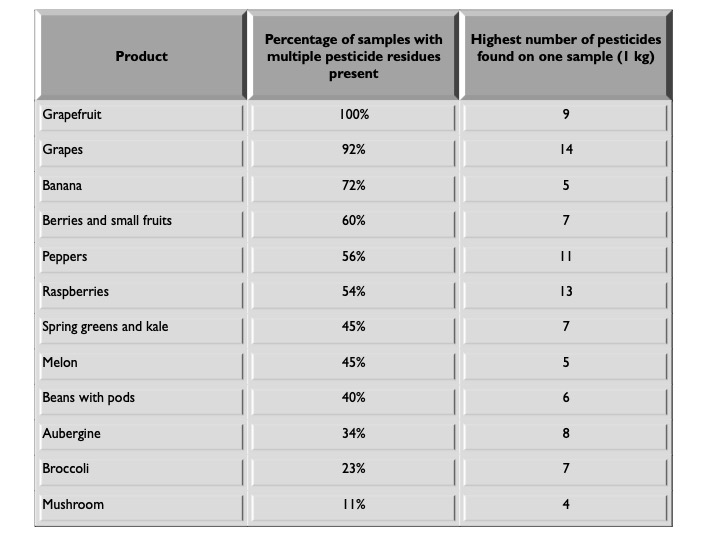
The most recent data published by the UK government, which relates to testing conducted in 2021, reveals that pesticide cocktails are also a significant problem for fruit and vegetables, with 30% of vegetables and more than 60% of fruit found to contain residues of more than one chemical.

Based on government data, PAN UK launched its annual “Dirty Dozen”, a list of fruit and vegetables most likely to be contaminated with multiple pesticides:


PAN UK analysis of the most recent results from the government’s testing programme found a total of 137 different pesticide residues across all produce, including many linked to serious chronic health effects. Specifically, the produce tested contained:

46 carcinogens, which are capable of causing different types of cancer.

27 endocrine disruptors (EDCs), which can interfere with hormone systems and cause birth defects, developmental and reproductive disorders (infertility).

11 ‘developmental or reproductive toxins’, which can have adverse effects on sexual function and fertility, causing miscarriages.

14 cholinesterase inhibitors that reduce the ability of nerve cells to pass information to each other and can impair the respiratory system and cause confusion, headaches and weakness.

Over a third of the total pesticides found are not approved in the UK, meaning that the British farmers aren’t permitted to use them.

“These pesticides residues should not be making onto the plate of UK consumers.

They are either slipping past our shoddy border checks unnoticed, or foreign producers are being handed a competitive advantage by being allowed to use pesticides banned in the UK.

At a time when we are asking our own farmers to produce more sustainably, we should not be making it harder for them to earn a living”, said Mole.

The most effective way to tackle pesticide cocktail in our food is to ensure that the new trade agreements don’t lead to an influx of pesticide-laden imports and to reduce dramatically the chemical use in domestic farming.

Weakening of pesticide standards via trade deals with countries where pesticide regulation is less rigorous, means the population in the UK may be consuming products with higher level of pesticides that are already banned in the country.

“To protect the health of their customers, some UK supermarkets are beginning to sit up and take notice of pesticide cocktails. Meanwhile, the government’s key strategy on pesticide reduction is already five years late.

Our new environment secretary, Dr. Thérèse Coffey, must take urgent action to reduce pesticide-related harms. How much longer should consumers and farmers have to wait?” added Mole.

This is a significant ongoing issue that requires immediate attention and action from the government, regulators, corporations, supermarkets and also the British population, who may be paying a hefty price for these senseless actions, with their own health!