The UK is falling even further behind Europe in its efforts to remove chemicals harmful to both human health and the environment from the market.
According to a study by Pesticide Action Network UK (PAN UK), there are presently 36 pesticides authorised for use in the UK that are prohibited in EU nations.
Among the 36 approved pesticides, 13 are categorised as highly hazardous. This group includes four pesticides that pose a high toxicity risk to bees, one that contaminates water, and another that is highly toxic to aquatic organisms. The UK will continue to employ these 13 hazardous pesticides for an additional two to five years compared to EU nations.
Nick Mole, PAN UK’s policy officer, said:
“The UK is becoming the toxic poster child of Europe. The government has repeatedly promised that our environmental standards won’t slip post-Brexit. And yet here we are, less than four years later, and already we’re seeing our standards fall far behind those of the EU.
“With UK bees and other pollinators in decline, and our waters never more polluted, now is the time to be taking steps to protect nature. Instead, the government is choosing to expose British wildlife to an ever-more toxic soup of chemicals.”
Additionally, PAN UK’s study unveiled an increasing concern for human health, displayed by the following list of 36 pesticides permitted in the UK, but prohibited in the EU:
12 are classified as carcinogens, capable of causing different types of cancer, including leukaemia and non-Hodgkin’s lymphoma;
Nine are endocrine disruptors (EDCs), which interfere with hormone systems and can cause birth defects, developmental disorders and reproductive problems, such as infertility;
Eight are ‘developmental or reproductive toxins’, which have adverse effects on sexual function and fertility in both adults and children, and can reduce the number of functionality of sperm and cause miscarriages;
Two are cholinesterase inhibitors, reducing the ability of nerve cells to pass information to each other and can impair the respiratory system, causing confusion, headaches and weakness;
One is classified as acutely toxic, meaning that adverse health effects can result either from a single exposure or from multiple ones in a short period of time (usually 24 hours).
The majority of the chemicals in question (30) were allowed for use in the EU when the UK left on 31 January 2020, but have since been removed from the EU market. The remaining six chemicals have been approved by the UK government, but not in the EU, since Brexit.
One of the primary reasons for the disparity in standards originates from a decision made by the UK government. They have granted an automatic three-year extension to all pesticides with licenses set to expire before December 2023, indicating limited governmental capacity for re-approving pesticides.
Previously, the UK had a policy of granting a maximum 15-year license to pesticides before requiring re-approval, acknowledging the substantial risks these chemicals pose to both human health and the environment.
“The UK government promised to drive a reduction in pesticide use back in 2018 and yet we’re still waiting for them to take action”, added Mole.
These measures will also affect trade deals between the UK and EU, explained Mole:
“The Emerging gap between the UK and EU pesticide standards is incredibly concerning for our human health and environmental protections, but also for the future of UK agriculture as our standards fall further and further behind those of our largest trading partner.
“UK food exports containing pesticides that EU growers aren’t allowed to use, are likely to be rejected. Given that the EU still accounts for around 60% of UK agricultural exports, the impact on farmers could be devastating.”
PAN UK urges the UK government to, at the very least, maintain alignment with EU pesticide norms and prevent any further deterioration of existing UK standards.
Additionally, PAN UK advocates for the immediate implementation of long-overdue measures, including pesticide reduction targets, the halt of pesticide use in urban areas, and the enhancement of state support for farmers to reduce their reliance on agrochemicals.
The UK pesticide policies will have far-reaching effects, impacting not just the health of individuals and the environment, but also our farmers and our trade agreements with the EU, our largest trading partner.
The world is facing an alarming and deeply distressing reality as food insecurity reaches catastrophically high levels. Across the globe, countless individuals and communities are struggling with the crippling fear of not having enough to eat.
According to the latest findings unveiled in the United Nation’s State of Food Security and Nutrition in the World (SOFI) report published today, the data highlights a distressing state of global hunger in 2022, a year tainted by a combination of severe challenges, including a food price crisis, ongoing conflicts, and detrimental economic and climate disturbances.
This is a sobering wake up call, says the International Panel of Experts on Sustainable Food Systems, IPES-Food.
Jennifer Clapp, food security expert with IPES-Food and professor at the University of Waterloo, Canada, explained:
“The world is facing disturbingly high levels of hunger right now. Years of progress on improving food security and nutrition have been erased. Governments have failed to make food systems shock-resistant, to shield people from food price inflation, or to address the ticking time bomb of debt.
We desperately need a new recipe for addressing hunger – based on the right to food, less reliance on volatile global markets, and on countries producing more food for their own people.”
The SOFI data reveals an alarming picture, where food insecurity has reached unprecedented and catastrophic new levels with no signs of improvement on the horizon – setting the world back 15 years.
In 2022, approximately 735 million people (9.2% of the world population) faced economic undernourishment, while nearly 30% of the world’s population encountered varying degrees of moderate to severe food insecurity.
The report also reveals that the hunger crisis intensified in 2022, with an additional 122 million people facing food insecurity compared to the pre-pandemic period in 2019. The compounding effects of COVID, conflict and climate change have highlighted the fragility and inequalities ingrained within the global food systems.
Moreover, the study warns that if substantial changes are not implemented, we are heading towards a future where 600 million individuals will continue to suffer from chronic undernourishment by 2030. This outcome would have severe consequences for the achievement of the sustainable development goals (SDGs), rendering them ineffective.
Olivier De Schutter, co-chair of the International Panel of Experts on Sustainable Food Systems, IPES-Food, and UN special rapporteur on extreme poverty and human rights, mentioned:
“Low income countries are trapped in debt, unable to invest in combating hunger, and condemned to export cash crops rather than feed their own people.
To have any hope of reaching the sustainable development goals at transformation is needed – with social protection schemes that guarantee the right to food for the world’s poorest, debt cancellation, and investment in diverse, resilient agroecological food production.”
The impact of food insecurity is devastating, with families and vulnerable populations bearing the brunt of its consequences.
The relentless increase of hunger in Africa persisted for the tenth consecutive year, affecting a staggering one-fifth of the continent’s population.
According to the SOFI report, in Africa, where the shares of the population that are food insecure and unable to afford a healthy diet, are among the highest in the world.
Million Belay, expert with IPES-Food and coordinator of the Alliance for Food Sovereignty in Africa, AFSA, reacted:
“It’s shocking that hunger has risen in African for ten years in a row. But our exploitative global economic system has prioritised servicing debt over feeding people, exporting cash for crops over growing nutritious food for Africans, and burning fossil fuels over adapting to climate change.”
Fresh data from 11 African nations reveals that farmers and rural communities face greater vulnerability to fluctuating food prices and hunger than previously anticipated, while the consumption of processed foods in these regions is on the rise, even in rural areas. In rural areas, a notable 33% of individuals encounter moderate to severe food insecurity, surpassing the corresponding figures observed in urban areas.
The African Development Bank estimated that Africa’s net food imports reached $35 billion in 2015, and expects it to triple by 2025, reaching over $110 billion. Agricultural surpluses from the Global North are dumped on African markets, inundating local markets, driving down farmers’ incomes, weakening communities and local agricultural production.
Africa’s reliance on world food markets is damaging to food security, especially during times of crisis, like we’ve seen during the COVID pandemic.
“African countries have been left critically vulnerable to the blows of the pandemic, the war in Ukraine, and climate change. Our governments are starved of cash to build the sustainable food systems we need to feed ourselves. The dominant food system is reducing people’s resilience to shocks and leading to perpetual debt and food dumping – this must change”, explained Belay.
The adoption of industrialised farming practices has led to a change in dietary habits, with a rise in the consumption of highly processed foods, which has had negative health consequences, particularly among low-income communities.
Additionally, this form of agriculture heavily depends on the widespread use of chemical inputs, including fertilisers, herbicides, pesticides and antibiotics, with negative consequences for ecosystems and human health.
Based on the SOFI report, the increased accessibility of affordable, ready-to-eat, and fast food options, which are often high in calories, fats, sugars, and salt, can contribute to malnutrition.
Insufficient availability of fruits and vegetables for meeting the daily nutritional needs of the population is also a concern. Moreover, this trend has resulted in the exclusion of small-scale farmers from formal value chains and the loss of land and natural resources due to urban expansion.
The report also highlights the prevalence of child overweight at risk of increasing with the emerging problem of high consumption of highly processed foods and food away from home in urban centres, which is increasingly spreading into peri-urban and rural areas.
“Once again the world is plagued by hunger. A healthy diet is unattainable for nearly half of the world’s population – even while food manufacturers and giant agriculture corporations enjoy bonanza profits”, explained De Schutter.
The predicted cost of treating dietary related diseases is projected to exceed $1 trillion by 2030.
Global hunger can have severe consequences that go beyond the immediate lack of food. Key consequences associated with global famine include migration and displacement, health issues, economic impacts, as well as social and political unrest.
As the grip of food insecurity tightens, urgent action and comprehensive strategies are essential to alleviate this alarming situation, restore hope, and ensure that no one is left behind in the struggle for sustenance.
The time to act is now, as we must collectively confront the specter of hunger and work tirelessly to build a future where food insecurity becomes an unimaginable concept rather than a haunting reality.
Official UK government pesticide usage data reveals that the use of glyphosate in UK farming is increasing, despite a recent government promise to “reduce reliance on the use of conventional chemical pesticides.”
According to analysis by Pesticide Action Network UK (PAN UK) and the latest figures, the amount of glyphosate used in UK agriculture grew by more than 360 tonnes (16%) between 2016 and 2020, while the area of land sprayed with the pesticide increased by 9%, amounting to 230,000 hectares, three times the size of Greater Manchester.
Nick Mole, PAN UK’s policy officer, mentioned:
These latest figures, while shocking, are actually a huge underestimation of our exposure to glyphosate since they only relate to farming. Meanwhile, glyphosate is also sprayed liberally in most UK towns and cities.
The negative impacts of glyphosate on human health and the environment are well-documented. With cancer rates and biodiversity loss both rising, it’s crazy that we continue to endanger the health of rural residents, farmworkers and wildlife when there are plenty of safer and more sustainable alternatives available.
One of the primary concerns associated with glyphosate is its potential impact on human health. Several studies have suggested a possible link between glyphosate exposure and various health issues, such as an increased risk of cancer, particularly non-Hodgkin’s lymphoma.
Environmental concerns are another area of contention surrounding glyphosate use. The herbicide’s widespread application can lead to its presence in soil, water bodies, and food crops, potentially impacting ecosystems and non-target organisms.
Glyphosate has been linked to adverse effects on aquatic organisms, including fish and amphibians, and there are concerns about its potential impact on pollinators, such as bees, which are crucial for agricultural productivity and biodiversity.
Additionally, the long-term use of glyphosate can lead to the development of herbicide-resistant weeds, commonly known as “super-weeds.” Continuous exposure to glyphosate can exert selection pressure on weed populations, promoting the growth of resistant individuals that are no longer susceptible to the herbicide. This phenomenon necessitates the increased use of glyphosate or other herbicides, leading to potential environmental harm and higher costs for farmers.
PAN UK’s report also reveals that the use of a number of other highly hazardous pesticides (HHPs), a UN concept used to identify particularly harmful pesticides, is also on the rise, including:
2,4D, a herbicide highly toxic to bees and possible carcinogen and suspected endocrine disruptor, which can interfere with hormone systems;
Imazalil, a fungicide linked to cancer and classified as a ‘developmental or reproductive toxin’, which can negatively affect sexual function and fertility;
Cyantraniliprole and lambda-cyhalothrin, insecticides highly toxic to bees.
With the clock ticking on the biodiversity crisis, and the UK already one of the most nature-depleted countries in the world, we must move further and faster. Absolutely key is supporting farmers to transition away from chemical dependence and towards more nature-friendly methods of production, warned Mole.
Whilst conducting their analysis, PAN UK’s noted some major problems with the government’s pesticide usage figures, including numbers being changed retroactively and discrepancies between data sets that are supposed to be identical.
The organisation is calling on the UK government to urgently improve pesticide usage monitoring and data, increase support for farmers to reduce pesticide use and introduce non-chemical alternatives, establish reduction targets to drive a decrease in both use and toxicity, end use of pesticides that are harmful to bees and other pollinators, and finally publish the long-awaited National Action Plan on Sustainable Use of Pesticides that was promised for 2018.
The debate surrounding glyphosate and HHPs’ health risks, environmental impact, and the need for alternative weed control methods continues to evolve.
It is essential for the government, regulatory agencies, scientists, farmers, and the public to remain vigilant, informed, and engaged to ensure toxic chemicals are urgently replaced with non-chemical alternatives.
Our global food systems are highly complex and serve many constituent parts. It’s responsible for making available fresh produce throughout the year in countries and regions that historically have been very limited in their food produce. Viewed in a positive light, the systems serve the needs of many.
However, as the global food systems have evolved over time, it has increasingly been focused on monetary gain for corporate stakeholders and less about serving the needs of the global populous.
The increasing focus on economic gain from the global food systems can be evidenced as a cause of wide scale sickness, hunger, poverty, sickness, homelessness, poisoning of our land, water, air, plants, animals, our bodies and minds.
The food industry is considered as a major drive of climate change, responsible for one third of world GHG emissions (IPCC 2019), land-use change and biodiversity loss (40% of earth’s surface), major user of freshwater resources (70% of global freshwater) and a major polluter of terrestrial aquatic systems through the use of chemicals.
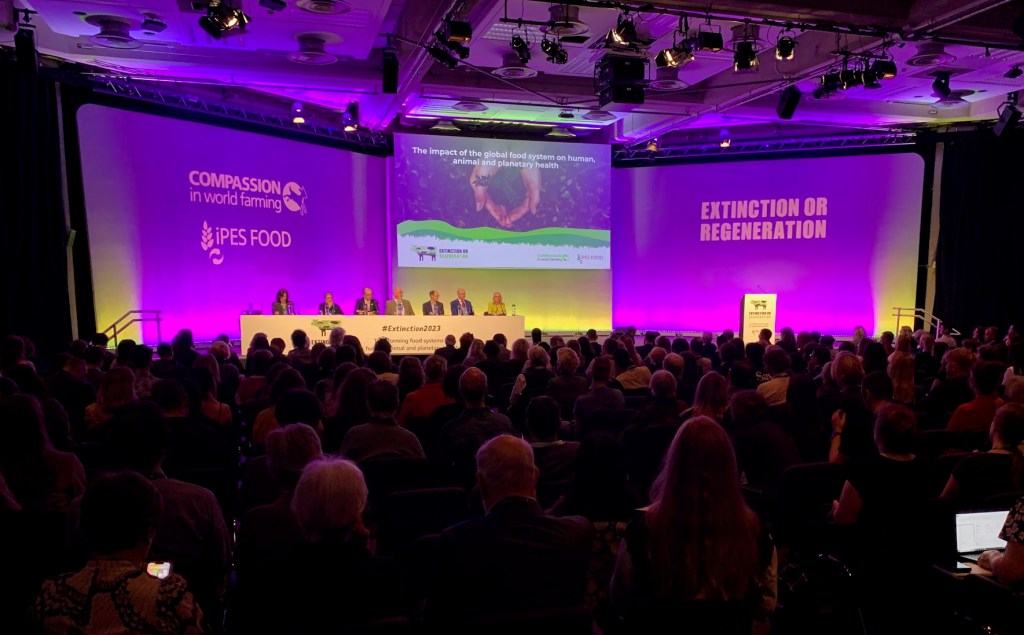
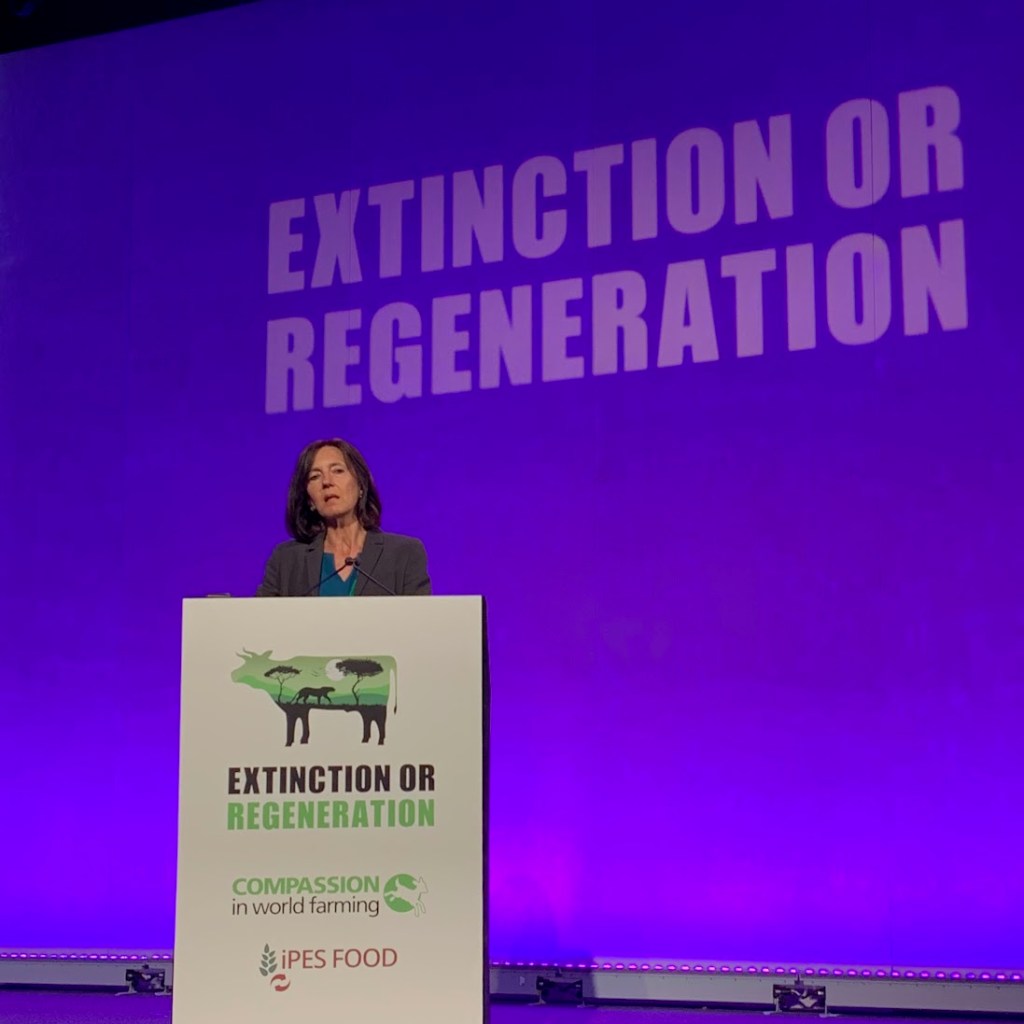
During the Extinction or Regeneration Conference 2023 in London, Philip Lymbery, global CEO of Compassion in World Farming, highlighted the fact that we rely more and more on a small number of countries for the production of major crops on which we depend on. When certain world events occur, such as conflicts and the Covid-19 pandemic, and global supply chains are disrupted, the entire food system is impacted.
Philip Lymbery at the Extinction or Regeneration Conference 2023, London
The countries we rely on, mainly in the global south, are forced to invest in “cash crops” for exports, not producing enough to feed their own population. They produce raw materials that we then process and sell it back to them in the form of finished food products, mainly as a result of their huge debt, explained Lymbery.
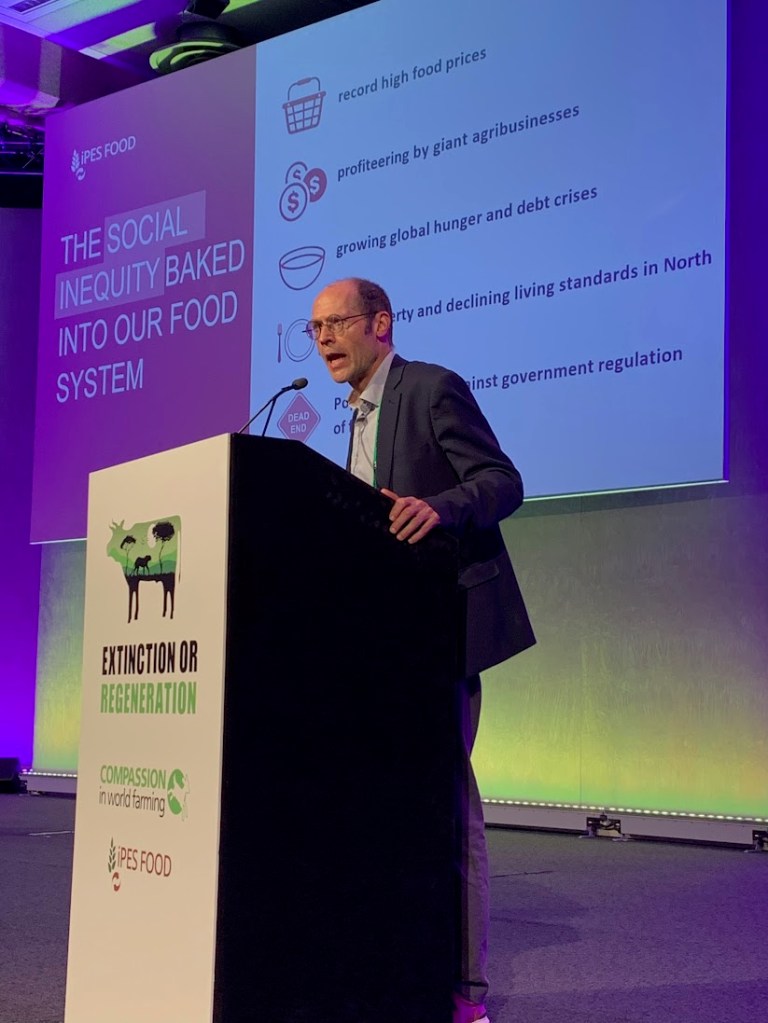
Food security is another issue, as we have witnessed in recent years a record high in food prices, global hunger and social inequities that result from the industrial farming systems, not just from conflicts and climate change. We are producing enough food to feed the entire world, but what we’ve seen is a mismatch between supply and demand, a financialisation of agriculture systems and markets, as well as an increase in power concentration.
Lymbery said, “These companies are taking our food systems hostage for their thirst for profits.”
“Food systems are often shaped by politics, rather than policies”, he added.
Our food systems are also impacting our health and making us sick. According to Marco Springmann, senior researcher in environment and health at the Environmental Change Institute at University of Oxford, the cost of treating diet-related diseases is projected to exceed USD 1 trillion by 2030, also putting a strain on health systems around the world.
“Food that brings you sickness and disease is not food, it’s poison”, said Dr. Vandana Shiva, Indian environmentalist, physicist and author, during one of her speeches at the Extinction or Regeneration Conference 2023 in London.
Extinction or Regeneration Conference 2023, London – Photo Credit: Robbie Blake, IPES-Food
Power Concentration
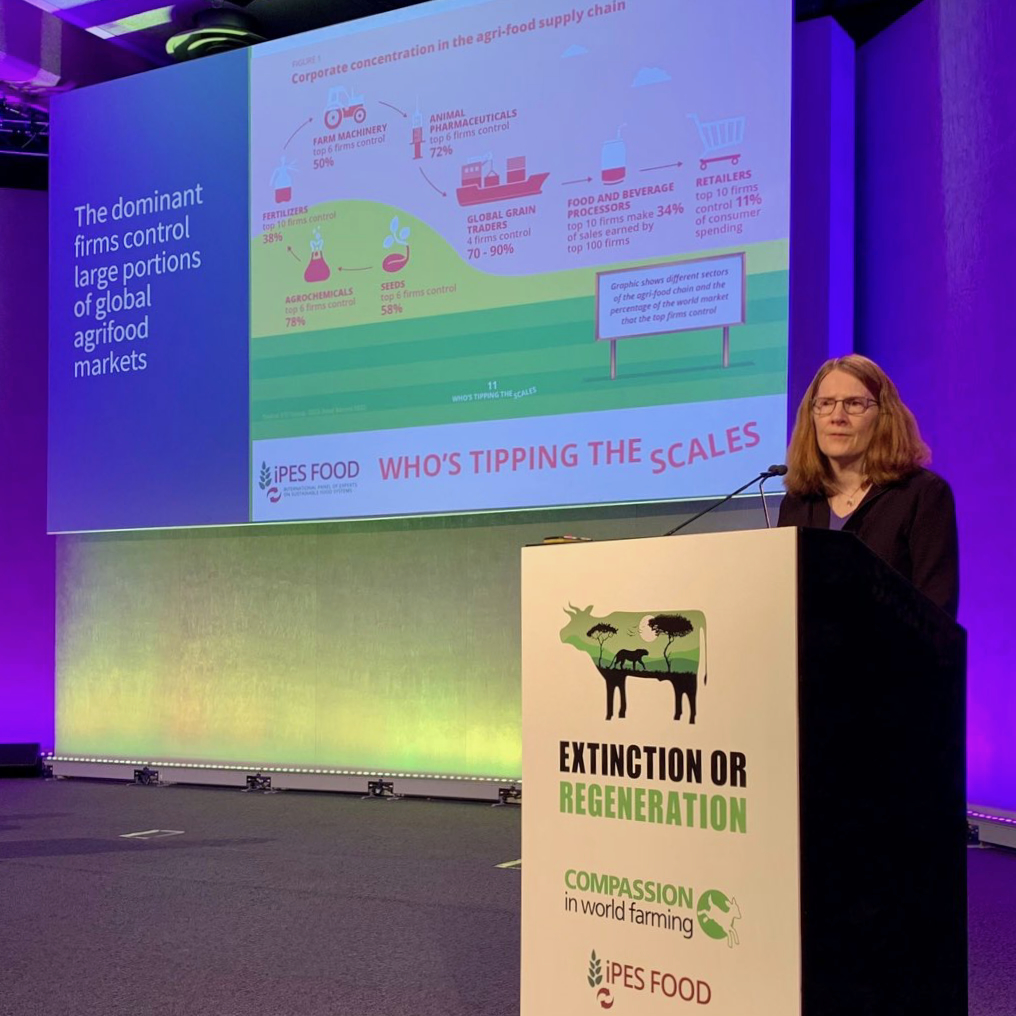
We are experiencing growing concentration in our food systems, as the number of corporations controlling everything, from inputs up through retail are getting smaller.
According to Jennifer Clapp, Canada research chair & professor, School of Environment, Resources and Sustainability at University of Waterloo, and IPES Food “Who’s Tipping the Scales” report, only top six agrochemical companies control 78% of the global market, the top six animal pharmaceuticals control 72%, the top six farm machinery control 50%, the top six seeds companies control 58% and the top five global grain traders control between 70-90%.
Jennifer Clapp at the Extinction or Regeneration Conference 2023, London – Photo Credit: Robbie Blake, IPES-Food
Four major grain traders control approximately 80% of the trade in cereals worldwide, the ABCD firms, ADM (Archer-Daniels-Midland), Bunge, Cargill and Dreyfus; and four major food processing and packaging companies dominate the global market, Nestle, PepsiCo, Anheuser-Bush InBev and JBS.
Since 2015, we’ve seen mega mergers in the seeds and agrochemicals industry, making these corporations even more dominant and powerful. Some of the mergers include Bayer and Monsanto, ChemChina and Syngenta, Dow and Dupont merged to form Corteva, Agrium and Potash Corp merged to form Nutrien.
Olivier De Schutter, UN Special Rapporteur on extreme poverty and human rights and co-chair of IPES-Food, mentioned that giant dominant food corporations acquired the position in decision making to veto any transformative change.
According to him, “it’s not because of corruption of politicians or the finance lobbyists working on their behalf, it’s because they are the champions of economic gain of large scale production that global commodities markets demand.”
“This allows these corporations to say to politicians, “trust us”, we know how to produce food for mass consumption, … if you impose too strong regulations on us, you’ll be faced with higher prices that your voters will have to face. This is what allows them to have a privileged access to politicians”, he added.
He explained that these companies manage to get protection from legislators for intellectual property rights for the new “breeds” that they develop, as well as the new technologies that they promote. Additionally, they can very easily challenge environmental regulations. The State ends up in the hands of these economic actors and ends up working for them.
Olivier De Schutter at the Extinction or Regeneration Conference 2023, London – Photo Credit: Robbie Blake, IPES-Food
These corporations also control the labour conditions of the food system worker, the products that end up in the supermarkets shelves, and have the power to shape government policies. Small-scale producers don’t stand a chance when faced with such powerful competition.
In order to democratise our food systems, we need to increase transparency and accountability.
It’s necessary to set up a worldwide robust anti-trust and competition legislation and food policy, as well as creating a lobby register, which is already in place in some countries, in order to limit the concentration of power of the big agrifood corporations
We should be listening to farmers and working with them to identify solutions that will not only be beneficial to them, but also to our health and the environment, instead of filling the pockets of greedy corporations.
“We also need more public support for alternative food systems, in particular, research and development money going towards agroecology and organic agriculture”, mentioned Clapp.
She added that it’s now necessary for the State to step back in like they did in the past, when they played a prominent role during the last transition to industrial agriculture with R&D and hybridisation in fertilisers and other sectors.
There’s a need control those actors that have the power to shape our policy spaces, including measures that prevent conflicts of interests, where corporate officials end up as regulators and go back to work in the corporate sector.
Lastly, there’s the need to create an autonomous space for civil society to determine and control the rules and governance they’d like to see happen.
According to Planet Tracker, a non-profit think tank, nearly USD 9 trillion of private finance is currently supporting the global food system.
“Financial regulations have become weakened to the extent that they’ve allowed big financial institutions like banks and investment houses to create new financial products for investors to speculate on food commodities”, explained Jennifer Clapp during the Extinction or Regeneration Conference 2023.
The price of commodities can swing much higher or lower than supply and demand would normally indicate and this creates price volatility, consequently generating profit for these institutions.
“There’s another aspect of financial concentration, where asset management firms own huge portions of the global food systems. The ABCD firms, ADM, Bunge, Cargill and Dreyfus, make huge windfall profits when food commodity prices swing. We saw this happening in 2008, and once again, in 2022, when Russian invaded Ukraine”, added Clapp.
Asset management firms, Blackrock, Vanguard, State Street and Capital Group, manage people’s pensions, trillions of assets worth over USD 20 trillion in the global economy. They are buying shares in almost all the companies across the entire agrifood supply chain, which means they have a shared interest in those companies being profitable, therefore creating an incentive for collusion.
Clapp mentioned that economists are concerned about this issue, which is called common ownership, leading to a reduction in competition, as well as leading to higher prices and encouragement of mergers and acquisitions, creating even bigger companies.
The danger of this situation is the fact that it allows them to hold more power to shift food systems in a certain direction, enabling them to shape markets in a way that it can affect prices that consumers pay. Prices are kept low for the agriculture and livestock producers and high for consumers. They also have the power to determine what technologies are going to dominate the market.
Clapp proposed a few solutions to some of these problems, including stronger rules in the financial markets, rules to curb speculation, better reporting, better limits on financial actors in these markets, as well as rules limiting asset managers owning the entire scope of the food systems.
Health Hazards, New Pandemics & Antimicrobial Resistance
Industrial animal production may be a driver of future pandemics. The confinement of high number of animal in small spaces, leave them much more susceptible to viruses and infections, with the potential to evolve into more infectious types, explained Melissa Leach, social anthropologist and geographer, director of the Institute of Development Studies, IDS, during the Extinction or Rebellion Conference 2023.
All recent infectious diseases outbreaks and pandemics are zoonotic, as they originate in animals. Wildlife domestic and farmed animals and humans all interact in intense interfaces where spillover can occur.
The World Health Organisation, WHO, describes antimicrobial resistance, AMR, as the overlooked pandemic. It contributes to treatment failures, increasing human vulnerability to a wide range of infections.
Some of the latest figures suggest that AMR will cause 10 million deaths by the year 2050, more than from cancer, diabetes and pneumococcal diseases combined.
“Key causes of AMR are the overuse of antibiotics in livestock to promote growth and routinely prevent diseases, especially in intensified livestock farming”, mentioned Leach.
Melissa Leach at the Extinction or Regeneration Conference 2023, London – Photo Credit: Robbie Blake, IPES-Food
A study published by The Lancet, Global Burden of Bacterial Antimicrobial Resistance in 2019, estimates that there were 1.27 million deaths globally due to AMR in 2019, and 4.96 million deaths associated with AMR, compared with 6.9 million deaths globally from Covid-19 since the beginning of the pandemic in 2020.
According to Cóilín Nunan, scientific adviser to the Alliance to Save Our Antibiotics, certain types of antibiotics used in animal farming have led to the rise and spread of livestock associated strains of MRSA and clostidrium difficile.
There’s also the resistance to colistin, used as a last resort antibiotic in human medicine for treating life-threatening infections on patients who don’t respond well to other antibiotics, added Nunan.
Scientists from Oxford University released a study showing Escherichia coli bacteria that acquired resistance to colistin in animal farming. According to Nunan, this is an issue of concern and may be more dangerous than AMR, as it may be more able to cause infections in humans.
In Europe, over 60% of antibiotics are used in farmed animals, rather than in medicine. Globally, the figure rises to nearly 70%.
The health impact caused by our food systems is putting a real strain on health systems around the world. There’s been a rise in conditions, including type 2 diabetes, obesity, depression, cardiovascular diseases and certain types of gastro-intestinal cancer, amongst others, all related to our diets.
We can no longer deny the urgent need to embrace more sustainable food systems solutions, support and listen to our farmers, respect and protect Indigenous peoples, our land and the environment, which we are highly dependent on.
The concentration of power within our food systems should be limited and a new model replaced instead, to ensure there’s fairness and equality, access to healthy and nutritious food for everyone, everywhere, and that our health and the health of our planet is protected and respected.
Similar to our current political & economic systems, the food system is no longer serving us; mainly driven by power, profit and greed, resulting in global food insecurity and impacting directly on our health and the environment.
We’ve seen a sharp increase in food insecurity worldwide, driven not only by climate change and multiple conflicts, but also by an unbalanced food system fuelled by corporate power.
As the world population is projected to reach 9.8 billion in the next 27 years, there’s an urgent need to address issues related to our food system, or we may be facing a worldwide famine sooner than expected. We’ve already seen signs of this in many parts of the world.
“The right to food is the right to have regular, permanent and unrestricted access—either directly or by means of financial purchases— to quantitatively and qualitatively adequate and sufficient food corresponding to the cultural traditions of the people to which the consumer belongs, and which ensure a physical and mental, individual and collective, fulfilling and dignified life free of fear”, according to the United Nations.
Giant agribusiness corporations hold the power and control over our food systems, with the ability to influence governments and decision-makers, through lobbying, with the direct intention of shaping policies in many ways.
Their objectives and tactics are questionable, with the tendency to favour their own interests, focusing on profits and maximising shareholder value, rather than addressing hunger and malnutrition.
According to ‘Who’s Tipping the Scales’, a report published by IPES Food, the international panel of experts on sustainable food systems:
“A bold, structural vision to counter the corporate takeover of food-related global governance – one that support central roles for people, governments, and democratic, public-interest-based decision-making, is urgently needed.”
It’s clear that the voices of the most vulnerable communities across the world, and mostly affected by hunger and environmental impact caused by this industry, must be heard.
These giant and dominant agribusiness corporations influence the global organisations we most trust, which should be there to defend our interests. To the surprise of many, agribusiness associations were sitting directly at the UN governance table at the 2021 UNFSS, UN Food Systems Summit.
One must also question the kind of relationship between the private sector and international governance bodies and institutions about potential conflicts of interest.
According to the IPES Food report, in 2020, a private philanthropic foundation, The Bill and Melinda Gates Foundation, was the second largest donor to the CGIAR, the Consultative Group on International Agricultural Research.
Another partnership that raises some eyebrows is the FAO’s, the Food and Agriculture Organisation of the United Nations, partnership with CropLife International, CLI, an agrochemical lobby organisation, whose members include Syngenta, BASF, FMC and Bayer (acquired Monsanto in 2018).
PAN North America, Pesticide Action Network, mentioned that instead of putting the profit of CropLife International members before farmers and consumers worldwide, the FAO must invest in solutions, including agroecology and take stronger action on ending the usage of highly hazardous pesticides, HHPs.
We’ve also seen increase in consolidation, a large number of mergers and acquisitions, allowing these corporations to dominate the agribusiness sector. This allows these giants to have a profound influence on governance and the structure of our food system, resulting in anti-competitive market practices.
These corporations have significant funding at their disposal to influence policies and regulations, such as pesticides, biosafety, patents, intellectual property, as well as trade and investment agreements.
Bayer AG spent over USD 9 million lobbying the US government in 2019, after it acquired Monsanto. At the time, they were reviewing the re-registration of one of the company’s main products, glyphosate (Roundup), which is considered a toxic herbicide. In the US, Bayer has been contesting billion of dollars in settlement claims to end lawsuits over accusations that glyphosate causes cancer.
They are also responsible for shaping science by sponsoring academic research favouring their corporate interests, influencing governance and policies. This was seen in the agrochemical and processed food sectors.
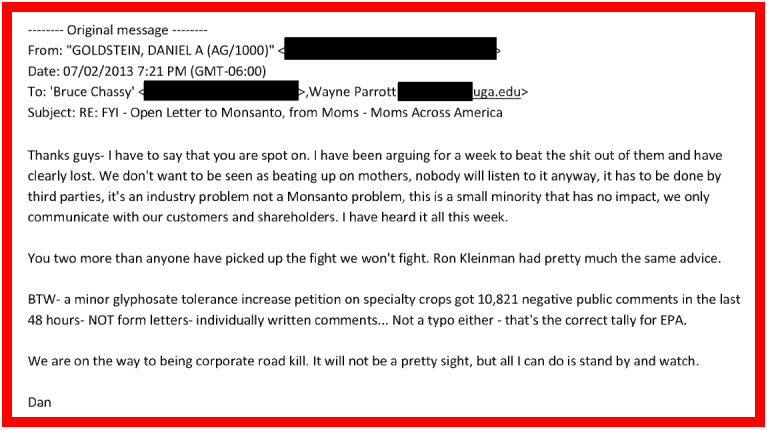
As proof of this, below is an internal email between Monsanto executives obtained by lawyers representing plaintiffs in the Roundup® litigation, where they suggest ‘beating the s**t out of’ a mother’s group expressing concern over the effects of GMOs and Roundup® on their children.
Photograph: Main Street Law Firm PLLC
Monsanto also tried to influence science by sponsoring various ghostwriting academic articles questioning scientific studies that raised concern over its product’s safety, glyphosate.
Another very concerning issue related to the health of our children is the fact that this industry continuously lobbies against mandatory public health measures, including taxes on ultra-processed foods, UPF, sugary drinks and front of package labeling, as well as restrictions on marketing of unhealthy foods to our children. This has a gigantic impact on their health and also creates pressure on our health systems.
A reported example of this was when a children’s cereal manufacturer attempted to sue Mexico after the country tried to amend a food packaging regulation called NOM-5, in order to protect their children from the marketing of unhealthy foods. The regulation established that certain unhealthy products would be prohibited from putting children’s animations and characters on their packages.
The invention of novel foods also raises some red flags. On March, The Defender, a publication defending children’s health, published a piece on Bill Gates’ latest invention, an edible food coating called Apeel, which is an odourless, colourless and tasteless coating for vegetables and fruit, which potentially extends the life span of these products, keeping it fresher for up to two times longer.
Apeel has already received the green light from US regulators, but some questions still remain unanswered surrounding the safety of the product, as the company is relying mainly on existing scientific studies, as no new science has been required to evaluate and test the product.
We seem to be completely exposed and reliant on these corporations to carry out their own safety studies, without the scrutiny of independent regulators and scientific studies.
According to the 2011 UN Guiding Principles on Business and Human Rights, companies are expected to develop their own internal procedures to identify, prevent, mitigate, and account for how they address their impacts on human and environmental rights in global supply chains.
It’s clear that the way we grow our food has a massive impact not only on our physical and mental health, but also on our environment, affecting fauna and flora, the health of our soil, water and air.
Recently, we have seen a sharp increase of fungal disease in crops, affecting 168 crops listed as important in human nutrition, according to FAO of the United Nations. Despite spraying fungicides, farmers are losing between 10-23% of their crops to fungal disease every year, including rice, corn, soybeans and potatoes.
According to a study published at Nature journal, this issue is mainly because of the adaptability of fungi to meet modern agricultural practices. Monocultures entail vast areas of genetically uniform crops, an ideal ground for fast-evolving organisms, such as fungi. Another problem is the increasingly widespread use of antifungal treatments, leading to fungicide resistance.
The use of pesticides and toxic chemicals are increasing exponentially across the world, causing havoc to our health, the soil, polluting water sources, the air, animals and plants.
Industrial agriculture, including cattle farming, soybean, palm oil, sugar cane, corn, wheat, GMOs, monoculture production, is responsible for the deforestation of rainforests, the Cerrado, and many other parts of the world, causing destruction and degradation.
In Brazil, 2.8% of landowners own over 56% of all arable land, and 50% of smallholder farms have access to only 2.5% of the land. Overall, the land is in the hands of a small number of industrial farms.
We must rethink the way we grow our food and we all have the right to access nutritious and healthy food and decide what we eat.
The agribusiness sector spends vast amounts on research and development, making it extremely hard for smaller companies to compete with them, capitalising on patent protection and intellectual property rights.
Why? Because they can!
Patent protection and intellectual property is another issue that should be catching everyone’s attention.
Giant tech companies, such as Amazon and Microsoft, among others, entered the food sector focusing on power, control and profit. Small farmers and local food systems are struggling, as they can’t afford to use this high tech data gathering technology. They are also located in remote areas where these types of services can’t reach.
We can see an increasing movement of powerful integration and control between the companies that are supplying products to farmers, such as tractors, drones, pesticides, etc., and the tech giants. They feed and control farmers with information, and at the same time have direct access to consumers.
The aim is to integrate millions of farmers into a wide centrally controlled network by encouraging and forcing them to buy their products. This digital infrastructure is run by platforms developed by tech companies that run cloud services.
Fujitsu farm workers, located just outside Hanoi, carry smartphones supplied by the company, which monitors their every single movements, productivity, the amount of hours they work, etc., all stored on the company’s cloud. This is extremely worrying, as this practice could easily lead to labour exploitation.
Similar to Fujitsu, other companies investing heavily on this type of digital farming platforms include Microsoft’s Azure FarmBeats, Bayer’s Fieldview, BASF’s Xarvio, Syngenta’s CropWise, Yara’s Yaralrix and Olam’s OFIS, Olam Farmer Information System.
It’s essential to point out the extent of data gathering these platforms are capable of, including real time data and analysis on the farmers soil condition and water, crops growth, pests and diseases monitoring, weather, humidity, climate change, tractor monitoring, etc.
Some of these corporations are also trying to eliminate the “middlemen” by selling directly to consumers, which may be attractive proposition to many, if the idea is mainly to help farmers and small vendors directly, but somehow they may use digital platforms to increase their pricing power over farmers.
An important question we must ask these companies, regulators and our governments: who controls all this data, what do they do with it and who gives the advice?
The influence a few powerful corporations have in food governance must be scrutinised. Governments should be leading in the field of food security and not leaving it in the hands of those that put profit over longevity of life. It may seem a drastic change to the world as we know it, but it may be the only way to bring back a balance in the global food system and secure our quality of life and ultimately our survival.
“We are choosing to play Russian roulette with people’s health”
Monica Piccinini
2 Nov 2022
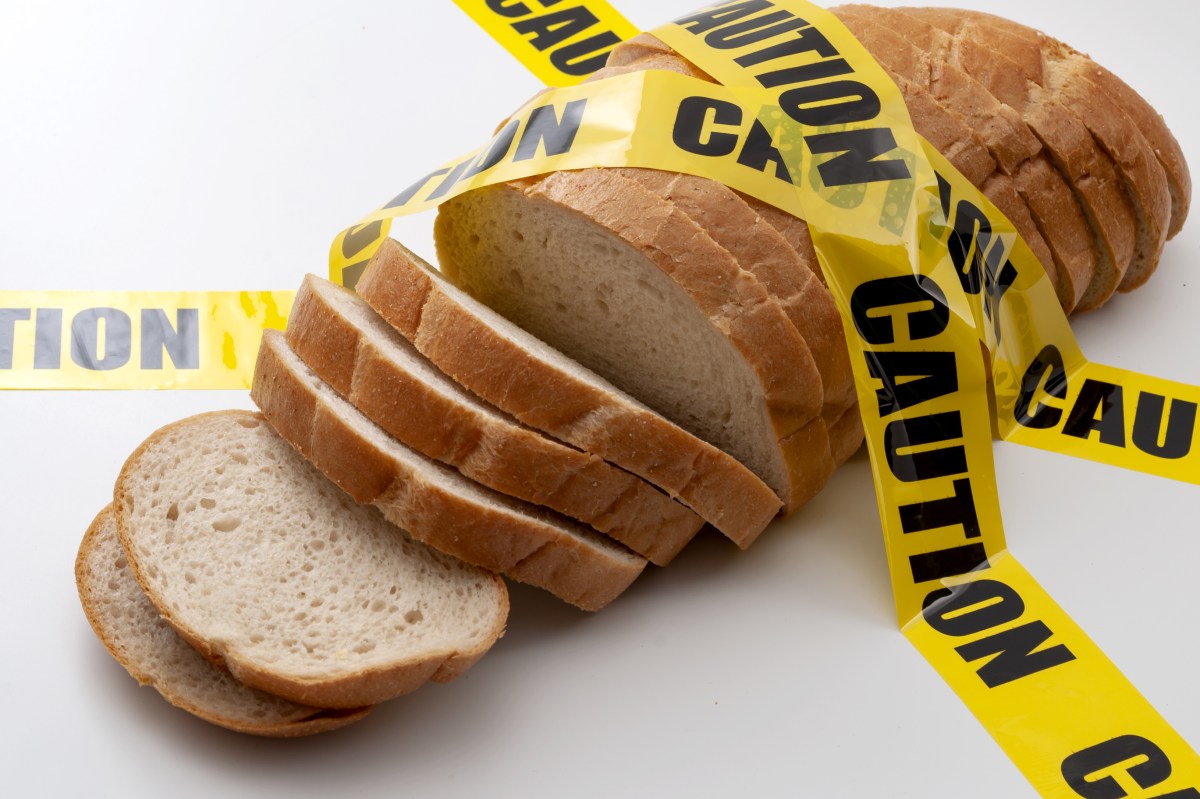
Official figures reveal that the proportion of bread in the UK containing two or more pesticides has doubled to more than 50% in the past year.
The UK government tests are carried out by an expert committee on pesticide residues in food (Prif) and a total of 11 different pesticides, including five with links to cancer (glyphosate,fosetyl, cypermethrin, deltamethrin and flonicamid), were found in a range of bread products – from standard white, brown, to crumpets, scones and muffins.
Bread products containing traces of one or multiple pesticides were found in supermarket own-brands including Aldi, Asda, Co-op, Iceland, Lidl, Marks & Spencer, Morrisons, Ocado, Sainsbury’s, Tesco and Waitrose. They were also found in some top brands: Hovis, Kingsmill, Jacksons, La Boulangerie, New York Bakery, Warburtons, and many more.
Nick Mole, Pesticide Action Network UK (PAN UK) policy officer, said:
“With the cost of living crisis forcing people to spend less on food, it’s vital that consumers can trust that relatively cheap products like bread won’t expose them to dangerous mixtures of chemicals.
The government claims that it’s committed to tackling pesticides, so why have pesticide cocktails been allowed to double in a staple food that most of us eat at least once every day?”
Pesticides used in agriculture can leave traces of chemicals in our food known as residues. Pesticide residues detected on a specific food item will depend on which pesticides are used and how persistent they are. Some food may contain one single residue or multiple ones (‘cocktail effect’).
“There is a growing body of evidence showing that pesticides can become more harmful when they’re combined with each other. And yet we continue to set safety limits for just one chemical at a time.
We actually have no idea of the long-term impacts of consuming tiny amounts of hundreds of different chemicals. We are choosing to play Russian roulette with people’s health”, mentioned Mole.
We should be aware of the implications caused by ingesting food containing not only one but also multiple pesticides, especially if consumed over a long period of time, during our childhood, adult life and especially during pregnancy.
Some pesticides, known as endocrine disrupting chemicals (EDCs), have the potential to disrupt our hormone systems, and can play a role in the development of cancers, including colorectal and breast cancers. Pregnant and breastfeeding women, as well as young children, are particularly vulnerable.
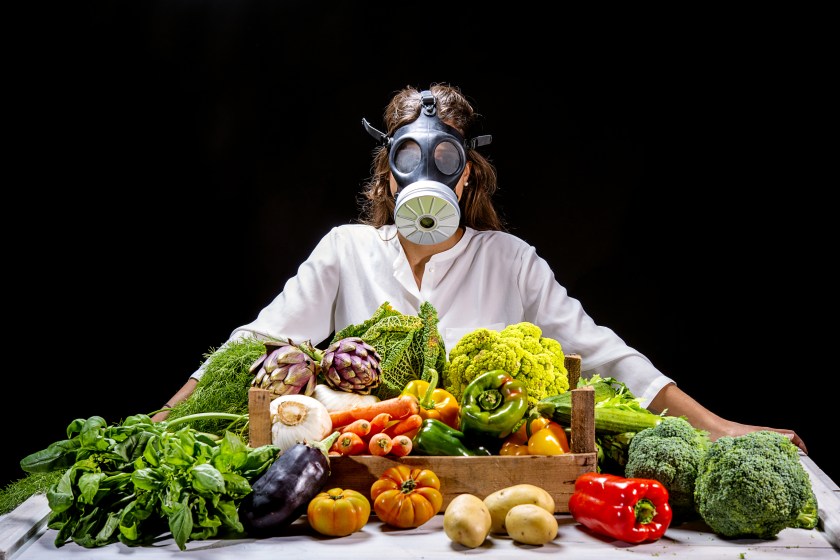
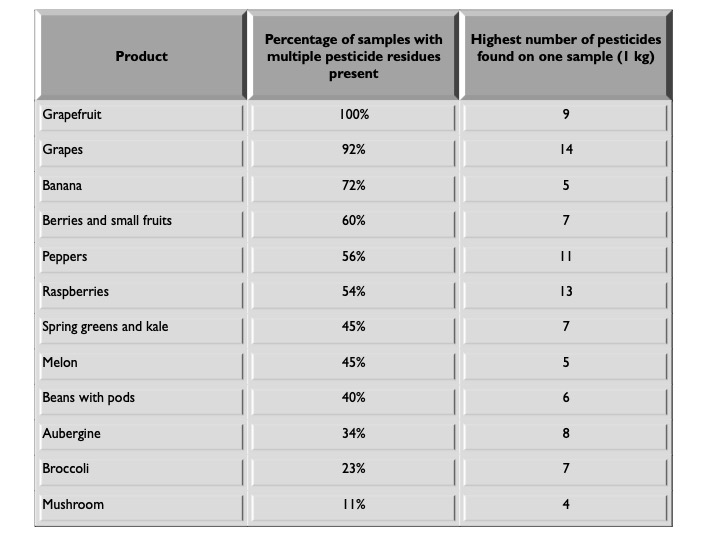
The most recent data published by the UK government, which relates to testing conducted in 2021, reveals that pesticide cocktails are also a significant problem for fruit and vegetables, with 30% of vegetables and more than 60% of fruit found to contain residues of more than one chemical.
Based on government data, PAN UK launched its annual “Dirty Dozen”, a list of fruit and vegetables most likely to be contaminated with multiple pesticides:
PAN UK analysis of the most recent results from the government’s testing programme found a total of 137 different pesticide residues across all produce, including many linked to serious chronic health effects. Specifically, the produce tested contained:
• 46 carcinogens, which are capable of causing different types of cancer.
• 27 endocrine disruptors (EDCs), which can interfere with hormone systems and cause birth defects, developmental and reproductive disorders (infertility).
• 11 ‘developmental or reproductive toxins’, which can have adverse effects on sexual function and fertility, causing miscarriages.
• 14 cholinesterase inhibitors that reduce the ability of nerve cells to pass information to each other and can impair the respiratory system and cause confusion, headaches and weakness.
Over a third of the total pesticides found are not approved in the UK, meaning that the British farmers aren’t permitted to use them.
“These pesticides residues should not be making onto the plate of UK consumers.
They are either slipping past our shoddy border checks unnoticed, or foreign producers are being handed a competitive advantage by being allowed to use pesticides banned in the UK.
At a time when we are asking our own farmers to produce more sustainably, we should not be making it harder for them to earn a living”, said Mole.
The most effective way to tackle pesticide cocktail in our food is to ensure that the new trade agreements don’t lead to an influx of pesticide-laden imports and to reduce dramatically the chemical use in domestic farming.
Weakening of pesticide standards via trade deals with countries where pesticide regulation is less rigorous, means the population in the UK may be consuming products with higher level of pesticides that are already banned in the country.
“To protect the health of their customers, some UK supermarkets are beginning to sit up and take notice of pesticide cocktails. Meanwhile, the government’s key strategy on pesticide reduction is already five years late.
Our new environment secretary, Dr. Thérèse Coffey, must take urgent action to reduce pesticide-related harms. How much longer should consumers and farmers have to wait?” added Mole.
This is a significant ongoing issue that requires immediate attention and action from the government, regulators, corporations, supermarkets and also the British population, who may be paying a hefty price for these senseless actions, with their own health!
How much are we willing to pay for our meat obsession?
As the world population continues to grow and predicted to reach nearly 10 billion by 2050, meat consumption is on the increase. According to a study published by Science, between 90 to 99 percent of all deforestation in the tropics is driven directly or indirectly by agribusiness.
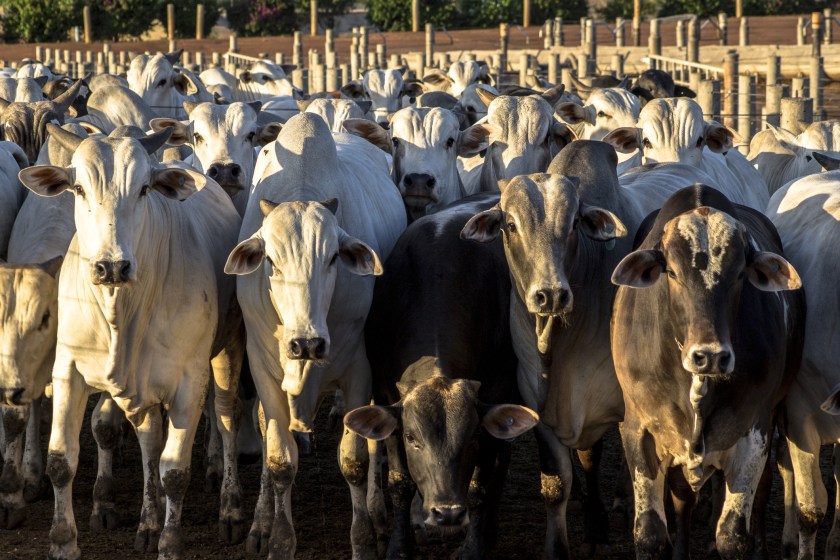
Livestock is the leading driver of deforestation in the Amazon rainforest and a key factor of not just CO2 emissions, roughly 14.5% of all human-induced global GHG emissions, but also of methane.
According to IPAM, the Amazon Environmental Research Institute, cattle pastures occupy 75% of the deforested area on public lands in the Amazon. Deforestation of the Amazon and Cerrado are the main drivers of Brazil’s CO2 emissions.
“Squatting is a risk factor for the planet’s climate balance, and it also poses two problems for the livestock sector: illegality and more greenhouse gas emissions,” says IPAM senior researcher Paulo Moutinho.
“A truly low carbon economy in Brazil needs to undergo a comprehensive analysis of the impact of production chains on the worsening of the greenhouse effect. Leaving these emissions aside makes no sense when we have an ongoing climate emergency,” he warns.
A recent study conducted by WWF found that out of the 486 endangered species in the Amazon and Cerrado regions, 484 of them have lost part of their habitat as a result of deforestation.
It’s fair to say we shouldn’t point the finger at one single direction, when you realise that there’s a significant number of worldwide investors and supporters financing deforestation in the region. Complicity must be shared equally.
With that in mind, some fundamental and essential questions must be answered; as to who is to blame and what effective actions can we expect to be taken from world leaders, financiers, governments, corporations and the general public?
JBS, Marfrig and Minerva are Brazil’s largest meat processors and exporters, supplying food chains and supermarkets in Brazil and across the world.
JBS is the world’s largest meat (beef, pork, lamb and poultry) processing company in the world with the largest climate footprint. It has US$ 76 bi in revenues, employs over 250,000 people globally, and has over 70 brands and customers in 190 countries, including Swift, Pilgrim’s Pride, Moy Park, Certified Angus Beef, Gold Kist, Oak Crown, Moyer, Clear River Farms, Geo, and many more.
In 2021, the majority of the company’s revenues were made in the United States (51%), Asia (15%), Brazil (12%) and Europe (7%), and the majority of its exports in 2020 went to China (27.2%).
The company is associated with suppliers linked to deforestation, pollution, slave labour, fires, bribery, land grabbing and invasion of Indigenous peoples’ land, protected areas and reserves.
According to a Mighty Earth report, The Boys from Brazil, JBS, Marfrig and Minerva maintain that they can’t trace its cattle through its supply chain and eliminate cattle linked to deforestation areas.
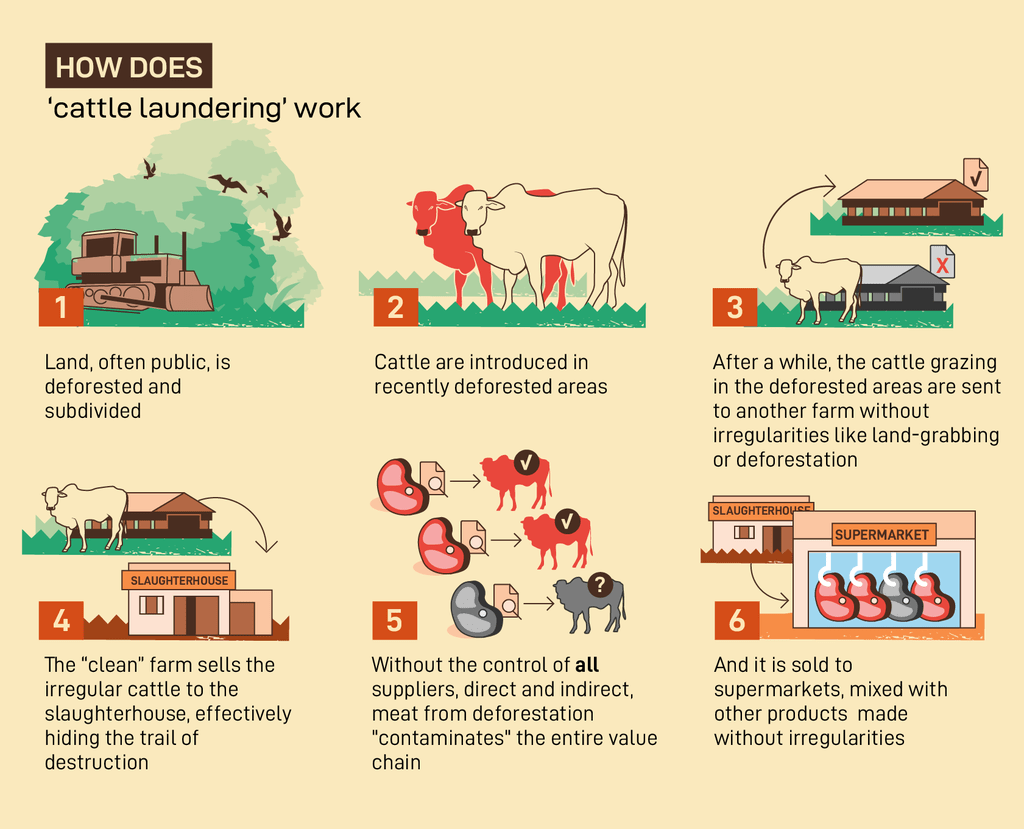
JBS has been accused of “cattle laundering”, the shuffling of cattle from ranch to ranch in order to conceal their illegal origins. The process is tricky and difficult to track. The cattle are bred where deforestation occurs, moved to other properties where it is nurtured through adolescence and then taken to “fattening” farms. The cattle are then transferred to processing plants where they are slaughtered and butchered ready to be shipped/exported.
Source: Greenpeace
“In their emission disclosure and their net-zero target for 2040 JBS fails to take responsibility for an estimated 97% of its emissions footprint, by neglecting emissions from farms and feedlots that are not owned by JBS and emissions related to deforestation. The company plans to continue growth in a GHG emission-intensive industry; we did not find evidence of any planned deep decarbonisation measures”, was reported in the Corporate Climate Responsibility Monitor 2022 assessment (page 84).
“Rather than making noises about being transparent about their supply chains and emissions, why don’t JBS disclose their most recent data? It’s time for JBS to come clean about their global slaughter figures, so we can determine with pinpoint accuracy the scale of their climate footprint”, said Gemma Hoskins, UK director of Mighty Earth.
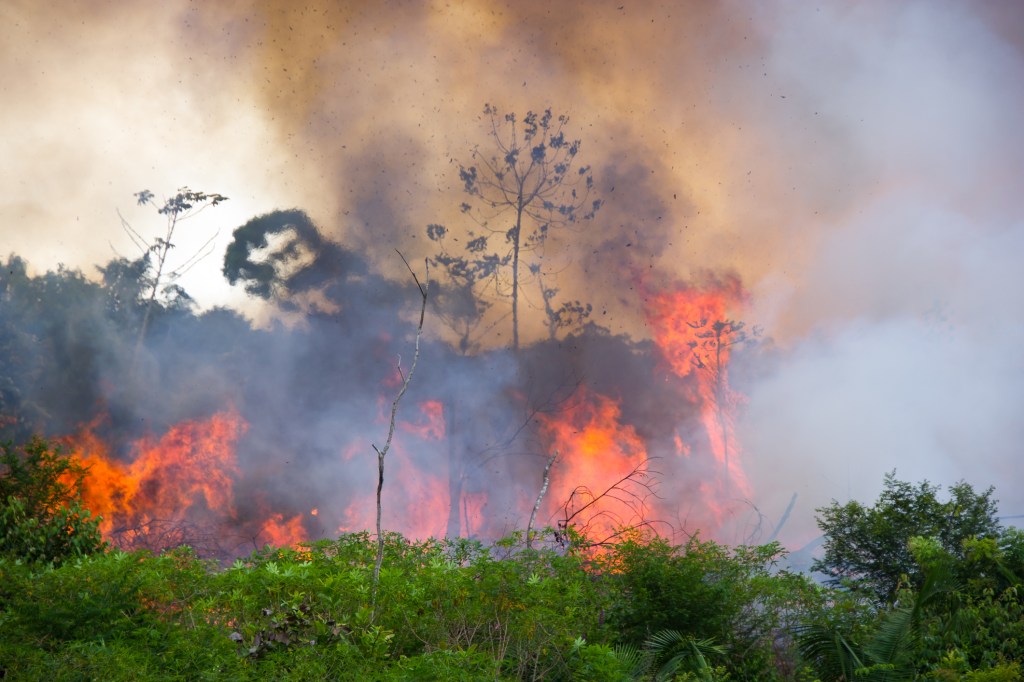
Fires in the Amazon and Cerrado regions are not naturally occurring events; they usually start intentionally, to clear the land for pasture, illegal logging and land grabbers or to grow animal feed. In September, Brazil’s National Space Research Agency, INPE, reported 41,282 fires in the Amazon rainforest, the highest number since 2010.
The Supporter’s Black List
There are a substantial large number of investors and supporters involved in financing, directly or indirectly, the deforestation of the Amazon rainforest and the Cerrado regions.
An investigation released in June by Global Witness revealed that one of JBS’s supplier, the Seronni dynasty, was allegedly involved in a series of human rights abuses, including the use of slave labour, deforestation, land grabbing and cattle laundering for over a decade. The Seronni’s wealth was gained at the expense of the Amazon deforestation, as well as the exploitation of slave labour.
Grupo Mastrotto, a large Italian producer of leather and upholstery to the clothing, footwear, automotive and boat industries, was also identified as an importer of JBS’s leather linked to the deforestation of the Amazon. Mastrotto supplies the Volkswagen Group, owner of Audi, Bentley, Bugatti, Lamborghini, Porsche, Seat and Skoda. Other customers include Toyota and Ikea.
The meat industry wouldn’t be able to operate without the support of international finance. The UK, EU and US based-financiers continue to funnel billions to JBS, Marfrig and Minerva, including Barclays, BNP Paribas, Deutsche Bank, Dimensional Fund Advisors Group, Fidelity Management, HSBC, JP Morgan, BlackRock, Santander, Vanguard Group, and many more.
French bank, BNP Paribas, was given a formal notice by NGOs for financing Brazilian beef giant Marfrig, implicated in illegal deforestation, indigenous land rights violations and slave labour.
“Banks can no longer pretend they don’t know that their financing and investments fuel deforestation and climate chaos”, said Jérémie Suissa, director of the French organization Notre Affaire à Tous.
Trade data accessed by Global Witness also revealed that in 2020 alone, JBS exported beef products to 160 companies in Europe, 30% went to the UK.
Supermarkets in Europe, the US and the UK are responsible for selling products linked to the Amazon and Cerrado deforestation, including Aldi, Asda, Carrefour, Costco, Iceland, Morrisons, M&S, Tesco and Walmart, amongst others.
Food service companies are also accountable for selling branded and unbranded products sourced from deforested areas in the Amazon and Cerrado regions. They include Burger King, KFC, McDonald’s, Nando’s, Outback Steakhouse, Pizza Hut, Subway, Wendy’s and many more.
According to a damming report by Repórter Brasil, McDonald’s: The Footprint of a Giant, McDonald’s supply chain is exposed to several risks of violations related to Brazil’s rural reality. Deforestation, slave labour, violations of labour laws, and damage to traditional communities are part of the risks directly or indirectly linked to the network that supplies their restaurants.
The reality is that we can’t continue doing business as usual and must take immediate action, as the consequences are far too great to our planet and the next generations, some of them already irreversible.
NGOs, researchers, scientists and specialists have proposed various recommendations and solutions to the problem, but the ones accountable for the deforestation and degradation of the Amazon rainforest and Cerrado regions constantly ignore them.
• Governments should introduce legislation requiring businesses to identify, prevent, mitigate and report on deforestation and human rights risks, tackling the role of imported products driving deforestation globally.
• Investors, banks and financiers must divest from JBS, Marfrig and Minerva and its subsidiaries excluding them from their investment funds and bond portfolios.
• Supermarkets, retailers and food service companies must drop these companies as a meat supplier.
• The Brazilian government must divest all financing for these companies via BNDES development bank, must introduce enforceable rules against deforestation and introduce strict regulatory limits on mega and factory farm methane emissions.
• JBS, Marfrig and Minerva must disclose its direct and indirect emissions fully, including carbon dioxide and methane, and allow an independent third party to verify their company’s emissions claims.
Carlos Nobre, renowned Brazilian earth scientist, who spent the last four decades dedicated to research studying the Amazon rainforest and its impacts on the earth system and 2007 Nobel Peace Prize winner, has a message to the international community:
“Responsible consumption is key. The international community must continue to play an important role on sustainable consumption and not purchase any products that come from deforested areas.”
A final message from Lucas Ferrante, Brazilian ecologist and researcher, who published several studies on the Amazon rainforest and Cerrado:
“Countries that import commodities from Brazil need to review their trade agreements, mainly for meat, soy, ores, biofuels and now oil and its derivatives that come from the Amazon. Brazilian agribusiness has become a threat to the Amazon, to traditional peoples and to the global climate.”
We are facing multiple challenges ahead of us, none of them simple to solve, requiring total transparency, good will and power to make the essential and effective changes that will create a positive meaningful impact on the future of our planet and humanity.
We can no longer afford to turn a blind eye to these issues, as the result of our inaction will profoundly impact the future of our children!
Sixty years ago, Rachel Carson’s book, Silent Spring, alerted the world to the dangers of chemical pesticides to the environment and our health. The environmental degradation predicted by Carson, who warned of a future “silent spring” unless pesticides were tackled, continues to unfold.
Since records began in 1990, the UK has covered over 700 million hectares in pesticides – enough to dose every inch of the country 14 times over. Meanwhile, local councils, up and down the country, still routinely use pesticides linked to cancer in parks and playgrounds.
The UK Government’s “dither and delay” approach to pesticide policy is failing to adequately protect human health and the environment from pesticides.
Despite its promises to publish a national action plan on pesticides, the Government is now talking about deregulation, with UK’s prime minister, Liz Truss, promising a “red tape bonfire”, which is likely to put human health and wildlife at further risk.
Synthetic pesticides are some of the most toxic substances in use today, persisting in the environment for weeks, months or even years.
Polar Bears have been found to have pesticides residues in their system, despite those chemicals never having been used in the Arctic. Ice sheets and glaciers melting as a result of climate change, are thought to be releasing pesticide residues that have been accumulating since the 1940s.
“How could intelligent beings seek to control a few unwanted species by a method that contaminated the entire environment and brought the threat of disease and death even to their own kind? Yet, this is precisely what we have done.”- Rachel Carson, Silent Spring.
“Rachel Carson would turn in her grave if she could see how pesticide use has proliferated since she wrote Silent Spring. Most crops are now treated with a blizzard of insecticides, molluscicides, fungicides and herbicides, which damage soils, pollute streams, and chronically expose wildlife and people to complicated mixture of toxins. We urgently need to transition to more sustainable farming methods.” – said Dave Goulson, Professor of Biology, University of Sussex and author of Silent Earth.
According to the United Nations, the world’s population is set to reach nearly 10 billion by 2050, with huge concern on the need to ensure universal access to healthy food, but at the same time making sure food is produced in a sustainable way.
Pesticides are putting long-term food security at risk by damaging our soils and the creatures that help plants to grow. Despite industry claims, pesticides are not necessary for food security, and there are other ways to farm with nature.
Approximately 75% of global crop types rely on animal pollination. The UK government decided to authorise, for “emergency use”, the poisonous bee-killing pesticide neonicotinoid on beet crops. A single teaspoon of neonicotinoid is enough to deliver a lethal dose to 1.25 billion bees.
Josie Cohen, Head of Policy & Campaigns, Pesticide Action Network UK (PAN UK), mentioned:
“The agrochemical industry continues to tout the long discredited myth that we cannot feed the world without pesticides. But three quarters of the world’s food crops depend, at least in part, on pollinators. We now know that the recent crashes in populations of bees and other pollinators that are being driven by pesticide, pose a much greater and more existential threat to global food security.”
In the meantime, the UK farmland biodiversity continues to decline, with bird populations more than halving since 1970 and arable wildflowers becoming one of the most threatened groups of plants in the UK. The use of pesticides is the leading cause of this decline.
Martin Lines, an arable farmer and UK chair of the Nature Friendly Farming Network, explains:
“Government policy has taken farmers down a path that doesn’t view or reward nature as integral to sustainable food production. The government has not acted with the necessary urgency to address the biodiversity crisis, and it continues to drag its feet in delivering a new pesticide National Action Plan. We are concerned that this new government will turn a blind eye to importing products that use pesticides, which are illegal in this country and will contribute to the decline of nature.”
“We are very concerned about the effects of certain pesticides still in current use. Some may act as carcinogens by inducing gene mutations. Others can act as endocrine (hormone) disrupting chemicals that may affect hormones – including oestrogen – which may also increase breast cancer risk”, mentioned Thalie Martini, CEO of Breast Cancer UK.
Pesticides used in agriculture can leave traces of chemicals in our food known as residues. Residues detected on a specific food item will depend which pesticides are used and how persistent they are. Some food may contain one single residue or multiple ones (‘cocktail effect’).
We should all be aware of the implications caused by exposure to pesticides by spraying throughout towns, parks and playgrounds, and ingesting food containing not only one but also multiple pesticides, especially if consumed over a long period of time, during our childhood, adult life and especially during pregnancy.
Carey Gillam, investigative journalist and author of Whitewash – The Story of a Weed Killer, Cancer and the Corruption of Science and The Monsanto Papers – Deadly Secrets, Corporate Corruption, and One Man’s Search for Justice, mentioned during our last communication:
“There is abundant scientific evidence dating back decades that clearly establishes the serious health risks pesticide exposures create for people, especially children. It is simply irresponsible to ignore those risks, which include cancers, neurodevelopmental harms, reproductive problems, Parkinson’s disease and other adverse health effects.”
It’s worth highlighting some facts about the effects caused by pesticide exposure to our health:
• Long term pesticide exposure has been linked to the development of Parkinson’s disease; asthma; depression and anxiety; attention deficit and hyperactivity disorder (ADHD); and cancer, including leukaemia and non-Hodgkin’s lymphoma.
• Some pesticides, known as endocrine disrupting chemicals (EDCs), have the potential to disrupt our hormone systems, and can play a role in the development of cancers, including colorectal and breast cancers. Pregnant and breastfeeding women, as well as young children, are particularly vulnerable.
• Neurologists are warning of an impending Parkinson’s pandemic, linked to widespread exposure to herbicides, solvents, and other toxic chemicals used in agriculture and manufacturing. There is currently a class actionlawsuit in the US over the link between lethal weed-killer paraquat and Parkinson’s disease.
• UCLA-led research published in the International Journal of Hygiene and Environmental Health, found that children prenatally exposed to the chemicals acephate and bromacil had an increased risk of developing retinoblastoma, or cancer in one eye, and exposure to pymetrozine and kresoxim-methyl increased the risk of all types of retinoblastoma.
Helen Browning, CEO, Soil Association, mentioned:
“Switching to foods that support healthy and sustainable diets, produced on agroecological farms, is crucial to stabilising our climate, reversing the catastrophic decline in wildlife and preventing public health emergencies. The countryside is still silent. Future generations deserve and need to live in a fertile, productive and naturally noisy world.”
“It is also an era dominated by industry, in which the right to make a dollar at whatever cost is seldom challenged.” – Rachel Carson, Silent Spring.
Rachel Carson was met with fierce resistance from agrochemical companies, dismissing and undermining her scientific studies as nonsense – a tactic that the industry still uses today.
According to Allied Market Research, the global agrochemicals market is projected to reach $315.3 billion by 2030, compared to $231.0 billion in 2020.
Syngenta, one of the top four pesticide manufacturers, reported a 26% increase in profits for the first three months of 2022, a staggering $8.9 billion.
According to US scholars Howard and Hendrickson, up to 66% of the world sales of agrochemicals are in the hand of just four multinationals (Syngenta-ChemChina, Bayer-Monsanto, Basf and Corteva), whereas three of the same companies control half of global trade in seeds.
The UK continues to allow Syngenta manufacturing facility in Huddersfield to produce and export deadly pesticide paraquat to developing countries. Paraquat has been banned for use in the UK and the EU since 2007.
There’s clear evidence that the agrochemical industry is making substantial profits at the expense of people’s health and lives, as well as contributing to damage to environmental degradation and biodiversity loss.
Corporate lobby groups continue to deploy “science” to manipulate the public and pour money into the political system to get policy and regulation that tips in their favour and increases their profits.
Pesticide companies have been known to adopt tactics similar to the tobacco industry, including reportedly ghostwriting safety studies, going after scientists who publish unfavourable research, and putting out misinformation designed to undermine evidence that their products cause harm and that effective non-chemical alternatives exist.
In the UK, pesticide regulation is another issue of concern. If weakened, as a result of Brexit, there is a real danger of massive increase in pesticide harms.
Weakening of pesticide standards via trade deals with countries where pesticide regulation is less rigorous, like Australia, Brazil, India, Mexico and the United States, means the population in the UK may be consuming products with high level of pesticides, which are already banned in the country. The UK should be banning the imports of food produced with banned pesticides.
UK agriculture and farmers will also be directly affected by allowing crops grown more cheaply on a larger scale to be imported. This could lead to UK farmers having no option but to resort to the use of more pesticides domestically.
Hundreds of environmental laws that protect nature and our health in the UK, including chemical contamination, are set to expire in December 2023 and removed from UK law under a new government bill. This decision could have serious implications to our health and the environment; at a moment we should be doing everything we can to stop the damage we have caused to our planet.
According to a report released in January 2022 by the United Nations Human Rights Council, the toxification of planet Earth is intensifying. While a few toxic substances have been banned or are being phased out, the overall production, use and disposal of hazardous chemicals continues to increase rapidly.
“The chemical war is never won, and all life is caught in its violent crossfire.” – Rachel Carson, Silent Spring.
Climate change, the energy and food crises are real issues and currently affecting most of our lives in one way or another. It’s our duty to get involved and push world leaders, politicians, corporations, regulators, the ones in power and able to make concrete changes, to address these issues immediately, including the chemical war on our health and the environment.
According to the United Nations projections, the world population will increase to 8.5 billion by 2030, as humanity faces one of their biggest challenges, food insecurity. Almost 193 million people in 53 countries suffered acute food insecurity in 2021.
Major producers around the world need to turn away from the damaging industrial agrochemicals and pesticides that are magnifying the current issues and explore new innovative techniques to ensure the world’s food security for the future.
Approximately USD 44tn of economic output – more than half of global annual GDP – is moderately or highly reliant on natural capital. Yet, humans have already transformed more than 70% of the Earth’s land area from its natural state, causing unparalleled environmental degradation and contributing significantly to global warming, according to UNCCD Global Land Outlook latest report.
“Our health, our economy, our well-being depends on land. Our food, our water, the air we breathe are all coming from the land, at least partially,” said Ibrahim Thiaw, executive secretary of the UNCCD, in a call with reporters. “Humanity has already altered 70 percent of the land. This is a major, major figure.”
If degradation of the land keeps increasing at this rate, scientists predict that there will be large-scale food supply disruption, increase in biodiversity loss, extinction, more zoonotic diseases and decline human health, giving rise to poverty, hunger and pollution.
“Time is short, and the situation is dire,” said Qu Dongyu, the Direct-General of the Food and Agriculture Organisation (FAO). He added there needed to be a “transformation of agrifood systems to be more efficient, inclusive, resilient and sustainable”.
Agroecology & Biocontrols VS Industrial Agriculture & Pesticides
The world’s industrial food systems haven’t found a solution to the food and biodiversity crises yet, mainly due to the fact that the solution may not appeal to the agribusiness giants, including the agrochemical industry, governments and world development banks, who usually seem to set the agenda and policies for the sector.
A report by the Action Group on Erosion, Technology and Concentration (ETC Group), ‘Who Will Feed Us?’, mentions that small-scale producers provide food to 70% of the world, while using only 25% of the resources.
After all, there’s a solution to these crises available, a solution that serves people’s interest and the environment, instead of agribusiness corporations, public development banks and governments. We should be supporting agroecology as the solution to the food and biodiversity crises.
According to UNFSS, we don’t need “sustainable intensification”, “climate-smart agriculture” or ‘nature-positive solutions,” which often greenwash corporate agendas. Millions of smallholder farmers, fishermen, pastoralists, agricultural and rural workers, and entire indigenous communities practice agroecology, a way of life and a form of resistance to an unfair economic system that puts profit before life.
Pesticide Action Network UK (PAN-UK) are the only UK charity focused solely on tackling the problems caused by pesticides and promoting safe and sustainable alternatives in agriculture, urban areas, homes and gardens. PAN-UK promotes agroecological practices, guiding and supporting farmers across the world.
Agroecology practices include putting farmers first, promoting soil health, biodiversity and natural ecosystem function, integrating science with knowledge and practice, promoting complexity over simplicity, minimising waste and optimising energy.
According to PAN-UK, less than 0.1% of pesticides applied for pest control reach their target pests (Pimental, 1995). Replacing chemicals that cause harm to our health and biodiversity, including soil degradation, is essential. Agroecology improves farmers’ profitability, yield, health, food security, and better opportunities for women farmers.
Pesticides can damage our health, biodiversity, wildlife, pollute the air we breathe, the water we drink, soil, plants and everything else it touches. It’s also the cause of suicide and accidental deaths mainly in the global south. These toxic chemicals must be replaced with biological control or biopesticides.
Biocontrol
Biological control, or natural control, is a component of an integrated pest management strategy. It’s the reduction of pest populations by natural enemies, biological control of insects, weeds and plant diseases. Biocontrol is safer for the end-user and the environment.
The approval process and authorisation of innovative biocontrol is still slow, complex and differs from country to country. There is an urgent need to rethink data requirements on risk assessments and also create a worldwide integrated and simplified regulatory system, so every country is on the same page. This would also facilitate trade between countries and at the same time help to reverse biodiversity loss globally.
“We need a strong voice lobbying for biocontrols at the highest levels of government”, mentioned Nick Mole, PAN-UK policy officer at the World BioProtection Awards 2022.
Since Brexit, the UK’s deregulation plans on pesticides and GMO food have caused some concern, including possible free trade agreements with countries with lower food standards. The UK population may be consuming products with high level of pesticides, including unlabelled genetically engineered foods that may be available as early as 2023. Are we prepared to accept this?
“The indirect consequence is that people are starving in Africa because we are eating more and more organic products”, said, Erik Fyrwald, the CEO of Chinese-owned agrochemical giant Syngenta, to NZZ. This statement showed his opposition to organic farming.
Syngenta produces pesticides and GM seeds. The company’s Huddersfield factory exported a staggering 12,000 tonnes of the herbicide Paraquat and others in 2020. Paraquat was banned for use in the UK since 2007, as it’s been linked to be lethal to humans causing kidney failure, liver damage, DNA damage, Parkinson’s disease and death.
A very interesting move from Syngenta Crop Protection AG is their recent acquisition of two products, NemaTrident® and UniSpore®, from UK-based biocontrol technology developer Bionema. Is this a sign that change may be under way?
With the right support from governments, farmers are keen to accept more sustainable solutions to protect their crops, retailers and the public are open and interested in healthier products and protecting the environment, therefore legislators should be on their side facilitating this process, turning this into a win-win situation.
This is time for corporations, scientists, environmentalists, activists, farmers, growers, the public, governments, legislators, regulators, and the entire world to come together and accept that change is essential to our survival and it must happen now!






















 Monica Piccinini