Official UK government pesticide usage data reveals that the use of glyphosate in UK farming is increasing, despite a recent government promise to “reduce reliance on the use of conventional chemical pesticides.”
According to analysis by Pesticide Action Network UK (PAN UK) and the latest figures, the amount of glyphosate used in UK agriculture grew by more than 360 tonnes (16%) between 2016 and 2020, while the area of land sprayed with the pesticide increased by 9%, amounting to 230,000 hectares, three times the size of Greater Manchester.
Nick Mole, PAN UK’s policy officer, mentioned:
These latest figures, while shocking, are actually a huge underestimation of our exposure to glyphosate since they only relate to farming. Meanwhile, glyphosate is also sprayed liberally in most UK towns and cities.
The negative impacts of glyphosate on human health and the environment are well-documented. With cancer rates and biodiversity loss both rising, it’s crazy that we continue to endanger the health of rural residents, farmworkers and wildlife when there are plenty of safer and more sustainable alternatives available.
One of the primary concerns associated with glyphosate is its potential impact on human health. Several studies have suggested a possible link between glyphosate exposure and various health issues, such as an increased risk of cancer, particularly non-Hodgkin’s lymphoma.
Environmental concerns are another area of contention surrounding glyphosate use. The herbicide’s widespread application can lead to its presence in soil, water bodies, and food crops, potentially impacting ecosystems and non-target organisms.
Glyphosate has been linked to adverse effects on aquatic organisms, including fish and amphibians, and there are concerns about its potential impact on pollinators, such as bees, which are crucial for agricultural productivity and biodiversity.
Additionally, the long-term use of glyphosate can lead to the development of herbicide-resistant weeds, commonly known as “super-weeds.” Continuous exposure to glyphosate can exert selection pressure on weed populations, promoting the growth of resistant individuals that are no longer susceptible to the herbicide. This phenomenon necessitates the increased use of glyphosate or other herbicides, leading to potential environmental harm and higher costs for farmers.
PAN UK’s report also reveals that the use of a number of other highly hazardous pesticides (HHPs), a UN concept used to identify particularly harmful pesticides, is also on the rise, including:
2,4D, a herbicide highly toxic to bees and possible carcinogen and suspected endocrine disruptor, which can interfere with hormone systems;
Imazalil, a fungicide linked to cancer and classified as a ‘developmental or reproductive toxin’, which can negatively affect sexual function and fertility;
Cyantraniliprole and lambda-cyhalothrin, insecticides highly toxic to bees.
With the clock ticking on the biodiversity crisis, and the UK already one of the most nature-depleted countries in the world, we must move further and faster. Absolutely key is supporting farmers to transition away from chemical dependence and towards more nature-friendly methods of production, warned Mole.
Whilst conducting their analysis, PAN UK’s noted some major problems with the government’s pesticide usage figures, including numbers being changed retroactively and discrepancies between data sets that are supposed to be identical.
The organisation is calling on the UK government to urgently improve pesticide usage monitoring and data, increase support for farmers to reduce pesticide use and introduce non-chemical alternatives, establish reduction targets to drive a decrease in both use and toxicity, end use of pesticides that are harmful to bees and other pollinators, and finally publish the long-awaited National Action Plan on Sustainable Use of Pesticides that was promised for 2018.
The debate surrounding glyphosate and HHPs’ health risks, environmental impact, and the need for alternative weed control methods continues to evolve.
It is essential for the government, regulatory agencies, scientists, farmers, and the public to remain vigilant, informed, and engaged to ensure toxic chemicals are urgently replaced with non-chemical alternatives.
Our global food systems are highly complex and serve many constituent parts. It’s responsible for making available fresh produce throughout the year in countries and regions that historically have been very limited in their food produce. Viewed in a positive light, the systems serve the needs of many.
However, as the global food systems have evolved over time, it has increasingly been focused on monetary gain for corporate stakeholders and less about serving the needs of the global populous.
The increasing focus on economic gain from the global food systems can be evidenced as a cause of wide scale sickness, hunger, poverty, sickness, homelessness, poisoning of our land, water, air, plants, animals, our bodies and minds.
The food industry is considered as a major drive of climate change, responsible for one third of world GHG emissions (IPCC 2019), land-use change and biodiversity loss (40% of earth’s surface), major user of freshwater resources (70% of global freshwater) and a major polluter of terrestrial aquatic systems through the use of chemicals.
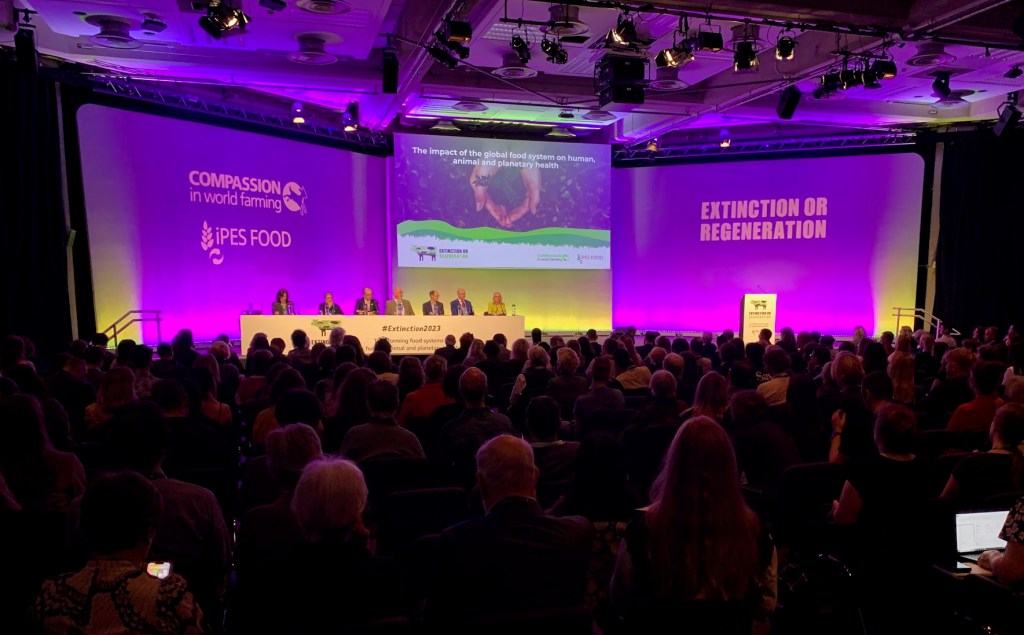
During the Extinction or Regeneration Conference 2023 in London, Philip Lymbery, global CEO of Compassion in World Farming, highlighted the fact that we rely more and more on a small number of countries for the production of major crops on which we depend on. When certain world events occur, such as conflicts and the Covid-19 pandemic, and global supply chains are disrupted, the entire food system is impacted.
Philip Lymbery at the Extinction or Regeneration Conference 2023, London
The countries we rely on, mainly in the global south, are forced to invest in “cash crops” for exports, not producing enough to feed their own population. They produce raw materials that we then process and sell it back to them in the form of finished food products, mainly as a result of their huge debt, explained Lymbery.
Food security is another issue, as we have witnessed in recent years a record high in food prices, global hunger and social inequities that result from the industrial farming systems, not just from conflicts and climate change. We are producing enough food to feed the entire world, but what we’ve seen is a mismatch between supply and demand, a financialisation of agriculture systems and markets, as well as an increase in power concentration.
Lymbery said, “These companies are taking our food systems hostage for their thirst for profits.”
“Food systems are often shaped by politics, rather than policies”, he added.
Our food systems are also impacting our health and making us sick. According to Marco Springmann, senior researcher in environment and health at the Environmental Change Institute at University of Oxford, the cost of treating diet-related diseases is projected to exceed USD 1 trillion by 2030, also putting a strain on health systems around the world.
“Food that brings you sickness and disease is not food, it’s poison”, said Dr. Vandana Shiva, Indian environmentalist, physicist and author, during one of her speeches at the Extinction or Regeneration Conference 2023 in London.
Extinction or Regeneration Conference 2023, London – Photo Credit: Robbie Blake, IPES-Food
Power Concentration
We are experiencing growing concentration in our food systems, as the number of corporations controlling everything, from inputs up through retail are getting smaller.
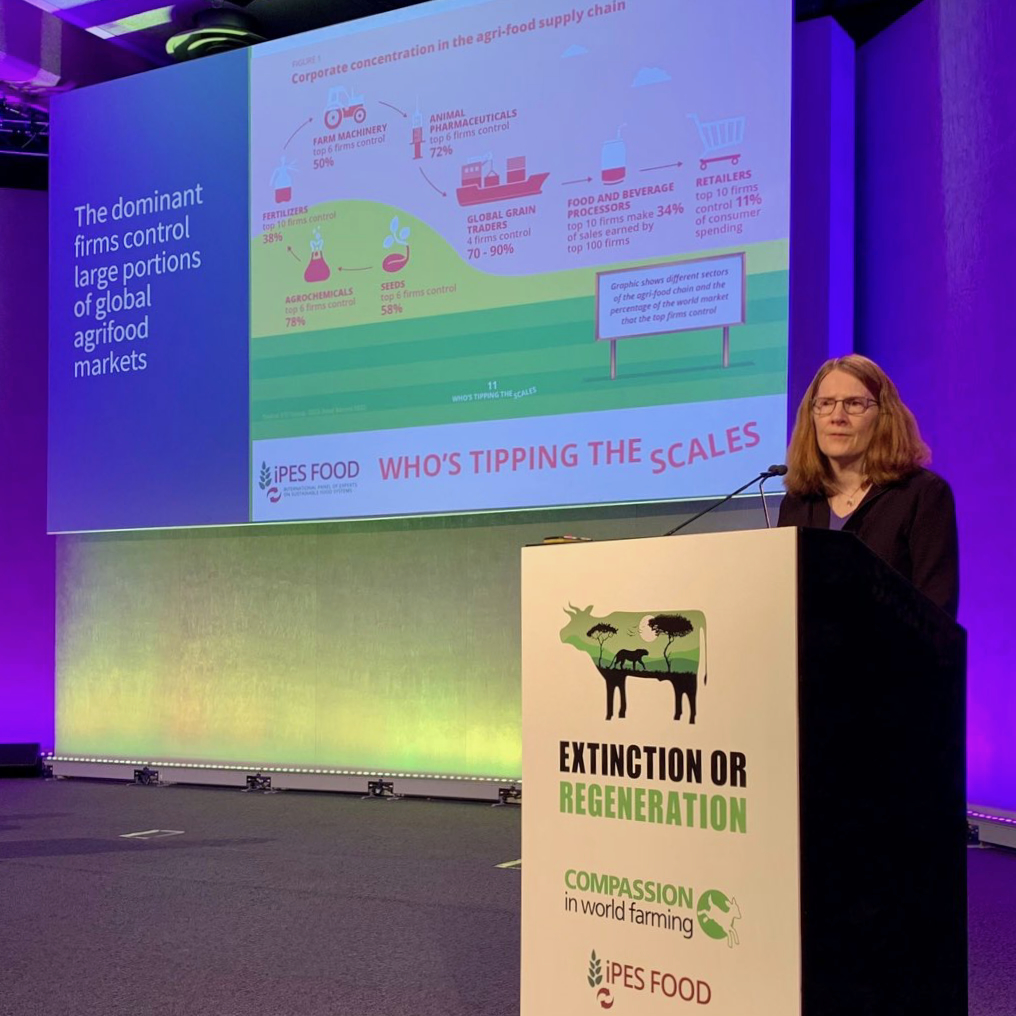
According to Jennifer Clapp, Canada research chair & professor, School of Environment, Resources and Sustainability at University of Waterloo, and IPES Food “Who’s Tipping the Scales” report, only top six agrochemical companies control 78% of the global market, the top six animal pharmaceuticals control 72%, the top six farm machinery control 50%, the top six seeds companies control 58% and the top five global grain traders control between 70-90%.
Jennifer Clapp at the Extinction or Regeneration Conference 2023, London – Photo Credit: Robbie Blake, IPES-Food
Four major grain traders control approximately 80% of the trade in cereals worldwide, the ABCD firms, ADM (Archer-Daniels-Midland), Bunge, Cargill and Dreyfus; and four major food processing and packaging companies dominate the global market, Nestle, PepsiCo, Anheuser-Bush InBev and JBS.
Since 2015, we’ve seen mega mergers in the seeds and agrochemicals industry, making these corporations even more dominant and powerful. Some of the mergers include Bayer and Monsanto, ChemChina and Syngenta, Dow and Dupont merged to form Corteva, Agrium and Potash Corp merged to form Nutrien.
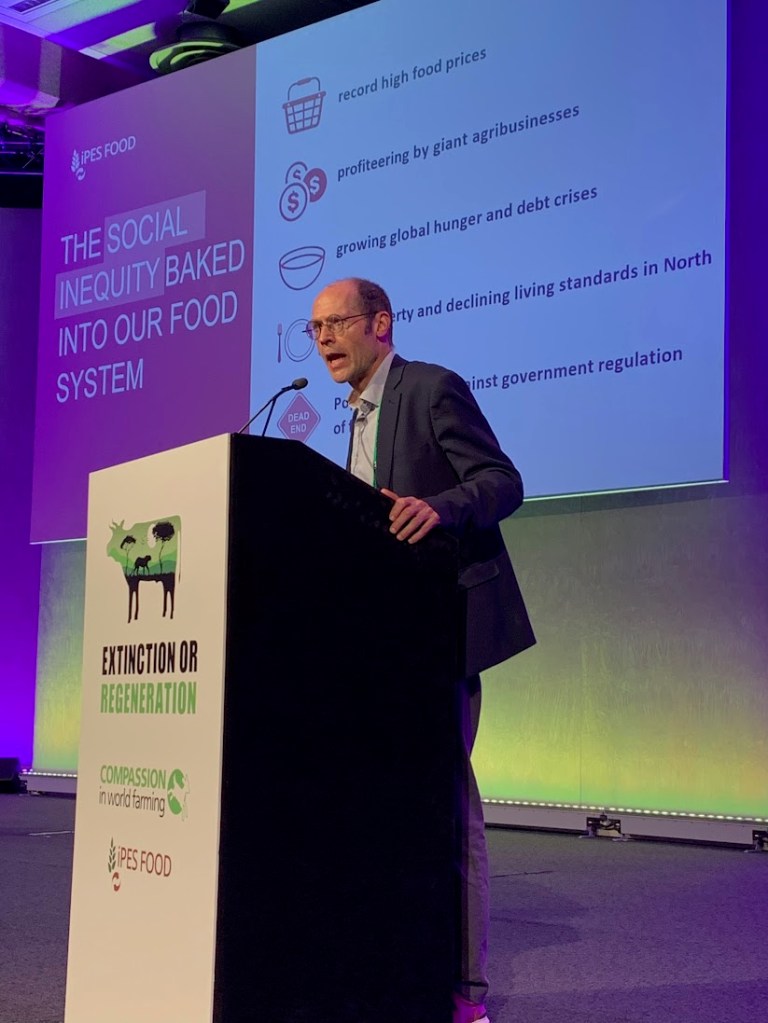
Olivier De Schutter, UN Special Rapporteur on extreme poverty and human rights and co-chair of IPES-Food, mentioned that giant dominant food corporations acquired the position in decision making to veto any transformative change.
According to him, “it’s not because of corruption of politicians or the finance lobbyists working on their behalf, it’s because they are the champions of economic gain of large scale production that global commodities markets demand.”
“This allows these corporations to say to politicians, “trust us”, we know how to produce food for mass consumption, … if you impose too strong regulations on us, you’ll be faced with higher prices that your voters will have to face. This is what allows them to have a privileged access to politicians”, he added.
He explained that these companies manage to get protection from legislators for intellectual property rights for the new “breeds” that they develop, as well as the new technologies that they promote. Additionally, they can very easily challenge environmental regulations. The State ends up in the hands of these economic actors and ends up working for them.
Olivier De Schutter at the Extinction or Regeneration Conference 2023, London – Photo Credit: Robbie Blake, IPES-Food
These corporations also control the labour conditions of the food system worker, the products that end up in the supermarkets shelves, and have the power to shape government policies. Small-scale producers don’t stand a chance when faced with such powerful competition.
In order to democratise our food systems, we need to increase transparency and accountability.
It’s necessary to set up a worldwide robust anti-trust and competition legislation and food policy, as well as creating a lobby register, which is already in place in some countries, in order to limit the concentration of power of the big agrifood corporations
We should be listening to farmers and working with them to identify solutions that will not only be beneficial to them, but also to our health and the environment, instead of filling the pockets of greedy corporations.
“We also need more public support for alternative food systems, in particular, research and development money going towards agroecology and organic agriculture”, mentioned Clapp.
She added that it’s now necessary for the State to step back in like they did in the past, when they played a prominent role during the last transition to industrial agriculture with R&D and hybridisation in fertilisers and other sectors.
There’s a need control those actors that have the power to shape our policy spaces, including measures that prevent conflicts of interests, where corporate officials end up as regulators and go back to work in the corporate sector.
Lastly, there’s the need to create an autonomous space for civil society to determine and control the rules and governance they’d like to see happen.
According to Planet Tracker, a non-profit think tank, nearly USD 9 trillion of private finance is currently supporting the global food system.
“Financial regulations have become weakened to the extent that they’ve allowed big financial institutions like banks and investment houses to create new financial products for investors to speculate on food commodities”, explained Jennifer Clapp during the Extinction or Regeneration Conference 2023.
The price of commodities can swing much higher or lower than supply and demand would normally indicate and this creates price volatility, consequently generating profit for these institutions.
“There’s another aspect of financial concentration, where asset management firms own huge portions of the global food systems. The ABCD firms, ADM, Bunge, Cargill and Dreyfus, make huge windfall profits when food commodity prices swing. We saw this happening in 2008, and once again, in 2022, when Russian invaded Ukraine”, added Clapp.
Asset management firms, Blackrock, Vanguard, State Street and Capital Group, manage people’s pensions, trillions of assets worth over USD 20 trillion in the global economy. They are buying shares in almost all the companies across the entire agrifood supply chain, which means they have a shared interest in those companies being profitable, therefore creating an incentive for collusion.
Clapp mentioned that economists are concerned about this issue, which is called common ownership, leading to a reduction in competition, as well as leading to higher prices and encouragement of mergers and acquisitions, creating even bigger companies.
The danger of this situation is the fact that it allows them to hold more power to shift food systems in a certain direction, enabling them to shape markets in a way that it can affect prices that consumers pay. Prices are kept low for the agriculture and livestock producers and high for consumers. They also have the power to determine what technologies are going to dominate the market.
Clapp proposed a few solutions to some of these problems, including stronger rules in the financial markets, rules to curb speculation, better reporting, better limits on financial actors in these markets, as well as rules limiting asset managers owning the entire scope of the food systems.
Health Hazards, New Pandemics & Antimicrobial Resistance
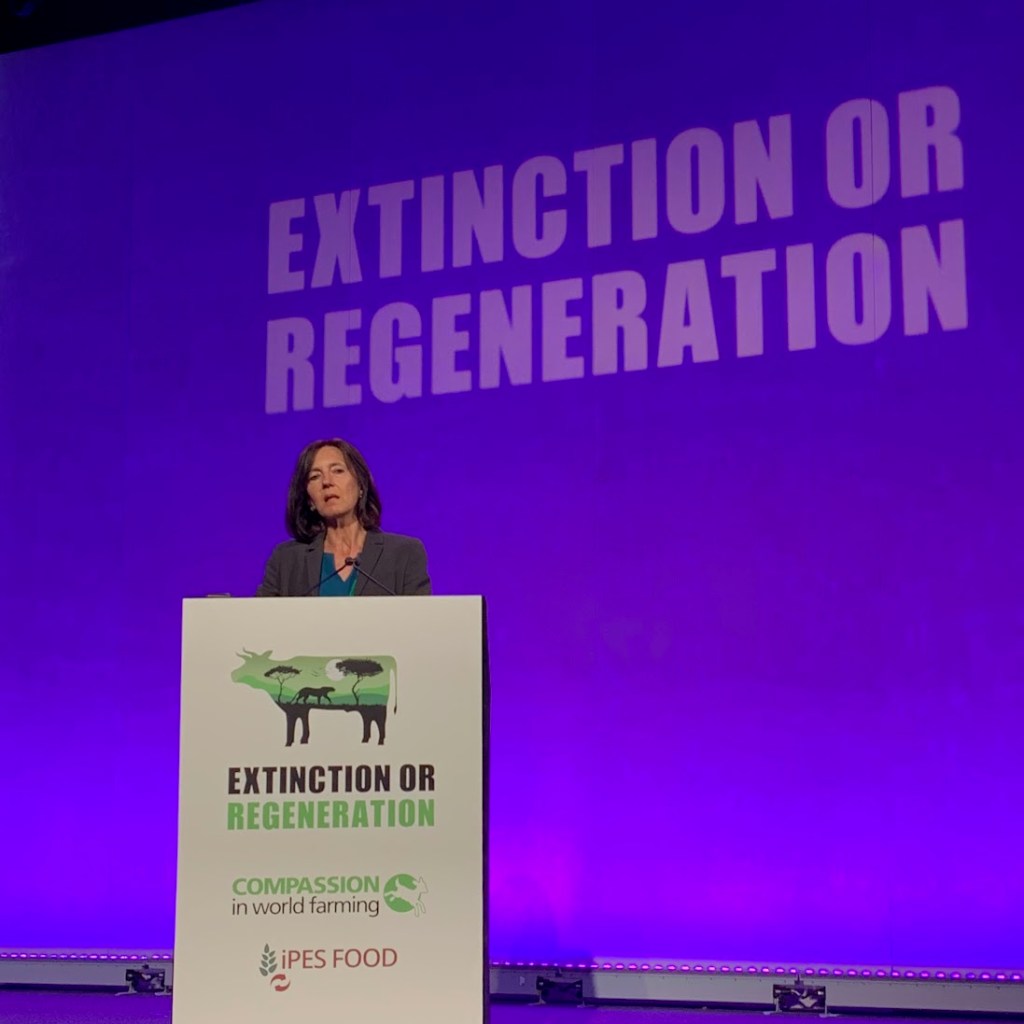
Industrial animal production may be a driver of future pandemics. The confinement of high number of animal in small spaces, leave them much more susceptible to viruses and infections, with the potential to evolve into more infectious types, explained Melissa Leach, social anthropologist and geographer, director of the Institute of Development Studies, IDS, during the Extinction or Rebellion Conference 2023.
All recent infectious diseases outbreaks and pandemics are zoonotic, as they originate in animals. Wildlife domestic and farmed animals and humans all interact in intense interfaces where spillover can occur.
The World Health Organisation, WHO, describes antimicrobial resistance, AMR, as the overlooked pandemic. It contributes to treatment failures, increasing human vulnerability to a wide range of infections.
Some of the latest figures suggest that AMR will cause 10 million deaths by the year 2050, more than from cancer, diabetes and pneumococcal diseases combined.
“Key causes of AMR are the overuse of antibiotics in livestock to promote growth and routinely prevent diseases, especially in intensified livestock farming”, mentioned Leach.
Melissa Leach at the Extinction or Regeneration Conference 2023, London – Photo Credit: Robbie Blake, IPES-Food
A study published by The Lancet, Global Burden of Bacterial Antimicrobial Resistance in 2019, estimates that there were 1.27 million deaths globally due to AMR in 2019, and 4.96 million deaths associated with AMR, compared with 6.9 million deaths globally from Covid-19 since the beginning of the pandemic in 2020.
According to Cóilín Nunan, scientific adviser to the Alliance to Save Our Antibiotics, certain types of antibiotics used in animal farming have led to the rise and spread of livestock associated strains of MRSA and clostidrium difficile.
There’s also the resistance to colistin, used as a last resort antibiotic in human medicine for treating life-threatening infections on patients who don’t respond well to other antibiotics, added Nunan.
Scientists from Oxford University released a study showing Escherichia coli bacteria that acquired resistance to colistin in animal farming. According to Nunan, this is an issue of concern and may be more dangerous than AMR, as it may be more able to cause infections in humans.
In Europe, over 60% of antibiotics are used in farmed animals, rather than in medicine. Globally, the figure rises to nearly 70%.
The health impact caused by our food systems is putting a real strain on health systems around the world. There’s been a rise in conditions, including type 2 diabetes, obesity, depression, cardiovascular diseases and certain types of gastro-intestinal cancer, amongst others, all related to our diets.
We can no longer deny the urgent need to embrace more sustainable food systems solutions, support and listen to our farmers, respect and protect Indigenous peoples, our land and the environment, which we are highly dependent on.
The concentration of power within our food systems should be limited and a new model replaced instead, to ensure there’s fairness and equality, access to healthy and nutritious food for everyone, everywhere, and that our health and the health of our planet is protected and respected.
Similar to our current political & economic systems, the food system is no longer serving us; mainly driven by power, profit and greed, resulting in global food insecurity and impacting directly on our health and the environment.
We’ve seen a sharp increase in food insecurity worldwide, driven not only by climate change and multiple conflicts, but also by an unbalanced food system fuelled by corporate power.
As the world population is projected to reach 9.8 billion in the next 27 years, there’s an urgent need to address issues related to our food system, or we may be facing a worldwide famine sooner than expected. We’ve already seen signs of this in many parts of the world.
“The right to food is the right to have regular, permanent and unrestricted access—either directly or by means of financial purchases— to quantitatively and qualitatively adequate and sufficient food corresponding to the cultural traditions of the people to which the consumer belongs, and which ensure a physical and mental, individual and collective, fulfilling and dignified life free of fear”, according to the United Nations.
Giant agribusiness corporations hold the power and control over our food systems, with the ability to influence governments and decision-makers, through lobbying, with the direct intention of shaping policies in many ways.
Their objectives and tactics are questionable, with the tendency to favour their own interests, focusing on profits and maximising shareholder value, rather than addressing hunger and malnutrition.
According to ‘Who’s Tipping the Scales’, a report published by IPES Food, the international panel of experts on sustainable food systems:
“A bold, structural vision to counter the corporate takeover of food-related global governance – one that support central roles for people, governments, and democratic, public-interest-based decision-making, is urgently needed.”
It’s clear that the voices of the most vulnerable communities across the world, and mostly affected by hunger and environmental impact caused by this industry, must be heard.
These giant and dominant agribusiness corporations influence the global organisations we most trust, which should be there to defend our interests. To the surprise of many, agribusiness associations were sitting directly at the UN governance table at the 2021 UNFSS, UN Food Systems Summit.
One must also question the kind of relationship between the private sector and international governance bodies and institutions about potential conflicts of interest.
According to the IPES Food report, in 2020, a private philanthropic foundation, The Bill and Melinda Gates Foundation, was the second largest donor to the CGIAR, the Consultative Group on International Agricultural Research.
Another partnership that raises some eyebrows is the FAO’s, the Food and Agriculture Organisation of the United Nations, partnership with CropLife International, CLI, an agrochemical lobby organisation, whose members include Syngenta, BASF, FMC and Bayer (acquired Monsanto in 2018).
PAN North America, Pesticide Action Network, mentioned that instead of putting the profit of CropLife International members before farmers and consumers worldwide, the FAO must invest in solutions, including agroecology and take stronger action on ending the usage of highly hazardous pesticides, HHPs.
We’ve also seen increase in consolidation, a large number of mergers and acquisitions, allowing these corporations to dominate the agribusiness sector. This allows these giants to have a profound influence on governance and the structure of our food system, resulting in anti-competitive market practices.
These corporations have significant funding at their disposal to influence policies and regulations, such as pesticides, biosafety, patents, intellectual property, as well as trade and investment agreements.
Bayer AG spent over USD 9 million lobbying the US government in 2019, after it acquired Monsanto. At the time, they were reviewing the re-registration of one of the company’s main products, glyphosate (Roundup), which is considered a toxic herbicide. In the US, Bayer has been contesting billion of dollars in settlement claims to end lawsuits over accusations that glyphosate causes cancer.
They are also responsible for shaping science by sponsoring academic research favouring their corporate interests, influencing governance and policies. This was seen in the agrochemical and processed food sectors.
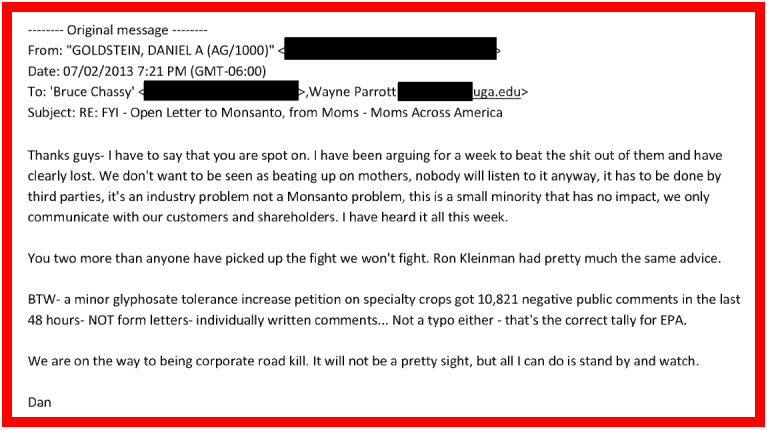
As proof of this, below is an internal email between Monsanto executives obtained by lawyers representing plaintiffs in the Roundup® litigation, where they suggest ‘beating the s**t out of’ a mother’s group expressing concern over the effects of GMOs and Roundup® on their children.
Photograph: Main Street Law Firm PLLC
Monsanto also tried to influence science by sponsoring various ghostwriting academic articles questioning scientific studies that raised concern over its product’s safety, glyphosate.
Another very concerning issue related to the health of our children is the fact that this industry continuously lobbies against mandatory public health measures, including taxes on ultra-processed foods, UPF, sugary drinks and front of package labeling, as well as restrictions on marketing of unhealthy foods to our children. This has a gigantic impact on their health and also creates pressure on our health systems.
A reported example of this was when a children’s cereal manufacturer attempted to sue Mexico after the country tried to amend a food packaging regulation called NOM-5, in order to protect their children from the marketing of unhealthy foods. The regulation established that certain unhealthy products would be prohibited from putting children’s animations and characters on their packages.
The invention of novel foods also raises some red flags. On March, The Defender, a publication defending children’s health, published a piece on Bill Gates’ latest invention, an edible food coating called Apeel, which is an odourless, colourless and tasteless coating for vegetables and fruit, which potentially extends the life span of these products, keeping it fresher for up to two times longer.
Apeel has already received the green light from US regulators, but some questions still remain unanswered surrounding the safety of the product, as the company is relying mainly on existing scientific studies, as no new science has been required to evaluate and test the product.
We seem to be completely exposed and reliant on these corporations to carry out their own safety studies, without the scrutiny of independent regulators and scientific studies.
According to the 2011 UN Guiding Principles on Business and Human Rights, companies are expected to develop their own internal procedures to identify, prevent, mitigate, and account for how they address their impacts on human and environmental rights in global supply chains.
It’s clear that the way we grow our food has a massive impact not only on our physical and mental health, but also on our environment, affecting fauna and flora, the health of our soil, water and air.
Recently, we have seen a sharp increase of fungal disease in crops, affecting 168 crops listed as important in human nutrition, according to FAO of the United Nations. Despite spraying fungicides, farmers are losing between 10-23% of their crops to fungal disease every year, including rice, corn, soybeans and potatoes.
According to a study published at Nature journal, this issue is mainly because of the adaptability of fungi to meet modern agricultural practices. Monocultures entail vast areas of genetically uniform crops, an ideal ground for fast-evolving organisms, such as fungi. Another problem is the increasingly widespread use of antifungal treatments, leading to fungicide resistance.
The use of pesticides and toxic chemicals are increasing exponentially across the world, causing havoc to our health, the soil, polluting water sources, the air, animals and plants.
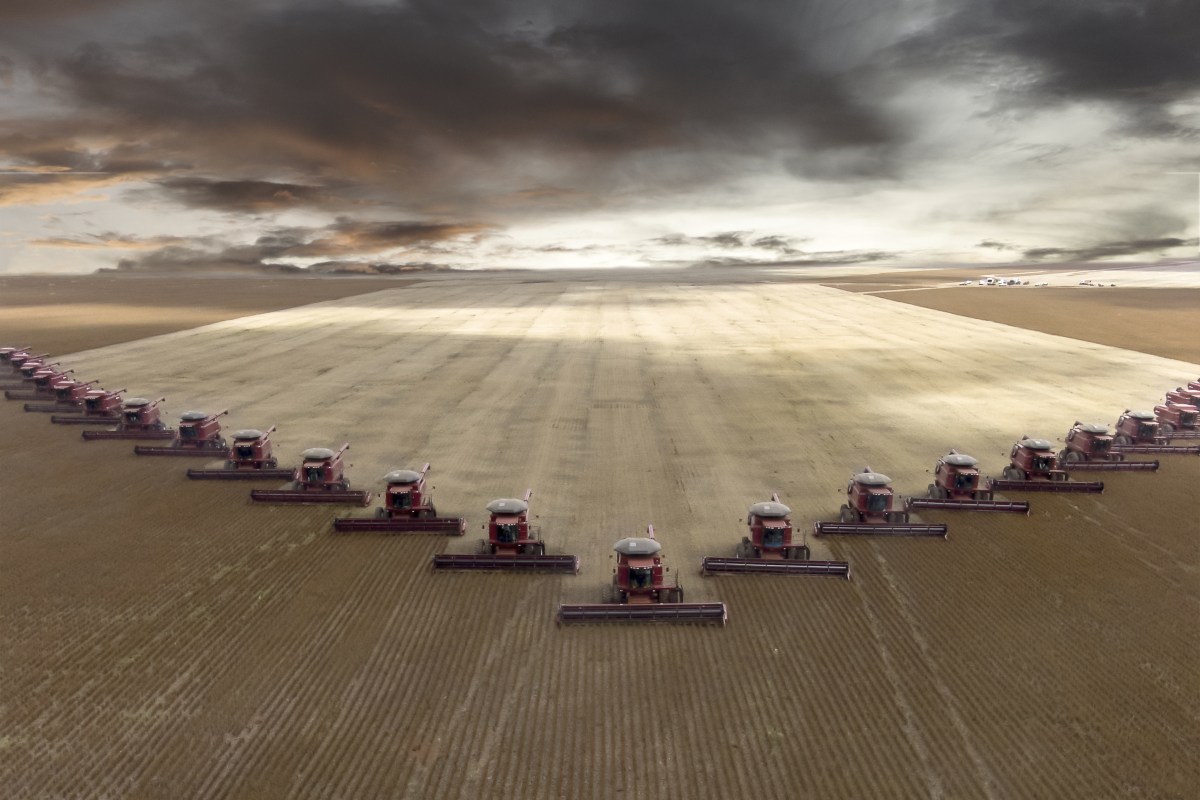
Industrial agriculture, including cattle farming, soybean, palm oil, sugar cane, corn, wheat, GMOs, monoculture production, is responsible for the deforestation of rainforests, the Cerrado, and many other parts of the world, causing destruction and degradation.
In Brazil, 2.8% of landowners own over 56% of all arable land, and 50% of smallholder farms have access to only 2.5% of the land. Overall, the land is in the hands of a small number of industrial farms.
We must rethink the way we grow our food and we all have the right to access nutritious and healthy food and decide what we eat.
The agribusiness sector spends vast amounts on research and development, making it extremely hard for smaller companies to compete with them, capitalising on patent protection and intellectual property rights.
Why? Because they can!
Patent protection and intellectual property is another issue that should be catching everyone’s attention.
Giant tech companies, such as Amazon and Microsoft, among others, entered the food sector focusing on power, control and profit. Small farmers and local food systems are struggling, as they can’t afford to use this high tech data gathering technology. They are also located in remote areas where these types of services can’t reach.
We can see an increasing movement of powerful integration and control between the companies that are supplying products to farmers, such as tractors, drones, pesticides, etc., and the tech giants. They feed and control farmers with information, and at the same time have direct access to consumers.
The aim is to integrate millions of farmers into a wide centrally controlled network by encouraging and forcing them to buy their products. This digital infrastructure is run by platforms developed by tech companies that run cloud services.
Fujitsu farm workers, located just outside Hanoi, carry smartphones supplied by the company, which monitors their every single movements, productivity, the amount of hours they work, etc., all stored on the company’s cloud. This is extremely worrying, as this practice could easily lead to labour exploitation.
Similar to Fujitsu, other companies investing heavily on this type of digital farming platforms include Microsoft’s Azure FarmBeats, Bayer’s Fieldview, BASF’s Xarvio, Syngenta’s CropWise, Yara’s Yaralrix and Olam’s OFIS, Olam Farmer Information System.
It’s essential to point out the extent of data gathering these platforms are capable of, including real time data and analysis on the farmers soil condition and water, crops growth, pests and diseases monitoring, weather, humidity, climate change, tractor monitoring, etc.
Some of these corporations are also trying to eliminate the “middlemen” by selling directly to consumers, which may be attractive proposition to many, if the idea is mainly to help farmers and small vendors directly, but somehow they may use digital platforms to increase their pricing power over farmers.
An important question we must ask these companies, regulators and our governments: who controls all this data, what do they do with it and who gives the advice?
The influence a few powerful corporations have in food governance must be scrutinised. Governments should be leading in the field of food security and not leaving it in the hands of those that put profit over longevity of life. It may seem a drastic change to the world as we know it, but it may be the only way to bring back a balance in the global food system and secure our quality of life and ultimately our survival.
According to the United Nations projections, the world population will increase to 8.5 billion by 2030, as humanity faces one of their biggest challenges, food insecurity. Almost 193 million people in 53 countries suffered acute food insecurity in 2021.
Major producers around the world need to turn away from the damaging industrial agrochemicals and pesticides that are magnifying the current issues and explore new innovative techniques to ensure the world’s food security for the future.
Approximately USD 44tn of economic output – more than half of global annual GDP – is moderately or highly reliant on natural capital. Yet, humans have already transformed more than 70% of the Earth’s land area from its natural state, causing unparalleled environmental degradation and contributing significantly to global warming, according to UNCCD Global Land Outlook latest report.
“Our health, our economy, our well-being depends on land. Our food, our water, the air we breathe are all coming from the land, at least partially,” said Ibrahim Thiaw, executive secretary of the UNCCD, in a call with reporters. “Humanity has already altered 70 percent of the land. This is a major, major figure.”
If degradation of the land keeps increasing at this rate, scientists predict that there will be large-scale food supply disruption, increase in biodiversity loss, extinction, more zoonotic diseases and decline human health, giving rise to poverty, hunger and pollution.
“Time is short, and the situation is dire,” said Qu Dongyu, the Direct-General of the Food and Agriculture Organisation (FAO). He added there needed to be a “transformation of agrifood systems to be more efficient, inclusive, resilient and sustainable”.
Agroecology & Biocontrols VS Industrial Agriculture & Pesticides
The world’s industrial food systems haven’t found a solution to the food and biodiversity crises yet, mainly due to the fact that the solution may not appeal to the agribusiness giants, including the agrochemical industry, governments and world development banks, who usually seem to set the agenda and policies for the sector.
A report by the Action Group on Erosion, Technology and Concentration (ETC Group), ‘Who Will Feed Us?’, mentions that small-scale producers provide food to 70% of the world, while using only 25% of the resources.
After all, there’s a solution to these crises available, a solution that serves people’s interest and the environment, instead of agribusiness corporations, public development banks and governments. We should be supporting agroecology as the solution to the food and biodiversity crises.
According to UNFSS, we don’t need “sustainable intensification”, “climate-smart agriculture” or ‘nature-positive solutions,” which often greenwash corporate agendas. Millions of smallholder farmers, fishermen, pastoralists, agricultural and rural workers, and entire indigenous communities practice agroecology, a way of life and a form of resistance to an unfair economic system that puts profit before life.
Pesticide Action Network UK (PAN-UK) are the only UK charity focused solely on tackling the problems caused by pesticides and promoting safe and sustainable alternatives in agriculture, urban areas, homes and gardens. PAN-UK promotes agroecological practices, guiding and supporting farmers across the world.
Agroecology practices include putting farmers first, promoting soil health, biodiversity and natural ecosystem function, integrating science with knowledge and practice, promoting complexity over simplicity, minimising waste and optimising energy.
According to PAN-UK, less than 0.1% of pesticides applied for pest control reach their target pests (Pimental, 1995). Replacing chemicals that cause harm to our health and biodiversity, including soil degradation, is essential. Agroecology improves farmers’ profitability, yield, health, food security, and better opportunities for women farmers.
Pesticides can damage our health, biodiversity, wildlife, pollute the air we breathe, the water we drink, soil, plants and everything else it touches. It’s also the cause of suicide and accidental deaths mainly in the global south. These toxic chemicals must be replaced with biological control or biopesticides.
Biocontrol
Biological control, or natural control, is a component of an integrated pest management strategy. It’s the reduction of pest populations by natural enemies, biological control of insects, weeds and plant diseases. Biocontrol is safer for the end-user and the environment.
The approval process and authorisation of innovative biocontrol is still slow, complex and differs from country to country. There is an urgent need to rethink data requirements on risk assessments and also create a worldwide integrated and simplified regulatory system, so every country is on the same page. This would also facilitate trade between countries and at the same time help to reverse biodiversity loss globally.
“We need a strong voice lobbying for biocontrols at the highest levels of government”, mentioned Nick Mole, PAN-UK policy officer at the World BioProtection Awards 2022.
Since Brexit, the UK’s deregulation plans on pesticides and GMO food have caused some concern, including possible free trade agreements with countries with lower food standards. The UK population may be consuming products with high level of pesticides, including unlabelled genetically engineered foods that may be available as early as 2023. Are we prepared to accept this?
“The indirect consequence is that people are starving in Africa because we are eating more and more organic products”, said, Erik Fyrwald, the CEO of Chinese-owned agrochemical giant Syngenta, to NZZ. This statement showed his opposition to organic farming.
Syngenta produces pesticides and GM seeds. The company’s Huddersfield factory exported a staggering 12,000 tonnes of the herbicide Paraquat and others in 2020. Paraquat was banned for use in the UK since 2007, as it’s been linked to be lethal to humans causing kidney failure, liver damage, DNA damage, Parkinson’s disease and death.
A very interesting move from Syngenta Crop Protection AG is their recent acquisition of two products, NemaTrident® and UniSpore®, from UK-based biocontrol technology developer Bionema. Is this a sign that change may be under way?
With the right support from governments, farmers are keen to accept more sustainable solutions to protect their crops, retailers and the public are open and interested in healthier products and protecting the environment, therefore legislators should be on their side facilitating this process, turning this into a win-win situation.
This is time for corporations, scientists, environmentalists, activists, farmers, growers, the public, governments, legislators, regulators, and the entire world to come together and accept that change is essential to our survival and it must happen now!
The subject of genetically modified foods has been debated for many years. In fact, genetically modified produce is freely available in a number of developed countries. The benefits as well as the negative side-effects have polarised opinion in the scientific world, advanced economies and amongst health conscious populations.
Technological advances in key areas of science are now lifting the debate to new concerning levels.
“GMOs appear the focus of a stunning program: to privatize biology itself, turning sovereign soils and the very act of farming, as much as its produce, into commodities”, wrote Rob Wallace in his book “Big Farms Make Big Flu”.
GMOs (genetic modified organisms) describe foods that have been created through genetic engineering. Scientists identify what trait they want a plant, animal or microorganism to have (such as resistance to pesticides, herbicides or insects), they then copy it and insert the gene into the DNA of the plant, animal or microorganism.
In 1866, Gregor Mendel, an Austrian monk, was able to breed two types of peas, identifying the basic process of genetics. In 1922, the first hybrid corn was produced and sold commercially. In 1994, the first genetically modified produce created through genetic engineering becomes available for sale, a genetically modified tomato.
Since then, science has been advancing and progressing rapidly, as we enter a new phase of genetic engineering. NBT’s (new breeding techniques) such as CRISPR and RdDM, as well as synthetic biology, allow more complex changes to the genetic makeup.
What seems like incredible biological acts of ‘science fiction’ are still very early in their development. Moving too fast in order to commercialise these technologies will undoubtedly see the negative side effects with unintended consequences.
CRISPR cuts the cell’s DNA at a particular site. Like a wound, the cell attempts to heal itself by resealing its break using DNA repair mechanisms. This process can be faulty and not always works perfectly, causing unforeseen problems with unexpected results (new DNA).
In the 1960’s plant scientists in the U.S. bred a new potato variety that was ideal for making into crisps but also contained dangerously high levels of natural toxins. The potato had to be withdrawn from the market in 1970.
There is large concern over GMOs across the world with the sense that gene editing could give rise to dangerous mutations or crops that could be patented by large agribusiness corporations trying to monopolise staple crops.
There are also other factors involved, such as the creation of plants, animals and microorganisms we have not seen before, and by doing so, the impact it may have on our health, the environment as well as evolutionary patterns. Potential risks and biosafety concerns are associated with it. Little is known about the long-term effects and safety associated with GMOs.
According to GMWatch, a number of disadvantages of GMOs foods to humans and the environment have been listed, including allergic reaction by allowing a certain allergen present in the GM crop to enter the body and stimulate an immune response.
Toxicity is also in question. GM foods may increase the production of toxins at levels harmful to humans, as toxins are produced when there is damage in the “gene of interest” during the insertion process. Another concern is reduced nutritional value of GMOs. By making a plant more resistant to pests, the antioxidant phytochemicals are reduced.
Toxins may also be released into the soil causing environmental damage. An example of this is soil bacterium, bacillus thuringensis, present in larval caterpillars, which has a gene that produces certain toxins that destroys insects as well as pests. This gene is inserted into the corn to make it resistant to pests, resulting in the release of toxins into the soil, therefore turning the soil less fertile.
In addition to this, there is also the danger of resistance of pests to toxins, antibiotic resistance, genetic hazards, flow of genetic information, generation of super-weeds, and disruption to biodiversity by interfering the natural process of gene flow.
The United States, Canada, Brazil, India and Argentina have been growing GMO products made from modified soya beans and corn for many years. The majority of U.S. corn, canola, soy, cotton and sugar beets crops are GMOs.
“Let’s start now to liberate the UK’s extraordinary bioscience sector from anti-genetic modification rules, and let’s develop the blight-resistant crops that will feed the world”, said Boris Johnson in his first speech as UK’s prime minister.
Michael Antoniou, professor of molecular genetics at King’s College London, mentioned that the answer is to change our food delivery systems in the direction of “agroecology” by reducing the use of synthetic ferlitisers, pesticides and herbicides, and planting a diverse range of plant strains, to build resistance into the system. At the very least, any crops produced by using genetic editing must be labeled as such.
Liz O’Neill, director of GM Freeze, argues that genetic engineering should undergo strict regulation. She said:
“If this group of genetic engineering techniques escape classification as GM, they could be completely unregulated. The crops they produce could find their way into our fields and on to our plates without environmental or food safety risk assessments. They would not be traceable and, without labeling, consumers would have no way to identify and avoid them should they wish to do so”.
Since the UK left the EU, it has the power to authorise new GMOs. Brexit legislation gave Defra (Department for Environment, Food and Rural Affairs) more power to amend existing GMO laws without going to Parliament.
“Gene editing is a sticking plaster, diverting vital investment and attention from farmer-driven action and research which could be yielding results, right now”, said Gareth Morgan, SA’s (Soil Association) head of farming and land use policy.
“Consumers and farmers who do not want to eat or grow genetically modified crops or animals need to be offered adequate protection from this. The focus needs to be on how to restore exhausted soils, improve diversity in cropping, integrate livestock into rotations and reduced the dependence on synthetic nitrogen and pesticides”, added Morgan.
Recently, GMWatch reported that a U.S. based fake meat maker, Impossible Foods, that uses genetically engineered ingredients, have gone past regulators, mainly in the U.S. and Canada, and are looking into expanding its products into the New Zealand and Australian markets.
Impossible Foods adds GM soy leghemoglobin (SLH), 0.8% and not labeled, in order to make its product look and feel as if it’s bleeding, just like real meat. The issue is that SLH does not have a history of safe use in food.
A rat feeding study that Impossible Foods commissioned on SLH showed worrying effects in the rats, including signs of inflammation, decreased blood clotting ability, changes in blood chemistry, kidney disease and possible signs of anemia.
Would you swop a vegetable burger that tastes of vegetables to a burger that tastes and bleeds like real meat but has been genetically modified with SLH, a product that has not been tested extensively? Are we going too far and too fast without calculated risks? What is the limit to greedy corporations?
Reported by GMWatch this month, five hundred tons of unauthorized GMO rice flour that had been illegally imported by India and sold in the European Union had to be recalled, but authorities could not guarantee that all products would be removed from the market. These batches of white rice were imported into Europe, transformed into rice flour, and sold on the market as an ingredient, including chocolate sweets from the Mars company.
Do we have the assurances and guarantee that genetic engineering will not be responsible for the creation of new disease organisms with no natural resistance and no available cure? Do we have the confidence that these “novel foods” will not harm our environment and our health? Will our scientists, world leaders and corporations assure the world GMOs are 100% safe?
Many questions are yet to be answered. Discussion and debate over the benefits and risks of genetic engineering as well as the ethical questions raised by this technology is essential. We must ask for total transparency and full participation in the decision making process. There is too much at stake, as this may lead us to a path of no return.










 YourVoiz