Surging Hunger Levels Crush Years of Progress

Monica Piccinini

12 July 2023

The world is facing an alarming and deeply distressing reality as food insecurity reaches catastrophically high levels. Across the globe, countless individuals and communities are struggling with the crippling fear of not having enough to eat.

According to the latest findings unveiled in the United Nation’s State of Food Security and Nutrition in the World (SOFI) report published today, the data highlights a distressing state of global hunger in 2022, a year tainted by a combination of severe challenges, including a food price crisis, ongoing conflicts, and detrimental economic and climate disturbances.

This is a sobering wake up call, says the International Panel of Experts on Sustainable Food Systems, IPES-Food.

Jennifer Clapp, food security expert with IPES-Food and professor at the University of Waterloo, Canada, explained:

“The world is facing disturbingly high levels of hunger right now. Years of progress on improving food security and nutrition have been erased. Governments have failed to make food systems shock-resistant, to shield people from food price inflation, or to address the ticking time bomb of debt.

We desperately need a new recipe for addressing hunger – based on the right to food, less reliance on volatile global markets, and on countries producing more food for their own people.”

The SOFI data reveals an alarming picture, where food insecurity has reached unprecedented and catastrophic new levels with no signs of improvement on the horizon – setting the world back 15 years.

In 2022, approximately 735 million people (9.2% of the world population) faced economic undernourishment, while nearly 30% of the world’s population encountered varying degrees of moderate to severe food insecurity.
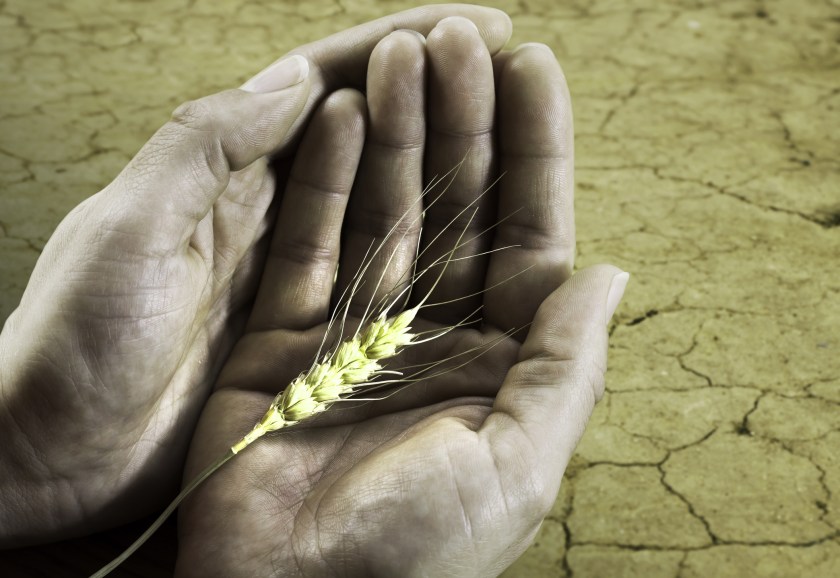
Photo: ID 21810737 © Udra11 | Dreamstime.com

The report also reveals that the hunger crisis intensified in 2022, with an additional 122 million people facing food insecurity compared to the pre-pandemic period in 2019. The compounding effects of COVID, conflict and climate change have highlighted the fragility and inequalities ingrained within the global food systems.

Moreover, the study warns that if substantial changes are not implemented, we are heading towards a future where 600 million individuals will continue to suffer from chronic undernourishment by 2030. This outcome would have severe consequences for the achievement of the sustainable development goals (SDGs), rendering them ineffective.

Olivier De Schutter, co-chair of the International Panel of Experts on Sustainable Food Systems, IPES-Food, and UN special rapporteur on extreme poverty and human rights, mentioned:

“Low income countries are trapped in debt, unable to invest in combating hunger, and condemned to export cash crops rather than feed their own people.

To have any hope of reaching the sustainable development goals at transformation is needed – with social protection schemes that guarantee the right to food for the world’s poorest, debt cancellation, and investment in diverse, resilient agroecological food production.”

The impact of food insecurity is devastating, with families and vulnerable populations bearing the brunt of its consequences.

Hunger in Africa Continues to Grow

Photo: ID 69057865 © Mantinov | Dreamstime.com

The relentless increase of hunger in Africa persisted for the tenth consecutive year, affecting a staggering one-fifth of the continent’s population.

According to the SOFI report, in Africa, where the shares of the population that are food insecure and unable to afford a healthy diet, are among the highest in the world.

Million Belay, expert with IPES-Food and coordinator of the Alliance for Food Sovereignty in Africa, AFSA, reacted:

“It’s shocking that hunger has risen in African for ten years in a row. But our exploitative global economic system has prioritised servicing debt over feeding people, exporting cash for crops over growing nutritious food for Africans, and burning fossil fuels over adapting to climate change.”

Fresh data from 11 African nations reveals that farmers and rural communities face greater vulnerability to fluctuating food prices and hunger than previously anticipated, while the consumption of processed foods in these regions is on the rise, even in rural areas. In rural areas, a notable 33% of individuals encounter moderate to severe food insecurity, surpassing the corresponding figures observed in urban areas.

The African Development Bank estimated that Africa’s net food imports reached $35 billion in 2015, and expects it to triple by 2025, reaching over $110 billion. Agricultural surpluses from the Global North are dumped on African markets, inundating local markets, driving down farmers’ incomes, weakening communities and local agricultural production.

Africa’s reliance on world food markets is damaging to food security, especially during times of crisis, like we’ve seen during the COVID pandemic.

“African countries have been left critically vulnerable to the blows of the pandemic, the war in Ukraine, and climate change. Our governments are starved of cash to build the sustainable food systems we need to feed ourselves. The dominant food system is reducing people’s resilience to shocks and leading to perpetual debt and food dumping – this must change”, explained Belay.

Ultra Processed Diet
Photo: ID 273587833 © Altitudevs | Dreamstime.com

The adoption of industrialised farming practices has led to a change in dietary habits, with a rise in the consumption of highly processed foods, which has had negative health consequences, particularly among low-income communities.

Additionally, this form of agriculture heavily depends on the widespread use of chemical inputs, including fertilisers, herbicides, pesticides and antibiotics, with negative consequences for ecosystems and human health.

Based on the SOFI report, the increased accessibility of affordable, ready-to-eat, and fast food options, which are often high in calories, fats, sugars, and salt, can contribute to malnutrition.

Insufficient availability of fruits and vegetables for meeting the daily nutritional needs of the population is also a concern. Moreover, this trend has resulted in the exclusion of small-scale farmers from formal value chains and the loss of land and natural resources due to urban expansion.

The report also highlights the prevalence of child overweight at risk of increasing with the emerging problem of high consumption of highly processed foods and food away from home in urban centres, which is increasingly spreading into peri-urban and rural areas.

“Once again the world is plagued by hunger. A healthy diet is unattainable for nearly half of the world’s population – even while food manufacturers and giant agriculture corporations enjoy bonanza profits”, explained De Schutter.

The predicted cost of treating dietary related diseases is projected to exceed $1 trillion by 2030.

Global hunger can have severe consequences that go beyond the immediate lack of food. Key consequences associated with global famine include migration and displacement, health issues, economic impacts, as well as social and political unrest.

As the grip of food insecurity tightens, urgent action and comprehensive strategies are essential to alleviate this alarming situation, restore hope, and ensure that no one is left behind in the struggle for sustenance.

The time to act is now, as we must collectively confront the specter of hunger and work tirelessly to build a future where food insecurity becomes an unimaginable concept rather than a haunting reality.


Pesticides and the Climate Crisis: Fossil Fuel Dependency Exacerbates Impact

Monica Piccinini

5 July 2023

In the quest to understand and combat climate change, our attention is often drawn to the colossal emissions produced by fossil fuels. However, beneath the surface lies another insidious contributor to our warming planet: pesticides.

While these chemicals have long been associated with their harmful effects on ecosystems and human health, a lesser-known truth is their direct link to the fossil fuel industry.

As we delve into the hidden world of greenhouse emissions, a startling revelation emerges – the use of pesticides has become an accomplice in perpetuating the climate crisis, casting a shadow over our efforts to create a sustainable future.

Globally, food systems account for over one third of all greenhouse gas emissions, which includes agriculture and pesticide use.

Scientific evidence suggests that the use of pesticides not only plays a significant role in the generation of greenhouse gas emissions, but also heightens the susceptibility of our agricultural systems to the impacts of climate change. However, the potential of pesticide reduction as a viable solution to the climate crisis has been widely overlooked.

Doug Parr, chief scientist and policy director at Greenpeace UK said:

“Public understanding of the role that fossil fuel companies have played in driving the climate emergency has increased hugely in the last few years, and now we know that we need to add the pesticide industry to the list of climate polluters. Reducing the use of pesticides would be at least a double in addressing nature decline and climate crisis.”

According to a report by PAN UK, Pesticide Action Network, and The Pesticide Collaboration, titled “Pesticides and The Climate Crisis: A Vicious Cycle”, 99% of all synthetic chemicals, including pesticides, are derived from fossil fuels.

The world’s largest oil and gas companies, including ExxonMobil, Shell and ChevronPhillips Chemical, produce pesticides or their chemical ingredients.

Some pesticides, such as sulfuryl fluoride, are powerful greenhouse gases, having nearly 5,000 times the potency of carbon dioxide.

Photo: ID 46018102 © Ig0rzDreamstime.com

Pesticides have a significant impact on the climate emergency throughout their lifecycle, involving various stages from manufacturing to disposal. Here are some ways pesticides exacerbate the climate crisis:

Manufacturing: The production of pesticides involves energy-intensive processes that often rely on fossil fuels. From the extraction of raw materials to the synthesis of active ingredients, greenhouse gas emissions are generated, contributing to climate change.

Packaging: Pesticides are typically packaged in materials derived from fossil fuels, such as plastic containers. The production and disposal of these packaging materials further contribute to carbon emissions and environmental pollution.

Transportation: Pesticides are often transported over long distances from manufacturing facilities to distribution centres and end-users. The use of fossil fuel-powered vehicles for transportation adds to the carbon footprint associated with pesticides.

Application: During pesticide application, emissions occur due to the use of mechanised equipment and vehicles. Additionally, some pesticide formulations release volatile organic compounds (VOCs) into the atmosphere, contributing to air pollution, climate change and impacting our health by damaging the central nervous system and other organs, some causing cancer.

Environmental Degradation: Pesticides can have detrimental effects on ecosystems, leading to biodiversity loss and disruptions in natural processes. This ecological damage can further impact the climate crisis by destabilising ecosystems that help regulate the planet’s climate, such as forests and wetlands.

Disposal: Improper disposal of pesticides, such as through incineration or landfilling, can release harmful chemicals into the environment. Inefficient disposal methods can contribute to soil and water pollution, affecting ecosystems and potentially releasing greenhouse gases like methane.

Overall, the entire lifecycle of pesticides, from manufacturing and packaging to transportation, application, and disposal, contributes to the climate emergency through various emissions, environmental degradation, and pollution. Understanding these impacts is crucial for developing sustainable alternatives and practices in agriculture and pest management.

Agriculture

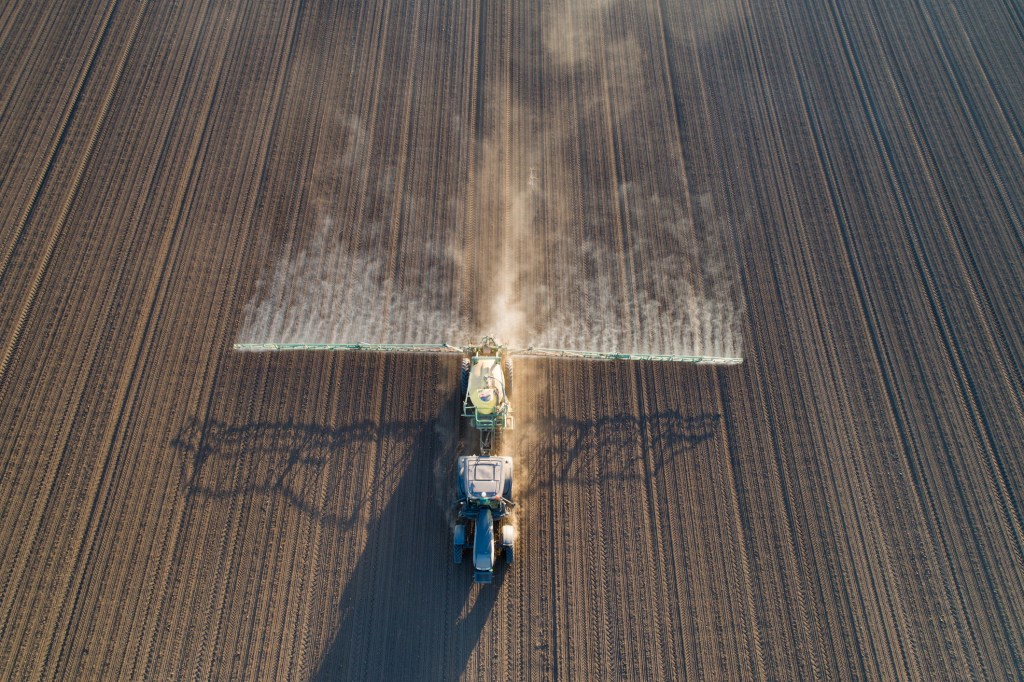
Aerial image of tractor working in field
Photo: ID 172643586 © Jevtic | Dreamstime.com

With increasing temperatures, there is a corresponding surge in pest populations, leading to decreased crop resilience. Consequently, a greater quantity of pesticides becomes necessary.

The heightened reliance on pesticides subsequently fosters the proliferation of resistance among insects and weeds towards herbicides and insecticides. Moreover, it perpetuates the detrimental impact on human health and the environment.

The study conducted by PAN UK, Pesticide Action Network, and The Pesticide Collaboration, “Pesticides and the Climate Crisis: A Vicious Cycle”, highlights the anticipated outcome of climate change on farming practices.

It suggests that farmers may resort to intensifying the use of synthetic pesticides, unless we initiate a shift towards more sustainable forms of agriculture, embracing smaller-scale and diversified agroecological methods.

The study also outlines how agricultural pests will respond to climate change, including crop resilience decline, the shifting of pest populations and reach, impacts on pests’ natural enemies, the increase in weeds and the rise in regionalism and unpredictability.

Commodity crops, such as maize, soybeans, rice, cotton and wheat, are among those with the greatest use of pesticides and fertilisers globally.

Between 2005 and 2020, the global use of pesticides witnessed a notable upswing of 17%. However, the application of herbicides experienced an even more substantial surge of 34%.

China, the United States, Argentina, Thailand and Brazil emerged as the leading consumers of pesticides, contributing to these escalating figures.

Nevertheless, it’s important to note that these statistics likely underestimate the true extent of pesticide use due to various factors, such as underreporting and unrecorded applications. For instance, the inclusion of pesticides used as seed treatments is lacking in the UN Food and Agriculture database, thereby contributing to the underestimation.

In 2020, the UK used over 13,018 tonnes of pesticide active ingredients. One of the most widely used active substances was the herbicide glyphosate.

A total of 2,602 tonnes of glyphosate was sprayed on all UK crops during 2020, a 16% rise over four years, generating 81,410 tonnes of CO2, equivalent to more than 75,000 flights from London to Sydney. This figure does not include the large amount that is used in other areas, such as towns, cities and private gardens.

Josie Cohen, head of policy and campaigns at PAN UK, said:

“The government urgently needs to take a joined-up approach to tackling the climate and nature crisis, as they go hand-in-hand. The solutions to these emergencies must not undermine each other. The UK’s net zero target cannot be achieved without transforming agriculture including a major reduction in pesticide use, which will also bring huge benefits to nature and biodiversity.”

Farming methods that avoid synthetic pesticides, such as agroecological systems or diversified organic farming, offer multiple benefits in terms of reducing greenhouse gas emissions and enhancing carbon sequestration.

Moreover, these approaches improve the ability of farms to withstand climate change and combat pests by bolstering various ecosystem services. These services include improving water quality and availability for crops, enhancing soil health, boosting crop resilience against pests and diseases, and fostering increased populations of pollinators and natural pest control agents.

In light of the climate crisis and its far-reaching consequences on various aspects of our lives and the environment, it has become increasingly imperative to shift away from the prevalent chemical-intensive agricultural practices and embrace a biological approach.

This transition is crucial to safeguard our wellbeing and survival, as it directly influences our health, soil quality, air and water purity, food production, and the delicate balance of biodiversity.