COP30: Will Brazil Step Up as a Climate Leader?

Monica Piccinini

6 February 2025

As the host of the 30th United Nations Climate Change Conference, COP30, Brazil stands at a crucial moment in history. This is more than just a global summit; it’s an opportunity for the nation to establish itself as a leader in the climate agenda and set an example for the world.

This November, the spotlight will be on Belém, the capital of Pará, as it hosts COP30, bringing together world leaders, activists, corporations, and policymakers to tackle the world’s most urgent environmental challenges, where the stakes have never been higher.

With climate disasters intensifying and deforestation threatening the planet’s most critical ecosystems, Brazil has both the responsibility and the power to drive real change.

For Brazil’s President, Luiz Inácio Lula da Silva, COP30 presents a defining moment. It is a chance to take bold, decisive action, protecting Brazil’s rich biodiversity, halting deforestation and degradation in the Amazon rainforest, and shutting the door on further fossil fuel expansion.

The world is watching to see whether Brazil will step up with concrete policies and enforcement that safeguard its natural resources. If Lula seizes this moment, Brazil won’t just be hosting COP30, it will be leading the charge toward a more sustainable and resilient future.

Cássio Cardoso Pereira, ecologist, conservation biologist, and editor of BioScience, Biotropica, and Nature Conservation journals, shared his perspective on COP30:

Brazil stands at a crossroads. Events like COPs may generate ideas, but without real commitment, they will fail to drive the urgent change we need. Empty declarations about having the world’s largest tropical forest and abundant renewable resources mean nothing if we ignore the fires, greenhouse gas (GHG) emissions, and relentless destruction that threaten them.

Oil and Gas

In 2024, the world has witnessed alarming new records in greenhouse gas levels and rising air and sea surface temperatures, as tracked by the Copernicus Climate Change Service. These shifts have triggered extreme weather events across the globe, including in Brazil, highlighting an urgent need for nations to phase out fossil fuels. Yet, instead of taking decisive action, countries, including Brazil, are ramping up fossil fuel production, pushing the planet further into crisis.

Brazil’s path is deeply concerning. According to the country’s trade ministry, oil exports surged to $44.8 billion this year, surpassing soybeans as the nation’s top export. Projections from Rystad Energy indicate that by 2030, Brazil’s oil production will exceed 7 million barrels of oil equivalent per day (boepd), elevating the country from the seventh to the fifth-largest oil producer in the world.

In 2024, state-owned oil giant Petrobrás reached a staggering production level of 2.4 million barrels of oil per day. Having Lula’s full support, the company is moving forward with controversial plans to expand oil exploration at the mouth of the Amazon River, an ecologically fragile region. This project threatens vital coral reefs, extensive mangroves, and the livelihoods of Indigenous and local communities. Beyond these immediate dangers, the risks of oil spills and increased greenhouse gas emissions could have catastrophic global consequences.

Pereira emphasised that Brazil’s choices today will determine whether it curbs environmental collapse or accelerates a climate catastrophe:

Brazil must foster an inclusive, transparent dialogue, one that listens to all voices, especially Indigenous communities, instead of being drowned out by misinformation and intolerance. While deforestation grabs headlines, the deeper crisis of forest degradation continues unchecked.

And now, reckless projects, including the BR-319 highway, the Ferrogrão railroad, and the disastrous proposal to drill for oil at the mouth of the Amazon, push the rainforest closer to collapse.

If these threats are ignored and buried beneath diplomatic pleasantries, Brazil will not only fail its emissions targets but betray its responsibility to the planet. The time for real action is now.

Amazon’s BR-319 Highway

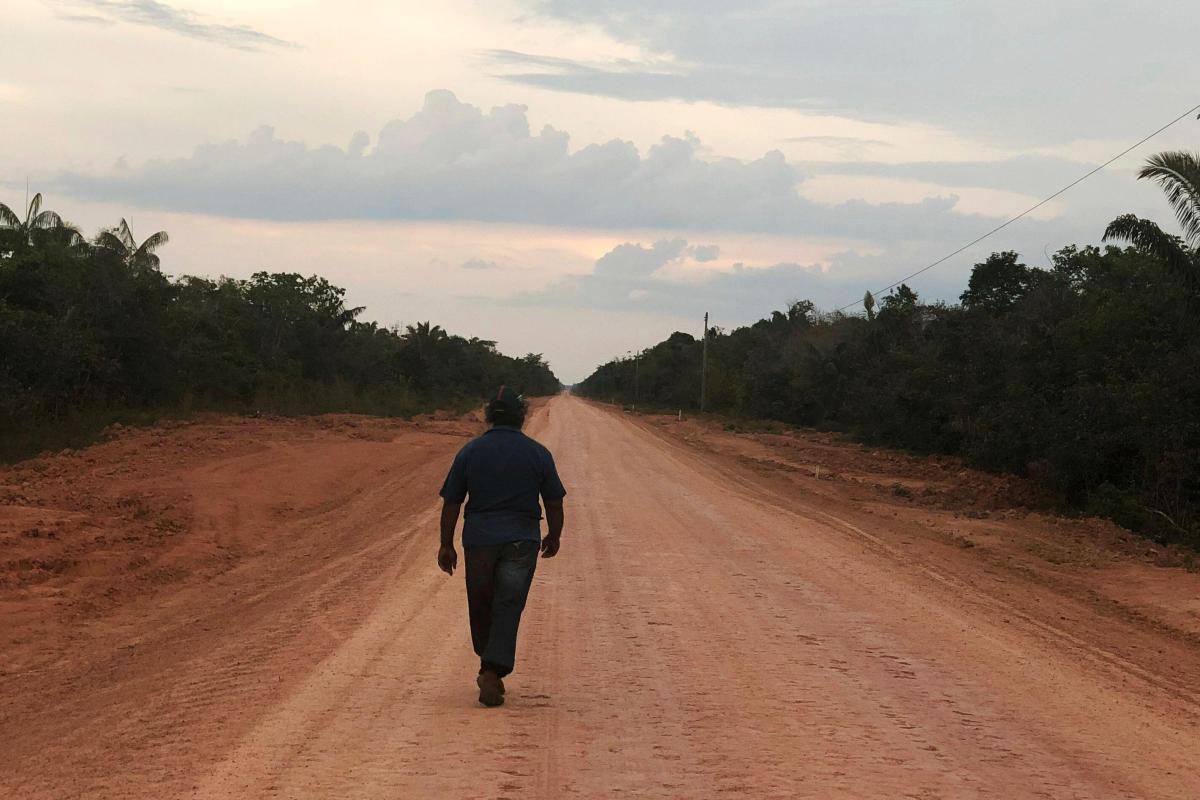
The BR-319 highway, an 885 km stretch connecting the capital of Amazonas, Manaus, to Porto Velho, runs through one of the most pristine regions of the Amazon rainforest. Now, with a proposed reconstruction of 406 km, this project threatens to unleash a chain of destruction, turning an intact ecosystem into an open gateway to deforestation, crime, and corporate greed. The consequences  wouldn’t just be local, they would ripple across Brazil and the world, accelerating climate collapse and putting Indigenous communities at extreme risk.

At the heart of this looming disaster is the AMACRO region, a deforestation hotspot covering the states of Amazonas, Acre, and Rondônia. If BR-319 is rebuilt, it would carve open a direct path between these heavily deforested lands and the untouched heart of the Amazon. With the rainforest already approaching an irreversible tipping point, this highway could be the trigger that pushes it over the edge.

The rainforest, long considered the “lungs of the Earth,” plays a crucial role in stabilising global temperatures. Destroying it would speed up climate change, making extreme weather events even more frequent and devastating.

Beyond environmental catastrophe, the human cost is staggering. The highway would expose 69 Indigenous communities, over 18,000 Indigenous people, to land invasions, violence, and displacement. Illegal land grabbing, mining, and logging have already inflicted damage on the Amazon, but with a newly reconstructed BR-319, these activities would expand uncontrollably.

Over 6,000 km of illegal roads have already been built off BR-319, and with further expansion, organised crime will only strengthen its hold on the region, putting both Indigenous lives and rainforest defenders in danger.

The threat extends beyond land. The destruction of the rainforest could disrupt the “flying rivers”, air currents heavy with water that bring rain to vast areas of Brazil. Without them, droughts could devastate agriculture and water supplies, affecting millions of people. Worse still, deforestation could create conditions for new zoonotic diseases to jump from wildlife to humans, increasing the risk of another global pandemic. In a world still struggling with the effects of COVID-19, this is a risk too great to ignore.

Despite urgent warnings from leading scientists Lucas Ferrante and Phillip Fearnside, the Brazilian government remains unmoved. With the president’s full support and backing from politicians, business leaders, and even some NGOs, BR-319 has being pushed forward in the name of economic growth. But the real beneficiaries are the powerful industries behind oil and gas, agribusiness, and mining, both legal and illegal, while the Amazon and its people suffer the ultimate price.

Lucas Ferrante, researcher at the University of Sao Paulo (USP) and Federal University of Amazonas (UFAM), said:

This is more than a road; it’s a turning point. Deforestation and degradation are already seen around BR-319. If the highway is rebuilt, it could set off an irreversible chain reaction that will devastate the Amazon, harm Indigenous communities, and accelerate climate change beyond control.

The choice is clear: either listen to the science and protect the rainforest, or let short-term profits destroy one of the world’s last great ecosystems. The world is watching and what happens next will define the future of the Amazon, Brazil, and the planet.

Biofuels

At COP30, Brazil will showcase its commitment to building a strong bioeconomy, an opportunity to unlock its vast natural wealth and drive economic growth. Central to this ambition is the aggressive expansion of biofuels, a key pillar of Brazil’s decarbonisation strategy, reinforced by President Lula’s Fuel of the Future Law, increasing biofuel mandate in the country.

Yet, this path is not without consequence. The soaring demand for biofuel crops, sugarcane, soy, corn, and palm oil, threatens food security, drives deforestation, and puts immense pressure on vital ecosystems. Land conversion accelerates greenhouse gas emissions, while water depletion, soil erosion and pollution by using pesticides raise serious concerns about sustainability.

In Pará, the expansion of palm oil has sparked conflict, marked by allegations of environmental crimes and violence against Indigenous and traditional communities.

Jorge Ernesto Rodriguez Morales, lecturer and researcher in environmental policy and climate change governance at the Department of Economic History and International Relations at Stockholm University, mentioned:

Brazil’s ethanol diplomacy aims to portray the nation as climate-conscious, using biofuel as leverage in climate negotiations. Many countries have followed Brazil’s ‘successful’ example by integrating bioenergy into their climate policies, even though its social and environmental costs are widely acknowledged.

Brazil stands at a defining moment. Will its bioeconomy set a global example for true sustainability, or will progress come at an irreversible cost?

Livestock

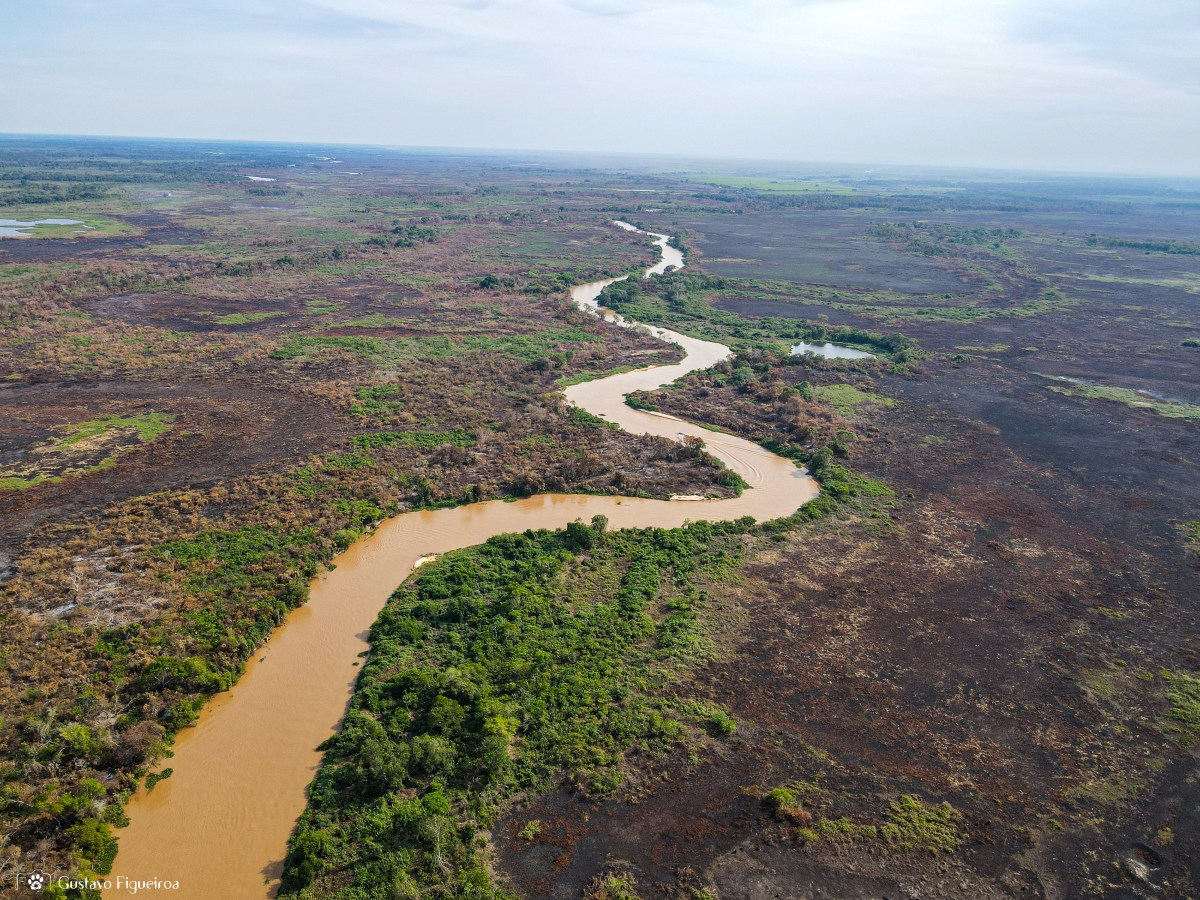
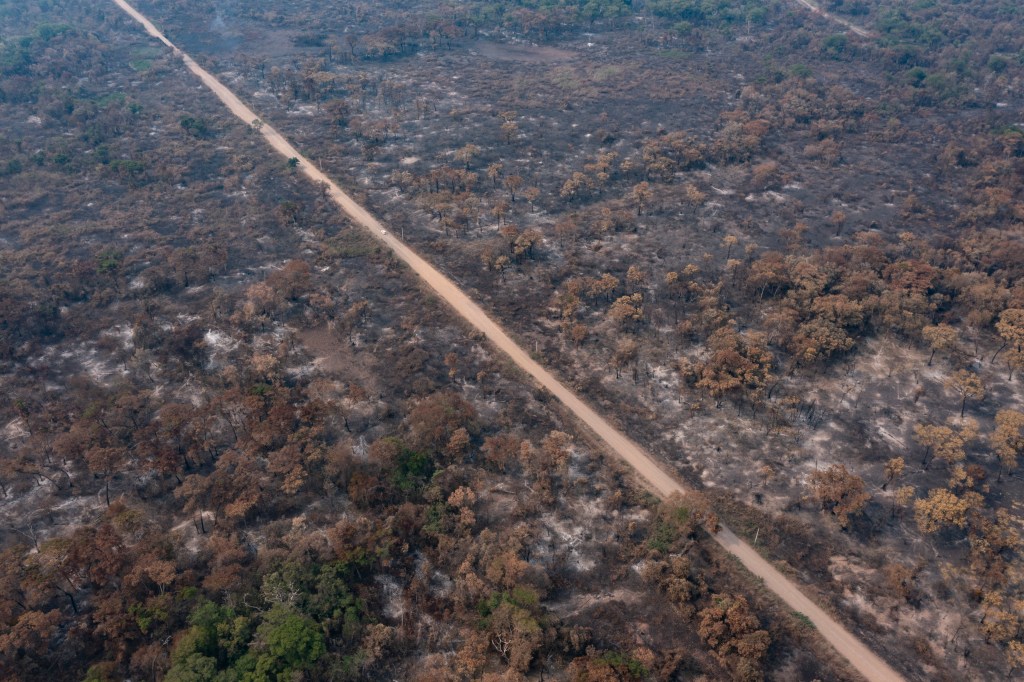
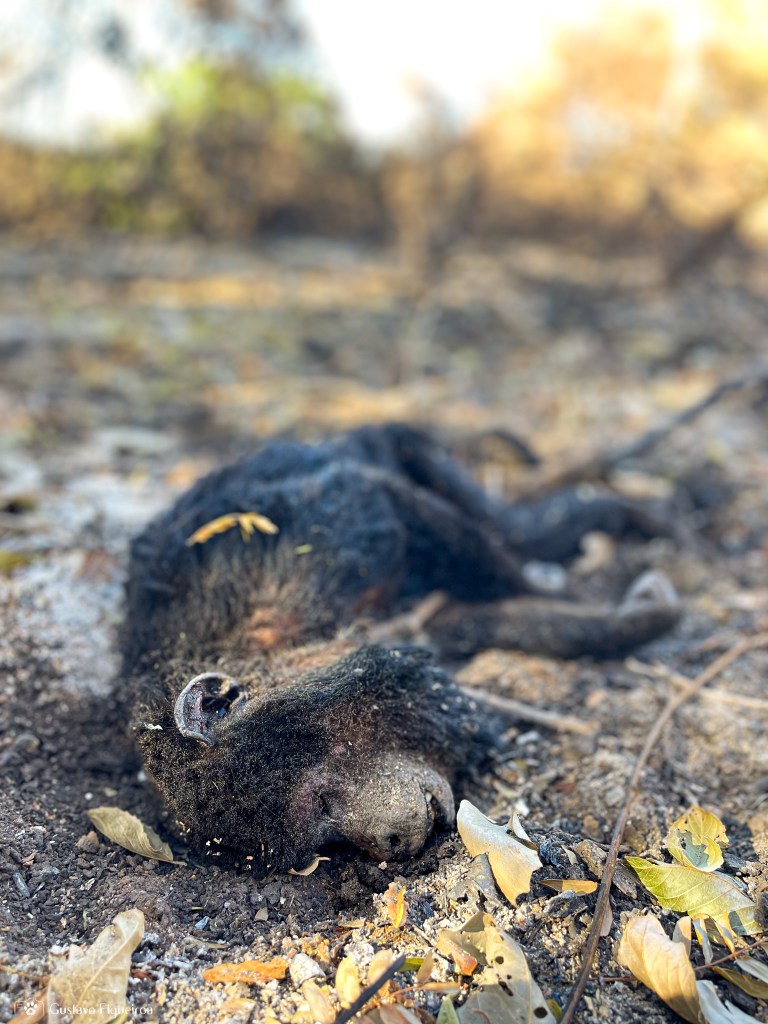
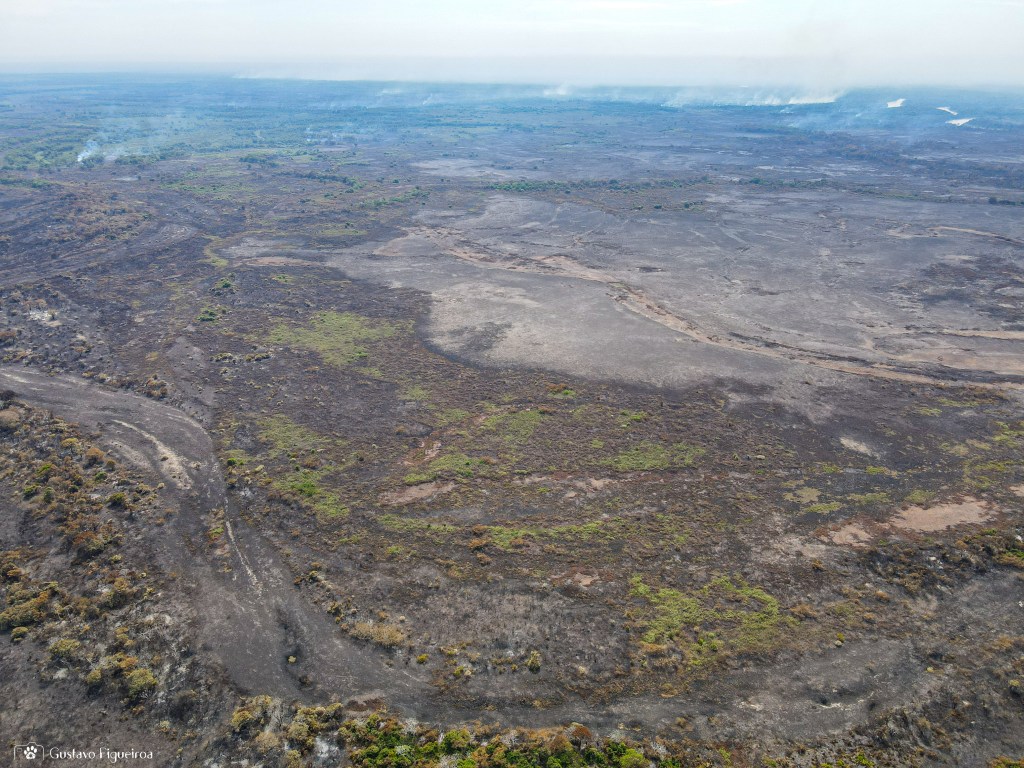
In 2024, Brazil witnessed a catastrophic environmental crisis. According to MapBiomas’ fire monitor, a staggering 30.8 million hectares (119,000 square miles) of land were consumed by fires, an area larger than Italy, marking a shocking 79% increase from 2023.

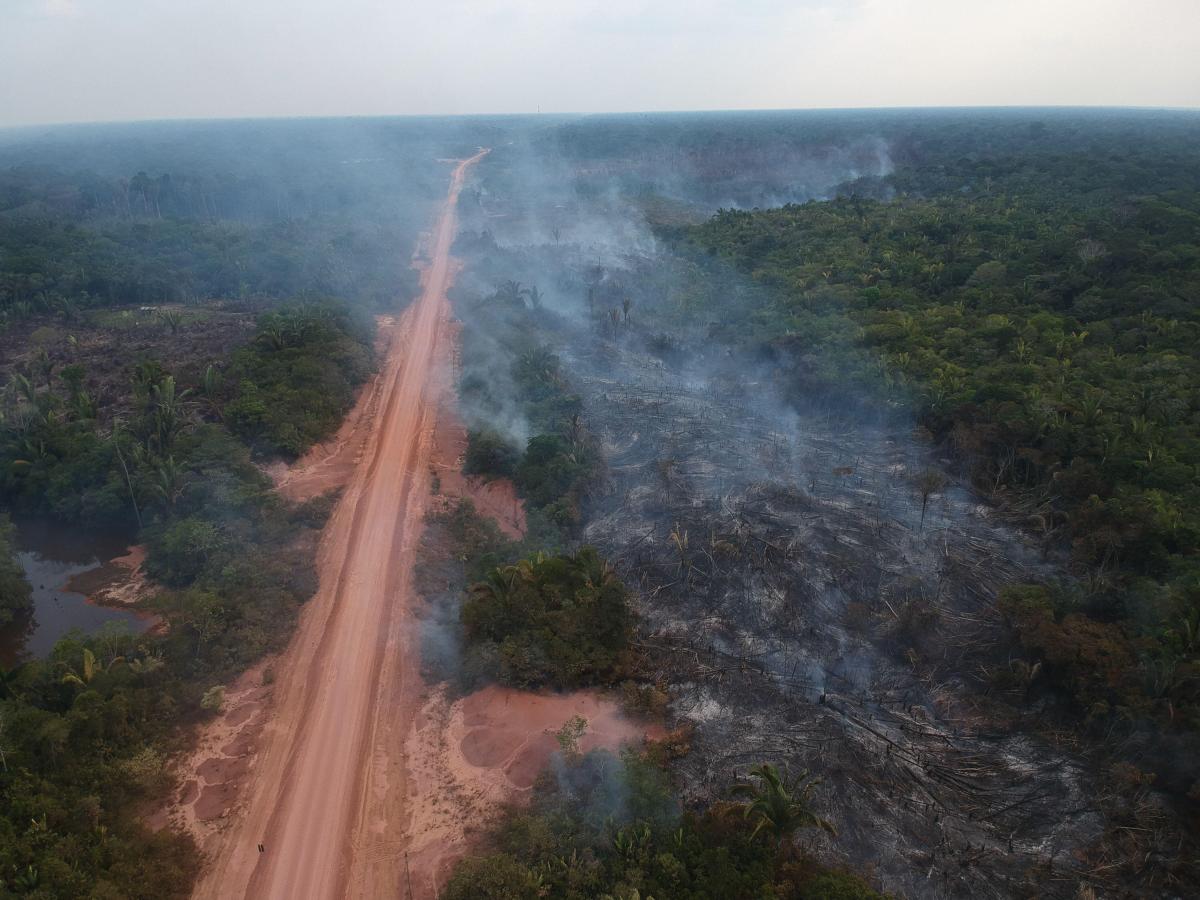
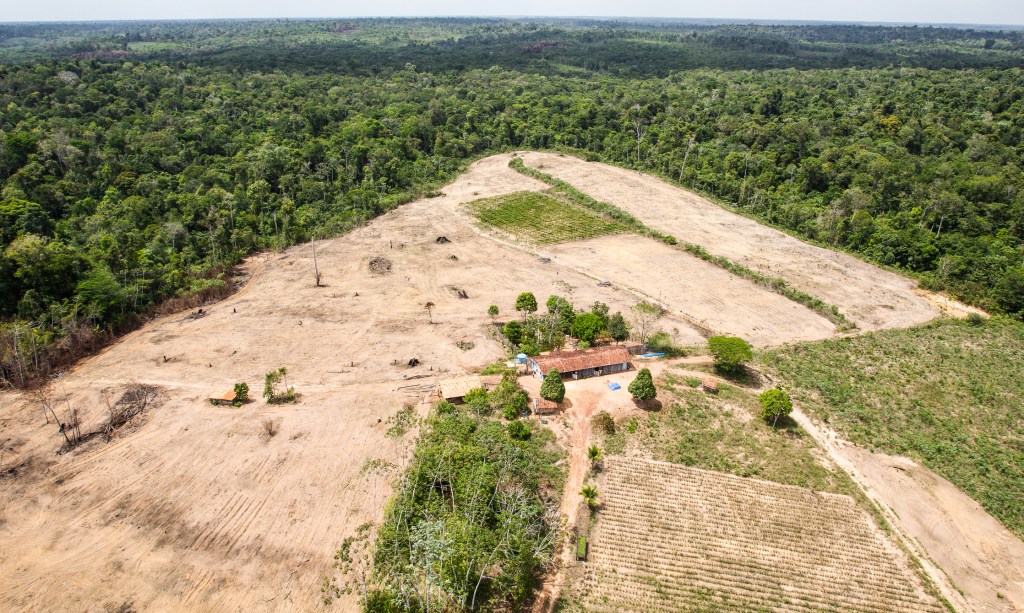
The Amazon, already under immense pressure, faced its worst year for fires in 17 years. At the heart of this devastation are cattle farmers, clearing vast tracts of land for agriculture and pasture.

Meanwhile, Brazil set a grim record, exporting the largest quantity of beef in its history: 2.89 million tons valued at $12.8 billion, as reported by the Brazilian Beef Exporters Association (ABIEC). Most of this beef went to China, followed by the US, UAE, and the EU.

Livestock farming is a leading driver of the Amazon’s destruction, responsible for 88% of deforestation.

Global NGO Global Witness holds three major Brazilian meatpacking giants, JBS, Marfrig, and Minerva, accountable for much of this devastation. These companies are linked to the destruction of vast stretches of forest in Mato Grosso, an area larger than Chicago.

JBS, the world’s largest beef exporter and second-largest beef producer, employs over 250,000 people globally and generated an estimated $77 billion in revenue in 2024, contributing about 2.1% of Brazil’s gross domestic product (GDP). Yet, the company’s profits are built on a foundation of environmental degradation, deforestation, and exploitation.

JBS has been accused of greenwashing, promoting unsustainable practices, and violating human rights, including child labour at meatpacking plants in the US.

A report from NGO Mighty Earth revealed the shocking extent of these crimes. JBS, Marfrig, and Minerva sourced cattle from a farmer accused of illegally clearing 81,200 hectares of land, an area nearly four times the size of Amsterdam. This farmer was also linked to the use of a toxic chemical, 2,4-D (a component of Agent Orange), to deforest his land, marking the largest deforestation case ever recorded in Mato Grosso.

João Gonçalves, Mighty Earth’s Senior Director for Brazil, said: 

Our recent analysis shows JBS is still linked to rampant deforestation in its beef supply chains in Brazil and is at the bottom of Mighty Earth’s Scorecard when it comes to tackling the issue. It’s admission a couple of weeks ago that it has ‘zero control’ of its supply chain means JBS doesn’t care where it gets it meat from, including from farms destroying the Amazon. 

JBS is tinkering at the edges of requiring traceability to cattle suppliers, while at the same time massively expanding its climate-wrecking meat operations. This includes a huge deal with China, which has the backing of President Lula, who promised to end deforestation in the Amazon by 2030, but his support for JBS’ expansion could push the Amazon closer to an irreversible tipping point.

The eyes of the world will be on Brazil for COP30 and already the optics aren’t good with the mixed messages and contradictory actions of government.

Corporate Power Shaping Brazil’s Policies

In 2023, Brazil’s president, Lula, established “Conselhão,” a council aimed at promoting sustainable socioeconomic development (CDESS). This group, comprising around 250 representatives from various sectors and civil society, was formed to provide guidance on the development of economic, social, and “sustainable” policies and strategies.

Among the members of the CDESS advisory group are major corporations like JBS, Copersucar, Cargill, Cosan, Raízen, Comgás, Novonor (formerly Odebrecht), Unilever, Braskem, Meta, Google, Microsoft, as well as prominent figures such as Eraí Maggi Scheffer, one of the largest cotton and soybean producers in Brazil; businessman linked to agribusiness and biodiesel production, Erasmo Carlos Battistella; and Rosana Amadeu da Silva, president of the national centre for sugarcane and biofuel industries, among others.

How much influence do these corporations truly hold over Brazil’s economic, social, and environmental policies? Will their power extend to shaping the course of COP30?

No More Greenwashing

As the world gathers at this critical moment, the question remains: will COP30 become yet another stage for polluting industries to continue business as usual, or will Brazil seize the opportunity to demonstrate its commitment to the planet’s future?

This is a chance for Brazil to stand strong and prioritise environmental protection, Indigenous rights, and bold climate actions over the forces of reckless development, profit, and greed. The stakes are higher than ever, and the world is watching closely.

Will President Lula’s promises be more than just words, and will they evolve into the bold, transformative actions our planet so urgently needs?

The time for decisive action is now. The world is waiting for Brazil to lead with integrity, courage, and a vision for a sustainable future.

Alarming Increase in Cancer-Linked Pesticides Associate with UK Food Imports

Monica Piccinini

11 December 2024

According to a new analysis by Pesticide Action Network (PAN UK), food brought into Great Britain contains a far higher concentration of pesticides linked to cancer than domestically grown produce.

Recent UK government testing revealed 46 cancer-associated pesticides on imported food, compared to just 19 found on homegrown items, raising serious concerns about the safety of the food on our plates.

Imported foods had two to three times more “developmental or reproductive toxins” (which can affect sexual health and fertility) and neurotoxins (which harm the nervous system) compared to UK-grown food. Imported foods also had more than twice the number of endocrine disrupting chemicals (29 compared to 12), which can mess with hormone systems and cause health issues like cancer and birth defects.

Recent findings revealed that while five PFAS “forever chemicals” were detected in UK-grown food, the number spiked to 12 in imported products. These chemicals, known for their persistence in the environment and the human body, are often referred to as “forever chemicals” because they accumulate in blood, bones, and tissue, remaining for years.

PFAS exposure has been linked to numerous serious health risks, including a heightened risk of cancers and a weakened immune system, making it harder for the body to fight off infections. This troubling increase in their presence in food highlights the urgent need for more stringent controls on food imports and pesticide use.

Nick Mole, PAN UK’s policy officer, mentioned:

“While the results for UK produce are also concerning, when it comes to pesticides that pose a risk to consumer health, imports tend to be far worse than food grown here in the UK.  The imported food tested by the government contained almost three times the number of highly hazardous pesticides (HHPs), including carcinogens, endocrine disruptors and neurotoxins.

“With rates of diseases such as cancer and Parkinson’s on the rise, we should be doing everything we can to reduce our chemical exposure. But the UK government is allowing larger amounts of chemicals to appear in an ever-growing list of common food items. They urgently need to reverse this current trend,” he added.

PAN UK’s annual “Dirty Dozen” report, which reveals the fruits and vegetables most likely to be contaminated with multiple pesticides, has just been released. This year’s top contender is soft citrus fruits like satsumas, tangerines, and clementines. Alarmingly, some of these food items contain residues from up to 12 different pesticides. Yet, government safety regulations still only account for the risks of individual chemicals, ignoring the fact that pesticide mixtures, the “cocktail effect”, can be far more dangerous than a single chemical.

The UK government tested 917 samples of domestically grown, non-animal origin food, with 286 (31%) found to contain multiple residues. Additionally, 1,046 samples of imported non-animal origin food were tested, and 577 (55%) contained multiple residues.

Imported produce was three times more likely to exceed the UK’s legal pesticide limits. Indian beans were the most problematic, with 10 of 25 samples testing positive for illegal residue levels. As the UK negotiates a trade deal with India, food imports from there are expected to rise.

“We’ve long been concerned that new trade deals signed by the UK since EU exit pose a major risk to the health of British consumers. This is especially true when it comes to countries like India that struggle with high pesticide residues in their food exports.

“There are major questions over whether British border controls are robust enough to detect food imports contaminated with pesticides and prevent them from reaching our plates. And yet, when we’ve pointed out these risks to the UK government, they refuse to take them seriously. Given that today’s findings are based on imports that have already made it past our borders, we strongly urge the government to take action to protect British consumers,” said Mole.

Device in hand measuring pesticides on market vegetables and fruits. Photo credit: ID 208941092 © Anastasiia Soloveva | Dreamstime.com

The presence of 48 pesticides banned in the UK on imported food gives foreign growers an unfair advantage, as they can use cheaper, dangerous chemicals that British farmers are forbidden to use. These pesticides, including cancer-linked carbaryl and diazinon, pose significant health and environmental risks.

Even more concerning, the bee-killing pesticide imidacloprid, banned in the UK since 2018, was found on imported potatoes, peas, and grapes, further threatening both human health and biodiversity.

Mole issued a powerful warning about the grave consequences of permitting banned toxic pesticides in UK food imports:

“By allowing banned pesticides in our imports, the UK is exporting its environmental and human health footprint abroad. Farmworkers and wildlife in countries where our food is grown are exposed to these dangerous chemicals and will suffer the associated harms. It also undermines British farmers at a time when we are asking them to produce more sustainably.

“But any drop in British pesticide standards will be a major problem for trade with the EU, which could also devastate UK farming. If the government is serious about protecting British consumers and supporting our farmers, it can kill two birds with one stone by not allowing food imports grown using pesticides banned for use domestically to enter Great Britain.”

Exploiting Brazil’s Biodiversity: Who Profits from its Genetic Resources?

Monica Piccinini

9 December 2024

At the COP16 UN biodiversity summit in Colombia, the role of genetic heritage in shaping Brazil’s bioeconomy was a central theme. Brazil’s genetic resources and traditional knowledge are vital for generating economic value, with the government keen on exploring opportunities to monetise these assets.

How will genetic resources drive the development of new technologies, and what negative impacts could emerge? What ethical considerations are at stake, and most importantly, who will truly benefit?

Brazil’s Biodiversity

With over 20% of the world’s species, Brazil is home to more than 46,000 plant species and 129,000 animals spread across six biomes, including the Amazon rainforest, Pantanal, Cerrado, and the Atlantic Forest.

Henry Philippe Ibanez de Novion, director of Brazil’s genetic heritage department of the ministry of environment and climate change (MMA), spoke about the value of Brazil’s biodiversity and traditional communities during a webinar hosted by the Brazilian Embassy in Berlin in September:

“According to the intergovernmental science-policy platform on biodiversity and ecosystem services (IPBES), 80% of the biodiversity that is still conserved is found in the territory of these peoples (traditional communities). The traditional knowledge and sustainable practices of these people allow biodiversity to be protected.”

Brazil’s rich biodiversity makes it a prime target for biopiracy, the unlawful exploitation and commercialisation of natural resources and traditional knowledge for profit, without the consent of authorities or traditional communities. This illegal practice not only harms the communities dependent on these resources, but also disturbs the delicate balance of plant and animal life. The most sought-after species are Amazonian frogs, macaws, snakes, and spiders.

Global companies have been collecting genetic material from plants and animals in biodiverse countries like Brazil, patenting it without recognising the rights of local communities. As a result, these communities are left out of any benefits, whether economic, health-related, or social.

In Brazil, foreign researchers often gather plant and animal samples for study and take them overseas. These samples are then used in research and turned into products like medicines, clothing, cosmetics, food, furniture, paper, insecticides, among others.

A study published in the journal World Patent Information found that 92% of patents related to Atlantic Forest plants were developed and filed outside of Brazil, primarily by China, the United States, Japan, and Korea. At least 1,258 patent applications are focused on sectors such as agriculture and livestock, pharmaceuticals and cosmetics, food and beverages, and waste treatment.

By 2022, Brazil’s national institute of industrial property (INPI) had recorded 43,400 patents for innovations using Amazonian plants filed worldwide. China topped the list with 18,965 applications, followed by the USA with 3,778.

The patenting of products made from Amazonian genetic resources without fairly sharing the benefits with local communities or respecting their rights, raises serious concerns.

Some experts argue that Brazil has not adopted a stronger industrial intellectual property policy or increased investment in research, development, and technology, which has made the country more reliant on others. For example, about 90% of the active pharmaceutical ingredients used in Brazil are imported. Meanwhile, pharmaceutical companies worldwide have been earning large profits from open access to genetic heritage data.

Brazil’s Biopiracy Legacy

The first case of biopiracy in Brazil dates to the 16th century during Portuguese colonisation, when brazilwood (pau-brasil) was extracted and sold to Europe for use in furniture making and fabric dyeing.

In the 19th century, Brazil became the world’s leading producer of latex from rubber trees. In 1876, British explorer and botanist Henry Wickham smuggled over 70,000 seeds from Brazil to England, where they were transported to Malaysia. This led to the establishment of rubber tree plantations in Malaysia, disrupting Brazil’s dominance in the rubber market.

In 1962, Brazilian scientist Sergio Ferreira discovered the bradykinin-potentiating factor (BFP) in the venom of the Bothrops snake (jararaca). This discovery led to the development of captopril, a hypertension drug, by the American pharmaceutical company Squibb, generating billions in revenue for the industry.

Another case of biopiracy involved cupuaçu, a fruit used in the production of chocolate (cupulate). In the early 2000s, Japanese company Asahi Foods Co Ltd. patented the fruit in Japan and Europe. The patent was later revoked after Brazilian authorities and national mobilisation challenged it, ensuring cupuaçu remained a Brazilian product.

In 2000, the BioAmazônia research centre entered into an agreement with Novartis laboratory to collect bacteria from Brazil’s biodiversity for research in Switzerland. The contract granted the pharmaceutical company the right to manipulate, license, and sell compounds derived from Brazil’s genetic resources. This sparked a national and international controversy, prompting the Brazilian government to suspend the contract and enact law MP 2.186/2001, which established regulations on access to the country’s genetic heritage.

Patent and Genetic Resources Registration Requirements in Brazil

In Brazil, patent applications for cosmetics, medicines, ointments, and foods derived from substances extracted from the country’s flora and fauna are subject to special screening by the national institute of industrial property (INPI).

The genetic heritage management council (CGen) was established in 2015 under Law 13,123 and is chaired by the ministry of the environment. CGen is responsible for developing and enforcing regulations on the use of genetic resources, ensuring that traditional communities are properly compensated.

The national system for the management of genetic heritage and associated traditional knowledge (SisGen) was created in 2016 by Law 13,123 as a tool to assist CGen in managing genetic heritage and related traditional knowledge. SisGen is operated and maintained by CGen, and any access to Brazilian genetic heritage or associated traditional knowledge must be registered in this system.

Multilateral Agreements and Ongoing Concerns

The Nagoya Protocol, an international agreement adopted in 2010, seeks to ensure the fair and equitable sharing of benefits derived from the use of genetic resources. It came into force on 12 October 2014, with 142 countries, including Brazil, as signatories.

In May, a diplomatic conference on genetic resources and traditional knowledge, organised by the world intellectual property organisation (WIPO), led to the approval of a new treaty by 190 countries. This treaty mandates that patent applications based on genetic resources and/or traditional knowledge must disclose, at the time of filing, the country of origin, the original source of these resources, and the indigenous peoples or local communities that contributed the knowledge.

There have been multiple efforts to reach a consensus on the distribution of benefits from the use of digital sequence information (DSI) – a practice where genetic data is digitised, stored, and shared in open-access online databases for researchers and companies. This issue was a central topic at COP16.

Some of the technologies that use DSI commercially include industrial, medical, agriculture, DNA barcoding, and synthetic biology (designing synthetic genes using AI-powered programmes).

In an interview to NGO Instituto Escolhas in February, Novion spoke about some issues concerning DSI:

“Anyone who develops products or processes from sequences available in digital databases, without knowing their origin, will have difficulty knowing what legal framework they are linked to, which makes it impossible for the user (company or researcher) to seek their regularity and thus provide legal security for their result, be it a publication, a patent or a product. The use of this sequence therefore falls into a legal limbo.

“Another layer of complexity arises from the fact that, today, we do not use just a single sequence, from a single genetic resource, from a single country. And addressing this form of use without making it unviable is the greatest challenge we will have to face, both in Brazil and internationally, particularly in relation to shared or cosmopolitan sequences and genetic resources,” he added.

A proposal from the ad hoc open-ended working group on benefit-sharing from the use of DSI on genetic resources suggests that countries accessing this material should contribute to a voluntary and not legally binding mechanism, a global fund (Cali Fund), to conserve biodiversity and compensate traditional communities. Some advocate for contributions based on a percentage of revenue from products that utilise DSI, while others propose a fixed 1% of revenue generated by these companies.

However, many questions remain unanswered, such as how benefit-sharing would function in practice, the equitable distribution of funds, storage architecture, who holds the rights to the data, who owns the technology (intellectual property rights), how to trace the origin of digitalised genetic resources, how would products deriving from novel synthetic DSI fit in, determining if DSI is naturally occurring or the product of synthetic biology or even AI, and the possibility of a negative outcome and ethical concerns related to the application of AI to synthetic biology.

Additionally, what is the significance of traditional knowledge in the context of DSI, and how will this multilateral mechanism incorporate the principles of consultation, consent, and benefit-sharing with Indigenous communities? Why have traditional communities been excluded from the decision-making process?  What are the steps and process involved in ensuring these benefits reach the traditional communities?

Is this simply another tool to control, exploit, and profit from the world’s most biodiverse regions? And who will truly benefit in the end?

BR-319: A Highway to Climate Chaos in the Heart of the Amazon

Monica Piccinini

20 November 2024

As Brazil prepares to host the 2025 United Nations Climate Change Conference, COP30, the Brazilian government is sending a powerful message about its commitment to environmental conservation and sustainable development. Central to this message is the protection of the Amazon rainforest, vital to the planet’s ecological balance. Yet, a controversial project hangs over these declarations: the planned Amazon’s BR-319 highway, a proposal that has sparked intense debate over its potential to disrupt one of Earth’s most critical ecosystems.

The reconstruction of the Amazon BR-319 highway in Brazil, connecting Manaus, the capital of Amazonas, to Porto Velho, on the southern edge of the forest, cutting through one of the most preserved blocks of the rainforest, could trigger a climate crisis chain reaction with severe irreversible impacts on the Amazon, Brazil and the entire planet.

Although the Brazilian government promotes the BR-319 project as essential for regional economic development, it represents one of the most significant threats to the Amazon’s survival. This project endangers at least half of Brazil’s remaining rainforest, putting 69 Indigenous communities, 64 Indigenous territories, and over 18,000 Indigenous people at risk.

Map of Indigenous lands and communities impacted by Brazil’s BR-319 Highway. Reference: Ferrante et al., 2020.

During a visit to Amazonas in September, Brazil’s president, Luiz Inácio Lula da Silva, showed his commitment and full support for the reconstruction of the BR-319 highway by saying, “this road will now begin to be built.”

“BR-319 is a necessity for the state of Amazonas, it is a necessity for Roraima, and a necessity for Brazil,” he added

Lula’s ambition to lead on the climate agenda appears to conflict with his own policies and actions.

Philip Fearnside, a senior researcher at Brazil’s National Institute of Amazonian Research (INPA), and Nobel peace prize winner, mentioned:

“In Manaus, every politician supports the reconstruction of the BR-319 highway – on the condition that the federal government, and by extension, the 99% of taxpayers who live outside Manaus, foots the bill. After more than two decades of consistent misinformation about the project, nearly the entire local population now favours it, and questioning the initiative would be political suicide for any candidate.

“Repaving the BR-319 highway would link the relatively undisturbed central Amazon to the AMACRO region – a deforestation hotspot named after the states of Amazonas, Acre, and Rondônia. Although AMACRO is promoted as a sustainable development zone (ZDS), it has become a major driver of deforestation in the Amazon rainforest,” he added.

The BR-319, an 885-km highway, was inaugurated in 1976 during Brazil’s military dictatorship, but was abandoned in 1988. In 2015, under Dilma Rousseff’s government, a maintenance program was launched to revive the highway. Since then, various governments have made multiple attempts to reconstruct a 406-km section of the highway.

Catastrophic and Irreversible Consequences

The fishbone effect results from the opening of illegal branches on both sides of the BR-319 highway, created by land grabbers. This phenomenon is already unfolding around the highway, with over 6,000 km of illegal extensions, which is more than six times the length of BR-319. Furthermore, proposed roads along BR-319, such as the AM-366, would provide deforesters with access to a vast area of rainforest in the Trans-Purus region, west of BR-319.

Brazilian Amazonia and Highway BR-319 (Manaus-Porto Velho). Source: map produced by researcher Lucas Ferrante in the ArcGIS software, deforestation data from INPE 2021.

The reconstruction of the BR-319 highway could lead to catastrophic and irreversible consequences, including widespread deforestation, loss of biodiversity, and environmental degradation. It may also fuel an increase in illicit activities such as organised crime, illegal logging, mining, and encroachment on Indigenous lands. Furthermore, the risk of zoonotic leaps and the emergence of new pandemics could rise. These impacts could push the rainforest beyond its ability to survive, causing it to cease functioning as a carbon sink and disrupting its role as a regional and global climate regulator.

Lucas Ferrante, researcher at the University of Sao Paulo (USP) and Federal University of Amazonas (UFAM), discussed the critical role of flying rivers in climate regulation:

“In this forest region, a crucial environmental ecosystem service occurs, known as flying rivers, plays a crucial role in regulating Brazil’s climate. Moisture from the Atlantic Ocean is carried into the continent through the North region, where it enters the Amazon. Evapotranspiration from the preserved forest generates high-pressure systems that produce rainfall, which then travels southward, supplying water to the southeast, central-west, and southern regions of Brazil.

“For instance, 70% of the rainfall that supplies the Cantareira system – responsible for providing water to São Paulo, the most densely populated area in South America – originates from this forested region. However, deforestation along BR-319 poses a serious threat to these flying rivers, and continued destruction could lead to devastating consequences for the entire country.

“We will face severe water shortages in densely populated regions, leading to the death of the most vulnerable populations, industrial disruptions, and devastating impacts on agriculture, rendering these areas uninhabitable. Essentially, the collapse of the flying rivers will trigger the breakdown of the country’s economic sectors, potentially causing annual losses of up to $ 500 billion (R$3 trillion),” Ferrante warned.

Wildfires, Drought, and Disease

Brazilian Amazon Forest burning to open space for pasture. Credit: ID 69667961 @ André Costa | Dreamstime.com

A survey by MapBiomas‘ Fire Monitor reveals that from January to September this year, Brazil saw 22.38 million hectares burn, marking an increase of 13.4 million hectares compared to 2023. This represents a 150% rise from the previous year. Over half of the burned area (51%, or 11.3 million hectares) occurred in the Amazon.

Commenting on the fires in the Amazon and across Brazil, Ferrante stated:

“It’s crucial to recognise that Brazil has surpassed its greenhouse gas emissions targets, with the highest levels originating from the Amazon due to widespread fires in the biome.”

The fires and drought in the Amazon are expected to worsen due to climate change and other factors, including the rampant expansion of agribusiness, particularly cattle farming, both legal and illegal mining, logging, and large-scale biofuel production – especially with the recent biofuel mandate increase announced by Lula. This is further intensified by Lula’s push to extract “every last drop” of oil. The BR-319 highway plays a central role in facilitating these developments in the region.

The Amazon rainforest is recognised as one of the largest reservoirs of zoonotic diseases. Scientists consistently warn that reconstructing the BR-319 highway, in conjunction with climate change, will accelerate forest degradation driven by agribusiness expansion, mining, oil and gas exploration, illicit activities, and infrastructure projects. This would lead to increased human mobility and urbanisation, heightening the risk of zoonotic spillovers -diseases stored in the forest potentially jumping to humans, which could trigger a global pandemic or a series of them.

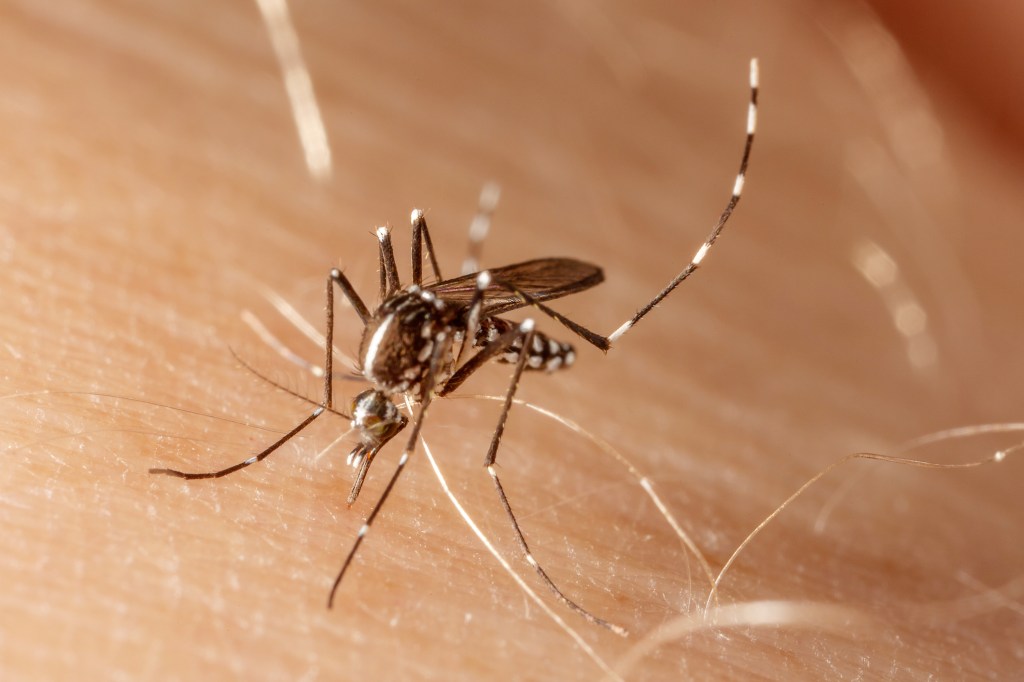
Deforestation along the BR-319 has already resulted in a 400% increase in malaria cases in the region, highlighting the potential environmental damage caused by this project and its role in the emergence of a new global pandemic.

An article in Nature reported that the western Brazilian Amazon is facing its largest confirmed outbreak of the Oropouche virus (OROV), with over 6,300 cases recorded between 2022 and 2024. Researchers identified a novel genetic variant of the virus and highlighted fragmented forest landscapes and vegetation loss caused by deforestation and expanding agricultural activities as significant factors driving its transmission. Most OROV-positive cases in 2022–2023 were concentrated in the AMACRO region, a hotspot for deforestation.

“Deforestation in the Amazon rainforest and other tropical regions increase the risk of emergence of new human diseases by increasing contact between rainforest wildlife and the human population and its domestic animals. It also contributes to climate change, which can create conditions favouring the emergence of parasitic, fungal, viral, and bacterial infections,” explained Fearnside.

Profit Driven

Deforested and burned area long the middle stretch of BR-319 highway. Credit: Lucas Ferrante.

The BR-319 highway will serve an expanding range of national and international industries, particularly those focused on the significant profits that a ‘bioeconomy’ can generate. Additionally, it will play a crucial role in facilitating oil and gas exploration in the region, including Petrobras’ operations along the equatorial margin, a project that has the full backing of Lula.

Russian oil and gas company Rosneft will also benefit from the BR-319 project, as it holds drilling rights to 14 oil and gas blocks situated west of the highway, around 35 km from the Purus River, within the Solimões Sedimentary Basin. This pristine area is larger than the state of California.

Other sectors would also gain from the BR-319 project, such as the expansion of agribusiness, cattle farming, both legal and illegal mining, logging, and organised crime.

Ferrante elaborated on how BR-319 is facilitating the expansion of agribusiness, cattle farming, and mining:

“BR-319 is accelerating the growth of agribusiness in the region, especially on unallocated public lands (‘terras devolutas’). Soybean farmers from Mato Grosso do Sul are migrating to Rondônia, purchasing land from livestock farmers who, in turn, are moving south of Amazonas within the BR-319 corridor. These lands are often occupied illegally, either through land grabbing, illegal deforestation, or violent eviction of traditional communities.

“Since 2023, Manaus has experienced a rise in smoke levels during the dry season, primarily due to forest fires spreading along the newly paved sections of BR-319, where cattle farming is rapidly expanding. The presence of asphalt accelerates deforestation, and fires are commonly used to clear land for pasture.

“Moreover, there is a well-documented connection between land grabbers and organized crime along BR-319. Criminal groups seize land, expelling legitimate owners and traditional communities, and often use the profits to force these displaced communities into labour in illegal mining operations.”

Smokescreen

Supporters of the BR-319 project, including politicians, corporations, and individuals, have presented various justifications for the highway’s reconstruction, citing the ongoing drought in the region. However, Ferrante points out that despite the drought, the Madeira River remains navigable. Furthermore, the BR-319 does not connect to any of the municipalities impacted by the drought, as they are located across the Rio Negro.

The Madeira River has long been the primary transportation route in the region, running parallel to the BR-319 highway, and offering a safer, cleaner, and more cost-effective means of transporting goods.

Rodrigo Agostinho, president of Brazil’s environmental protection agency, Ibama, told AmazoniaReal on November 14 that without good governance, the BR-319 project could become a “major deforestation front.” He further noted that those who construct a road do not take on responsibility for managing the surrounding area, which remains a highly contentious issue.

(A) Deforestation along BR-319 highway from 1988 to 2020 (PRODES data). Deforestation in red represents cumulative deforestation from 1988 to 2014 before the highway “maintenance” program began. Deforestation in purple represents cumulative deforestation from 2015 to 2020 (i.e., during the “maintenance” program). (B) Points with land grabbing, illegal logging, illegal mineral prospecting and illegal land sales observed on BR-319 highway. The inset map of South America shows Brazil’s “Amazon Biome” region in green, Highway BR319 as a black line, and the area of the larger map as a red rectangle. Image provided by researcher Lucas Ferrante.

The Brazilian government continues to advocate for governance along the BR-319, with support from a few NGOs backed by an international philanthropic organisation. These groups, however, refuse to oppose the BR-319 project.

Meanwhile, members of the Brazilian federal police and army have made it clear that any future governance scenario is unrealistic, as the inspection bodies would lack the necessary resources to monitor the area due to its vast size, complexity, and danger. Organised crime already controls land grabbing and mining in the region, which has had a devastating impact on traditional communities.

Who stands to benefit from the BR-319 project? The primary beneficiaries are those financing illicit activities, such as illegal mining and organised crime, as well as the expansion of agribusiness, large-scale biofuel production, cattle farming, oil and gas exploration, and the development of a “bioeconomy.” These highly profitable ventures are financed by both national and international stakeholders.

“The 2009 environmental impact assessment (EIA) indicated that business leaders did not view this project as a priority for Manaus’s industrial hub. In the years following, the unanimous political support for the project naturally prompted businesspeople to adopt the same position, given their reliance on political backing.

“However, academic studies assessing the project’s feasibility have found it to be economically unjustifiable. Notably, it remains the only major project in Brazil without an official economic feasibility study (EVTEA), which is unlikely to be a coincidence,” mentioned Fearnside.

The reconstruction of the BR-319 highway lacks the required economic feasibility study (EVTEA) mandated by Law 5917/1973, and has failed to conduct crucial consultations with Indigenous communities, as stipulated by both the International Labour Organisation (ILO) Convention 169 and Brazilian Law 10.088/2019, making the BR-319 project unconstitutional.

Following Ferrante’s presentation at the ministry of the environment on October 29 highlighting the negative impacts of the BR-319 project, he is calling the suspension of all licenses and tenders until consultations are held with all affected Indigenous communities.

Additionally, he urges the suspension of the maintenance license for the entire highway due to significant environmental harm already inflicted by the national department of transport infrastructure (DNIT) on ecosystems, streams, and traditional communities. He further requests the removal of the illegal branches, and the expropriation of all areas occupied along the BR-319 highway since 2008.

Brazil’s Biofuel Boom: Green Growth or Greenwashing?

Monica Piccinini

7 November 2024

Brazil’s push to expand biofuels is central to its strategy to “drive the decarbonisation agenda” and build a robust “bioeconomy,” setting the stage for this to become a major focus at the upcoming UN Climate Change Conference (COP 30) in Brazil in November 2025.

During a ceremony at the Brasilia Air Base in October, president Luiz Inácio Lula da Silva declared:

“Brazil will lead the world’s energy revolution”

This statement came as he signed the Fuel of the Future Law, a set of initiatives aimed at advancing the country’s bioenergy sector. Lula added:

“Brazil will get a head start because you, the entrepreneurs, who have the capacity to produce, to research. Enacting this law demonstrates that none of us have the right to continue disbelieving that this country can be a large economy.”

Lula announced a rise in ethanol blending with gasoline from 22% to 27%, with a target of 35% by 2030. Biodiesel blending, currently at 14%, will increase by one percentage point annually, aiming to reach 20% by March 2030.

Biofuel mandates have generated a relentless demand for crops, including sugarcane, corn, soybean, and palm oil.

Ethanol and biodiesel production in Brazil reached nearly 43 billion litres in 2023, according to the 2024 Brazilian Statistical Yearbook on Oil, Natural Gas, and Biofuels, published by Brazil’s National Agency for Petroleum, Natural Gas, and Biofuels (ANP).

In Brazil, biofuels make up 25% of transportation fuels – a remarkably high share compared to other nations – and this proportion is still increasing. Bioethanol leads the biofuel sector, representing an average of 49% in terms of energy of the total gasoline and ethanol consumption.

Jorge Ernesto Rodriguez Morales, lecturer and researcher in environmental policy and climate change governance at the Department of Economic History and International Relations at Stockholm University, mentioned:

“Historically, Brazilian energy policy has achieved significant success, largely due to the development of the oil industry alongside biofuels and other energy sources. This diversification has enabled Brazil to rely less on energy imports from the global market, fostering a degree of energy independence and security critical for economic stability.

“By reducing dependence on external energy sources, Brazil’s economy is less vulnerable to external shocks, such as fluctuations in oil and gas prices. Sugarcane ethanol, in particular, has been pivotal in these developments, positioning bioenergy – a renewable energy form derived from recently living organic materials known as biomass – at the forefront of national strategies to combat climate change,” he added.

Green Sheen

Although bioenergy has been promoted as a climate strategy, there is ongoing debate within the scientific community regarding the actual sustainability of biofuel production.

Some scientists argue that the production of biofuels is an energy-negative process that may lead to various socio-environmental consequences. These include rising food prices that threaten food security and the conversion of forestlands for biofuel cultivation. Some state that presenting bioenergy as a climate strategy has served as a justification for the industry’s expansion in Brazil and globally.

“Despite its success, the biofuels industry in Brazil developed within broader developmental and territorial security goals, often placing significant pressure on ecosystems and communities in an institutional environment that generally overlooked socio-environmental concerns.

“This unsustainable co-evolution of development pathways and bioenergy – marked by deforestation, land colonization, and agricultural expansion – has limited the adaptation space in agriculture. As a result, current climate policy is largely oriented toward path-dependent and potentially maladaptive strategies, such as relying on sugarcane ethanol for transportation,” explained Morales.

A report by the Royal Society raises concerns about expanding biofuel production, highlighting issues such as the impact on food prices, the potential rise in greenhouse gas emissions due to direct and indirect land use changes (LUC) associated with biofuel feedstock production, and the risks of land, forest, water resource, and ecosystem degradation.

The Royal Society report recommends comprehensive auditing of biofuel supply chains as essential, along with enhancing transparency, data availability, and sharing. These elements are crucial for ensuring that the life cycle assessment (LCA) of biofuels is reliable and beneficial for policymaking.

The use of feedstocks like sugarcane, palm oil, corn, and soybean – predominant in Brazil – has sparked significant controversy, primarily due to competition with food production and concerns about converting agricultural land into fuel production. Rising demand for agricultural products poses a risk of increased deforestation and the use of land with high biodiversity value to satisfy this demand, along with related freshwater consumption.

The EU Deforestation-Free Regulation (EUDR) identifies soybean as one of the world’s leading drivers of deforestation. Trade interests appear to be the main barrier to removing soy biofuels from the Renewable Energy Directive, as Europe imports nearly 90% of its soy for biodiesel production from Brazil, Argentina, and the United States.

Dr David Pimentel, a professor of ecology and agricultural sciences at Cornell University, asserted that there is insufficient land, water, and energy available for biofuel production. He also highlighted environmental issues associated with converting crops into biofuels, such as water pollution from fertilisers and pesticides, air pollution, soil erosion, and contributions to global warming.

Pimentel conducted calculations that accounted for all the inputs needed to produce ethanol, including machinery, seeds, labour, water, electricity, fertilisers, insecticides, herbicides, fuel, drying, and transportation. He found that producing one litre of fuel-grade ethanol (5,130 kcal) requires an energy input of 6,600 kcal, indicating that biofuel production is an energy-negative process.

A report published in the Biofuel journal states that measuring greenhouse gas emissions linked to ethanol fuel should account for emissions at every stage, including production, processing, distribution, and vehicle use. This comprehensive assessment is known as the core “well-to-wheels LCA emissions, along with any additional emissions resulting from LUC.

Morales discussed some of the impacts of implementing a climate policy that relies on biomass fuels:

“Current climate policy positions biomass-based fuels as a replacement for fossil fuels in the transport sector, with sugarcane ethanol as a flagship solution for greenhouse gas reduction in international climate negotiations. However, scaling up bioenergy production can have serious socio-environmental impacts.

“Like food production, ethanol requires land, water, and nutrients, meaning that a large-scale expansion could intensify the negative side effects of agricultural growth. These include significant socio-environmental challenges related to sustainable development goals, such as deforestation (SDG 15), CO2 emissions from land-use change (SDG 13), nitrogen losses (SDGs 13, 14, 15), unsustainable water withdrawals (SDG 14), and food security risks (SDG 2), among others,” he added.

Biofuel Policies

Postage stamp printed in Brazil shows Ethanol, Alternative Energy serie, circa 1980.
Credit: ID 235489969 © Alexander Mirt | Dreamstime.com

During Brazil’s colonial period (1500-1822), sugarcane plantations established the basis for political power through land monopoly and slavery. Policies were implemented to promote the economic interests of the agribusiness sector.

In response to the energy and sugar crisis of the 70s, Brazil launched a national ethanol program called “Pró-Álcool” in 1975. This initiative included tax breaks, subsidies, and lower financing costs to benefit the sugarcane industry, including producers, planters, distillers, and the automotive sector.

The “Pró-Álcool” policy led to significant repercussions, such as the exploitation of workers (bóias-frias) and environmental degradation, which the Brazilian government neglected out of concern that environmental regulations might hinder economic growth and development.

From 1992 to 2004, while Brazil’s total greenhouse gas emissions rose by 80%, the government defended its support for ethanol on environmental grounds, positioning bioenergy as a “sustainable energy source.” This approach framed bioenergy as part of a climate strategy, leading to its promotion at international levels to combat climate change.

However, the socio-environmental impacts of bioenergy production were largely overlooked, including direct and indirect LUC, water and biodiversity loss, deforestation, fertiliser pollution, and soil erosion.

In 2017, the “Renovabio” initiative was launched as a new government program aimed at promoting the growth of the bioenergy sector, with an emphasis on various types of biofuels, such as biodiesel, biomethane, bioethanol, and biokerosene.

A report published in the Biofuels journal indicates that Brazil’s RenovaBio programme does not account for direct or indirect LUC in its emissions calculator, potentially leading to an overestimation of decarbonisation levels and encouraging biofuel production with greater environmental impacts. To ensure the program is environmentally effective and delivers appropriate signals to decision-makers, it is crucial to incorporate LUC parameters into the calculator.

“Brazil’s ethanol diplomacy aims to portray the nation as climate-conscious, using biofuel as leverage in climate negotiations. Many countries have followed Brazil’s ‘successful’ example by integrating bioenergy into their climate policies, even though its social and environmental costs are widely acknowledged,” mentioned Morales.

Biofuel Expansion

Raízen, formed from the merger of Cosan and Shell, along with BP Bunge, Atvos, São Martinho, Tereos, Lincoln Junqueira, Cofco, Coruipe, Adecoagro, Katzen, Millenium, Brasil BioFuels (BBF), and Agropalma, represent some of the leading bioenergy companies in Brazil.

In October, Katzen International, a prominent bioethanol company, announced the successful completion and launch of the INPASA Agroindustrial S/A bioethanol plant expansion project in Sinop, Mato Grosso. This expansion boosted the plant’s production capacity to 2.1 billion litres per year, establishing it as the largest grain-based dry mill bioethanol facility in the world.

Corn ethanol production in Brazil is projected to reach 7.7 billion litres in 2024/25, representing a 20% increase compared to previous years.

The biofuel industry is making significant investments in the state of Pará. Governor Helder Barbalho has announced plans for a biofuel refinery to be established in the municipality of Redenção, located in the southeastern part of the state. A collaboration between the Mafra Group and Companhia Mineira de Açúcar e Álcool (CMAA), which together comprise Grão Pará Bioenergia, will contribute over $350 million to this project.

“These are the agendas that will be challenging for us: the forest agenda, the energy production agenda. These are different agendas in which each one of them can present their solutions,” said Barbalho.

Alongside the refinery, a fattening service for cattle will be provided to partner ranchers, allowing them to use the refinery’s facilities for confining their animals. The primary feedstock for cattle confinement will be Dried Distillers Grain (DDG), a by-product of corn ethanol production.

Conflicts

A report by NGO Imazon revealed that Pará accounted for 57% of the degraded forest areas in the Amazon. Forest degradation surged from 196 km² in September 2023 to 11,558 km² in the same month this year – nearly a 60-fold increase.

The state of Pará, which will host COP30, is marked by conflicts, including those related to the palm oil industry. Palm plantations in Pará cover an area that was once rainforest, approximately 226,834 hectares, nearly equivalent to the size of Luxembourg.

An investigation by the NGO Global Witness revealed that two major Brazilian palm oil companies, Agropalma and Brasil Biofuels (BBF), were implicated in conflicts with local communities in the state of Pará. BBF faced allegations of environmental crimes and violent efforts to suppress indigenous and traditional communities. Meanwhile, Agropalma was associated with community evictions and land grabbing.

A study by scientists Lucas Ferrante and Philip Fearnside revealed that biofuel companies, such as Millenium Bioenergia, are establishing a production chain for biofuels and food products derived from monocultures on Amazonian Indigenous lands and within other traditional communities.

Millenium announced plans to “partner” with Indigenous and traditional communities, proposing unpaid labour to produce corn, fish, chickens, pigs, and confined cattle. This approach not only infringes on human rights but also poses a risk of triggering new pandemics due to zoonotic leaps linked to environmental degradation.

Brazil must expand biofuel production to meet growing demand, which will increase logistical pressures nationwide. Critical to this expansion are infrastructure projects, such as the construction of highways like the Amazon’s BR-319, connecting Manaus to Porto Velho, and the Ferrogrão railway project, linking Sinop in Mato Grosso to the port of Miritituba, situated across the Tapajós River from Itaituba in Pará. These developments are likely to cause irreversible environmental degradation and adversely affect numerous indigenous and traditional communities in these areas.

Morales highlighted the Brazilian government’s position and priorities concerning the expansion of biofuel production:

“In foreign environmental policy, the Brazilian government has historically been reluctant to prioritise environmental protection over economic growth, often attributing major environmental issues to developed countries. Although various administrations have made efforts to address environmental challenges such as biodiversity loss and climate change, these issues remain secondary concerns, frequently viewed as obstacles to short-term political and economic goals.

“Positioning bioenergy as a climate strategy has effectively justified broader policies supporting the biofuel industry and contributed to the greenwashing of Brazil’s climate policy on the international stage. Several countries have mirrored Brazil’s approach, adopting bioenergy into their climate agendas in response,” he added.

Brazil’s Indigenous Crisis: Violence and Rising Suicide

Monica Piccinini

17 October 2024

Suicide is a major global public health issue, leading to approximately 700,000 deaths each year. While the global suicide rate decreased by 36% from 2000 to 2019, Brazil saw a dramatic 43% rise in suicide cases during the same period.

A study conducted by the Oswaldo Cruz Foundation (Fiocruz), in collaboration with Harvard University, found that Brazil recorded 147,698 suicides between 2011 and 2022. In 2022, the Indigenous population had the highest rates of self-harm notifications (103.72 per 100,000) and suicides (16.58 deaths per 100,000), compared to the overall population, which reported rates of 70.06 and 7.27 per 100,000, respectively.

Territorial conflicts, the expansion of agribusiness, oil and gas exploration, infrastructure projects, both legal and illegal mining and logging activities, along with discrimination, inequality, climate change, violation of Indigenous rights, inadequate state protection, and lack of permanent policies, are significant contributors to the increasing suicide rates among Indigenous people in Brazil.

Daiane Borges Machado, one of the authors of the Fiocruz study, mentioned:

“Increasing suicide rates among Indigenous communities are deeply rooted in a complex web of systemic challenges. These populations have long been dramatically exposed to violence, territorial disputes, and the expansion of industries like agribusiness, mining, and logging, all of which severely impact Indigenous lands and ways of life. These activities not only threaten physical spaces but also disrupt the social and cultural connections that are vital for well-being.

“Additionally, longstanding issues such as inequality, discrimination, and inadequate state protection highlight the failure to implement effective, permanent policies that safeguard Indigenous rights and health. Addressing these interconnected issues requires a holistic approach, focusing on cultural preservation, sustainable development, and equitable policy implementation.”

Brazil’s Indigenous population exceeds 1.7 million, with more than half living in the Legal Amazon, based on the 2022 Census by the Brazilian Institute of Geography and Statistics (IBGE).

A report from Brazil’s Indigenous Missionary Council (Cimi) reveals that suicide among Indigenous people in Brazil rose by 56% in 2023, totalling 180 cases compared to 115 the previous year. This data may be underestimated due to flaws in Brazil’s death verification and registration system.

From 2019 to 2022, Brazil recorded a total of 535 suicides among Indigenous people. The highest number of cases occurred in Amazonas (208), followed by Mato Grosso do Sul (131) and Roraima (57). In 2023, Amazonas again had the highest number of suicides (66), followed by Mato Grosso do Sul (37) and Roraima (19). More than a third of all cases, totalling 59, involved individuals aged 19 and younger.

Jacyra Azevedo Paiva de Araujo, one of the authors of the Fiocruz study, stated:

“It is essential to ensure that government agencies are actively engaged, adequately funded, and properly equipped to maintain a strong presence and function effectively in the region. This would help reduce violence, protect Indigenous lands, and lower the risk of suicide. Since suicide risk is closely linked to mental health disorders, providing access to mental health care must be a priority. While Brazil’s public health system offers mental health treatment to the entire population, these services need to be tailored specifically to the needs of Indigenous communities in these areas.”

Jesem Orellana, an epidemiologist at Fiocruz, highlighted that suicide rates among Indigenous populations are associated not only with depression but also with socioeconomic factors such as inequality, economic crises, discrimination, and the decline of Indigenous traditions and practices, including hunting, fishing, and agriculture.

“Suicide is known to be a complex and multicausal phenomenon. However, in indigenous contexts, sociocultural factors associated with the symbolic and cosmological universe or even with the clash between ancestral traditions and antagonistic worldviews, such as Western ones, tend to play an important role in the tragic statistics of indigenous suicide, especially among younger people,” explained Orellana.

Territorial Conflicts and Violence

The invasion of Indigenous lands and territorial disputes continue to be major issues that contribute to the ongoing pressures these communities face. Numerous cases of intimidation, threats, sexual assaults, and violent attacks against Indigenous communities have been reported in Brazil. The states of Roraima, Mato Grosso do Sul and Amazonas have recorded the highest rates of assassinations.

The Cimi report indicates that invasions of Indigenous lands rose by 252% from 2019 to 2022, compared to earlier years. This period also saw an increase in cases of homicide, sexual violence, and death threats against Indigenous people.

The key factors behind the violence against Indigenous communities include the expansion of agribusiness, cattle farming, oil and gas extraction, both legal and illegal mining, fishing, hunting, and logging, as well as infrastructure projects such as road, railway, and dam construction, along with the private appropriation of their territories. Indigenous people frequently feel pressured to leave their land due to concerns for their safety.

Of the 1,381 Indigenous lands and territorial claims in Brazil, 62% are still facing administrative obstacles to their regularisation, with 850 pending resolutions, and 563 having received no action from the state regarding demarcation.

The Brazilian government’s support for expanding oil and gas projects in the Amazon, along with agribusiness, cattle farming, mining, and infrastructure projects like the Ferrogrão railway – linking the port of Miritituba in Pará to Sinop in Mato Grosso – and the recently approved BR-319 highway, is expected to have devastating impacts on the environment and Indigenous communities.

The reconstruction of Amazon’s BR-319 highway, which connects Manaus, the capital of Amazonas, to Porto Velho, will affect 64 Indigenous territories. This project is key for the expansion of agribusiness, oil and gas exploration, illegal mining, logging, and organised crime, all of which will directly threaten Indigenous communities in the region.

In Brazil, Indigenous communities are confronted with a multitude of challenges, frequently left to face life-threatening conditions without sufficient state protection. This lack of support undermines their ability to defend their rights and has driven some to such desperation that they resort to extreme actions, including tragically taking their own lives.

Climate Change and Mining

Indigenous child from the Asurini tribe of Baixo Amazonas, Rio Xingu, Brazil. Credit: ID 245527629 | Brazil Indigenous © J Brarymi | Dreamstime.com

Climate change and global warming leads to environmental degradation, posing yet another threat to Indigenous communities. Their livelihoods, dependant on agriculture, fishing, and hunting, have been affected by rising temperatures, droughts, and extreme weather events.

The rise in fires and droughts is pushing Indigenous people to leave their lands and seek work in urban centres. However, they often struggle to find employment, leading to economic difficulties and, at times, an inability to sustain themselves. The lack of job opportunities and a sense of purpose can lead to substance abuse, with drugs and alcohol becoming an escape, often resulting in severe depression and, tragically, sometimes suicide.

Illegal mining is a critical issue affecting Indigenous communities in Brazil. A Fiocruz study discovered alarming mercury concentrations in hair samples and oral swabs from 293 Yanomami individuals in nine villages located in the upper Mucajaí River area of Roraima. The mercury levels were three times higher than the recommended safety limits, primarily due to fish contamination, which is a staple in the Yanomami diet. Additionally, cognitive impairments were found in 55.2% of the children across these villages.

Mercury is a neurotoxin, and high levels of exposure can lead to damage to the nervous system, gastrointestinal tract, and kidneys. Symptoms of high exposure include cognitive disturbances, memory impairment, mood swings, muscle weakness, and skin conditions such as rashes and dermatitis.

A study published in the journal Environmental Health Perspectives found that maternal consumption of mercury-contaminated fish during pregnancy over three generations contributed to children’s poor mental health, with emotional and behavioural issues linked directly to an increased risk of attempted suicide.

The degradation and contamination of Indigenous lands and water sources drive the Indigenous communities to move to the cities in search of work, exposing them to a range of challenges that can have devastating outcomes.

Preserving Indigenous knowledge and practices is vital for safeguarding the physical and mental well-being of Brazil’s Indigenous populations. The contamination of their land and water forces these communities to relocate to urban areas in search of survival, disrupting their traditional lifestyles. As they adapt, many turn to ultra-processed foods, alcohol, and drugs – substances foreign to their bodies – which can severely affect their health. This shift often results in increased rates of depression, self-harm, and suicide, highlighting the urgent need to protect their heritage and support their communities.

Protection and Action

It’s crucial to establish and enforce permanent policies that safeguard Indigenous people and their sacred lands, while ensuring their participation in the decision-making process. The demarcation of Indigenous territories must be a priority, followed by empowering these communities to defend their rights and protect their land.

“A Brazilian program has demonstrated significant effects in reducing suicide rates among impoverished populations and could potentially be applied as a preventive measure within Indigenous communities as well. By providing financial support, educational resources, and access to healthcare, such programs can help reduce socioeconomic inequalities and promote mental well-being. Strengthening these measures and ensuring access within Indigenous communities, while respecting their cultural and territorial autonomy, could be a crucial step toward mitigating the factors contributing to rising suicide rates,” explained Machado.

Indigenous communities must be protected by the loss of their territories to deforestation and environmental degradation caused by agribusiness expansion, including cattle farming, legal and illegal mining, logging, oil and gas exploration, and harmful infrastructure projects. These activities not only violate Indigenous rights, but also have devastating effects on their physical and mental health. Protecting ecosystems is crucial for Indigenous communities, as their very survival is inextricably tied to the health of the natural world.

The pursuit of profit and the persistence of an extractive colonial mindset must never outweigh the survival of Indigenous communities and the lands they defend. The alarming rise in self-harm and suicide among these communities is a stark indicator of our collective failure to protect them. We must act urgently to reverse this destructive path before it’s too late.

The Amazon-China Connection

Monica Piccinini

1 May 2024

Over the past few decades, Chinese investment in Brazil’s Amazon region has significantly grown and broadened, particularly in sectors like agriculture, mining, infrastructure, and energy. However, this influx has sparked concerns about its environmental and social consequences. As debates intensify, the delicate balance between economic development and ecological preservation remains uncertain.

This year marked the 50th anniversary of Sino-Brazilian diplomatic relations, yet their initial connection traces back to 1881 with the establishment of the first diplomatic mission.

Brazil’s relationship with China intensified with the formation of BRICS in 2009, an intergovernmental organisation consisting of Brazil, China, Russia, India, and South Africa. Additionally, Egypt, Ethiopia, Iran, and the United Arab Emirates have also become part of the group.

A profitable partnership

China stands as Brazil’s largest trading partner. In 2023, bilateral trade between the two nations totalled US$ 157 billion, with Brazil’s exports to China reaching US$104 billion.

A study published by the Brazil-China Business Council (CEBC) in 2023 highlighted the considerable export potential of Brazil’s northern region to China, with projections exceeding US$11 billion.

Just like many other collaborations Brazil has established with other nations, its partnership with China seems to stand out as one of the most profitable. This is primarily due to China’s extensive population and its crucial push for expansion and industrial progress to satisfy the significant needs of its people.

While Chinese projects and investments in Brazil appear beneficial for both parties, concerns arise regarding their alignment with sustainable development standards, particularly in the Amazon region.

There’s apprehension that these initiatives could contribute to widespread deforestation, degradation, and climate change, undermining the region’s role as a carbon sink. Such degradation heightens the risk of zoonotic diseases emerging and spreading, posing a substantial public health threat to both Brazil and the global community.

João Cumarú, researcher at Plataforma CIPÓ (an independent non-profit research institute) and master’s student in Chinese politics and diplomacy at SIRPA (复旦大学, Fudan University, China), explained:

There are notable examples and commendable practices within Chinese territory. However, it’s essential to conduct a thorough analysis to determine whether these practices will be replicated in territories beyond China’s borders.

Livestock

In 2023, China imported 2.2 million tons of meat from Brazil, totalling over US$ 8.2 billion.

According to the Brazilian Institute of Geographics and Statistics (IBGE), the number of cattle slaughtered in the country reached 29.8 million in 2022, marking a 7.5% rise from the previous year. In 2023, beef production surged to 8.91 tons in 2023, reflecting an 11.2% increase compared to 2022.

João Gonçalves, senior director for Brazil at Mighty Earth said: 

Through our satellite monitoring we are still finding rampant destruction driven by the meat and soy industries in Brazil. Brazilian beef giant JBS is sourcing from suppliers who are destroying nature with impunity. Our latest research identified a total of 105 deforestation cases linked to JBS, covering over 185,000 hectares of deforestation in the Amazon and the Cerrado.

JBS’ plans to ramp up beef exports to China will mean more cattle and more land grabs, with all the negative impact that brings for forests and the Indigenous communities and wildlife that depend on them.

JBS has big expansion plans, including listing on the New York Stock Exchange. Access to more funds will lead to more nature destruction. We’re urging the US Securities and Exchange Commission to block JBS’ proposed listing on the NYSE over its continued, outsized impact on climate change and Brazil’s precious biomes.”

In March, Carlos Fávaro, the Minister of Agriculture, Livestock, and Food Supply (MAPA), announced that an extra 38 Brazilian meat processing facilities had been approved to export meat and meat products to China:

This is a significant moment for both sides. China will receive high-quality meats at competitive prices, ensuring agricultural products for its population, while Brazil gains the certainty of job creation, opportunities, and the growth of the Brazilian economy. It’s a historic day in the Brazil-China trade relationship, a historic day for our agriculture.

In 2023, JBS was part of a delegation sent by Brazil’s President, Luiz Inácio Lula da Silva, to China, aiming to negotiate a new export agreement between the two nations.

Lula doesn’t appear hesitant to conceal his unwavering support for JBS and the growth of cattle farming in the country, irrespective of the environmental consequences, such as deforestation, greenhouse gas emissions, and the violation of traditional and indigenous communities’ rights.

Cattle farming contributes to around 80% of deforestation in the Amazon region. The primary states for cattle production in the Brazilian Amazon are Mato Grosso, Pará, and Rondônia.

The process of forests being converted into pasturelands results in elevated temperatures, altered precipitation patterns, and the escalation of extreme weather events. These conditions disrupt climate regulation and the water cycle essential for crop production in Brazil, resulting in considerable losses.

Dr Peter Alexander, senior lecturer in global food systems and security at The University of Endinburgh, mentioned:

We must consume less meat, reduce food waste, establish a more efficient and equitable system, and address pressing human health concerns such as malnutrition and obesity. How can we tackle these challenges within a system that currently fails to promote such outcomes? Moreover, how do we transform this system to prioritise these objectives? These questions linger, as these issues are often considered politically risky and potentially detrimental to electoral success.

Soya

China’s voracious appetite for agricultural commodities extends to soya, as it remains the world’s leading importer, with Brazil standing as the largest producer globally.

In the 2022/2023 crop season, Brazil achieved yet another milestone, setting a record by harvesting around 154.6 million tonnes of soya, reflecting a remarkable 23% increase compared to the previous year’s production of 125.5 million tonnes. In 2023, China soya imports from Brazil reached 69.95 million tonnes, a 29% increase from the previous year.

Brazil has implemented a soya moratorium agreement, where participating companies pledge not to buy soya from farms where soya cultivation has led to deforestation of land in the Amazon biome after July 22, 2008. This initiative aims to eradicate deforestation from the soy production process.

Despite numerous pledges from China National Cereals, Oil and Foodstuffs Co (Cofco) to combat deforestation and improve its supply chains, an inquiry by Repórter Brasil revealed that in 2021, the company sourced soya from deforested regions in Mato Grosso state, situated within both the Cerrado and Amazon regions, through indirect suppliers.

Chinese companies have substantially expanded their footprint in Brazil via mergers and acquisitions. For instance, Hunan Dakang of the Shanghai Pengxin group holds a 57% stake in Fiagril, a Brazilian company specializing in supplying agricultural inputs such as soy, corn, fertilisers, and offering technical support to farmers.

When asked about the trade volume between Brazil and China and Brazil’s dependency resulting from it, Cumarú explained:

Presently, China might view Brazil as a significant market and a commodities exporter. However, historical trends suggest they won’t rely solely on one supplier to fulfil their requirements. There’s a trend towards diversifying energy sources and advancing technologies for land development and restoration within China. The Brazilian government should closely monitor this trend.

Furthermore, our focus shouldn’t be solely on investment expectations; we must also enhance and integrate gains from these investments. A crucial aspect where we’ve fallen short is technology transfer, which could potentially decrease Brazil’s dependence on China.

As soya production expands, the development of logistical corridors becomes necessary to facilitate the flow of grains to ports, thereby reducing freight costs. This has prompted numerous investments in infrastructure, including road and railway projects.

Infrastructure

Chinese investments in Amazonian infrastructure primarily focus on the construction of dams, roads, ports, and railway systems. These initiatives aim to improve transportation routes and lower the costs associated with exporting commodities to China.

The China Communications Construction Company (CCCC) holds an 80% stake in the Brazilian construction firm, Concremat, and engages in numerous projects across the Amazon region.

The logos of both CCCC and Concremat are featured on Brazil’s National Department of Transport Infrastructure (DNIT) website in connection with the paving of the BR-319 highway in the Amazon. This highway stretches 885.9 km, linking the central Amazonian capital, Manaus, to Porto Velho, situated at the forest’s southern edge.

The paving of BR-319 highway has the potential to trigger widespread deforestation, environmental degradation, biodiversity decline, displacement of indigenous communities, increased spread of infectious diseases, surge in illegal mining and logging, and escalation of organised crime.

Last year, Pará’s governor, Helder Barbalho, signed an agreement in Beijing, China, in the presence of the deputy president of China Communications Construction Company (CCCC), paving the way for the construction of Ferrovia do Pará. This railway will connect Marabá with the port of Vila do Conde in Barcarena.

Another significant project is Ferrogrão (EF-170), a 933 km greenfield railway venture designed to connect Sinop, in Mato Grosso state, to Itaituba, in Pará state. This railway passes through environmentally protected areas and indigenous territories within the Amazon region.

In 2022, greenfield ventures predominantly characterised the entry of Chinese investments into Brazil, accounting for 59% of the total number of projects.

Ferrogrão has received support from major agribusiness players such as Cargill, Bunge, Louis Dreyfus, and Amaggi, motivated by their primary goal of exporting commodities to China and Europe at reduced expenses. However, this project raises concerns about increased deforestation, degradation, and environmental violations. It’s set to impact numerous indigenous communities, including the Kayapó, Mundukuri, and Panará peoples, who denounce the railway as the “rails of destruction.”

Precious minerals

The Brazilian Amazon is a focal point for the extraction of raw materials as part of national and state economic development agendas. Consequently, the region is witnessing various socio-economic and environmental challenges.

Brazil is a powerhouse in the global mining industry, with significant production and export capabilities in both raw and processed minerals. This includes vital resources such as iron, gold, copper ore, and bauxite—the primary source material for alumina and aluminium.

Bacarena, located in the Pará state, serves as crucial hub for these activities. The region is home to substantial bauxite deposits, concentrated mainly in three key districts: Trombetas, Almeirim, and Paragominas-Tiracambú. This positions Brazil as one of the world’s largest holders of bauxite potential.

In a webinar organised by CEBC in February, Ricardo Biscassi, head of external affairs for Brazilian mining company Vale and CEBC director, disclosed:

The total iron ore exports from Brazil in 2023 to all countries were 380 million tonnes. Of this total, 64%, that is, 242 million tonnes, were sent to China, showing the relevance that China has in the iron ore market, and obviously in the steel market…of these 242 million tons that were exported to China, 76% came from Vale.

In February, a Chinese delegation consisting of representatives from Zhuhai Sino-Lac Chain Co., Guangdon Nonfengbao, and Hohai University, visited the state of Pará, declaring their intent to invest in various sectors within the region, including collaborating on a biofertilizer project with the Federal Rural University of Amazonia (Ufra).

One of the key attractions for Chinese investors in the state of Pará is the municipality of Bacarena, which falls within Brazil’s Export Processing Zone (EPZ). This zone provides a variety of incentives, such as tax exemptions, making it highly attractive to foreign investors.

Approximately 60% of what is produced in Pará, the second largest state in the Amazon region, is exported to China. In 2023, the mineral sector comprised 84% of Pará’s foreign sales. Iron accounts to 80% of these exports, serving as an indispensable material for China’s civil construction market.

There’s a lingering question that remains unresolved. While it’s understood that the Chinese government has implemented green credit policies for companies operating internationally, such as guidelines for overseas mining ventures, there’s uncertainty regarding the level of compliance with these policies. It seems that there isn’t a significant commitment from the Chinese side. Considering China’s substantial investment and trade volumes, this undeniably raises concerns,” declared Cumarú.

In April, Brazil’s Foreign Trade Chamber (Camex) decided to increase the import tax on 11 steel products by up to 25%, aiming to reduce steel imports from China. This action was taken in response to the substantial influx of Chinese steel flooding the Brazilian market at discounted rates.

Lithium represents yet another incredibly valuable resource. China has set its sights on a potential joint venture or acquisition of the Canadian mining company, Sigma, situated in the state of Minas Gerais. The objective is to enhance the battery production operations of Chinese firm BYD in Manaus, the capital of Amazonas. BYD has begun to build a car factory in in Camaçari, in the state of Bahia, an investment of approximately US$ 3 billion.

We must remain mindful of water scarcity as an additional global challenge. Projections indicate that by as soon as 2030, global demand for freshwater is anticipated to exceed the available supply by 40 to 50%, affecting both brown and green manufacturing sectors. There’s a possibility that Chinese manufacturing, currently concentrated in Asia, might shift towards countries abundant in water resources, such as Brazil, including the Amazon region.

Energy

China has made significant investments in Brazil’s energy sector. The State Grid Brazil Holding S.A., a Chinese state-owned energy company, holds control over 24 national power transmission companies in Brazil, including those operating in the Amazon region.

State Grid has announced plans to invest $3.6 billion to upgrade energy transmission lines in Brazil, along with an extra $38 billion in the Brazilian energy sector. They secured a bid to construct 1,500 km of lines across Maranhão, Tocantins, and Goiás states, which includes building substations. Additionally, the company is already managing the 2,500 km Belo Monte UHVDC transmission project.

In December 2023, State Grid secured the largest power transmission auction in Brazil, gaining rights to construct over 4,471 km of new transmission lines across the states of Goiás, Maranhão, Minas Gerais, São Paulo, and Tocantins.

Another Chinese state-owned enterprise, the Three Gorges Corporation, manages 12 hydroelectric power plants, three of which are situated in the Amazon region. These include Cachoeira Caldeirão in the state of Amapá, Santo Antonio do Jari on the border between the states of Pará and Amapá, and the São Manoel hydroelectric power plant situated on the Teles Pires River, bordering the states of Mato Grosso and Pará.

Numerous infrastructure development initiatives in the Amazon region have sparked controversy due to their potential to escalate deforestation, degradation, urbanisation, traffic, and conflicts in remote rainforest areas. These projects directly affect traditional and indigenous communities, alongside the environment.

The Belo Monte hydroelectric dam and reservoir, located along the Xingu River in the Amazon region of Pará, serve as an example of the detrimental impact that large-scale infrastructure projects can have on biodiverse areas, including the displacement of communities, increased deforestation, and degradation of the aquatic ecosystem of the Xingu River.

Intellectual property

The Amazon rainforest is emerging as a key market for bioproducts, drawing attention both nationally and internationally for its wealth of opportunities in promoting a bioeconomy.

By 2022, Brazil’s National Institute of Industrial Property (INPI) had identified 43,400 patents for innovations involving Amazonian flora filed globally. China led the count with 18,965 applications, followed by the USA with 3,778.

The patenting of products derived from Amazonian genetic resources without fair sharing of benefits with local communities and without respecting their rights raises significant concerns. Given the Amazon’s vast wealth of genetic material, this situation could potentially fuel the illicit trafficking of forest products (biopiracy).

High alert

There are numerous uncertainties regarding the socio-environmental consequences of some Chinese investments in the Amazon region and Brazil, as well as how the local population will gain from the extensive exploitation of natural resources and the development of infrastructure in environmentally delicate zones such as the Amazon.

The increased demand from China for commodities could lead to a rampant exploitation of Brazil’s and the Amazon’s natural resources and deepening the country’s dependence on China.

Cumarú spoke about the dynamics of Chinese foreign policy:

One of the principles guiding Chinese foreign policy is non-interference in the internal affairs of other nations. They adhere to the rules of engagement in the countries where they invest, effectively absolving themselves from issues they may be directly or indirectly involved in.

The call for a more proactive approach from the Chinese government can only gain traction if it originates from the Brazilian government, led by the president and the relevant ministries.

In April, China and Brazil entered into a bilateral agreement that includes collaboration in television between China Media Group’s Xinhua News Agency and Brasil Communications Company (EBC). In 2019, Grupo Bandeirantes in Brazil also signed an agreement with China Media Group, focusing on joint productions and sharing content.

The ministries of culture from Brazil and China gathered on April 25 to explore opportunities for cultural exchange between the two countries, covering cinema, publications, libraries, museums, heritage, and copyright.

There are increasing concerns about potential efforts to influence, regulate, and limit information dissemination in Brazil, as there are questions whether China might seek to promote its political, economic, and social ideologies. Such actions could potentially pose risks to both the environment, including the Amazon region, and the sovereign interests of the Brazilian population.

The future of the Amazon, Brazil, and global environmental sustainability is heavily influenced by the relationship between Brazil and China. With their considerable power, these two key players have the potential to address the ongoing environmental destruction and protect indigenous rights in the region. The world will be watching closely the developments of this partnership.

The BRICS Policy Center has not responded to a request for an interview.

Belém’s Environmental Challenges: A Glimpse into COP30 Host City

Monica Piccinini

28 March 2023

In the lead-up to hosting COP30 in 2025, Belém, the capital of Pará in northern Brazil, is confronted with a multitude of pressing issues, from insufficient sanitation and widespread crime to pollution and homelessness, prompting doubts about its preparedness to take the lead on the international platform.

Recent findings from the 2022 Demographic Census conducted by the Brazilian Institute of Geography and Statistics (IBGE), reveals that approximately 212,370 individuals, corresponding to 16% of the population in Belém, are presently living under inadequate sanitation.

Ivan Costa, the president of the Brazilian Social Observatory (OSB), a non-governmental organisation based in Belém, explained:

“Addressing the sanitation issue is not a quick fix, given its complexity. It demands meticulous planning, significant investment, and the establishment of regulatory and inspection mechanisms for sanitation, areas currently lacking in Belém.

“Regarding the sewage system, this is a crucial issue. In Belém, numerous canals were improperly filled without oversight, becoming sites for various waste materials that have polluted the entire area, resulting in adverse effects on both the environment and the health of residents.”

According to a study conducted by the Trata Brasil Institute, Belém ranks among the cities with the poorest levels of basic sanitation.

Several articles published by Revista Cenarium highlight issues impacting both Belém and its neighbourhoods. They include inadequate garbage collection services and the challenges surrounding the Marituba and Aurá landfills, which serve as disposal sites for waste generated from the metropolitan region.

Rodolfo Salm, PhD in environmental sciences and lecturer at the Federal University of Pará (UFPA) mentioned:

“Belém is a city that leaves a strong impression, primarily due to its staggering waste problem. The abundance of trash, particularly in flood-prone zones, is simply overwhelming. Trash can be found in every corner.

“The situation in both Belém and my hometown of Altamira is deeply disheartening and worrisome. There’s a significant influx of people arriving in the region with hopes of making quick riches through destructive ventures like mining, land grabbing, and logging.

“Although their initial intention is to amass wealth and depart, many end up staying. The region lacks adequate infrastructure to support the most vulnerable populations, leaving us ingrained in this cycle of degradation.”

Landfills

Created in 2015, the Marituba landfill receives approximately 500,000 tons of waste per year from Belém and surrounding municipalities. Originally schedule for closure in 2019 due to reaching its maximum capacity, an extension has been granted, allowing its operations to continue until February 2025.

Aurá is another landfill which commenced operations in 1990. Despite its deactivation, it continues to receive thousands of tons of waste from industrial and urban areas within the city of Belém.

Despite the unpleasant odour emanating from the landfill, numerous families who live nearby earn their livelihoods by collecting discarded waste and various items, such as plastic bottles and scrap metal. Some children in the vicinity frequently search for discarded food to supplement their daily meals.   

“There is no selective waste collection system established, no designated area for a new landfill installation, and a lack of public education on city cleanliness. We are currently facing a challenging situation,” explained Costa.

Belém has not complied with Brazil’s National Solid Waste Policy (PNRS) and Federal Law 12.305/2010, which mandates the closure of all landfills in the country by August 2, 2014.

Social, Health and Environmental Impact

The streets of Belém are scattered with rubble and uncollected waste, therefore creating conditions to the spread of diseases, posing significant risks to public health and potentially overwhelming healthcare services.

In Brazil, Belém is the capital city with the highest percentage of households experiencing uncollected garbage, impacting around 35,739 individuals according to IBGE data. Residents often resort to disposing of their waste through methods such as burning, littering in public spaces, vacant lots, or even burying it.

Findings from the survey conducted by the Federal University of Pará (UFPA) indicate that the concentration of hydrogen sulphide gas emitted by the Marituba landfill is 30 times higher in its vicinity. Exposure to this substance can result in symptoms such as coughing, shortness of breath, burning eyes and skin, fatigue, weight loss, insomnia, and overall inflammation.

According to the UFPA’s research, inhaling foul odours emanating from the Marituba landfill has been linked to respiratory and other illnesses among the population. The study also revealed residents’ discontent with the pollution of waterways, the depreciation of their properties, and deteriorating air quality attributed to the Marituba landfill.

The UFPA report further indicated that the existence of the Marituba landfill is a result of mismanagement of public resources and serves as a cautionary example to be avoided.

Another troubling problem impacting the streets of Belém is homelessness. According to data from the Papa João XXIII Foundation (Funpapa), it is estimated that between 2,500 to 3,000 individuals live on the streets of the city. Across the entire state of Pará, this figure reaches approximately 22,000.

Furthermore, data from a survey carried out by Vigisan, an application focused on monitoring food and nutritional safety in Brazil, indicates that around 53.4% of the population in the state of Pará experience moderate to severe levels of food insecurity.

Challenges such as crime, drug-related concerns and sanitation issues persistently affect some of Belém’s most iconic tourist spots, including the Ver-o-Peso market complex. Both visitors and local workers report these ongoing challenges, indicating a longstanding neglect of the site and an urgent demand for renovation.

The public transportation system in Belém is also in chaos, posing another substantial obstacle. Residents are highly critical of the Bus Rapid Transit (BRT) system expansion, which has been underway since 2012. BRT operates on a medium-capacity public transport model with vehicles traveling along dedicated lanes, including designated stations for rapid passenger boarding. However, the system fails to meet the demands of the population and remains incomplete.

Environmental and Indigenous Rights Concerns

Belém – Photo credit: Valério Silveira

The host of COP30 ought to demonstrate global leadership in addressing environmental concerns, yet it appears that both the state of Pará and Brazil have significant progress to achieve in reaching these objectives.

Costa shared his insights on the debate concerning environmental preservation in the region:

“Currently, we observe a contradiction between advocating for the preservation of the “standing forest” to the international community, portraying ourselves as protectors of the forest, while there is a backdrop of violence against those genuinely working to safeguard it. Economic groups and even criminal entities exert influence, violently seizing public lands.”

On February 5, Revista Cenarium released an article exposing unsettling details regarding illicit mining operations occurring in the state of Pará. Drawing from data provided by government agencies, environmental organisations, and a civil case conducted by the Federal Public Ministry (MPF), it was revealed that over 2,000 miners have been active across 100 gold extraction sites, spread across 41 clandestine landing strips within the Paru State Forest (Flota do Paru).

Flota do Paru covers an area of approximately 3.6 million hectares. Created in 2006, this conservation reserve is under the jurisdiction of the Para government and administered by the Institute of Forestry Development and Biodiversity of the state of Para (IDEFLOR-Bio).

IDEFLOR-Bio issued a license to the mining company Mineração Carará Ltda, permitting their operations within the Flota do Paru conservation area. This decision has sparked concerns regarding their genuine dedication to environmental preservation, thereby setting a negative precedent for Brazil and the global community.

According to a Greenpeace study, in 2023, mining activities caused destruction to 1,410 hectares within the indigenous territories (TIs) of the Kayapó (Pará), Munduruku (Pará), and Yanomami communities, the equivalent of opening four football fields each day.

Illegal mining isn’t the only concern impacting the state of Pará. According to a report by Mighty Earth, Pará stands as the second-largest state in the Amazon region for deforestation and degradation alerts in farms with a soy cultivation history, accounting for 23% of Brazil’s total soy area in 2023.

The extraction of palm oil intended for biofuel production in Pará presents yet another significant issue. Global Witness investigation uncovered allegations against Agropalma and Brasil Biofuels (BBF), two prominent Brazilian palm oil companies, for their alleged involvement in conflicts with local communities in Pará.

Palm plantations in the state of Pará occupy an area once covered by rainforest, totalling approximately 226,834 hectares, nearly equivalent to the size of Luxembourg.

Investments

The residents of Belém are looking forward to COP30, anticipating that it will bring about investments and improvements to address the various social, health, and environmental issues they encounter in the region.

Costa discussed his viewpoint regarding the allocation of investments, project completion, and increased involvement of civil society in the region:

“There is a traditional economic elite prepared to benefit from an event of this magnitude, COP30. At the same time, we see the rise of highly committed leaders who can make a difference at this moment, including groups from the periphery, young people, and traditional communities.

“Furthermore, we’ve begun to receive numerous resources, but it’s imperative to understand how they will be utilised to avoid a situation like the “cemeteries” left in the aftermath of the World Cup, where unfinished projects left a detrimental legacy.”

Recently, the city of Belém signed a contract valued at around US$ 140 million with Ciclus Amazônia, a solid waste management firm, to tackle the challenging waste situation in the city. This agreement covers waste collection, treatment, and recycling efforts. Ciclus Amazônia secured the contract through a competitive bidding process to establish a 30-year Public-Private Partnership (PPP).

Since mid-2023, in anticipation of COP30, the federal government has announced several investment initiatives for Belém. A portion of these funds, approximately US$ 1 billion, will be provided by the National Bank for Economic and Social Development (BNDES).

Despite significant investment announcements for the region, there remains a level of scepticism regarding the planned projects, their capacity to adhere to deadlines, and ultimately, their completion. This includes initiatives such as the restructuring of major canals crossing the city, and the expansion of the BRT system.

There are doubts regarding whether there will be sufficient time to successfully complete and deliver all scheduled projects before COP30 begins, given that most of these projects have yet to be initiated.

Costa offered his last reflections on the implications of COP30 for Belém and the region:

“What will be the lasting impact of COP30 on the city of Belém and its surrounding region, particularly for the most vulnerable communities? These are the communities in greatest need of meaningful change and improvements that will enhance their quality of life and benefit the environment.

“We aim not to repeat the experience of “Rio 92”, but rather to establish a positive legacy for both the region and the world, something we can genuinely take pride in.”

Below are some of the statements issued by the spokesperson representing the cabinet office of Helder Barbalho, the governor of Pará:

“The government of Pará is carrying out several macro-drainages works to prevent floods and flooding, both in the COP polygon and in peripheral areas. Between completed and ongoing works, we have around 10 neighbourhoods and one million people benefiting. The projects include canals and roads in the capital with asphalt paving, rainwater drainage, sewage, landscaping, sports courts, squares, playgrounds, and an outdoor gym. Regarding the disposal of waste, this is a matter for the city of Belém, which the state government has been monitoring.”

“The Institute for Forestry and Biodiversity Development (Ideflor-Bio) informs that the company has authorization from the National Mining Agency (ANM) to carry out the activity. The legislation and the Paru State Forest Management Plan (Flota) allow experimental gold mining activities. Therefore, there is no legal impediment for the company Mineração Carará Ltda to request the necessary environmental license for the project, since the legislation allows mineral developments in Conservation Units (UCs) for Sustainable Use, as in the case of Flota Paru. However, there is no environmental license for experimental gold mining granted in Flota do Paru.”

“Regarding illegal mining and landing strips, the government of Pará informs that it works in an integrated manner with the public ministry, civil, military, federal and army police, to dismantle illegal mining in state UCs. In 2023, Semas (State Secretariat for Environment and Sustainability) teams closed 42 illegal mining sites in Pará.”

“It is the commitment of the federal and state governments that the capital of Pará hosts the conference and has adequate infrastructure and logistics to host the largest climate discussion event in the world.”

The BR-319 Highway: A Scientist’s Call to Action for the Amazon and Beyond

Monica Piccinini

March 6, 2024

Lucas Ferrante, researcher with a PhD in ecology from Brazil’s National Institute of Amazonian Research (INPA), has conducted multiple scientific studies uncovering the negative impacts of the BR-319 highway project on the Amazon rainforest.

The Amazon’s BR-319 highway, a stretch of 885.9 km, connects the central Amazonian capital, Manaus, to Porto Velho, on the southern edge of the forest. It passes through one of the most preserved blocks of the forest, where it contains an enormous stock of carbon. Ferrante’s research findings highlight the danger this project poses to 63 indigenous territories and 18,000 indigenous people, as well as to the environment, biodiversity, and the world climate.

Ferrante has consistently raised alarms about the irreversible repercussions that could result from paving the Amazon’s BR-319 highway, emphasising its potential for widespread deforestation, environmental degradation, biodiversity loss, impact on indigenous communities, and increase of illegal mining, logging, and organised crime.

Moreover, Ferrante highlights the risk of spreading infectious diseases and the potential emergence of a new pandemic and pushing the forest past a tipping point. Despite encountering numerous intimidations and threats, Ferrante remains firm in his commitment, refusing to be silenced.

In a recent conversation with Ferrante, he shared his main concerns regarding the BR-319 highway project in the Amazon region.

Given the severe drought observed last year in the Amazon due to climate change, the El Niño phenomenon, deforestation, and environmental degradation, what are the expected climate consequences of paving the BR-319 highway in the Amazon, in Brazil and globally?

The Amazon rainforest is of vital importance in maintaining hydrological cycles that regulate global climate and influence precipitation patterns in the southern and south-eastern regions of Brazil, Argentina, Paraguay, and Uruguay.

Paving the BR-319 highway could lead to deforestation shifting towards the untouched and conserved central Amazon, triggering a climate collapse within the biome and an unparalleled biodiversity crisis.

Carbon emissions resulting from deforestation and the subsequent deterioration of forest ecosystems would cause significant and irreversible consequences for the planet. This project poses a critical risk of pushing the Earth beyond the brink of climate collapse, particularly by facilitating access to oil exploration sites in the Amazon, thereby exacerbating global emissions. The result of this damage will be reverberated across the planet.

What are the potential risks and impacts on the Amazon rainforest, Brazil, and the world if the BR-319 highway is paved?

Besides deforestation, there’s an unprecedented decline in biodiversity and significant effects on both local and global climates due to the highway. Moreover, it directly affects 18,000 indigenous people, leading to violations of their civil rights. This represents the most extensive occurrence of indigenous rights violations globally, happening in the 21st century amidst the internet age, without proper reporting.

Invaders of indigenous territories have weaponised the Covid-19 pandemic, resulting in a devastating impact on populations. This has led to indigenous mortality rates being three times higher than those of non-indigenous people.

A hidden genocide is underway, previously overlooked by the government of former president, Jair Bolsonaro, and now President Lula’s administration. This lack of acknowledgment persists as the current government aims to facilitate oil exploration in the region.

Furthermore, the Amazon rainforest is the largest reservoir of beta coronavirus and zoonoses in the world. Forest degradation, the human presence, and greater mobility in this region can lead to zoonotic leaps where diseases stored in the forest can jump to humans, potentially sparking a fresh global pandemic or a series of them. This concern is particularly pronounced due to the proximity of Manaus, a metropolis housing over two million people, where rampant community transmission and the emergence of the highly lethal Gamma variant of Covid-19 took place.

Traces of deforestation along the BR-319 highway near Realidade. Photo credit: Evgeny Makarov.

It is important to highlight that the region lacks capability to issue an epidemiological alert for a pandemic originating within it. An example of this is the Covid-19 Gamma variant, which was identified only after crossing the Brazilian borders and spreading globally, with the first case detected in Japan.

We are at the brink of a potential new pandemic scenario, and the alterations in climate resulting from the construction of the BR-319 highway could still provide favourable conditions for these pathogens. We are on the verge of a new global situation, yet Brazilian authorities are showing negligence in addressing this matter.

The highway is contributing to the strengthening of international organised crime, which has expanded its operations beyond drug trafficking to include activities such as gold mining and land grabbing in the region.

What justifications does the Brazilian government provide for paving the BR-319 highway, and how valid are they?

The highway is not justified from an economic point of view, it lacks an economic feasibility study, known as the EVTA, stipulated by Law 5917/1973. Additionally, the BR-319 highway project failed to conduct the essential consultations with the indigenous communities, required both by the International Labour Organisation (ILO) Convention 169 and the Brazilian law 10,088/2019.

The primary transportation route in the area has traditionally been via the Madeira River, offering cost-effectiveness, safety, cleanliness, and efficiency compared to the BR-319 highway. However, the government is motivated to expand mining operations, industrial agriculture, and livestock farming in the region, as well as facilitate access to large areas for oil and gas exploration.

Brazil’s president Lula presented a “green” speech at COP28, but it seems to be pure greenwashing. Our study published in Nature reveals his genuine intentions, which focuses on ramping up fossil fuel exploration. He has given priority to the BR-319 highway project and has already auctioned off 21 oil exploration blocks in the region. Some companies, including those from Russia and China, are targeting the area, and their political alliances have strengthened these initiatives.

Numerous politicians have shown their support behind the initiative to reconstruct the BR-319 highway, desperately seeking to justify its significance for the region. They have resorted to unfounded arguments, such as associating it to the oxygen crisis in Manaus during the second wave of the Covid-19 pandemic. They claim that with the road in operation, oxygen could have been rapidly transported to the region. However, this assertion lacks credibility, as my research had already alerted about the second wave six months earlier.

What’s Lula’s government’s approach to paving the BR-319 highway? Does he support this project?

Lula fully supports the reconstruction of the BR-319 highway, along with the exploration of oil and gas reserves in the area.

On February 1st, Brazil’s vice-president, Geraldo Alckmin, visited Manaus and stated that the government has been actively prioritising the paving of the BR-319 highway. However, his claim that the highway will be a sustainable project and that deforestation will not occur is misleading.

In his speech, he referenced the Atlantic Forest as a model for sustainability to follow. However, only 8% of the original Atlantic Forest biome remains, with more than 97% existing as fragmented forests, each covering less than 50 hectares. Roads and highways play a significant role in the degradation of the region.

Taking the Atlantic Forest scenario serves as a model for the government’s intentions regarding the Amazon. However, if this path persists, it may accelerate the collapse of the biome and the surrounding environment, with far-reaching consequences for global climate patterns.  It’s clear that Lula’s government is not prioritising environmental and climate concerns with the necessary urgency.

What are your impressions regarding the proposal put forth on December 18, 2023, concerning bill PL 4994/2023, which aims to designate the BR-319 highway as a “critical infrastructure essential to national security”, requiring the expedited licensing of the project and immediate allocation of funds?    

At this crucial point, the chamber of deputies has passed a bill designating the BR-319 highway as “critical infrastructure essential to national security.” However, the assertion regarding national security is unfounded, given that the highway has no border connections. A military general has already affirmed that the BR-319 highway does not present any national security risks.

Moreover, our research findings reveals that the BR-319 highway lacks significance as a critical infrastructure project, favouring instead the transport route via the Madeira River. Nevertheless, this legislation disregards environmental licensing procedures and the rights of indigenous communities. Additionally, it’s concerning that the Amazon Fund, designated for environmental preservation, may be allocated to pave the highway, contradicting its purpose, as the highway’s construction promotes deforestation.

As a scientist with multiple studies published in prestigious scientific journals worldwide, what types of retaliation, intimidation, and threats have you been facing due to your research and for expressing concerns about the paving of the BR-319 highway?

Despite facing relentless assaults from politicians and land grabbers, along with death threats and two additional attacks, my firm dedication remains focused on bringing the attention to the impacts of the reconstruction of the BR-319 highway.

This is not merely a road project; it represents a battle against catastrophic and irreversible consequences. Should this road be reconstructed, it will alter our world irreversibly, leading us down a road to ruin.

We can expect an era marked by extreme weather events and pandemics, making it essential for the global population to engage. This project will impact every reader, irrespective of their location, so I sincerely invite everyone to unite in this cause.

What message would you like to convey to the Brazilian and foreign governments, Brazilian and global communities, local and international NGOs, corporations, and agencies?

As outlined in our research, which appeared in the January 30 issue of Nature magazine, safeguarding the environment is a decision based on science and should not be subject to discussion.

This project is a global effort since its ramifications will be felt worldwide. It represents the primary environmental initiative presently, given its capacity to reshape our planet, be it through significant climate repercussions or the global health risks arising from the release of novel diseases stored within forests.

Every scientific investigation indicates the infeasibility of paving the BR-319 highway, given its adverse economic, social, health, and environmental effects, which will impact the global population. We must follow scientific recommendations and not negotiate the future of the planet.

If you’d like to contribute to Lucas Ferrante’s efforts to halt the progress of this project, which includes backing his scientific research, please kindly click here.