BR-319: A Threat to the Survival of the Amazon Rainforest

Monica Piccinini

10 Oct 2022

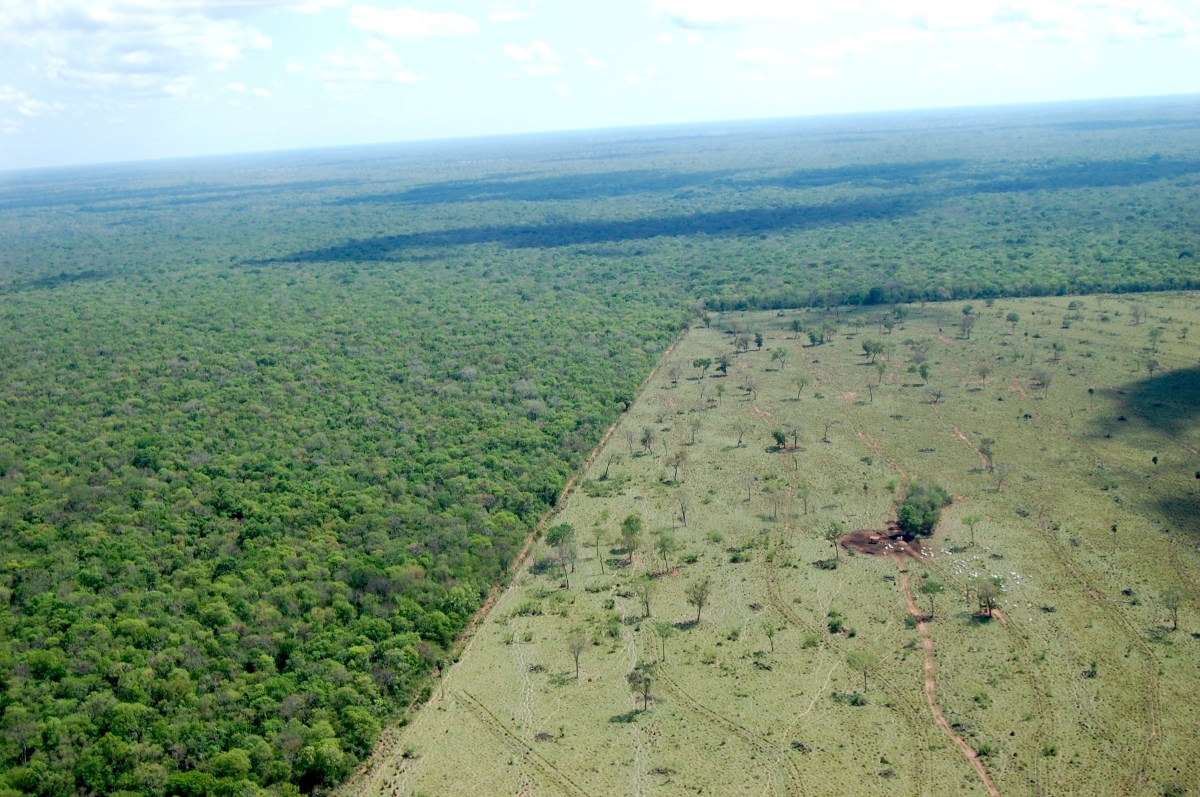
Environmental and human rights violations may have been committed as a result of one of the Amazon rainforest most gigantic and ambitious infrastructure projects, the reconstruction of BR-319 highway, a stretch of 830 km, connecting the ‘arc of deforestation’ in the southern Amazon to the capital, Manaus.

There are many national and international supporters and financiers with hidden interests behind the reconstruction of this extensive highway project, including a Russian state-owned oil and gas company, a bioenergy company, ‘ruralistas’ (large land-holders and their representatives), illegal miners and loggers, investors, politicians, the government, and many more. Their motivation is driven by profit and power, no matter how much it costs.

The Amazon rainforest plays a key role in controlling both South America’s rainfall and global climate. In addition, the rainforest is home to a third of the world’s biodiversity and a wide variety of indigenous people.

The rainforest has lost more than 830,000 sq km, corresponding to 21% of the forest and roughly 17% is already degraded.

According to Carlos Nobre, renowned earth system scientist, the Amazon rainforest, one of the most biodiverse places on earth, is on the edge of the precipice, showing clear signs of destruction and perilously close to a tipping point of irreversible collapse, triggered by deforestation, degradation, forest fires, logging, illegal cattle ranching, mining, and oil and gas developments.

BR-319 connects Manaus, in central Amazon, to Porto Velho, in the “arc of deforestation”, on the southern edge of the forest. The highway is a free path to illegal side roads in areas of large concentration of indigenous land, legal reserves and conservation units, giving illegal miners, loggers, squatters and land grabbers access to untouched forest.

As a consequence, these invaders are bringing a wave of destruction, instability, pollution, violence, disease, decay and death to the communities and the environment around them.

The highway was inaugurated in March 1976, during the military dictatorship and under the government of General Ernesto Geisel, and abandoned in 1988. In 2015, Dilma Roussef’s (Labour party) government proposed reopening BR-319.

“BR-319 cuts through one of the most conserved blocks of the forest where it contains an enormous stock of carbon. This project is a threat to 63 indigenous lands and 18,000 indigenous people, not to mention the environment and biodiversity”, said ecologist and researcher, Lucas Ferrante, during our interview this month.

According to Ferrante, who took part of a study published at the Die Erde – Journal of the Geographic Society of Berlin, neither environmental studies nor consultation with indigenous peoples were carried out for some sections of the highway, as established by ILO Convention 169.

Ferrante published various academic studies independently and conjointly with Philip Martin Fearnside, a researcher at the National Institute for Research in the Amazon (Inpa) and Nobel Peace Prize winner (2007), on the impacts the BR-319 project will bring to the Amazon, the environment, indigenous communities and the world.

The reconstruction of BR-319 does not have an economic feasibility study (EVTEA). Independent studies show that for every R$1,00 spent on the highway, the ROI is only R$0,33, mentioned Ferrante.

The main transport route used has always been via the Madeira River, making it a cheaper and safer way to transport goods. In his view, the highway project would be a huge social, economic and ecological disaster.

A study published at the Environmental Conservation, indicates that Brazil could lose more than US$1 billion a year in agricultural production if deforestation in the Amazon region is not contained.

“We have already identified that the Amazon rainforest has passed its tolerated limit of deforestation. The flying rivers that supply the south and southeastern regions of Brazil are already compromised, including an area of the arc of deforestation, corroborating changes and climate events within the country, even affecting agribusiness”, said Ferrante.

According to Ferrante and various studies, one additional topic of great concern, as exploitation of indigenous lands increases, is the risk of new pandemics. The Amazon rainforest is considered a possible source of the next pandemic, as deforestation offers opportunities for disease agents from the region’s large reservoir of different types of coronavirus and various other pathogens to jump into the human population.

The Amazon interior has a precarious healthcare system, making the surge of a new pandemic originating in this region extremely difficult to identify and contain.

Supporters

Photo 120282222 © Arseniy Rogov | Dreamstime.com


A company with many interests in supporting the reconstruction of BR-319 is Russian state-owned Rosneft, one of the largest oil and gas companies in the world.

Rosneft’s CEO, Igor Sechin, is considered to be the second most powerful man in Russia after Putin. In February 2022, just before Russia invaded Ukraine, Bolsonaro travelled to Russia to meet with Putin to discuss a possible energy partnership.

BR-319 highway gives access to AM-366, a planned state highway that passes through the first drilling blocks of “Solimoes Sedimentary Basin” project for oil and gas extraction, an area larger than the state of California. Rosfnet bought 16 blocks in this area.

This is a project of huge concern, as questions are raised about how much influence Rosneft may have on the government’s policies and decisions on the reconstruction of this highway, as well as the impact it may have on the local communities and the environment.

Millenium Bioenergia is another strong supporter of BR-319 reconstruction project. A bioenergy company formed in 2014 by mill owners from São Paulo and grain producers from the Midwest, the company’s initial focus was the production of biofuels. However, the company decided to partner with the indigenous communities to produce corn, chicken, fish and pigs in a confined system. This is the perfect recipe to trigger new pandemics as a result of zoonotic leaps due to environmental degradation.

In the states of Amazonas and Roraima, their goal is to produce biofuels from monocultures in indigenous lands and other communities. According to their plan, indigenous people and communities would carry out these activities with unpaid work or, as one would openly describe it, slave labour. These products would then be exported to Asia, Europe and the United States.

According to a study published by Springer, Millenium has not honoured its obligation to carry out environmental studies that are legally required for the installation of an industry. Instead, they have proposed the building of a hospital for the indigenous people as a form of compensation.

The government’s ‘death agenda’ includes abolishing the legal reserves and opening conservation units and indigenous lands to mining, agriculture and ranching.

Jair Bolsonaro’s government, with the full support of ‘ruralistas’, has intentionally weakened the country’s environmental agencies and forest code, also denying the existence of climate change.

They have reduced protected areas, cut government funds for environmental protection, weakened the systems for monitoring and combating environmental crimes, approved 1682 new pesticides, leaving an open door to pollution, deforestation, violence, crime and devastation across the region and communities in the Amazon and the rest of the country.  

Politicians in Manaus and across the country claim that BR-319 would be a “model of sustainability for the world”, but indications and studies carried out so far suggest otherwise. They follow the same rhetoric, stating the highway is a symbol of progress and sovereignty, and that the Amazon rainforest belongs to Brazil, no foreign interference should be allowed.

Violence & Crime

Photo 245527759 / Amazon Indian Brazil © J Brarymi | Dreamstime.com


BR-319 has brought crime and violence to this region by illegal miners, loggers, squatters and land grabbers, threatening to kill anyone who refuses to comply with their rules.

According to Ferrante, the highway also attracted criminal gangs and organised crime to the area, with the full participation of high scale politicians.

There are countless national and international organisations financing illegal mining associated with drug and illegal arms trafficking. Organised crime has exploded and taken over the Amazon rainforest.

Bolsonaro’s gun law, the CAC (Collectors, Snipers and Hunters) license, allows Brazilians to purchase a wide variety of guns if they have no criminal record, are registered with a shooting club, and can demonstrate proficiency with a firearm.

The loosening of firearms restrictions law is creating new mechanisms for criminal groups to purchase weapons legally, consequently increasing violence in the Amazon and Brazil.

Another issue of concern is the maintenance of clandestine airstrips, mainly for mining and also serving organised crime.

According to information obtained by The Intercept, the Pulitzer Center and Earthrise Media, there are 362 clandestine airstrips, without registration with Anac, the National Aviation Agency, in the Legal Amazon. But this number almost triples, if you consider the runways open without authorisation and registration, amounting to at least 1,269 landing and takeoff lanes.

Indigenous and traditional communities are also victims of constant violent verbal and physical threats, sometimes ending in fatalities, but they are not the only ones.

Ferrante, a scientist who has spent many years exposing the situation in the region by publishing his studies in academic journals, was faced with various threats and violence against his own life.

He received countless death threats by anonymous calls and text. A “fake” Uber driver told Ferrante he should keep quiet because he was interfering in national security matters. Chemicals thrown into his home’s water system also poisoned him. Ferrante was terrified and withdrawn, unable to go out for a few months.

There is not doubt the BR-319 reconstruction project will impact local traditional and indigenous communities, as well as the environment, biodiversity and climate change, with very serious consequences to Brazil the rest of the world.

National and International Players

Photo 12998338 © Alain Lacroix | Dreamstime.com

Brazil is the world’s largest exporter of beef and soy, which are the two commodities responsible for 90% the Amazon rainforest deforestation. Research shows that 70% of the chopped down Amazon is populated by cattle.

It’s essential to understand that the reconstruction of BR-319 highway has a national as well as an international long list of powerful supporters defending their own interests.

Agribusiness Watch report reveals that international banks and funds are financing Brazil’s agribusiness lobby in the country, including JP Morgan Chase, BlackRock, and Bank of America, each having invested US$1 billion in livestock. American International Group, AIG and Citigroup are also provider of funds to Brazilian agribusiness companies.

European investors include Allianz and Deutsche Bank, Barclays, Standard Chartered, BBVA, Santander, BNP Paribas, ABN-Amro and Rabobank, among others, have invested $4.5 billion in IPA companies, part of Instituto Pensar Agro, supporting FPA (Agricultural Parliamentary Front) and responsible for a package of anti-environmental measures being considered in the Brazilian Congress.

The report also lists various companies, including JBS, Suzano, Marfrig, ADM and Cargill that use their influence in Brazilian politics against the interests of environmental policies and indigenous groups.

Brazilian banks financing the agribusiness sector include BTG Pactual, Safra, Verde Asset Management, Vinci Partners, and XP Investimentos, maintaining bonds estimated at US$ 9.3 billion.

According to De Olho nos Ruralistas, in 2019, Agribusiness Watch revealed some of the multinationals that were affiliated by associations that maintain the IPA (Instituto Pensar Agro): Bayer, Basf and Syngenta, Cargill, Bunge, ADM and Louis Dreyfus; JBS, Marfrig, Nestlé and Danone.

During Bolsonaro’s administration, agribusiness companies met 278 times with government officials of MAPA, the Ministry of Agriculture, Livestock and Supply. Part of the agenda was the relaxation of rules for pesticides.

There’s no doubt that the reconstruction of BR-319 will benefit most of the above mentioned players, who continuously support and invest in the agribusiness sector in Brazil, including banks, agrochemical companies, governments, politicians and corporations, in Brazil and abroad.

The same can’t be said about the environment, climate change, local traditional and indigenous communities and the entire world population, who will pay a hefty price for these callous actions.

The Road Ahead
Photo 179525881
 © Mariusz Prusaczyk | Dreamstime.com


This is a decisive political moment for Brazil and the world, as the second term of the presidential elections draws to a close at the end of October and Brazilians will be choosing their next president, Jair Bolsonaro or Luiz Inácio Lula da Silva (Lula), both battling for the pole position.

Ferrante mentioned what may happen if Lula is elected Brazil’s next president:

“I was present during Lula’s statement during his visit to Manaus in September 2022, when he mentioned that he will choose three major infrastructure projects for each state in Brazil, mainly roads, which means the BR-319 highway project may be on the top of his list. He explicitly said that he isn’t against the highway, but the environmental rites and the consultation of indigenous peoples must be followed”,

“The BR-319 highway project is at a very advanced stage. We urgently need the suspension of the maintenance license, pending appropriate studies and consultations with indigenous peoples. It is necessary to create a task force to supervise the actions of INCRA, the National Institute for Colonisation and Agrarian Reform and the Ministry of the Economy, as they continuously try to legalise these lands”, added Ferrante.

When asked about the message he has to the international community, Ferrante replied:

“Countries that import commodities from Brazil need to review their trade agreements, mainly for meat, soy, ores, biofuels and now oil and its derivatives that come from the Amazon, extracted by Rosfnet. Brazilian agribusiness has become a threat to the Amazon, to traditional peoples and to the global climate”,

He added:

“All countries in the world need to turn their eyes to what is happening in the Amazon now, especially on the BR-319 highway. This is a matter for the world to discuss because the consequences of this highway are global, including new pandemic outbreaks and accelerating climate change that is already causing waves of heat leading to mortality in Europe. The environmental damage caused here exceeds the borders of Brazil and should be monitored by the whole world”.

Photo 106303117 / Amazon Rainforest Indigenous © Vkilikov | Dreamstime.com

“The New Kids On The Block”: Conservative Media Platforms Getting Cosy in Brazil

Monica Piccinini

2 Dec 2021

A group of a few players purported to be at the centre of the global political misinformation machine seems to be in full power, with their next target already being established, Brazil.

There is a deeply concerning discontent with democracy and globalization in many countries around the world, which has created an opportunity for these ravenous players, including social media platforms, to cause havoc by disseminating misinformation, creating hatred, polarisation, and spreading their radical and extremist ideas. Their constant search for power, profit and dominance is insatiable and they will apparently stop at nothing!

Steve Bannon, persona non grata, former Donald Trump’s chief strategist and close friends with the Bolsonaro’s, Brazil’s president, Jair Bolsonaro, and his son, Eduardo Bolsonaro, is a familiar face and one of the main characters of these devious games being played in worldwide politics. Bannon has both his eyes fixed on Brazil, the world’s sixth-largest nation with over 212 million people, and a land of real opportunities.  

In August 2021, Eduardo Bolsonaro attended a voting machine symposium in Washington DC, hosted by Bannon, where he declared that “Bolsonaro will win (the reelection in 2022), unless it’s stolen by, guess what, the (voting) machines”.  Does that sound familiar?

Bannon is not the only one focused on Brazil. The US former president, Donald Trump, Bolsonaro’s “should have been twin brother”, has already made plans on setting up his framework in the country by supporting Bolsonaro’s bid for re-election in 2022 at all costs, and by building his own social media platform in Brazil, competing with the new kids on the block, Parler, Gettr and Gab. Trump’s new social network will be partially financed by a Brazilian congressman and royalty, Luiz Phillipe de Orleans e Bragança.

Manipulative Mechanisms and Players

Bannon is a disturbing and crafty individual. He was initially associated with Breitbart News, an American far-right platform founded by Andrew Breitbart in 2007, along with the Mercer family, who were key financial benefactors. Following Andrew Breitbart’s death, Steve Bannon became executive chairman and Larry Solov became CEO.

Breitbart News content is considered to be misogynistic, racist and xenophobic, publishing a number of conspiracy theories and spreading misinformation. It was also a platform for Donald Trump supporters during the 2016 presidential campaign. On August 2016, Bannon stepped down from his role as executive chairman.

In July 2020, Breitbart News livestreamed a video featuring America’s Frontline Doctors making suspicious claims to Covid and hydroxychloroquine as a cure.

It is worth remembering that Bannon’s tentacles have spread deep and far during the interference and manipulation of world-wide election campaigns by Cambridge Analytica in the US, in the UK with the “Leave” campaign (Brexit), in Brazil, amongst many other countries.

Bannon is former vice president and board member of Cambridge Analytica, a company that provided data analytics to government and military organisations. The company was known for being backed by right-wing millionaire, Robert Mercer, Rebekah Mercer’s father, also a Donald Trump’s supporter.

CA declared bankruptcy after harvesting personal data of over 78 million Facebook users without their consent. In 2019, CA was acquired by a holding company, Emerdata, which currently has 4 active directors: Rebekah Mercer, Jennifer Mercer, Jacquelyn James-Varga and Gary Ka Chun Tiu.

Bannon understands very well how to manipulate the mainstream outlets. He joined forces with Chinese dissident Guo Wengui, also known as Miles Kwok, an exiled Chinese billionaire. Guo owns G News (Guo Media) and co-founded GTV Media Group with Steve Bannon in 2020.

“Please do not take your children to get vaccinated anymore. It is not about getting a shot that simple but equivalent to murder”, Guo said in a translated video posted at Gettr in September 2021. “Those who were vaccinated might face an unpredicted severe consequence”, he added.

Guo is one of the key orchestrators of the misinformation network also promoting the use of unproven Covid treatments, such as invermectin, artemisin, hydrochloroquine, dexamethasone, oxytetracycline, amongst other medications.

This is perhaps a reminder of the MMR autism fraud, driven by British doctor and anti-vax activist Andrew Wakefield in the 1970’s. Wakefield’s intention, similar to a majority of players, was financially driven, as he planned on developing a replacement vaccine for MMR as well as testing kits that would let doctors diagnose autistic entercolitis.

Trump, Guo and Bolsonaro seemed to have followed Wakefield’s footsteps when deciding to promote a set of unproven drugs in the early treatment of Covid. The similarities are astonishing.

Bolsonaro insists on promoting these cheap drugs to his nearly 40 million social media followers. His government has spent millions of dollars producing, purchasing and promoting drugs such as ivermectin, chloroquine and antibiotic azithromycin, as well as anticoagulants, painkillers and vitamins. Brazil’s Ministry of Health, along with a large number of doctors, endorsed the use of these drugs to treat Covid, even though they have no proof to be effective.

Conservative Social Networks Gaining Power

Since Trump was blocked from Facebook, YouTube and Twitter, and his loyal friend Bolsonaro was cracked down for falsely suggesting coronavirus vaccines could cause AIDS, along with many others for spreading misinformation and disturbing content, the need for alternative platforms was set out. Since then, Bolsonaro has been directing his supporters to follow him on platforms such as Gettr and Parler.

Launched in July 2021, founded by Jason Miller, former Donald Trump’s aid and spokesman, and partly funded by Guo Wengui, Gettr is a platform with extreme content, including the promotion of extremist groups like the far-right Proud Boys, anti-Semitism, racism, and terrorist propaganda.

Brazil is Gettr’s second largest market after the United States and extremely popular amongst Bolsonaro’s supporters. Miller mentioned that having the presence of Jair Bolsonaro and his son Eduardo on the platform, gave Gettr a big boost, reaching over 500,000 Brazilian users. Miller said that the company has plans to expand even further, launching an advertising campaign that will target Brazil and other countries.

Another player with concerning methods and ideas wishing to expand in Brazil is James O’Keefe, a self-professed progressive radical, leader of Project Veritas, a conservative American far-right organisation that is ideologically driven.

PV is known for running questionable operations that goes against standard journalistic practice by employing people who mask their identities or create fake ones to infiltrate target organisations. The company has produced and edited videos using secret recordings to discredit mainstream media groups and spreading misinformation.

The list goes on. The “First Lady of the Alt-Right”, as Rebekah Mercer is called, daughter of American billionaire Robert Mercer, Republican political donor (contributed US$ 25 million to the 2016 US election), co-owner of Breitbart News, investor of Cambridge Analytica, one of the active directors of Emerdata, is a funder and co-founder of social networking service Parler.

Parler has a user base of Donald Trump supporters, conspiracy theorists such as QAnon followers and far-right extremists. Reports suggest Parler was used to coordinate the 2021 storming of the US Capitol.

The platform was launched in August 2018 and founded by John Metze, who was executive director until January 2021. British conservative, Oxford University graduate, hedge fund employee and former candidate and financial supporter of the Brexit Party, George Farmer, is currently the company’s CEO.

Bolsonaro joined Parler in July 2020 after Twitter removed some of his posts alleging he was responsible for spreading misinformation related to Covid. His son, Eduardo, also endorsed the network, leading to a significant increase in sign ups to the platform. Like Gettr, Parler said that Brazil is also its second largest market after the US.

“Ya my comment is ‘God bless Jair Bolsonaro and Jesus Christ is King.’ No further comment., said Andrew Torba, Gab’s CEO, another right-wing social media network.

Torba’s plan is to build an alternative network platform free from censorship, government influence and power of Silicon Valley. But Gab has become a platform that spreads misinformation about vaccines and Covid restrictions, violence, bigotry, racism and hatred. On October 2018, a Gab user posted violent and anti-Semitic comments and then murdered 11 people in a synagogue in Pittsburg.

The sudden interest of conservative social networking platforms in exploiting and investing in Brazil is no coincidence and comes at the perfect time, as the 2022 election approaches and Bolsonaro is using all ammunition he can to stay in power, no matter what.

There are serious consequences to how things play out in Brazil in the next year, all linked to how external forces decide to play; how much support is given; and how well they manage to manipulate the situation to their benefit.

The Brazilian populous can only hope things do not get out of control and the situation doesn’t become irreversible. If this dark future materialises, it won’t be just the weakest and most vulnerable that will have to bear a hefty price, instead, the majority of Brazilians will have to face some serious consequences.

Humanity’s Historical Ties with Eugenics

Monica Piccinini

10 Aug 2021

In recent years, the world and its leading nation states, appear to have experienced a fundamental change in social thinking. Evidenced by the reversal of globalisation towards isolationism, the move away from political leadership towards populism, and the move away from truth towards the mass use of mis-information for political gain, control and power.

With these changes in social thinking, major democracies have seen the worrying rise of a series of consequential symptoms:  the far-right movement, white supremacy, widespread use of misinformation, discrimination, xenophobia, inequality, misogyny, homophobia, extremism, racism, denialism, and violence.

Is this fundamental change something new in society, or is it itself the result of actions and belief systems that originated in the distant past? An outstanding 2019 documentary on BBC4, “Eugenics: Science’s Greatest Scandal”, presented by science journalist and author, Angela Saini, and actor, presenter and activist, Adam Pearson, inspired my to write this piece.

Socially good intentions or not?

Eugenics (the word originated from the Greek for ‘good stock’ or ‘well born’), the term first used to describe a movement by Francis Galton, the British explorer and natural scientist, around the 1870’s, is the practice or advocacy of controlled selective breeding of human populations to improve the population’s genetic composition. It encouraged the most valuable people in society to procreate and discouraged it in those it considered less fit.

The world has perhaps unwittingly experienced ‘Eugenic’ ideals throughout its past 150-year history, with Eugenics featuring in some of the world’s most horrific historic events.

It appears that Eugenics continues to have an influence on policies being created by governments today and even more concerning is its resurgence within certain aspects of the scientific community.  Combined with recent technological advances in genetic science, the effects on the future of mankind could be both dramatic and irreversible.

Francis Galton, a cousin of Charles Darwin, was a superb statistician (he discovered correlation and regression to the mean), also having contributed in the fields of meteorology, anthropology, geology, biology, psychology and psychometrics. He was highly inspired by Darwin’s “The Origin of Species” (1859) and dedicated his work into the study of inherited traits in human society. In Galton’s view, the best babies came from the intelligent and good-looking people.

It’s hard to know whether Galton’s work was malevolent at its core, however, eugenics laid the foundation for one of the world’s most horrific historic chapters, the Nazi genocidal project and sterilization programs across the world, as well as euthanasia programs and Aktion T4, colonialism, mass murder and racial oppression.

Recently, University College London (UCL) apologised publicly for having had a role in promoting eugenics in the past by having links to eugenicists like Galton. Francis Galton funded a professorship in eugenics at the university, the Francis Galton’s Laboratory for National Eugenics, where the focus was not only on disability, but also on race.

According to a recent Reuters report, the state of California has agreed to compensate all the citizens who were forcibly sterilized under old laws, aimed at people who were deemed unfit to have children between 1909 and 1979.

Atrocities influenced by eugenicists like Galton were committed around the world. In the early 1900’s, Germany’s imperial forces, called Schutztruppe, murdered around 80,000 indigenous people (Herero and Nama) in Southwest Africa (Namibia today), one of the first genocides of the 20th century. Medical experiments were performed where people were injected with tuberculosis and smallpox, and decapitated skulls were measured.

Galton’s protégé, Professor Karl Pearson, was an English mathematician and biostatistician and the first chair of national eugenics after Galton died. He was an anti-Semite and considered the Jewish population as physically and mentally inferior, and that the solution to the decay of the British population was to stop the Jewish immigration.

“If you want to know whether the lower races of man can evolve a higher type, I fear the only course is to leave them to fight it out among themselves, and even then the struggle for existence between individual and individual, between tribe and tribe, may not be supported by that physical selection due to a particular climate on which probably so much of the Aryan’s success depended.” – Karl Pearson (1901).

In 1910, Winston Churchill became Britain’s secretary of state and was also considered a strong eugenics advocate.

“I do not admit for instance, that a great wrong has been done to the Red Indians of America or the black people of Australia. I do not admit that a wrong has been done to these people by the fact that a stronger race, a higher-grade race, a more worldly wise race to put it that way, has come in and taken their place”, Churchill’s words in 1937 to the Palestine Royal Commission.

It’s interesting to point out that eugenics is still reflected in some parts of society today. One example of this is the 11-plus exams still being used in some English schools and a product of Cyril Burt’s work. Burt was an educational psychologist and professor at UCL, worked very closely with the British government. He believed that intelligence was innate and that children from rich parents scored better than poor children was mainly because their parents were more intelligent.

To this day, some schools in the UK still perform the 11-plus testing regime, a harsh and unfair experience for students aged as young as 11 and 12, and the results can be traumatic, as some of the students who do not perform well are asked to move schools.

Another famous name to enter the eugenics list was the well-known Marie Stopes, a feminist, author, women’s rights campaigner and trained paleobotonist. She opened Britain’s first birth control clinic. Stopes was also a eugenicist and advocate for controlled selective breeding, calling for the “hopelessly rotten and racially diseased” to be sterilised and opposed inter-racial marriage.

Stopes was married to Reginald Ruggles Gates, a Canadian anthropologist, botanist, geneticist and eugenicist, obsessed with skin colour. Gates believed African-Americans to be a mentally inferior race and that racial intermarriage was the cause of some disabilities.

Eugenics also influenced many sterilisation programs across the world. After WWII, sterilisation policies were carried out in many countries in order to improve racial purity. In 1975, pressured by the American government (Lyndon B. Johnson), Indian prime minister Indira Gandhi, with the help of her son Sanjay, embarked on a mass sterilisation program, considered as one of the most troubling human rights violation the country has ever experienced. As a result, by 1977, over 8 million people in India were sterilised.

Some politicians, scientists and academics across the world continue to value and support the eugenics thinking. In 1974, British senior conservative politician, Keith Joseph, said in a speech, “the balance of our population, our human stock is threatened”, meaning the poor were breeding too fast, and the danger was they were going to swamp everyone else.

“If we are not prepared to predict and intervene far more early then there are children who are growing up, in families which we know are dysfunctional, then the kids a few years down the line are going to be a menace to society”, said Tony Blair, Britain’s former prime minister.

In the UK, there are growing fears about new legislation being put in place after Brexit. An example of this is the recently introduced bill that would allow authorities to criminally prosecute and jail asylum seekers who are intercepted trying to enter the United Kingdom without permission for up to five years.

Many other countries across the world have supported and adopted the eugenics thinking, including Brazil. In the first half of the 20th century, Brazil debated on sterilisation of the “undesirables” to improve the race. Brazil did not pass any sterilisation law, however, in the 1920’s and 1030’s discussions on the subject were amongst doctors, intellectuals, politicians and eugenicists. During Getúlio Vargas government, new immigration policies were approved, preventing the entry of immigrants considered racially inferior. A sterilisation program was never implemented in Brazil, as it was considered a violation of the strong catholic tradition in the country.

Recently, in an audio broadcast, a professor at the faculty of medicine at Federal University of São Paulo, Unifesp, mentioned that blacks and indigenous people were “culturally backward”, trying to explain the notion of pure race.

The GM Designer Babies…

As genetic science technology advances, doors may be open to new forms of high tech eugenics through human genome editing, like CRISPR (the technique that enables precise DNA editing developed by scientists Emmanuelle Charpentier and Jennifer A Doudna in 2012). This would create a non-accepting and more discriminatory society. The 1997 movie “Gattaca” exposed glimpses of what our world could look like if we take the wrong steps towards genetic modification, which will divide humanity against itself.

Nowadays, one has the option to select embryos without a faulty gene and implant it in the mother’s womb. Pre-implantation Genetic Diagnosis, PGD, is a technique that involves testing cell(s) from embryos created outside the body by IVF for a genetic disorder. Tests are carried out for the specific disorder that the embryos are known to be at significant risk of inheriting.

CRISPR pioneer and Nobel laureate Jennifer Doudna said in her book on the subject of genome editing, “the power to control our species genetic future is awesome and terrifying. Deciding how to handle it may be the biggest challenge we have ever faced”Doudna carried on saying, “we don’t have the ability to control the editing outcomes in a way that would be safe in embryos right now… It is very difficult to know how those edits will in fact affect the health outcomes of these kids“.

The World Health Organisation has recently released two new reports providing recommendations to help establish human genome editing as a tool for public health, with emphasis on safety, effectiveness and ethics.

“Human genome editing has the potential to advance our ability to treat and cure disease, but the full impact will only be realised if we deploy it for the benefit of all people, instead of fueling more health inequity between and within countries”, mentioned Dr. Tedros Adhanom Ghebreyesus, WHO Director-General.

According to Stop Designer Babies, WHO’s reports on human genome editing spend many words to say nothing concrete and fail to recommend the obvious solution to the risks of unregulated creation of GM designer babies. The obvious solution, according to SDB, would be to ban on human germline genetic engineering altogether. Editing the human genome can lead to unintended consequences and can lead to an even more divided and unfair society.

In 2018, one specific event shocked the world when Chinese scientist He Jiankui announced he had altered the DNA of twin babies with the intent to prevent them from catching HIV. The result was Lulu and Nana, born not immune to HIV. Instead, they were both accidently given versions of CCR5 that are made up and do not exist in any other human genome in the world. Their genetic changes are still heritable and could be passed on to their children. Jiankui also broke the law by forging documents and misleading the babies’ parents about the risks involved. He Jiankui was sentenced to three years in jail for conducting “illegal medical practices”.

Clear signs of worldwide social, economic and political instability and division show that, as a society, we are swimming into very dangerous waters. The Covid-19 pandemic has only exacerbated existing issues in our society. Countries have retracted, adopting protectionist views and a colonial mentality, therefore creating more walls and discrimination.

It is essential for our society to embrace a compassionate, fair and ethical approach to decisions being made on how we are born as well as how we live our lives. There is an urgent need for a legislative framework to be set up by world leaders, with the objective to protect the most vulnerable ones in our society. We must make sure we do not commit the terrible crimes and mistakes made in the past. This will define the future of humanity.

Brazil’s History Repeating Itself?

Monica Piccinini

30 Apr 2021

It is 1978 in beautiful sunny coastal city of Praia da Costa, southeastern Brazil, and President Geisel is in town. This is my very first memory as a child of Brazilian politics and dictatorship.

My mother grabs my hand, in the same way other mothers grabbed the hands of their children, and we all were rushed to the main city road.  One hand in our mother’s hand, the other waving a Brazilian flag frantically as Geisel passes by in his uniform followed by his entourage.

Unknown to us at the time, we were not only waving flags at Geisel, we were waving away our rights and accepting the unacceptable.  Many unaware of the conditions we were forced to live in. The 70’s was a turbulent time in the country, a time of restricted public liberties and violation of human rights, a culture of fear and repression, enforced on the population by a military junta.

Little did we know that Brazil would continue to be governed by the armed forces for seven more years.

Ernesto Geisel, an army general, President during the dictatorship, from 1974 to 1978, has been accused of authorising the torture, murder and disappearance of political prisoners. This information was included in a memo written in 1974 and released in 2018 by the director of the CIA, William Colby, addressed to Henry Kissinger, US secretary of state.  

In 1975, the death of journalist Vladimir Herzog, director-in-charge of the department at TV Cultura in São Paulo and culture editor for Visão magazine, marked a period of revolt in the country. Herzog was found dead by hanging in one of the cells of the Operations Centre for Internal Defense, known as DOI-CODI. Additionally, there were reports by the press about the disappearance and execution of countless members of the Brazilian Communist Party (PCB), and whoever opposed the regime.

In 2014, a final report was presented holding 377 people responsible for the crimes committed during the military regime, including 5 presidents.

According to a recent report published by Human Rights Watch, in May 2020, a federal court dismissed charges against people involved in the torture and killing of journalist Vladimir Herzog.

The criminals of human rights abuses from 1964 to 1985 dictatorship have been protected from justice by a 1979 amnesty law that the Supreme Court upheld in 2010, violating Brazil’s obligation under international law. Since 2010, federal prosecutors have charged about 60 former agents of the dictatorship with killings, kidnappings, among other crimes. Lower courts have dismissed most cases.

Memories of the dictatorship are still fresh and have not been forgotten by most Brazilians who lived during these unnerving, distressing and turbulent years. At the same time, Brazilians now have as a leader President Jair Bolsonaro, former military, who has repeatedly praised the dictatorship.

Bolsonaro has sought to minimise human rights violations during the years of dictatorship and has spread “misinformation” about the military regime, according to 5 United Nations rapporteurs.

Human rights have been violated in many areas during Bolsonaro’s administration. Since taking office, Bolsonaro, his allies, and government officials have been accused of lashing out at reporters over 400 times. In one instance, the federal police was asked by the government to investigate presumed defamation by two journalists and a cartoonist who criticised the president.

It is no secret the fact that Bolsonaro’s government has weakened environmental laws in Brazil, having transferred the responsibility for leading anti-deforestation efforts in the Amazon from environmental agencies to the armed forces. He also accused indigenous people and NGO’s of being responsible for the destruction of the rainforest, without any proof. Furthermore, the government also gave green light to criminal organisations engaging in illegal deforestation in the Amazon, who used intimidation and violence against forest defenders.

According to Human Rights Watch, the Bolsonaro administration has sabotaged environmental law enforcement agencies, falsely accused civil society organizations of environmental crimes, and undermined Indigenous rights. These policies have contributed to soaring deforestation rates in the Brazilian Amazon, an ecosystem vital for containing climate change.

Another point of concern is the recently sharp increase of violence in Brazil. In 2019, police killed a staggering 6,357 people, 80% of them were Black, one of the highest rates of police killings in the world. Police killings rose 6% in the first half of 2020 and homicides rose 7% during the same period.

According to the Human Rights Watch report, Bolsonaro’s government has also been accused of violating women’s and girl’s rights, environmental rights, sexual orientation and gender identity rights, migrants, refugees and asylum seekers rights, disability and children’s rights, amongst many others.

It is grim when one looks back in history and realises that Brazil remains a society of masters and slaves, continuously failing to invest in health, education, and tackle systemic corruption. Many other important issues, such as civil rights, discrimination, inequality, social justice, socioeconomic exclusion, political participation and environmental degradation continue to be deprioritised.

Examples from today and recent history should be a constant reminder that, unless the rotten trees are removed from their roots, the disease will continue to resurface and spread freely every four years for a very long time to come.

Brazil’s Looming Covid-19 Mutant Storm

Monica Piccinini

26 Apr 2021

Brazil’s tragic and growing covid-19 death toll is second only to the United States, according to Our World in Data, with the total number of lives lost to covid-19 close to 400,000. In terms of confirmed cases, Brazil ranks third globally, only behind the USA and India. 

Brazil faces the perfect storm of a unique combination of mutations and a Covid-19 denier President.

President Jair Bolsonaro criticized governors who took restrictive measures to try to contain the spread of the covid-19 in Brazil.

“The time is coming for Brazil to give a new cry for independence. Because we cannot admit that some pseudo-governors want to impose the dictatorship among you using the virus to subdue you, ” he said at an event in Bahia this week.

Bolsonaro has refused to promote mask wearing, defended the use of ineffective drugs such as chloroquine and invermectin.  He has rejected lockdown and self-distancing measures in order to curb the spread of the virus and failing to develop vaccination strategy in the country.

This has led to a health system that is totally overwhelmed. In many areas, ICU beds are no longer available and many people have died waiting days and even a week for a bed. There are so many dead that they are not being prepared properly for burial.

The situation in Brazil is beyond desperate, without a solution in sight and with no apparent desire from federal government to address the issues.  Hospitals are overcrowded and at their limits, with ICU bed occupancy rate having reached its limits across all major states.

It has been recorded the death of a large number of patients who never managed to get an ICU bed, having waited for days on end. One example was mother and daughter in Espírito Santo, both died waiting for an ICU bed for about a week, and this is not an isolated incident.

In Amapá, the exchange of bodies have been reported, as the system is currently unable to cope, leaving families traumatised.  “A room where they simply throw the bodies, because there isn’t even a morgue, all thrown together with the hospital waste, without any preparation. The patient dies, they take him to that room. As it stands, they only take the body and put it in the coffin, ”described the nephew of a victim who died on March 16. 

Brazil’s rampant and uncontrollable increase in infections has worried many experts, researchers and scientists across the world, with the sudden appearance of new strains of the virus, including the one identified recently in Belo Horizonte, which has 18 unknown mutations and similarities with more contagious variants from South Africa, the UK and Manaus.

“Brazil has its doors open to the virus and its mutations. Mutations are expected, as they happen in a random way and are the result of a bigger viral circulation.” Jesem Orellana, researcher and epidemiologist from Fiocruz (Oswaldo Cruz Foundation) explained. “The Federal Government has made countless mistakes, including the lack of governance with no experience of public health and health emergencies and the fact they did not take adequate precautions to contain the virus and made no effort to set out an efficient vaccination plan.”

Fiocruz mentioned that hospital supplies are at a critical level, and health professionals are physically and emotionally exhausted. The current context not only compromises care for cases Covid-19, but also other diseases and conditions, in addition to favor the increase in lack of health care, contributing to for excess mortality.

The scenes at hospitals in Brazil are catastrophic and it could get much worse, with intubation drugs running out in at least 30% of private hospitals across the country. Some hospitals are now having to dilute these drugs in order to make them last. Without these “intubation kits”, the risks involved when removing patients from respiratory support equipment increase considerably, it can be extremely painful and cause further health complications to the patients.

Another serious concern is the death rate amongst children and babies in Brazil. According to the Ministry of Health, between Feb 2020 and March 2021, 852 children up to the age of 9 years old and 518 babies under 1 year old died due to covid-19, but these are conservative numbers due to underreporting, as some doctors are still reluctant to test young children, with general concept that the virus does not affect the younger population.  

Doctor Fatima Marinho, who is also a senior adviser to the international health NGO Vital Strategies, estimates that the virus in fact killed 2,060 children under nine years old, including 1,302 babies.

Hospital Tacchini in Bento Gonçalves, Rio Grande do Sul, reported that in March there was a sharp increase of covid-19 critical patients admitted to their hospital, reaching 160% occupancy in their adult ICU.

When Tacchini was asked about the hospital’s biggest challenge, it pointed out to the management of “intubation kit”. With the scarcity of analgesics, sedatives and neuromuscular blockers in the Brazilian market, the hospital had to import these drugs directly. However, delivery of the cargo is not scheduled until May 15.  So far, they have been supplied with purchases in the national market in very small quantities and sporadic cargo sent by the federal government and distributed by the state government.

So far, none of the 2,000 professionals working at Tacchini Hospital have died from Covid-19 so far, this may be due to very strict measures being adopted by the hospital.

As for immunisation, Fiocruz researchers mentioned that Brazil is still far from the values ​​necessary for the country to have a situation of control. Vaccination in Brazil continues to advance, as the doses are made available. The country has vaccinated 13% of the population over 18 years old with the first dose and 3.68% with the second dose. Researchers from Fiocruz believe that only a national lockdown, with a minimum duration of two weeks, is capable of containing the progress of covid-19 in Brazil.

“There is a need for convergence and integration of the different powers of the Brazilian State (Executive, Legislative and Judiciary), as well as the different levels of government (municipal, state and federal), with the participation of companies, institutions and civil society organisations (of local to national level) to face this very critical and serious moment of the pandemic ”, Fiocruz researchers warn.

Attempts have been made by local governors and mayors in order to contain the spread of the virus by promoting social-distancing, mask-wearing and even local lockdowns.  However, their efforts are thwarted as any actions that restrict the movement of people can only happen if decreed by Bolsonaro, with approval of Congress.

Bolsonaro called governors as “poor” and “petty”, for defending measures in order to contain covid-19. “There is no way for you to live without a job and without an economy. And the mediocre ones lack this vision. São Paulo is a state that has suffered a lot from this”. “We hope that everything will return to normal as soon as possible. Only in this way can Brazil walk on its own legs”, he added.

On April 14, OAB, the Brazilian Bar Association, concluded that the president committed a crime of responsibility, which would lead to an impeachment process, as well as the complaint of a crime against humanity before the International Criminal Court.

Time will tell if the political hierarchy in Brazil have any appetite to remove Bolsonaro.  In the meantime, Brazilians continue to pay a very high price, their own lives, for Bolsonaro’s populist denialistic leadership style. Lessons have not been learned, as he continues to dismiss the pain and the suffering of his own people and ignore the increasing death toll, as the world watches by.

Populist Virus

Monica Piccinini

6 Feb 2021

Is President Jair Bolsonaro’s inadequate response to the COVID19 pandemic, with its resulting horrendous loss of Brazilian lives, a symptom of a much bigger Brazilian virus? 

A virus that has been contaminating Brazilian politics and its social fabric for decades.  The result being an erosion of trust, a belief that everyone is out for themselves, a breakdown of social cohesion, the net effect being the rise of populism.  A wave that Bolsonaro has ridden.

How did an ex-military, far right populist politician with extremist views manage to win the 2018 election in Brazil?

Since his election, Bolsonaro has seemingly actioned a strategy to create a culture of ‘denialism’ across all levels of Brazilian politics and society, a similar approach used by his friend and apparent role model, former US President, Donald J. Trump.  This denialism giving license to deny and set a ‘false truth’, which suits a politician’s own agenda.  In the early 2000’s, the term ‘spin doctor’ was common.  Politicians like Bolsonaro, Trump and many of their followers have taken that term to a new level.  No longer spinning a truth to reflect a different viewpoint, but now actively denying the truth and instead instilling a falsehood.

The start of the social and political virus can be seen in earlier times.  Matias Spektor, Associate Professor and Founder of the School of International Relations at FGV, Fundação Getulio Vargas, believes that perhaps, due to the high incidence of violence that started to rapidly increase in Brazil in 2017, reaching 64,000 homicides that year alone, combined with the lack of belief in a political system that continuously failed to provide good governance, incessant corruption scandals, high degree of inequality, as well as the fact that a newcomer who spoke a language that was reminiscent to a language spoken during the dictatorship (1964-1985) claiming he would end endemic corruption, loosen gun laws, give police force autonomy in order to fight violence, made him an ideal candidate for president at the time. He also mentioned that Bolsonaro may not be the cause of democracy decay in Brazil, but rather a symptom.

Perhaps the very populism that put Bolsonaro in to office in 2018, will be the force that removes him.  The very visible and real effects of the COVID 19 virus may actually cause the end of one strain of the social and political virus that has permeated Brazil for decades.

We can’t forget that 225,000 (as of February 2) Brazilians have lost their lives to Covid-19 so far, the second highest number of deaths in the world, and the numbers keep rising.

Brazil has been facing many crises due to the pandemic and a new covid-19 variant, initially detected in Manaus, and spreading ferociously across the country. Brazilians have a negligent president as a leader, who has constantly refused to take adequate measures in order to contain the spread of covid-19 and protect its population from further unnecessary deaths.

In the past few weeks, across many Brazilian states and across the world, Brazilians have gone out in the streets protesting against Bolsonaro’s leadership and requesting for his impeachment. Bolsonaro and his government may also face charges of genocide and crimes against humanity at the International Criminal Court for the way they handled the pandemic.

Recently, 63 requests for impeachment of the president were presented to Rodrigo Maia, speaker of the Chamber of Deputies, but unfortunately, on February 1, Maia’s last day in office, he took the decision and refused to open an impeachment case against Jair Bolsonaro. Maia was replaced by Arthur Lira, who is one of Bolsonaro’s allies. Lira faces charges of taking bribes in the Car Wash scandal and other probes.

“Jair Bolsonaro has gone beyond all limits and is in no condition to continue governing the destiny of more than 200 million Brazilians. In addition to committing crimes of responsibility since the first day he stepped in the Planalto Palace, the president acts irresponsibly and criminally during the coronavirus crisis “, explains Congresswoman Fernanda Melchionna on her official website and who was present in the impeachment request protocol in the Chamber.

A recent study and investigation by NGO Conectas Derechos Humanos and São Paulo University (USP), obtained by Spanish newspaper EL PAÍS, accuse Jair Bolsonaro of allowing Covid-19 to spread freely across Brazil.

“Our research has revealed the existence of an institutional strategy to spread the virus, promoted by the Brazilian government under the leadership of the President of the Republic.”

According to Luiz Henrique Mandetta, doctor and former health minister, who was dismissed by Bolsonaro in March last year due to a disagreement over the use of chloroquine and action guided by the World Health Organisation’s advice, this new variant could trigger a mega-pandemic in Brazil over the next two months.

“We had a new disease and a system with old problems. I had to protect this system and reorganise within a government environment extremely hostile to any reorganisation initiative,” said Mandetta, recalling that he chose to have direct communication with the population. “As there was no government campaign and the president did the opposite, I started to communicate with society so that it could build a line of defense”, he commented on his disagreements with Jair Bolsonaro.

During an interview at Manhattan Connection in January 27, Mandetta spoke about the five critical crises Brazil has been going through in the last year.

Mandetta mentioned that the first crisis took place when Bolsonaro decided to sabotage the prevention system. He dismissed the danger of covid-19 and called it “the sniffles”. Bolsonaro was firmly against the use of masks and social distancing measures. His refusal to act in order to contain the spread of the virus was an indication of his advocacy to herd immunity. “This is a neurosis. 70% of the population will catch the virus. There is nothing I can do. It’s madness”. Bolsonaro said in May last year.

The second crisis arose when Bolsonaro decided to ally with former US President, Donald Trump, and together they created a narrative with the exact same speech, defending the use of chloroquine, contaminating the treatment policy and undermining preventative measures. Bolsonaro mentions the use of hydroxychloroquine as a treatment for covid-19. His government was betting on the use of this drug to diminish the pandemic in the country, instead of establishing an adequate vaccination strategy.

“I have been talking about the use of hydroxychloroquine in the treatment of covid-19 for 40 days. The use of chloroquine is increasingly found to be effective”, said Bolsonaro outside Planalto Palace last April. Last October, he insisted on the issue saying “In Brazil, if you take chloroquine at the onset of the symptoms, you have 100% cure”.

Mandetta articulated that the lack of a testing system was Brazil’s third crisis. At the end of November, the newspaper “O Estado de S. Paulo” revealed that 7.1 million tests are in the ministry’s warehouse, that is, they were not sent to SUS (Brazil’s health care system) in the middle of a pandemic. Of the total stockpiled, 96% (about 6.86 million units) expired between December 2020 and January 2021.

The fourth crisis hit Brazil when Bolsonaro decided to turn his back on a key solution, a vaccination strategy, joining the anti-vaccine movement. Brazil’s vaccination program has not been short of mishaps and confusion, leaving its population lost and in despair.

Bolsonaro’s government failed to set up an efficient vaccination program, even with the fact that Brazil has a long history of successful vaccination campaigns and its state funded facilities are able to produce and distribute vaccines on a large scale.

According to Pfizer, Bolsonaro’s government missed the opportunity to order 70 million doses of the vaccine back in August with delivery in December 2020.

Astra Zeneca was Brazil’s main choice for its vaccination program. On June 27 2020, Brazil signed and agreement to start manufacturing the 30 million doses of the vaccine locally, by Fiocruz Institute. On August 31, Bolsonaro’s government signed another agreement with Astra Zeneca, this time to produce 100 million doses of the vaccine. On January 22, 2021, Astra Zeneca sent Brazil 2 million doses of the vaccine, sourced in India, as an emergency use.

Fiocruz and Butantan Institutes were expected to manufacture the Pfizer and Sinovac vaccines respectively, but due to lack of the active ingredients needed to make the vaccines, the project has been delayed until February/March 2021. This delay may have been the result of Bolsonaro’s open criticism to China.

On January 17, the National Health Surveillance Agency, Anvisa, authorised the emergency use of both the CoronaVac (developed by Chinese Sinovac in partnership with Butantan Institute) and the Astra Zeneca vaccines in Brazil. CoronaVac was the first covid vaccine shot administered in Brazil in January 17.

In less than one year, Brazil had three health ministers. Luiz Henrique Mandetta, doctor and politician, who trusted WHO guidelines and against the use of chloroquine, was dismissed by Bolsonaro. Nelson Teich, oncologist and health consultant, was appointed to Health Minister soon after his Mandetta’s departure. Teich was in power for less than one month and resigned in May 2020 due to a disagreement with Bolsonaro on topics such as the use of chloroquine and isolation measures.

Eduardo Pazuello, former Army General and no previous health experience, was appointed to health minister. At this point, it was clear that Bolsonaro’s government switched their vaccination strategy, betting on the use of hydroxychloroquine alone to fight Covid-19.

Bolsonaro announced publicly he would not take the vaccine himself and started a misinformation campaign about the vaccine’s terrible side effects.

“At Pfizer, it is very clear in the contract: we are not responsible for any side effects. If you become a chipanz … if you become an alligator, it’s your problem. I’m not going to talk about another animal here, not to mention bullshit. If you become Superman, if a beard is born in a woman or a man starts talking thinly, they have nothing to do with it. Or even worse, tampering with people’s immune systems. How can you compel someone to get a vaccine that has not completed its third trials yet?, said Bolsonaro in December last year.

As of February 1, Brazil vaccinated 2,051.29 million people, approximately 0.5% of the population.

According to Manddetta, the fifth crisis may be about to explode with the new covid variant from Manaus spreading across all states, which may create a “mega-epidemic”.

The recent events of Manaus, where people died asphyxiated due to lack of oxygen supplies and the collapse of the health system, could be replicated across the entire country.  The Ministry of Health pressured the Health Secretariat of Manaus to use anti-viral medications early in the treatment of Covid-19, such as chloroquine, hydroxychloroquine, ivermectin, azithromycin, nitazoxanide, corticoid, zinc, vitamins, anticoagulant, rectal ozone and chlorine dioxide.

“Ladies, gentlemen, there is no other way out: we are no longer discussing whether this professional agrees or not. The federal and regional councils have already positioned themselves, the councils are in favor of early treatment, of clinical diagnosis”, said Pazuello during an interview in Manaus on January 11.

“The treatment must be immediate and the drugs must be made available immediately. The patient needs to take the medication and be accompanied by a doctor, no doubt about it ”, added Pazuello.

There is no question and it is clear that Bolsonaro and his government have failed Brazilians at so many levels, by lack of planning and action, as well as employing a denialism approach to a lethal and highly transmissible virus, which was left to spread freely through the entire population. Bolsonaro and his administration should carry the burden and consequences already visible and felt by most Brazilians. Unfortunately, the man hangs on to his position as fiercely as he can, without any signs of remorse. His decision to sacrifice life over the economy is unacceptable for most and may haunt him for many years to come.