Brazil’s Yanomami and the Rise of Ultra-Processed Foods

Monica Piccinini

11 October 2023

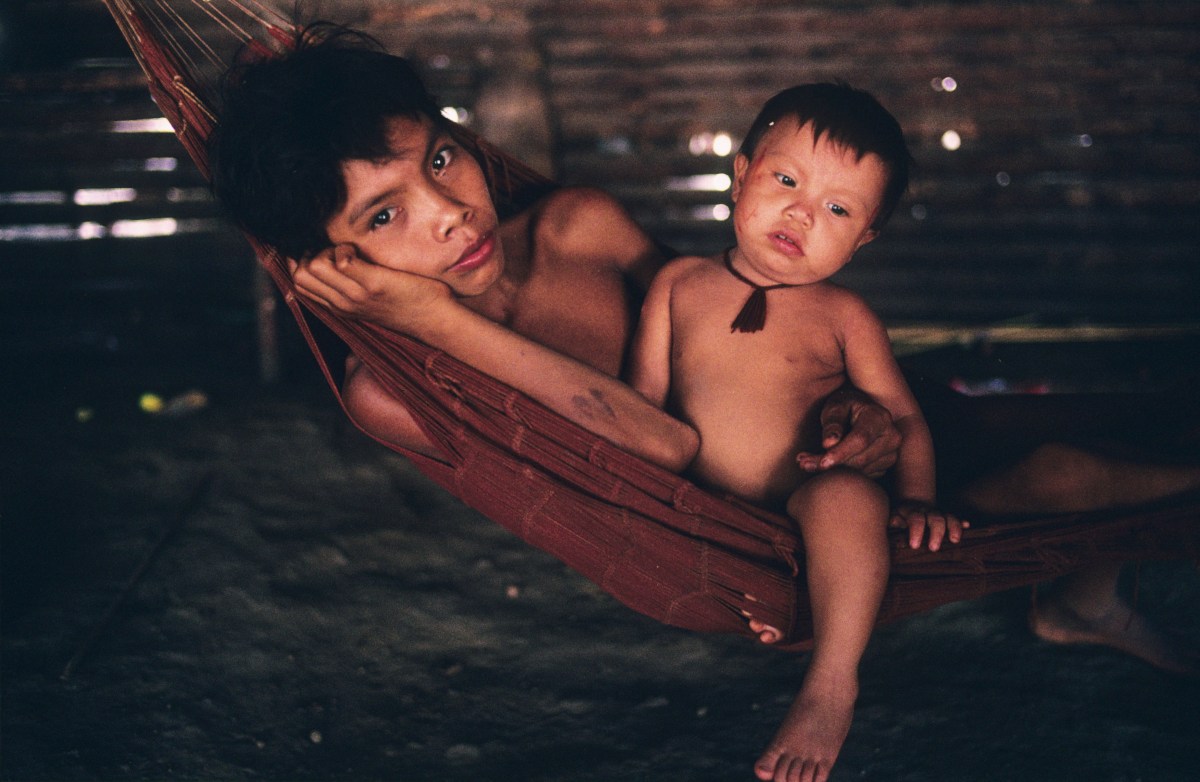
The Yanomami live in the rainforests of northern Brazil and southern Venezuela and are considered the largest isolated tribe in South America. The Brazilian state, corporations and illegal activities have for decades violated their rights and caused the deaths of countless Yanomami. However, they now face a growing new threat – from ultra-processed foods.

In the far northern region of Brazil, the Yanomami population consists of approximately 27,000 individuals, spread across more than 300 villages within the Yanomami indigenous territory, in an area of 9,664,975 hectares.

The health conditions afflicting the Yanonami community, including malnutrition and chronic diseases, are a result of the violation of their rights, unstable socio-economic conditions, and ongoing invasions of their territory. These circumstances have led to a social-environmental vulnerability within their population, placing their families, particularly children, at risk of consuming ultra-processed foods.

A study conducted by Brazil’s Oswaldo Cruz Foundation, Fiocruz, offers groundbreaking insights into the dietary patterns of Yanomami indigenous youth. It reveals that more than 90% of Yanomami aged 6 to 59 months exhibit short stature (linear growth stunting).

“Without a doubt, the Yanomami increased consumption of carbohydrates, sugar, salt, fat, food additives, and low-nutrient highly processed foods, contributes to nutritional and metabolic health concerns, specifically among their children,” explained Jesem Douglas Yamall Orellana, Fiocruz researcher of public health and epidemiologist at Fiocruz, and one of the authors of the study.

According to Orellana, the heightened consumption of ultra-processed foods among the Yanomami children not only significantly exacerbates their pre-existing health issues, but also gives rise to new ones.

Numerous research findings have established associations between ultra-processed foods and various health concerns, such as obesity, type 2 diabetes, cancer, depression, multiple sclerosis (MS), cardiovascular disease, and even mortality.

Last month, Brazil’s national health council president, Fernando Zasso Pigatto, issued a recommendation with following note:

“Considering that, in the scenario of poverty and hunger, the Yanomami people are hostage to the supply of processed and ultra-processed products, in many cases expired, satisfying external interests, which worsens the scenario of infectious disease, malnutrition, deficiencies, nutritional and chronic diseases, such as the onset of diabetes, hypertension and obesity.”

Study Data

The study group reported that the minimally processed ‘regional’ foods consumed by the Yanomami consisted primarily of fruits (69%), followed by corn, roots, or tubers (45%), peach palm or palm heart (33%), fish or crab (33%), and couscous (32%), according to the most frequently mentioned items.

The ultra-processed foods most commonly mentioned were cakes or cookies (25%) and chocolate or chocolate powder (6%). Some also consume soft drinks, soda, candy, artificial juice and yogurt, canned foods, instant noodles, among other items.

The Fiocruz study was designed as a comprehensive survey for children residing in villages within three remote regions of the Brazilian Amazon, offering valuable data for this particularly under represented group.

The research group consisted of Yanomami children ranging from six months to five years old, and the investigation took place within three Yanomami communities located in the Brazilian Amazon: Maturaca, Ariabu, and Auaris.

Map of the Yanomami Indigenous Territory, Brazilian Amazon. Image provided by Jesem Orellana.

The residents of Maturaca and Ariabu villages usually have more regular interactions with non-indigenous communities, which include military personnel, healthcare workers, illegal miners, loggers and criminal groups.

In contrast, the Ariabu population is relatively isolated, having limited contact with urban communities. Consequently, they enjoy greater territorial mobility, affording them the freedom to practice their traditional way of life.

The research findings indicated that the consumption of ultra-processed foods was significantly more prevalent in children from Maturaca (11.6 times higher) and Ariabu (9.2 times higher) in comparison to the children from Auaris.

This observation emphasises the importance of social contact with non-indigenous communities as a critical factor influencing the consumption of ultra-processed foods.

Another intriguing finding from the study was a 31% reduction in ultra-processed food consumption among children whose mothers had shorter stature when compared to those whose mothers had a proper height.

Orellana explained, “Typically, the most economically disadvantaged mothers in the community can be identified as those with higher short stature rates, limited or no income, a background of enduring poverty, and a history of hardships that have stunted their growth into ‘short adults.’ These mothers lack the means to purchase and access ultra-processed foods, which, in turn, works to their advantage.”

The general occurrence of ultra-processed foods stood at 32%, and this was linked to both the location of residence and the height of the mothers.

The Culprits

The Yanomami are traditionally categorised as hunter-gatherers, but the frequent invasions of illegal miners, loggers, and criminal organisations into their territory have a direct influence on the areas from which they gather their food, consequently affecting their dietary patterns.

Their families are compelled to interact with non-indigenous communities, resulting in their exposure to urban centers and the consumption of ultra-processed foods with poor nutritional content, high energy density, low fibre and micronutrient content, and an abundance of preservatives and industrial additives.

According to Orellana, what caught the interest of the group of scientists was the correlation between the increased consumption of ultra-processed foods by the Yanomami and a higher likelihood of them abandoning their agricultural practices.

“The Yanomami were historically known for their semi-nomadic lyfestyle, moving to new areas every two years to allow their previously occupied lands to regenerate. Nowadays, they are reluctant to leave their territory due to the invasion of illegal miners, loggers and drug traffickers, which has instilled fear in them about the possibility of violent attacks,” explained Orellana.

Orellana added, “The Yanomami traditionally relied on their understanding of sun and lunar cycles, as well as rain and drought patterns, to observe and manage soil and land dynamics. However, recent shifts in weather patterns, including extreme climate conditions, have disrupted their ability to accurately determine the optimal planting times for crops like corn and cassava.

“Furthermore, they now face concerns about fishing due to the contamination of their rivers by illegal mining activities, particularly the presence of mercury. These environmental challenges have led the Yanomami to increasingly rely on ultra-processed foods, as they find themselves struggling to maintain their traditional practices.”

The developments observed among the Yanomami over the past two decades is similar to the experiences of nearly all indigenous populations in Brazil that have been in direct contact with non-indigenous communities for over 50 years.

“In the last nine months, we’ve observed specific actions undertaken by the federal government to address issues in areas previously identified as housing various invaders, and these actions have received considerable media coverage,” mentioned Orellana.

He detailed how certain national issues are manipulated and exploited by both the government and the media to further their interests:

“Extensive operations were conducted in these areas (Yanonami territory), featuring visits by the president and ministers. Once these matters were no longer the focal point, attention shifted to a different region. These undertakings are often referred to as ‘political spectacles’ rather than genuinely impactful operations.”

Climate change and frequent invasions into the Yanomami land by illegal miners, loggers, and criminal groups are the primary factors that impact their diet, well-being, and traditional lifestyle, making them crucial determinants of their survival.

Orellana pointed out several potential measures that could effectively address some of the problems impacting the Yanonami community:

“Immediate action is essential to establish control over the territory and impose severe and efficient penalties on intruders. Without these measures in place, the issues affecting the Yanomami, such as increased consumption of high-processed foods due to the disruptions in their traditional agricultural practices, which is detrimental to their well-being and cultural heritage, will persist without resolution.”


Article published in The Ecologist: https://theecologist.org/2023/oct/12/indigenous-tribes-made-ill-processed-foods

Article published in The Canary: https://www.thecanary.co/global/2023/10/10/yanomami-people-brazil-ultra-processed-food/

Article published in Portuguese in A Escola Legal: https://aescolalegal.com.br/blog/2023/10/11/yanomami-envenenados/

Surging Hunger Levels Crush Years of Progress

Monica Piccinini

12 July 2023

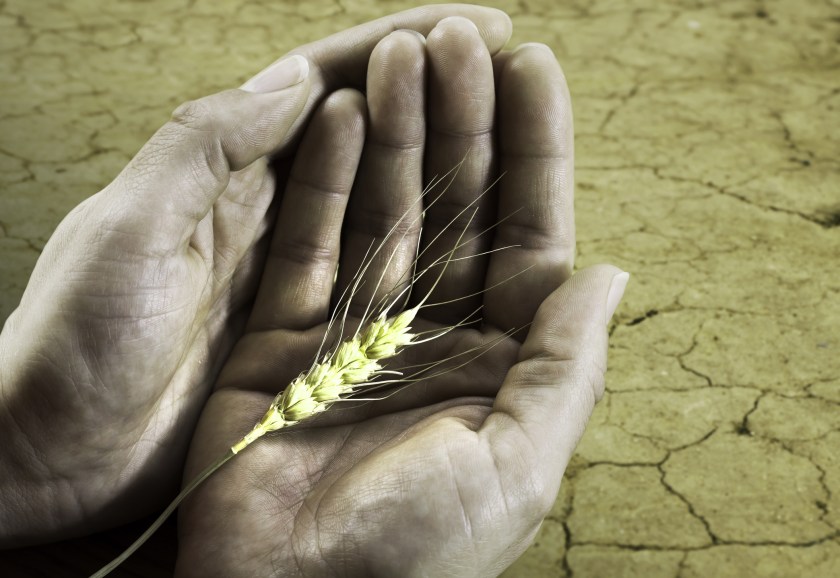
The world is facing an alarming and deeply distressing reality as food insecurity reaches catastrophically high levels. Across the globe, countless individuals and communities are struggling with the crippling fear of not having enough to eat.

According to the latest findings unveiled in the United Nation’s State of Food Security and Nutrition in the World (SOFI) report published today, the data highlights a distressing state of global hunger in 2022, a year tainted by a combination of severe challenges, including a food price crisis, ongoing conflicts, and detrimental economic and climate disturbances.

This is a sobering wake up call, says the International Panel of Experts on Sustainable Food Systems, IPES-Food.

Jennifer Clapp, food security expert with IPES-Food and professor at the University of Waterloo, Canada, explained:

“The world is facing disturbingly high levels of hunger right now. Years of progress on improving food security and nutrition have been erased. Governments have failed to make food systems shock-resistant, to shield people from food price inflation, or to address the ticking time bomb of debt.

We desperately need a new recipe for addressing hunger – based on the right to food, less reliance on volatile global markets, and on countries producing more food for their own people.”

The SOFI data reveals an alarming picture, where food insecurity has reached unprecedented and catastrophic new levels with no signs of improvement on the horizon – setting the world back 15 years.

In 2022, approximately 735 million people (9.2% of the world population) faced economic undernourishment, while nearly 30% of the world’s population encountered varying degrees of moderate to severe food insecurity.

Photo: ID 21810737 © Udra11 | Dreamstime.com

The report also reveals that the hunger crisis intensified in 2022, with an additional 122 million people facing food insecurity compared to the pre-pandemic period in 2019. The compounding effects of COVID, conflict and climate change have highlighted the fragility and inequalities ingrained within the global food systems.

Moreover, the study warns that if substantial changes are not implemented, we are heading towards a future where 600 million individuals will continue to suffer from chronic undernourishment by 2030. This outcome would have severe consequences for the achievement of the sustainable development goals (SDGs), rendering them ineffective.

Olivier De Schutter, co-chair of the International Panel of Experts on Sustainable Food Systems, IPES-Food, and UN special rapporteur on extreme poverty and human rights, mentioned:

“Low income countries are trapped in debt, unable to invest in combating hunger, and condemned to export cash crops rather than feed their own people.

To have any hope of reaching the sustainable development goals at transformation is needed – with social protection schemes that guarantee the right to food for the world’s poorest, debt cancellation, and investment in diverse, resilient agroecological food production.”

The impact of food insecurity is devastating, with families and vulnerable populations bearing the brunt of its consequences.

Hunger in Africa Continues to Grow

Photo: ID 69057865 © Mantinov | Dreamstime.com

The relentless increase of hunger in Africa persisted for the tenth consecutive year, affecting a staggering one-fifth of the continent’s population.

According to the SOFI report, in Africa, where the shares of the population that are food insecure and unable to afford a healthy diet, are among the highest in the world.

Million Belay, expert with IPES-Food and coordinator of the Alliance for Food Sovereignty in Africa, AFSA, reacted:

“It’s shocking that hunger has risen in African for ten years in a row. But our exploitative global economic system has prioritised servicing debt over feeding people, exporting cash for crops over growing nutritious food for Africans, and burning fossil fuels over adapting to climate change.”

Fresh data from 11 African nations reveals that farmers and rural communities face greater vulnerability to fluctuating food prices and hunger than previously anticipated, while the consumption of processed foods in these regions is on the rise, even in rural areas. In rural areas, a notable 33% of individuals encounter moderate to severe food insecurity, surpassing the corresponding figures observed in urban areas.

The African Development Bank estimated that Africa’s net food imports reached $35 billion in 2015, and expects it to triple by 2025, reaching over $110 billion. Agricultural surpluses from the Global North are dumped on African markets, inundating local markets, driving down farmers’ incomes, weakening communities and local agricultural production.

Africa’s reliance on world food markets is damaging to food security, especially during times of crisis, like we’ve seen during the COVID pandemic.

“African countries have been left critically vulnerable to the blows of the pandemic, the war in Ukraine, and climate change. Our governments are starved of cash to build the sustainable food systems we need to feed ourselves. The dominant food system is reducing people’s resilience to shocks and leading to perpetual debt and food dumping – this must change”, explained Belay.

Ultra Processed Diet

Photo: ID 273587833 © Altitudevs | Dreamstime.com

The adoption of industrialised farming practices has led to a change in dietary habits, with a rise in the consumption of highly processed foods, which has had negative health consequences, particularly among low-income communities.

Additionally, this form of agriculture heavily depends on the widespread use of chemical inputs, including fertilisers, herbicides, pesticides and antibiotics, with negative consequences for ecosystems and human health.

Based on the SOFI report, the increased accessibility of affordable, ready-to-eat, and fast food options, which are often high in calories, fats, sugars, and salt, can contribute to malnutrition.

Insufficient availability of fruits and vegetables for meeting the daily nutritional needs of the population is also a concern. Moreover, this trend has resulted in the exclusion of small-scale farmers from formal value chains and the loss of land and natural resources due to urban expansion.

The report also highlights the prevalence of child overweight at risk of increasing with the emerging problem of high consumption of highly processed foods and food away from home in urban centres, which is increasingly spreading into peri-urban and rural areas.

“Once again the world is plagued by hunger. A healthy diet is unattainable for nearly half of the world’s population – even while food manufacturers and giant agriculture corporations enjoy bonanza profits”, explained De Schutter.

The predicted cost of treating dietary related diseases is projected to exceed $1 trillion by 2030.

Global hunger can have severe consequences that go beyond the immediate lack of food. Key consequences associated with global famine include migration and displacement, health issues, economic impacts, as well as social and political unrest.

As the grip of food insecurity tightens, urgent action and comprehensive strategies are essential to alleviate this alarming situation, restore hope, and ensure that no one is left behind in the struggle for sustenance.

The time to act is now, as we must collectively confront the specter of hunger and work tirelessly to build a future where food insecurity becomes an unimaginable concept rather than a haunting reality.

We Need to Talk About Our Food Systems

Monica Piccinini

8 June 2023

Our global food systems are highly complex and serve many constituent parts. It’s responsible for making available fresh produce throughout the year in countries and regions that historically have been very limited in their food produce. Viewed in a positive light, the systems serve the needs of many.

However, as the global food systems have evolved over time, it has increasingly been focused on monetary gain for corporate stakeholders and less about serving the needs of the global populous.

The increasing focus on economic gain from the global food systems can be evidenced as a cause of wide scale sickness, hunger, poverty, sickness, homelessness, poisoning of our land, water, air, plants, animals, our bodies and minds.

The food industry is considered as a major drive of climate change, responsible for one third of world GHG emissions (IPCC 2019), land-use change and biodiversity loss (40% of earth’s surface), major user of freshwater resources (70% of global freshwater) and a major polluter of terrestrial aquatic systems through the use of chemicals.

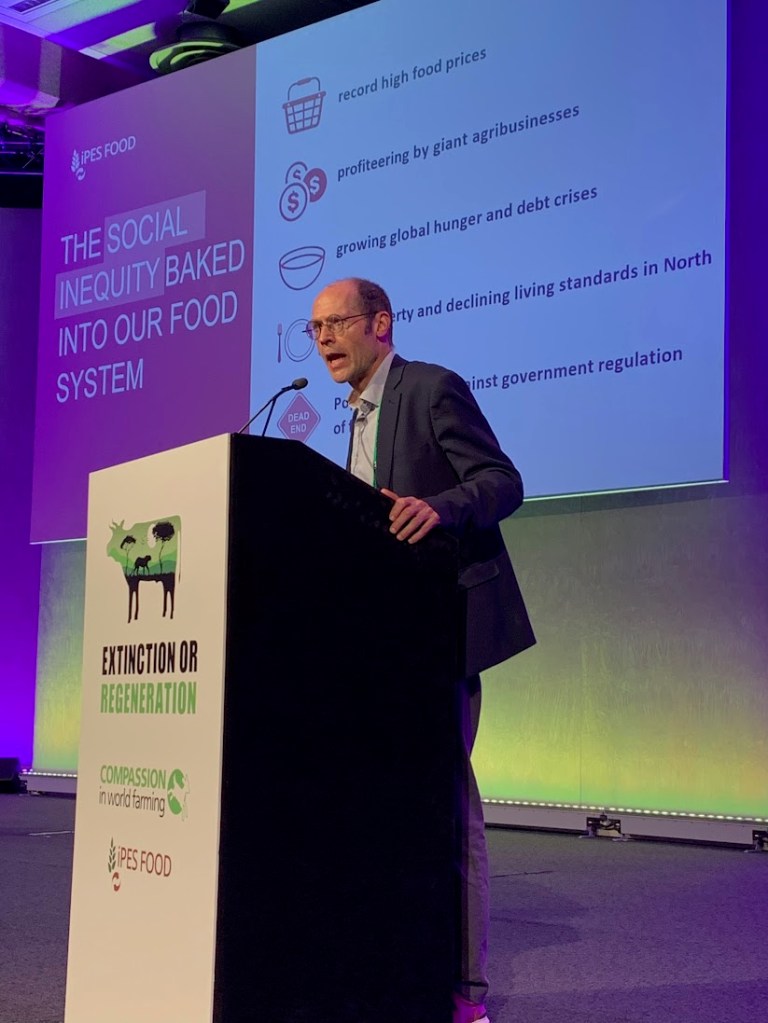
During the Extinction or Regeneration Conference 2023 in London, Philip Lymbery, global CEO of Compassion in World Farming, highlighted the fact that we rely more and more on a small number of countries for the production of major crops on which we depend on. When certain world events occur, such as conflicts and the Covid-19 pandemic, and global supply chains are disrupted, the entire food system is impacted.

Philip Lymbery at the Extinction or Regeneration Conference 2023, London

The countries we rely on, mainly in the global south, are forced to invest in “cash crops” for exports, not producing enough to feed their own population. They produce raw materials that we then process and sell it back to them in the form of finished food products, mainly as a result of their huge debt, explained Lymbery.

Food security is another issue, as we have witnessed in recent years a record high in food prices, global hunger and social inequities that result from the industrial farming systems, not just from conflicts and climate change. We are producing enough food to feed the entire world, but what we’ve seen is a mismatch between supply and demand, a financialisation of agriculture systems and markets, as well as an increase in power concentration.

Lymbery said, “These companies are taking our food systems hostage for their thirst for profits.”

“Food systems are often shaped by politics, rather than policies”, he added.

Our food systems are also impacting our health and making us sick. According to Marco Springmann, senior researcher in environment and health at the Environmental Change Institute at University of Oxford, the cost of treating diet-related diseases is projected to exceed USD 1 trillion by 2030, also putting a strain on health systems around the world.

“Food that brings you sickness and disease is not food, it’s poison”, said Dr. Vandana Shiva, Indian environmentalist, physicist and author, during one of her speeches at the Extinction or Regeneration Conference 2023 in London.

Extinction or Regeneration Conference 2023, London – Photo Credit: Robbie Blake, IPES-Food

Power Concentration

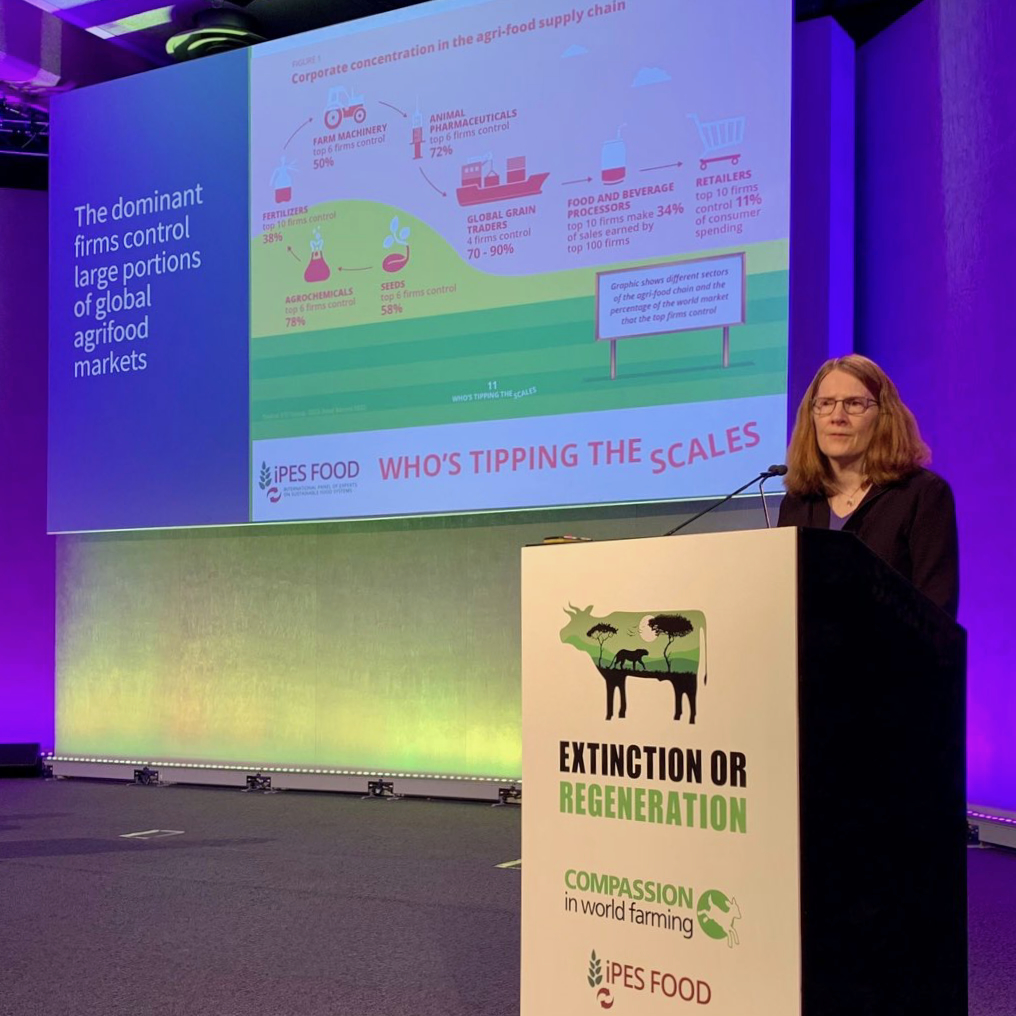
We are experiencing growing concentration in our food systems, as the number of corporations controlling everything, from inputs up through retail are getting smaller.

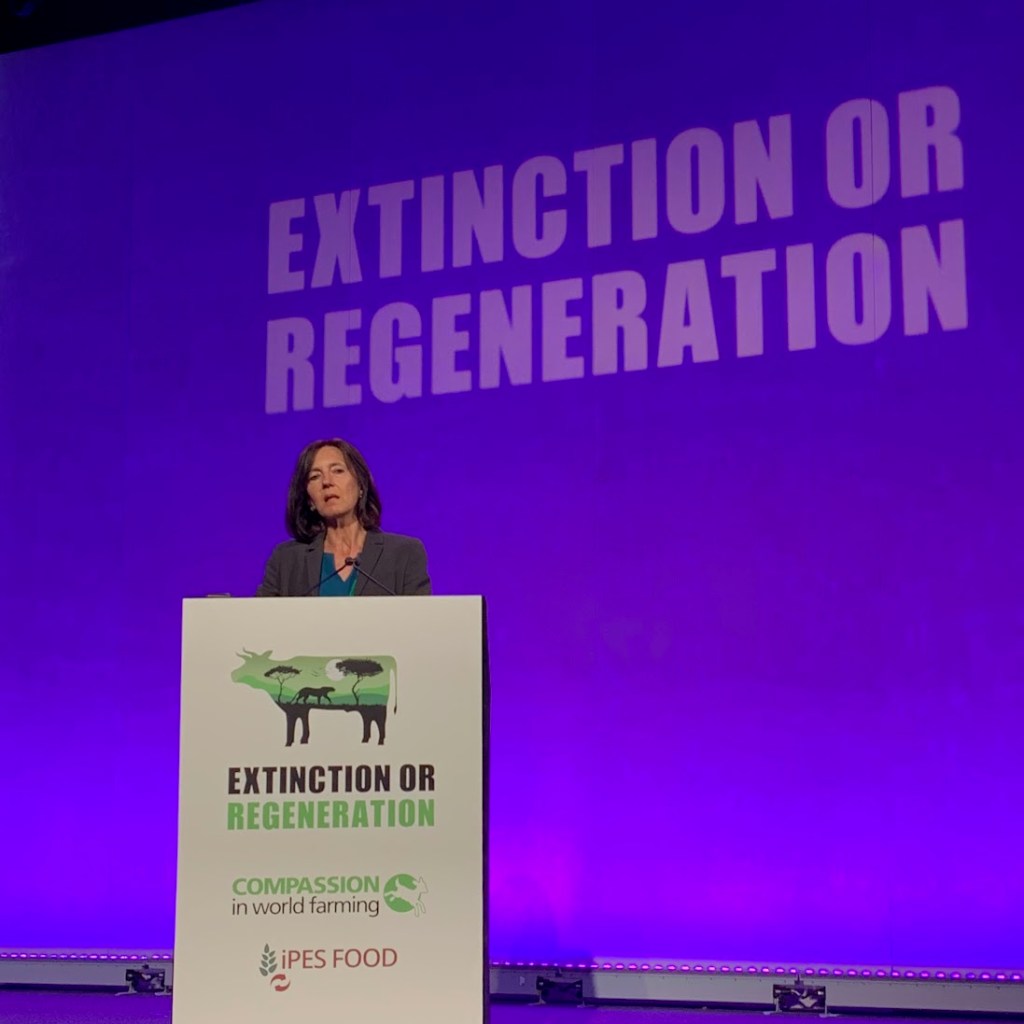
According to Jennifer Clapp, Canada research chair & professor, School of Environment, Resources and Sustainability at University of Waterloo, and IPES Food “Who’s Tipping the Scales” report, only top six agrochemical companies control 78% of the global market, the top six animal pharmaceuticals control 72%, the top six farm machinery control 50%, the top six seeds companies control 58% and the top five global grain traders control between 70-90%.

Jennifer Clapp at the Extinction or Regeneration Conference 2023, London – Photo Credit: Robbie Blake, IPES-Food

Four major grain traders control approximately 80% of the trade in cereals worldwide, the ABCD firms, ADM (Archer-Daniels-Midland), Bunge, Cargill and Dreyfus; and four major food processing and packaging companies dominate the global market, Nestle, PepsiCo, Anheuser-Bush InBev and JBS.

Since 2015, we’ve seen mega mergers in the seeds and agrochemicals industry, making these corporations even more dominant and powerful. Some of the mergers include Bayer and Monsanto, ChemChina and Syngenta, Dow and Dupont merged to form Corteva, Agrium and Potash Corp merged to form Nutrien.

Olivier De Schutter, UN Special Rapporteur on extreme poverty and human rights and co-chair of IPES-Food, mentioned that giant dominant food corporations acquired the position in decision making to veto any transformative change.

According to him, “it’s not because of corruption of politicians or the finance lobbyists working on their behalf, it’s because they are the champions of economic gain of large scale production that global commodities markets demand.”

“This allows these corporations to say to politicians, “trust us”, we know how to produce food for mass consumption, … if you impose too strong regulations on us, you’ll be faced with higher prices that your voters will have to face. This is what allows them to have a privileged access to politicians”, he added.

He explained that these companies manage to get protection from legislators for intellectual property rights for the new “breeds” that they develop, as well as the new technologies that they promote. Additionally, they can very easily challenge environmental regulations. The State ends up in the hands of these economic actors and ends up working for them.

Olivier De Schutter at the Extinction or Regeneration Conference 2023, London – Photo Credit: Robbie Blake, IPES-Food

These corporations also control the labour conditions of the food system worker, the products that end up in the supermarkets shelves, and have the power to shape government policies. Small-scale producers don’t stand a chance when faced with such powerful competition.  

In order to democratise our food systems, we need to increase transparency and accountability.

It’s necessary to set up a worldwide robust anti-trust and competition legislation and food policy, as well as creating a lobby register, which is already in place in some countries, in order to limit the concentration of power of the big agrifood corporations

We should be listening to farmers and working with them to identify solutions that will not only be beneficial to them, but also to our health and the environment, instead of filling the pockets of greedy corporations.

“We also need more public support for alternative food systems, in particular, research and development money going towards agroecology and organic agriculture”, mentioned Clapp.

She added that it’s now necessary for the State to step back in like they did in the past, when they played a prominent role during the last transition to industrial agriculture with R&D and hybridisation in fertilisers and other sectors.

There’s a need control those actors that have the power to shape our policy spaces, including measures that prevent conflicts of interests, where corporate officials end up as regulators and go back to work in the corporate sector.

Lastly, there’s the need to create an autonomous space for civil society to determine and control the rules and governance they’d like to see happen.

It’s a Profitable & Greedy Business

Photo: ID 37710625 © Syda Productions | Dreamstime.com

According to Planet Tracker, a non-profit think tank, nearly USD 9 trillion of private finance is currently supporting the global food system.

“Financial regulations have become weakened to the extent that they’ve allowed big financial institutions like banks and investment houses to create new financial products for investors to speculate on food commodities”, explained Jennifer Clapp during the Extinction or Regeneration Conference 2023.

The price of commodities can swing much higher or lower than supply and demand would normally indicate and this creates price volatility, consequently generating profit for these institutions.

“There’s another aspect of financial concentration, where asset management firms own huge portions of the global food systems. The ABCD firms, ADM, Bunge, Cargill and Dreyfus, make huge windfall profits when food commodity prices swing. We saw this happening in 2008, and once again, in 2022, when Russian invaded Ukraine”, added Clapp.

Asset management firms, Blackrock, Vanguard, State Street and Capital Group, manage people’s pensions, trillions of assets worth over USD 20 trillion in the global economy. They are buying shares in almost all the companies across the entire agrifood supply chain, which means they have a shared interest in those companies being profitable, therefore creating an incentive for collusion.

Clapp mentioned that economists are concerned about this issue, which is called common ownership, leading to a reduction in competition, as well as leading to higher prices and encouragement of mergers and acquisitions, creating even bigger companies.

The danger of this situation is the fact that it allows them to hold more power to shift food systems in a certain direction, enabling them to shape markets in a way that it can affect prices that consumers pay. Prices are kept low for the agriculture and livestock producers and high for consumers. They also have the power to determine what technologies are going to dominate the market.

Clapp proposed a few solutions to some of these problems, including stronger rules in the financial markets, rules to curb speculation, better reporting, better limits on financial actors in these markets, as well as rules limiting asset managers owning the entire scope of the food systems.

Health Hazards, New Pandemics & Antimicrobial Resistance

Photo: 117616099 / Antimicrobial Resistance © Designer491 | Dreamstime.com

Industrial animal production may be a driver of future pandemics. The confinement of high number of animal in small spaces, leave them much more susceptible to viruses and infections, with the potential to evolve into more infectious types, explained Melissa Leach, social anthropologist and geographer, director of the Institute of Development Studies, IDS, during the Extinction or Rebellion Conference 2023.

All recent infectious diseases outbreaks and pandemics are zoonotic, as they originate in animals. Wildlife domestic and farmed animals and humans all interact in intense interfaces where spillover can occur.

The World Health Organisation, WHO, describes antimicrobial resistance, AMR, as the overlooked pandemic. It contributes to treatment failures, increasing human vulnerability to a wide range of infections.

Some of the latest figures suggest that AMR will cause 10 million deaths by the year 2050, more than from cancer, diabetes and pneumococcal diseases combined.

“Key causes of AMR are the overuse of antibiotics in livestock to promote growth and routinely prevent diseases, especially in intensified livestock farming”, mentioned Leach.

Melissa Leach at the Extinction or Regeneration Conference 2023, London – Photo Credit: Robbie Blake, IPES-Food

A study published by The Lancet, Global Burden of Bacterial Antimicrobial Resistance in 2019, estimates that there were 1.27 million deaths globally due to AMR in 2019, and 4.96 million deaths associated with AMR, compared with 6.9 million deaths globally from Covid-19 since the beginning of the pandemic in 2020.

According to Cóilín Nunan, scientific adviser to the Alliance to Save Our Antibiotics, certain types of antibiotics used in animal farming have led to the rise and spread of livestock associated strains of MRSA and clostidrium difficile.

There’s also the resistance to colistin, used as a last resort antibiotic in human medicine for treating life-threatening infections on patients who don’t respond well to other antibiotics, added Nunan.

Scientists from Oxford University released a study showing Escherichia coli bacteria that acquired resistance to colistin in animal farming. According to Nunan, this is an issue of concern and may be more dangerous than AMR, as it may be more able to cause infections in humans.

In Europe, over 60% of antibiotics are used in farmed animals, rather than in medicine. Globally, the figure rises to nearly 70%.

Photo: ID 118875273 © Petr Goskov | Dreamstime.com

The health impact caused by our food systems is putting a real strain on health systems around the world. There’s been a rise in conditions, including type 2 diabetes, obesity, depression, cardiovascular diseases and certain types of gastro-intestinal cancer, amongst others, all related to our diets.

We can no longer deny the urgent need to embrace more sustainable food systems solutions, support and listen to our farmers, respect and protect Indigenous peoples, our land and the environment, which we are highly dependent on.

The concentration of power within our food systems should be limited and a new model replaced instead, to ensure there’s fairness and equality, access to healthy and nutritious food for everyone, everywhere, and that our health and the health of our planet is protected and respected.

Brazilian Scientists’ Hopes and Expectations for the Future

Monica Piccinini

10 May 2023

The election of Brazil’s president Luiz Inácio Lula da Silva, ‘Lula’, in October 2022, brought a sense of relief and hope to the Brazilian scientific community.

Just over three months into his administration, Lula’s challenging task to fulfill all the promises he made before he came into power became apparent. The populous of Brazil, along with the rest of the world, is watching what happens next. 

In the past four years, the country has faced considerable challenges, including budget cuts in science and technology, the spread of misinformation leading to the denial of climate change, anti-vaccine movements, and the use of ineffective drugs against COVID-19, amongst many others.

“Brazil is once again reconciling economic growth with social inclusion. Rebuilding what was destroyed and moving forward. Brazil is once again a country without hunger. While preparing the ground for infrastructure work that was abandoned or ignored by the previous government, Brazil is again taking care of health, education, science and technology, culture, housing and public safety”, declared Lula during the meeting at Brasilia’s Planalto Palace in April.

A group of five renowned scientists share their views and expectations about scientific policies in Brazil, published at Nature Human Behaviour this month.

Mercedes Maria da Cunha Bustamante, biologist, Pedro Gabriel Godinho Delgado, doctor and psychiatrist, Lucas Ferrante, ecologist and researcher, Juliana Hipólito, biologist, and Mariana M. Vale, ecologist, highlight key areas of concern to be addressed by the current government.

Public Health & the Environment

Illustration 144851985 / Brazil Public Health © Gunay Aliyevs | Dreamstime.com


According to Lucas Ferrante, the past government was notable for the prominent role of scientific denialism. Ministers were chosen for their ideology, rather than their technical ability, and scientific advice was simply ignored.

The second catastrophic COVID-19 wave in the Amazon, making Brazil one of the global epicentres for the disease, could have been prevented if the past government had listened to scientific advice.

The absence of a technically oriented government under Jair Bolsonaro’s administration also increased deforestation in the Amazon rainforest at an alarming rate, threatening the environment, traditional and indigenous communities, as well as climate change goals, wrote Ferrante.

He also mentioned that despite the change in government, there’s the need to remember past events.

During Lula’s two previous terms as president (2003-2010), he showed worrying denialistic tendencies, ignoring scientific reports and scientists’ advice. An example of this was the Belo Monte hydroelectric dam disaster, which affected the Xingu River and traditional communities, causing a catastrophic socio environmental impact.

Essential plans should include blocking major infrastructure projects in the Amazon rainforest, such as the reconstruction of BR-319 highway linking Manaus to Porto Velho, which will affect traditional and indigenous communities, biodiversity and increase deforestation in the region, as well as agriculture production chains that could give rise to a new pandemic. 

Brazil’s biodiversity is extremely rich, but lacks surveys of viruses circulating in its fauna, therefore a well established surveillance programme is required in order to reduce the risk of new pandemics emerging through viral spillover, declared Mariana M. Vale.

Nísia Trindade, Brazil’s health minister, mentioned during a lower house hearing last month that the country should be gearing up for future pandemics by investing in science, technology and Brazil’s national healthcare system, SUS (Sistema Único de Saúde).

Illustration 98533932 / Brazil Environment © Cienpies Design / Illustrations | Dreamstime.com


Juliana Hipólito highlighted another significant issue of concern, society’s lost value and interest of science in their daily lives. As a consequence, this lead to an increase in deforestation rates, climate change denialism, anti-vaccine movements and the use of ineffective unproven drugs against COVID-19.

The past government’s dismantling of environmental policies increasing deforestation and the approval of a large number of toxic pesticides is also something the science community expects to be reversed, she added.

According to experts, Brazil’s use of pesticides increased exponentially in the last few years, growing 300,000 tonnes since 2010. Approximately 80% of the pesticides authorised for commercialization in Brazil are prohibited in at least three countries of the Organization for Economic Cooperation and Development (OECD) of the European community.

In the field of mental health, Pedro Gabriel Godinho Delgado expects to see development of long-term projects to better understand the interfaces between mental health suffering and the profound social inequality and precariousness of life in Brazil.

According to him, urban violence, racism, stigma, gender prejudice, loss of childhood and adolescence and their relationship with human suffering, should no longer be marginal and must be included amongst the priorities of research. The long-term consequences of COVID-19 on mental and physical health also deserve special attention from researchers.

Investments, Social Justice & Equity

Illustration 34989348 © David Castillo Dominici | Dreamstime.com


Divestment is an issue of concern, as Brazil’s previous government cut considerably investment in scientific and educational organisations. There was a huge drop in investments in INPE (National Institute for Space Research), INPA (National Institute of Amazonian Research), CNPq (National Council for Scientific and Technological Development), and federal universities.

According to Hipólito, budget cuts skyrocket during the past government. Research funding and the budget of leading science and technology funding agencies were reduced by 60% from 2014 to 2022.

Socio-economic conditions have been sacrificed as a result of the cuts, therefore affecting the country’s capacity for the innovation and economic diversification.

Mercedes Maria da Cunha Bustamante mentioned the urgent need to support vulnerable groups (women, the youth and the poorest – most of them people of colour) in Brazil with the demand for public policies that would put the country back on track towards social justice and equity.

Reducing poverty, combating climate change and biodiversity decline are intrinsically connected.

The current administration also needs to focus on improving education from elementary level, adds Bustamante. A similar scenario is seen at public universities, which were affected by budget reductions under the last government. Brazilian public universities account for most of the national scientific production and are major drivers of social inclusion.

It’s essential to increase diversity, she added, as it’s vital for addressing societal demands through the generation of new knowledge, making Brazil attractive again for young scientists and allowing science to have a more prominent role in policy making.

Vale pointed out that white male individuals still dominate Brazilian academia and highlighted the need to strengthen and improve existing policies on diversity, equity and inclusion in science, especially regarding black and indigenous people.

Brazil has seen a massive exodus of scientists, leaving their jobs to work abroad, where their skills are most valued. The current government should set up a development and retention plan, encouraging and supporting scientists across the country.

Although the scientific community remains confident and positive, it’s crucial that they continue to defend science, and that the general population are not deceived into thinking that a change in governance alone is sufficient to bring about the needed improvements in public health and the environment, mentioned Ferrante.

The voice of scientists who dedicate their entire lives to protecting and bettering our daily lives couldn’t be louder and should be heard. Perhaps it’s time for Brazilian society, politicians, institutions and corporations to fully support this community that has been undervalued for so long.