‘The Toxic Poster Child of Europe’: The UK’s Controversial Pesticide Policies

Monica Piccinini

13 September 2023

The UK is falling even further behind Europe in its efforts to remove chemicals harmful to both human health and the environment from the market.

According to a study by Pesticide Action Network UK (PAN UK), there are presently 36 pesticides authorised for use in the UK that are prohibited in EU nations.

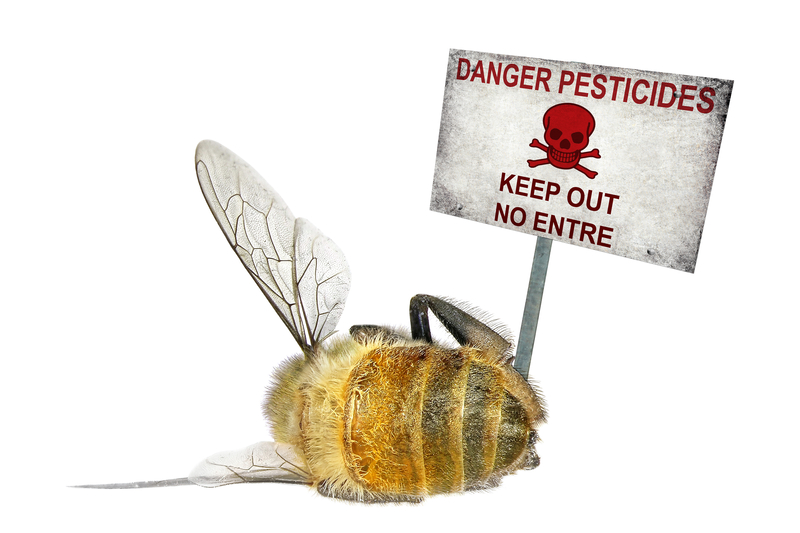
Among the 36 approved pesticides, 13 are categorised as highly hazardous. This group includes four pesticides that pose a high toxicity risk to bees, one that contaminates water, and another that is highly toxic to aquatic organisms. The UK will continue to employ these 13 hazardous pesticides for an additional two to five years compared to EU nations.

Nick Mole, PAN UK’s policy officer, said:

“The UK is becoming the toxic poster child of Europe. The government has repeatedly promised that our environmental standards won’t slip post-Brexit. And yet here we are, less than four years later, and already we’re seeing our standards fall far behind those of the EU.

“With UK bees and other pollinators in decline, and our waters never more polluted, now is the time to be taking steps to protect nature. Instead, the government is choosing to expose British wildlife to an ever-more toxic soup of chemicals.”

Photo 96685860 © Zimmytws | Dreamstime.com

Additionally, PAN UK’s study unveiled an increasing concern for human health, displayed by the following list of 36 pesticides permitted in the UK, but prohibited in the EU:

  • 12 are classified as carcinogens, capable of causing different types of cancer, including leukaemia and non-Hodgkin’s lymphoma;
  • Nine are endocrine disruptors (EDCs), which interfere with hormone systems and can cause birth defects, developmental disorders and reproductive problems, such as infertility;
  • Eight are ‘developmental or reproductive toxins’, which have adverse effects on sexual function and fertility in both adults and children, and can reduce the number of functionality of sperm and cause miscarriages;
  • Two are cholinesterase inhibitors, reducing the ability of nerve cells to pass information to each other and can impair the respiratory system, causing confusion, headaches and weakness;
  • One is classified as acutely toxic, meaning that adverse health effects can result either from a single exposure or from multiple ones in a short period of time (usually 24 hours).

The majority of the chemicals in question (30) were allowed for use in the EU when the UK left on 31 January 2020, but have since been removed from the EU market. The remaining six chemicals have been approved by the UK government, but not in the EU, since Brexit.

One of the primary reasons for the disparity in standards originates from a decision made by the UK government. They have granted an automatic three-year extension to all pesticides with licenses set to expire before December 2023, indicating limited governmental capacity for re-approving pesticides.

Previously, the UK had a policy of granting a maximum 15-year license to pesticides before requiring re-approval, acknowledging the substantial risks these chemicals pose to both human health and the environment.

“The UK government promised to drive a reduction in pesticide use back in 2018 and yet we’re still waiting for them to take action”, added Mole.

Photo 137761746 | Brexit Britain © Honourableandbold | Dreamstime.com

These measures will also affect trade deals between the UK and EU, explained Mole:

“The Emerging gap between the UK and EU pesticide standards is incredibly concerning for our human health and environmental protections, but also for the future of UK agriculture as our standards fall further and further behind those of our largest trading partner.

“UK food exports containing pesticides that EU growers aren’t allowed to use, are likely to be rejected. Given that the EU still accounts for around 60% of UK agricultural exports, the impact on farmers could be devastating.”

PAN UK urges the UK government to, at the very least, maintain alignment with EU pesticide norms and prevent any further deterioration of existing UK standards.

Additionally, PAN UK advocates for the immediate implementation of long-overdue measures, including pesticide reduction targets, the halt of pesticide use in urban areas, and the enhancement of state support for farmers to reduce their reliance on agrochemicals.

The UK pesticide policies will have far-reaching effects, impacting not just the health of individuals and the environment, but also our farmers and our trade agreements with the EU, our largest trading partner.

Article published in The Ecologist: https://theecologist.org/2023/sep/13/toxic-poster-child-europe

Article published in The Canary: https://www.thecanary.co/uk/2023/09/13/uk-pesticides-post-brexit-policies/

Pesticide-Induced Cancer and Nature’s Silent Demise – Latest UK Government Figures Expose Alarming Trends

Monica Piccinini

14 June 2023

Official UK government pesticide usage data reveals that the use of glyphosate in UK farming is increasing, despite a recent government promise to “reduce reliance on the use of conventional chemical pesticides.”

According to analysis by Pesticide Action Network UK (PAN UK) and the latest figures, the amount of glyphosate used in UK agriculture grew by more than 360 tonnes (16%) between 2016 and 2020, while the area of land sprayed with the pesticide increased by 9%, amounting to 230,000 hectares, three times the size of Greater Manchester.

Nick Mole, PAN UK’s policy officer, mentioned:

These latest figures, while shocking, are actually a huge underestimation of our exposure to glyphosate since they only relate to farming. Meanwhile, glyphosate is also sprayed liberally in most UK towns and cities.

The negative impacts of glyphosate on human health and the environment are well-documented. With cancer rates and biodiversity loss both rising, it’s crazy that we continue to endanger the health of rural residents, farmworkers and wildlife when there are plenty of safer and more sustainable alternatives available.

One of the primary concerns associated with glyphosate is its potential impact on human health. Several studies have suggested a possible link between glyphosate exposure and various health issues, such as an increased risk of cancer, particularly non-Hodgkin’s lymphoma.

In 2015, the International Agency for Research on Cancer (IARC), a specialised agency of the World Health Organization (WHO), classified glyphosate as a probable human carcinogen. However, other regulatory agencies, including the European Food Safety Authority (EFSA) and the United States Environmental Protection Agency (EPA), have concluded that glyphosate is unlikely to pose a significant risk to human health when used according to approved guidelines.

Environmental concerns are another area of contention surrounding glyphosate use. The herbicide’s widespread application can lead to its presence in soil, water bodies, and food crops, potentially impacting ecosystems and non-target organisms.

Photo: ID 204609809© Ricochet69 | Dreamstime.com

Glyphosate has been linked to adverse effects on aquatic organisms, including fish and amphibians, and there are concerns about its potential impact on pollinators, such as bees, which are crucial for agricultural productivity and biodiversity.

Additionally, the long-term use of glyphosate can lead to the development of herbicide-resistant weeds, commonly known as “super-weeds.” Continuous exposure to glyphosate can exert selection pressure on weed populations, promoting the growth of resistant individuals that are no longer susceptible to the herbicide. This phenomenon necessitates the increased use of glyphosate or other herbicides, leading to potential environmental harm and higher costs for farmers.

PAN UK’s report also reveals that the use of a number of other highly hazardous pesticides (HHPs), a UN concept used to identify particularly harmful pesticides, is also on the rise, including:

  • 2,4D, a herbicide highly toxic to bees and possible carcinogen and suspected endocrine disruptor, which can interfere with hormone systems;
  • Imazalil, a fungicide linked to cancer and classified as a ‘developmental or reproductive toxin’, which can negatively affect sexual function and fertility;
  • Cyantraniliprole and lambda-cyhalothrin, insecticides highly toxic to bees.

With the clock ticking on the biodiversity crisis, and the UK already one of the most nature-depleted countries in the world, we must move further and faster. Absolutely key is supporting farmers to transition away from chemical dependence and towards more nature-friendly methods of production, warned Mole.

Whilst conducting their analysis, PAN UK’s noted some major problems with the government’s pesticide usage figures, including numbers being changed retroactively and discrepancies between data sets that are supposed to be identical. 

The organisation is calling on the UK government to urgently improve pesticide usage monitoring and data, increase support for farmers to reduce pesticide use and introduce non-chemical alternatives, establish reduction targets to drive a decrease in both use and toxicity, end use of pesticides that are harmful to bees and other pollinators, and finally publish the long-awaited National Action Plan on Sustainable Use of Pesticides that was promised for 2018.

The debate surrounding glyphosate and HHPs’ health risks, environmental impact, and the need for alternative weed control methods continues to evolve.

It is essential for the government, regulatory agencies, scientists, farmers, and the public to remain vigilant, informed, and engaged to ensure toxic chemicals are urgently replaced with non-chemical alternatives.

Public Health Warning in the UK: 50% of Bread Containing Potentially Hazardous Pesticide Cocktails

“We are choosing to play Russian roulette with people’s health”

Monica Piccinini

2 Nov 2022

Official figures reveal that the proportion of bread in the UK containing two or more pesticides has doubled to more than 50% in the past year.

The UK government tests are carried out by an expert committee on pesticide residues in food (Prif) and a total of 11 different pesticides, including five with links to cancer (glyphosate, fosetyl, cypermethrin, deltamethrin and flonicamid), were found in a range of bread products – from standard white, brown, to crumpets, scones and muffins.

Bread products containing traces of one or multiple pesticides were found in supermarket own-brands including Aldi, Asda, Co-op, Iceland, Lidl, Marks & Spencer, Morrisons, Ocado, Sainsbury’s, Tesco and Waitrose. They were also found in some top brands: Hovis, Kingsmill, Jacksons, La Boulangerie, New York Bakery, Warburtons, and many more.

Nick Mole, Pesticide Action Network UK (PAN UK) policy officer, said:

“With the cost of living crisis forcing people to spend less on food, it’s vital that consumers can trust that relatively cheap products like bread won’t expose them to dangerous mixtures of chemicals.

The government claims that it’s committed to tackling pesticides, so why have pesticide cocktails been allowed to double in a staple food that most of us eat at least once every day?”

Pesticides used in agriculture can leave traces of chemicals in our food known as residues. Pesticide residues detected on a specific food item will depend on which pesticides are used and how persistent they are. Some food may contain one single residue or multiple ones (‘cocktail effect’).

“There is a growing body of evidence showing that pesticides can become more harmful when they’re combined with each other. And yet we continue to set safety limits for just one chemical at a time.

We actually have no idea of the long-term impacts of consuming tiny amounts of hundreds of different chemicals. We are choosing to play Russian roulette with people’s health”, mentioned Mole.

We should be aware of the implications caused by ingesting food containing not only one but also multiple pesticides, especially if consumed over a long period of time, during our childhood, adult life and especially during pregnancy.

Some pesticides, known as endocrine disrupting chemicals (EDCs), have the potential to disrupt our hormone systems, and can play a role in the development of cancers, including colorectal and breast cancers. Pregnant and breastfeeding women, as well as young children, are particularly vulnerable.

Photo 211558990 © Bruno D Andrea | Dreamstime.com

The most recent data published by the UK government, which relates to testing conducted in 2021, reveals that pesticide cocktails are also a significant problem for fruit and vegetables, with 30% of vegetables and more than 60% of fruit found to contain residues of more than one chemical.

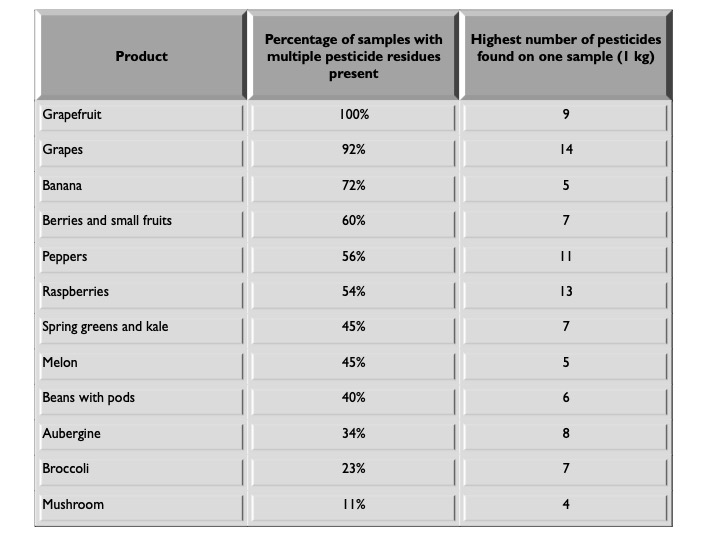
Based on government data, PAN UK launched its annual “Dirty Dozen”, a list of fruit and vegetables most likely to be contaminated with multiple pesticides:


PAN UK analysis of the most recent results from the government’s testing programme found a total of 137 different pesticide residues across all produce, including many linked to serious chronic health effects. Specifically, the produce tested contained:

46 carcinogens, which are capable of causing different types of cancer.

27 endocrine disruptors (EDCs), which can interfere with hormone systems and cause birth defects, developmental and reproductive disorders (infertility).

11 ‘developmental or reproductive toxins’, which can have adverse effects on sexual function and fertility, causing miscarriages.

14 cholinesterase inhibitors that reduce the ability of nerve cells to pass information to each other and can impair the respiratory system and cause confusion, headaches and weakness.

Over a third of the total pesticides found are not approved in the UK, meaning that the British farmers aren’t permitted to use them.

“These pesticides residues should not be making onto the plate of UK consumers.

They are either slipping past our shoddy border checks unnoticed, or foreign producers are being handed a competitive advantage by being allowed to use pesticides banned in the UK.

At a time when we are asking our own farmers to produce more sustainably, we should not be making it harder for them to earn a living”, said Mole.

The most effective way to tackle pesticide cocktail in our food is to ensure that the new trade agreements don’t lead to an influx of pesticide-laden imports and to reduce dramatically the chemical use in domestic farming.

Weakening of pesticide standards via trade deals with countries where pesticide regulation is less rigorous, means the population in the UK may be consuming products with higher level of pesticides that are already banned in the country.

“To protect the health of their customers, some UK supermarkets are beginning to sit up and take notice of pesticide cocktails. Meanwhile, the government’s key strategy on pesticide reduction is already five years late.

Our new environment secretary, Dr. Thérèse Coffey, must take urgent action to reduce pesticide-related harms. How much longer should consumers and farmers have to wait?” added Mole.

This is a significant ongoing issue that requires immediate attention and action from the government, regulators, corporations, supermarkets and also the British population, who may be paying a hefty price for these senseless actions, with their own health!

Rachel Carson’s ‘Silent Spring’ Turns 60, as UK Government Turns Cold on Pesticides

Monica Piccinini

27 Sept 2022

Sixty years ago, Rachel Carson’s book, Silent Spring, alerted the world to the dangers of chemical pesticides to the environment and our health. The environmental degradation predicted by Carson, who warned of a future “silent spring” unless pesticides were tackled, continues to unfold.

Since records began in 1990, the UK has covered over 700 million hectares in pesticides – enough to dose every inch of the country 14 times over. Meanwhile, local councils, up and down the country, still routinely use pesticides linked to cancer in parks and playgrounds.

The UK Government’s “dither and delay” approach to pesticide policy is failing to adequately protect human health and the environment from pesticides.

Despite its promises to publish a national action plan on pesticides, the Government is now talking about deregulation, with UK’s prime minister, Liz Truss, promising a “red tape bonfire”, which is likely to put human health and wildlife at further risk.

Synthetic pesticides are some of the most toxic substances in use today, persisting in the environment for weeks, months or even years.

Polar Bears have been found to have pesticides residues in their system, despite those chemicals never having been used in the Arctic. Ice sheets and glaciers melting as a result of climate change, are thought to be releasing pesticide residues that have been accumulating since the 1940s.

“How could intelligent beings seek to control a few unwanted species by a method that contaminated the entire environment and brought the threat of disease and death even to their own kind? Yet, this is precisely what we have done.”- Rachel Carson, Silent Spring.

Food & Farming

Photo 57373630 © Walter Arce | Dreamstime.com


“Rachel Carson would turn in her grave if she could see how pesticide use has proliferated since she wrote Silent Spring. Most crops are now treated with a blizzard of insecticides, molluscicides, fungicides and herbicides, which damage soils, pollute streams, and chronically expose wildlife and people to complicated mixture of toxins. We urgently need to transition to more sustainable farming methods.” – said Dave Goulson, Professor of Biology, University of Sussex and author of Silent Earth.

According to the United Nations, the world’s population is set to reach nearly 10 billion by 2050, with huge concern on the need to ensure universal access to healthy food, but at the same time making sure food is produced in a sustainable way.

Pesticides are putting long-term food security at risk by damaging our soils and the creatures that help plants to grow. Despite industry claims, pesticides are not necessary for food security, and there are other ways to farm with nature.

Approximately 75% of global crop types rely on animal pollination. The UK government decided to authorise, for “emergency use”, the poisonous bee-killing pesticide neonicotinoid on beet crops. A single teaspoon of neonicotinoid is enough to deliver a lethal dose to 1.25 billion bees.

Josie Cohen, Head of Policy & Campaigns, Pesticide Action Network UK (PAN UK), mentioned:

“The agrochemical industry continues to tout the long discredited myth that we cannot feed the world without pesticides. But three quarters of the world’s food crops depend, at least in part, on pollinators. We now know that the recent crashes in populations of bees and other pollinators that are being driven by pesticide, pose a much greater and more existential threat to global food security.”

In the meantime, the UK farmland biodiversity continues to decline, with bird populations more than halving since 1970 and arable wildflowers becoming one of the most threatened groups of plants in the UK. The use of pesticides is the leading cause of this decline.

Martin Lines, an arable farmer and UK chair of the Nature Friendly Farming Network, explains:

“Government policy has taken farmers down a path that doesn’t view or reward nature as integral to sustainable food production. The government has not acted with the necessary urgency to address the biodiversity crisis, and it continues to drag its feet in delivering a new pesticide National Action Plan. We are concerned that this new government will turn a blind eye to importing products that use pesticides, which are illegal in this country and will contribute to the decline of nature.”

Human Health

Photo 154316559 / Health Pesticide © Monikabaumbach | Dreamstime.com


“We are very concerned about the effects of certain pesticides still in current use. Some may act as carcinogens by inducing gene mutations. Others can act as endocrine (hormone) disrupting chemicals that may affect hormones – including oestrogen – which may also increase breast cancer risk”, mentioned Thalie Martini, CEO of Breast Cancer UK.

Pesticides used in agriculture can leave traces of chemicals in our food known as residues. Residues detected on a specific food item will depend which pesticides are used and how persistent they are. Some food may contain one single residue or multiple ones (‘cocktail effect’).

We should all be aware of the implications caused by exposure to pesticides by spraying throughout towns, parks and playgrounds, and ingesting food containing not only one but also multiple pesticides, especially if consumed over a long period of time, during our childhood, adult life and especially during pregnancy.

Carey Gillam, investigative journalist and author of Whitewash – The Story of a Weed Killer, Cancer and the Corruption of Science and The Monsanto Papers – Deadly Secrets, Corporate Corruption, and One Man’s Search for Justice, mentioned during our last communication:

“There is abundant scientific evidence dating back decades that clearly establishes the serious health risks pesticide exposures create for people, especially children. It is simply irresponsible to ignore those risks, which include cancers, neurodevelopmental harms, reproductive problems, Parkinson’s disease and other adverse health effects.”

It’s worth highlighting some facts about the effects caused by pesticide exposure to our health:

• Long term pesticide exposure has been linked to the development of Parkinson’s disease; asthma; depression and anxiety; attention deficit and hyperactivity disorder (ADHD); and cancer, including leukaemia and non-Hodgkin’s lymphoma.

• Some pesticides, known as endocrine disrupting chemicals (EDCs), have the potential to disrupt our hormone systems, and can play a role in the development of cancers, including colorectal and breast cancers. Pregnant and breastfeeding women, as well as young children, are particularly vulnerable.

• Neurologists are warning of an impending Parkinson’s pandemic, linked to widespread exposure to herbicides, solvents, and other toxic chemicals used in agriculture and manufacturing. There is currently a class action lawsuit in the US over the link between lethal weed-killer paraquat and Parkinson’s disease.

• UCLA-led research published in the International Journal of Hygiene and Environmental Health, found that children prenatally exposed to the chemicals acephate and bromacil had an increased risk of developing retinoblastoma, or cancer in one eye, and exposure to pymetrozine and kresoxim-methyl increased the risk of all types of retinoblastoma.

Helen Browning, CEO, Soil Association, mentioned:

“Switching to foods that support healthy and sustainable diets, produced on agroecological farms, is crucial to stabilising our climate, reversing the catastrophic decline in wildlife and preventing public health emergencies. The countryside is still silent. Future generations deserve and need to live in a fertile, productive and naturally noisy world.”

Corporate Power

Photo 142214303 © motortion | Dreamstime.com


“It is also an era dominated by industry, in which the right to make a dollar at whatever cost is seldom challenged.” – Rachel Carson, Silent Spring.

Rachel Carson was met with fierce resistance from agrochemical companies, dismissing and undermining her scientific studies as nonsense – a tactic that the industry still uses today.

According to Allied Market Research, the global agrochemicals market is projected to reach $315.3 billion by 2030, compared to $231.0 billion in 2020.

Syngenta, one of the top four pesticide manufacturers, reported a 26% increase in profits for the first three months of 2022, a staggering $8.9 billion.

According to US scholars Howard and Hendrickson, up to 66% of the world sales of agrochemicals are in the hand of just four multinationals (Syngenta-ChemChina, Bayer-Monsanto, Basf and Corteva), whereas three of the same companies control half of global trade in seeds.

The UK continues to allow Syngenta manufacturing facility in Huddersfield to produce and export deadly pesticide paraquat to developing countries. Paraquat has been banned for use in the UK and the EU since 2007.

There’s clear evidence that the agrochemical industry is making substantial profits at the expense of people’s health and lives, as well as contributing to damage to environmental degradation and biodiversity loss.

Corporate lobby groups continue to deploy “science” to manipulate the public and pour money into the political system to get policy and regulation that tips in their favour and increases their profits.

Pesticide companies have been known to adopt tactics similar to the tobacco industry, including reportedly ghostwriting safety studies, going after scientists who publish unfavourable research, and putting out misinformation designed to undermine evidence that their products cause harm and that effective non-chemical alternatives exist.

Brexit & Deregulation

Photo 67440343 © Ayome Watmough | Dreamstime.com


In the UK, pesticide regulation is another issue of concern. If weakened, as a result of Brexit, there is a real danger of massive increase in pesticide harms.

Weakening of pesticide standards via trade deals with countries where pesticide regulation is less rigorous, like Australia, Brazil, India, Mexico and the United States, means the population in the UK may be consuming products with high level of pesticides, which are already banned in the country. The UK should be banning the imports of food produced with banned pesticides.

UK agriculture and farmers will also be directly affected by allowing crops grown more cheaply on a larger scale to be imported. This could lead to UK farmers having no option but to resort to the use of more pesticides domestically.

Hundreds of environmental laws that protect nature and our health in the UK, including chemical contamination, are set to expire in December 2023 and removed from UK law under a new government bill. This decision could have serious implications to our health and the environment; at a moment we should be doing everything we can to stop the damage we have caused to our planet.


According to a report released in January 2022 by the United Nations Human Rights Council, the toxification of planet Earth is intensifying. While a few toxic substances have been banned or are being phased out, the overall production, use and disposal of hazardous chemicals continues to increase rapidly.

“The chemical war is never won, and all life is caught in its violent crossfire.” – Rachel Carson, Silent Spring.

Climate change, the energy and food crises are real issues and currently affecting most of our lives in one way or another. It’s our duty to get involved and push world leaders, politicians, corporations, regulators, the ones in power and able to make concrete changes, to address these issues immediately, including the chemical war on our health and the environment.

Photo 241966755 © Tracy Immordino | Dreamstime.com

UK Supermarkets Urged to Remove Killer Pesticides from their Soya Supply Chains Linked to Mass Poisonings in the Amazon

Monica Piccinini

28 Apr 2022

Demand from British food consumers are unknowingly fuelling the poisoning of people and wildlife in the Amazon in a “hidden scandal”, according to the Soil Association.

Chicken sold in a number of UK supermarkets is reared on soya feed grown in toxic pesticide heavy lands within Brazil’s Amazon region, highlights the Soil Association‘s new ‘Stop Poison Poultry’ campaign.

Launching a petition calling for action, Soil Association Campaigns Advisor, Cathy Cliff, said: “British shoppers should be able to walk into a supermarket and buy food that isn’t harming children, killing bees, or threatening rare and treasured wildlife thousands of miles away”.

According to a Soil Association survey carried out in January 2022, none of the 10 leading UK supermarkets are monitoring or restricting the use of highly hazardous pesticides in their soya supply chains. Soya linked to pesticide poisonings in Brazil is exported to the UK to feed livestock, primarily chickens.

“Our research has found that the 10 leading UK supermarkets are all ensnared in a broken system that is damaging communities, animals and ecosystems. British retailers are already taking good steps to address deforestation in their soya supply chains, and now we need them to address these hazardous pesticides”, said Cathy.

“The scale of highly hazardous pesticide use in Brazil is terrifying, as is our chicken’s industry reliance on these soya crops. It is a hidden scandal that both British shoppers and farmers are largely blind to, and it must no continue – we must stop the poisoning associated with UK poultry farming”, added Cathy.

Brazil is the world’s third largest user of pesticides, only behind China and the US.

President Jair Bolsonaro’s administration has recently incorporated a presidential decree amending the 1989 pesticides law, by making the approval process of pesticides even more flexible, including the approval of chemicals that have already been banned in other countries.

Most of the pesticides used on Brazilian soya are banned for use in the UK, but some are being produced and sold abroad by companies operating out of Britain and Europe.

One example is highly hazardous pesticide paraquat, which is manufactured by Chinese ChemChina owned Syngenta in Huddersfield, banned for use in the UK and associated with poisonings abroad.

Recently, the Landworkers’ Alliance (LWA), representing smaller and ecological farmers, has demanded the UK government stops the export of paraquat and other pesticides that are banned for use in the UK, but still made here.

Brazil, Soya and Pesticides

The Amazon region has been suffering from deforestation due to many official policies, with large natural areas replaced by monoculture with an indiscriminate spread of pesticides. Soy cultivation is a major driver of deforestation in the Amazon basin, with 80% destined for animal feed.

Soya beans are Brazil’s largest export to the UK, worth approximately 220 million USD in 2020 and these crops account for 60% of the country’s pesticide use. Brazil’s pesticide use has risen to a staggering 900% since 1990.

These chemicals are contaminating surface and groundwater, the soil, killing bees, bugs, and the animals that eat those insects, are being found with a cocktail of chemicals in their bodies. Between 2013 and 2017, more than 1 billion bees were lost due to pesticide poisoning in Brazil, including honeybees and wild bees.

According to ABRASCO, the Brazilian Association of Public Health, 70,000 people, including children, who are usually the most severely affected, suffer from acute and chronic pesticide poisonings in Brazil every year.

There are 150 pesticide products approved by the Brazilian government for use on soya.  Of the 22 most commonly used in Brazilian soya production, 80% are classified as ‘highly hazardous’, and of these 66% are not approved for use in the EU or UK, including:

  • Paraquat, a herbicide which is ‘fatal if inhaled’, associated with farmer suicides, and exported by Syngenta, a company operating out of Britain;
  • Acefate, an organophosphate (OP) insecticide used on food crops, as well as a seed treatment. It’s known to be ‘highly toxic to bees’;
  • Chlorpyrifos (CPF), a broad-spectrum chlorinated organophosphate (OP), known to be ‘highly toxic to bees’ and ‘probably carcinogenic to humans’;
  • Diuron, a herbicide ‘likely to be carcinogenic to humans at high doses’;
  • Imadacloprid, an insecticide known to be ‘highly toxic to bees’.

The Brazilian Association of Collective Health estimates that pesticides contaminate approximately 70% of food consumed by Brazilians, and they drink nearly 7.5 L of pesticides per year – the highest per capita consumption rate in the world.

According to a recent study published by MDPI, Multidisciplinary Digital Publishing Institute, there are numerous toxic effects of pesticides, particularly inflicting rural workers, inducing from hematological abnormalities, DNA damage, cell death, skin and eye irritations, pain, infertility, altered hormone levels, fatigue, tremours, hearing loss, neurological symptoms, miscarriage, fetal malformation, effects on cardiac, muscular and development of related metabolic diseases, overweight, underweight, insulin resistance, diabetes and various types of cancer.

Source: MDPI – Impacts of Pesticides on Human Health in the Last Six Years in Brazil (March 2022)

The Soil Association is calling for UK supermarkets to ‘clean’ UK supply chains, has lined up some proposals/solutions to be taken by the government in order to address this issue. They are also asking for the British public to get involved and sign the petition.

We are living challenging times and it’s often easy to forget how much we are all connected and how much we influence each other’s lives and the world.  

Our actions as consumers have a strong direct impact not only on our health, but also on the health of people living some 5,529 miles away in Brazil, as well as on wildlife and the environment. It’s up to us to get involved and make powerful positive changes to all living creatures and our planet!

The Soil Association‘s full report: https://www.soilassociation.org/media/23919/stop-poison-poultry-report-final-220222.pdf

London’s Alarming ‘Cocktail’ of Toxic Pesticides

Monica Piccinini

5 Apr 2022

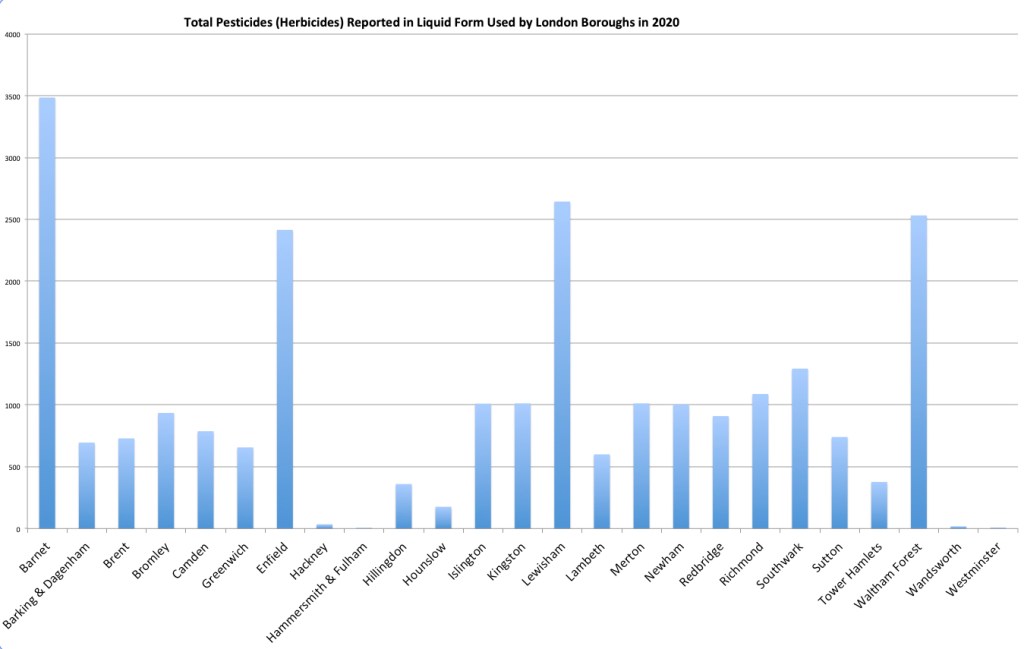
London councils are risking the health of residents and wildlife by spraying ‘cocktail’ of toxic pesticides.

According to Pesticide Action Network UK, recently released information reveals that London’s local authorities are using a staggering 22 potentially harmful chemicals to remove weeds on London’s streets, parks and playgrounds.

The list includes seven pesticides linked to cancer and nine groundwater contaminants threatening aquatic wildlife.

Glyphosate, a synthetic herbicide, was found to be the most commonly used pesticide with over 26,000 litres, equivalent to 130 bath tubs – sprayed in London’s public spaces over the past three years.

In 2017, the World Health Organisation labelled glyphosate a ‘probable human carcinogen’. Since then, the manufacturer, Bayer/Monsanto, has been battling with billion dollar lawsuits from thousands of plaintiffs alleging that exposure to the company’s glyphosate-based products caused non-Hodgkin’s lymphoma.

“It is absolutely clear that glyphosate can cause cancers in experimental animals”, affirmed former Director of the US Agency for Toxic Substances and Disease Registry, Chris Portier, who worked on the IARC, International Agency for Research and Cancer review on glyphosate.

“And the human evidence for an association between glyphosate and cancer is also there, predominantly for non-Hodgkin’s lymphoma”, added Portier.

Pesticides can impact our health; they are capable of causing different types of cancer, including leukaemia and non-Hodgkin’s lymphoma, are endocrine disruptors, which interferes with hormone systems, therefore causing birth defects, developmental disorders, infertility and sexual function.

In addition, they are considered a neurotoxin affecting nerve tissues and the nervous system. Children and expectant mothers are the most susceptible to the effects of pesticides.

A recent study published in Environmental Research demonstrates that exposure to glyphosate and its breakdown product reduces pregnancy length, increasing the risk of preterm birth. Preterm births occur when a fetus is born early or before 37 weeks of complete gestation.

“We are in the midst of a biodiversity crisis with species such as bees declining rapidly and pesticides named as a key driver. We also know that children are more vulnerable to the impacts of pesticides because their bodies are still developing. But despite these serious public health and environmental concerns, most London councils are routinely using chemical weed-killers for no other reason than keeping places looking ‘neat and tidy’”, said Nick Mole from PAN UK.

YouGov polling released alongside PAN UK’s research reveals that half (49%) of Londoners would support a ban on the use of weed-killers in their local area, with just 18% opposing. Approximately one third (32%) didn’t know whether they would support a ban, highlighting there’s still lack of information on the subject, as councils are not obliged to notify residents when spraying is taking place.

Source: Data presented based on PAN UK collation and analysis of the Freedom of Information requests to thirty-two London borough councils in September and October 2021. 31 councils responded (all but Ealing Council).

The good news is that there are already more than 40 UK councils which have gone pesticide-free, including the London Boroughs of Hammersmith and Fulham in 2016, and most recently Lambeth.

“While it’s encouraging to see so many councils take steps to make parks safer for people and wildlife alike, there is a real lack of joined-up thinking. Our capital’s pavements remain largely forgotten and continue to be sprayed often, just meters away from people’s doorsteps and designated ‘wildlife-friendly’ spaces. Councils are letting residents down and undermining their own positive efforts to support nature”, mentioned Emma Pavans de Ceccatty from PAN UK.

In the run-up to the 2021 London Mayoral elections, candidates from all political parties publicly agreed that ending pesticide use was a vital steep to meeting challenges linked to climate, nature restoration and the health and well-being of people using green spaces.

Sadly, PAN UK’s research reveals that more than two-thirds of councils have no plans to stop spraying the streets with toxic pesticides.

Dr. Marcos Orellana, the United Nations Special Rapporteur on toxics and human rights, identifies a non-toxic environment as one of the substantive elements of the right to a safe, clean, healthy and sustainable environment where people can live, work, study and play.

Orellana highlights State obligations, business responsibilities and good practices related to ensuring a non-toxic environment by preventing pollution, eliminating the use of toxic substances and rehabilitating contaminated sites.

With one month to go until London local elections, Londoners should secure commitments from candidates to phase out pesticide use. PAN UK is urging voters to attend borough events to call on their prospective councillors to support going pesticide-free.

As we continue to face the effects of multiple crises, including the Covid-19 pandemic, a conflict in the Ukraine, an economic, energy and climate crisis, we must make every effort to remain focused on our right to live in a clean and safe environment.

Hidden Hazard in UK Diet a Threat to Your Health

Monica Piccinini

30 Mar 2022

‘Seeing is believing’; a widely used phrase and highlights a human characteristic that is perhaps at the heart of some significant health threats humanity is facing.

The current Covid-19 pandemic has brought many to the realisation that ‘invisible’ threats can be killers and safety can only be achieved through a belief in the invisible, followed by a series of steps to protect oneself against the danger, i.e. mask wearing, social distancing and vaccinations. When there is nothing to see, should we deny existence? Another such obscure killer is the wide spread use of toxic pesticides.

Pesticides have been used for centuries in various settings; in agriculture, sprayed on our lawns, parks and playing fields, streets, pavements, public spaces, etc.

Thanks to science and extensive research, we now have a much deeper and wider knowledge of the damage pesticides can cause not only to our health, but also to biodiversity, the air we breath, the water we drink, soil, plants, wildlife and everything else it touches.

How are we exposed to pesticides and what are their effects?


Exposure to pesticides can occur in various ways: by inhalation (breathing), dermal (absorbed by our skins), or ingestion (water and food).

These chemicals can cause acute toxicity, meaning that after one single episode of inhalation, ingestion or skin contact, it can cause harmful or lethal effects. The results can be presented as an allergic reaction; eye and skin irritation, headaches, and in extreme reactions confusion and loss of consciousness, respiratory complications, seizures and death.

They can also cause chronic toxicity (long term), after being exposed over a long period of time. Long-term exposure has been linked to many health issues, including depression, anxiety, ADHD, Parkinson’s disease, asthma, attention deficit and cancer, including non-Hodgkin’s lymphoma and leukaemia.

Pesticides used in agriculture can leave traces of chemicals in our food known as residues. Residues detected on a specific food item will depend which pesticides are used and how persistent they are. Some food may contain one single residue or multiple ones (‘cocktail effect’).

An alternative to consuming food containing different types of pesticide residues is to opt for organic products. Obviously, not everyone is able to afford them.

Are pesticides eliminated after peeling and washing fruit and vegetables?

Washing and peeling may reduce exposure, but some residues are present not just on the surface, but within the entire piece. So, by simply washing, it will not eliminate residues within the food item.

According to Pesticide Action Network UK, 123 different pesticide residues were found in our food in the UK, some of which are linked to serious health problems, such as cancer and disruption of the hormone system (endocrine disruption), including reduction of semen quality and fertility, genital malformations, prostate cancer, diabetes, obesity, early puberty, cysts in the ovaries, uterus anomalies, breast cancer, hyper and hypo thyroidism and thyroid tumours.

We should all be aware of the implications caused by ingesting food containing not only one but also multiple pesticides (‘cocktail effect’), especially if consumed over a long period of time, during our childhood, adult life and especially during pregnancy.

The ‘Dirty Dozen’

Pesticide Action Network UK have produced a list of the ‘dirtiest’ fruit and vegetables based on UK government data, revealing the percentage of samples that contain residues of more than one pesticide. The list is called the ‘Dirty Dozen’. The results reveal a staggering amount of pesticides found on the ‘Dirty Dozen’ products, more than one hundred different types.

Based on data from PAN UK analysis in September 2021 of the UK Government’s Expert Committee on Pesticide Residues in Food (PRiF) annual reports between 2018 and 2020, the following products are considered to contain the highest levels of pesticides residues:

Grapefruit (99%); soft citrus, such as mandarins and satsumas (96%); strawberries (89%); oranges (87%); dried grapes (82%); herbs (81%); pre-packed salad (81%); grapes (80%); lemons (75%); pears (69%); peaches and nectarines (67%), spinach (57%).

According to PAN UK, inadequacy in the UK government’s pesticide testing has been reported. The number of annual samples was reduced in over a quarter from 3,450 in 2016 to 2,460 in 2020.

There is also inconsistency in the way that some products are tested. For example, tomatoes might be tested one year and not the next, and only a small amount of tomatoes consumed in the UK are tested.

In 2020, the UK government chose to test just three types of fruit and vegetables included on the 2019 ‘Dirty Dozen’, leaving aside three-quarters of the previous year’s produce of concern.

UK trade deals


“How the UK chooses to govern pesticides will have profound implications for the health of citizens, the natural environment, and the future of UK farming”, said Sarah Haynes, collaboration coordinator at Pesticide Action Network UK.

UK trade deals with Australia, Brazil, Canada, India, Mexico and the United States, may open doors to more products containing high level of pesticides.

Brazil is the world’s third largest user of pesticides, only behind China and the US, allowing almost double the amount of highly hazardous pesticides to be used (131), compared to the UK (73). For instance, lemons grown in Brazil have 200 times the amount of insecticide dimethoate than in the UK. Dimethoate has been linked to cancer and is banned in the UK.

A total of 33 organophosphates (synthetic compounds that are neurotoxic in humans) are permitted in Australia, 26 in the US and 4 in the UK and EU. Australian grapes can contain 6,000 times the amount of the fungicide iprodione than UK grapes. Iprodione is linked to cancer and is a suspected endocrine disrupter.

Canadian wheat is allowed to contain 100 times the amount of the herbicide diuron than UK wheat. Diuron is a suspected endocrine disruptor with links to cancer. It can also negatively impact sexual function and fertility.

“This flies in the face of Government promises not to sign a trade deal which compromises UK environmental protection and food standards. After all the warm words, it looks like the UK-Australia trade deal will finally reveal which standards the Government is willing to fight for. Any weakening of pesticide standards in an Australia deal makes it all but inevitable we will do the same with the CPTPP (Comprehensive and Progressive Agreement for Trans-Pacific Partnership), allowing sub-standard imports from 11 countries”, said Josie Cohen, Head of Policy and Campaigns at PAN UK.

These trade deals have greater ramifications. It means UK farmers will have to compete with cheaper products containing higher level of pesticides, forcing them to follow the same route or forced to get out of business altogether. This will be catastrophic for everyone.

According to a report released in January 2022 by the United Nations Human Rights Council, the toxification of planet Earth is intensifying. While a few toxic substances have been banned or are being phased out, the overall production, use and disposal of hazardous chemicals continues to increase rapidly.

Production of chemicals doubled between 2000 and 2017, and is expected to double again by 2030 and triple by 2050. According to the United Nations Environment Programme (UNEP), the result of this growth will be increased exposure and worsening health and environmental impacts unless ambitious, urgent and worldwide collaborative action is taken by all stakeholders and in all countries.

Why is it that pesticides, which are a class of chemicals, do not have to go through a testing regime similar to the clinical trials that pharmaceutical drugs are put through? Someone must urgently answer this question!

Assured Food Standards Red Tractor May Be Failing UK Farmers, Consumers and the Environment

Monica Piccinini

15 Mar 2022

A recent report published by the Nature Friendly Farming Network, with the support of Pesticide Action Network UK and RSPB, the Royal Society for the Protection of Birds, reveals that Red Tractor, the UK’s largest food standards label, is ‘failing to regulate’ pesticides, which may tarnish their reputation as a label of stronger environmental protection.

“If we’re to have any hope of solving the biodiversity crisis, then we must move away from our dependence on pesticides. But Red Tractor standards continue to prioritise the use of chemicals, without placing limits on how much or where they can be used. Unlike many UK supermarkets, Red Tractor allows its farmers to use any legal pesticide product, regardless of concerns over impacts on human health or the environment”, said Josie Cohen, Head of Policy and Campaigns at PAN UK.

Red Tractor certifies around 50,000 farmers across the UK and covers the entire food supply chain, including animal welfare, food safety, traceability and environmental protection. Their logo appears on a wide range of UK products, including meat, vegetables and dairy.


The report identifies inadequacies within Red Tractor’s approach to pesticides, including the lack of any targets to reduce use, as well as failing to demand certified farmers to adopt some farming standards, such as the use of beneficial insects to control pests, selecting pest and disease resistant crop varieties, rotating crops regularly and applying less harmful bio-pesticides.

Martin Lines, co-author of the report, farmer and Chair of the Nature Friendly Farming Network, said:

“Our interviews with Red Tractor certified farmers have revealed that the standards are barely encouraging, let alone supporting, farmers to reduce their pesticide use. There are many UK farmers working hard to switch to using non-chemical alternatives and its time Red Tractor, as our largest farm and food assurance scheme, becomes a key player in driving the transition to more sustainable farming systems. Farmers want, and need, their support to work with nature instead of against it”.

The authors of the report conducted various interviews and surveys with three of the UK’s largest supermarkets, revealing a significant gap between how Red Tractor is viewed by consumers and retailers.

The public perception of Red Tractor certified farmers is that they operate under stricter obligations compared to their non-certified counterparts, whereas supermarkets view them as a baseline standard, which doesn’t go beyond assuring that farmers are sticking to national pesticides laws and regulations.

“Confirming that farmers are abiding by the law should be a role for the Government, rather than a private company like Red Tractor. People understandably expect standards to go beyond the law to offer a higher level of environmental protection, for wildlife and society. We urge Red Tractor to strengthen its approach to pesticides so that farmers feel supported to reduce their use, and retailers and their customers can rest assured that a Red Tractor means that food has been grown more sustainably”, said Steph Morren, Senior Policy Officer at RSPB.

The authors of the report are prepared and committed to work with Red Tractor in order to implement a set of recommendations, including prohibiting the use of the most harmful pesticides by selecting non-chemical alternatives, placing more emphasis on non-chemical methods for managing pests, diseases and weeds, introducing measures to support farmers, amongst many others.

It’s a well-documented fact that pesticides are silent, invisible and ruthless killers. They can have a long lasting and tragic effect on our health and the environment, causing diseases from mild to severe, such as depression, allergies, cancer, liver disease, DNA damage, reproductive failure, endocrine disruption and many more. They can also impact our environment leading to groundwater contamination, micro biome disruption, air pollution, poisoning of birds, mammals, fish and bees.

The intensive use of pesticides may also influence our immunological system promoting obesity and vulnerability to COVID-19.

Food production is one of the sectors that may be hit the most due to the Russia-Ukraine conflict and Brexit, therefore we must make sure that food quality standards are not lowered and heavily impacted, and as consumers, we may end up having to compromise on our health and the environment.

“The most alarming of all man’s assaults upon the environment is the contamination of air, earth, rivers, and sea with a dangerous and even lethal materials. This pollution is for the most part irrecoverable; the chain of evil it initiates not only in the world that must support life, but in living tissues is for the most part irreversible”- Rachel Carson (Silent Spring – 1962).

Toxic Side Effects of a UK-Brazil Free Trade Agreement

Monica Piccinini

23 Feb 2022

A recently released report from Pesticide Action Network (PAN-UK), reveals that a potential trade deal between the UK and Brazil is being considered. If a trade deal between both countries goes ahead, the UK population could be consuming products containing higher level of pesticides, which could have a direct impact not only on public health, but also on the environment.

“The UK Trade Secretary is promoting trade with Brazil as providing ‘real opportunities to go further on green trade’. Meanwhile, Brazil’s overuse of highly toxic pesticides is contributing to the destruction of the Amazon and other crucially important ecosystems, contaminating water and poisoning farmworkers and communities. And yet the government has provided no detail on how it will ensure that Brazilian food sold on UK shelves is not contributing to the global climate and nature crises”, said Josie Cohen, Head of Policy and Campaigns at Pesticide Action Network, PAN UK.

Brazil is the world’s third largest user of pesticides, only behind China and the US, allowing almost double the amount of highly hazardous pesticides, HHP’s, to be used (131), compared to the UK (73). For instance, lemons grown in Brazil have 200 times the amount of insecticide dimethoate than in the UK. Dimethoate has been linked to cancer and is banned in the UK.

The UK already imports large amounts of food (meat, fruit and vegetables) and soya for animal feed from Brazil. Food imports are subject to UK safety limits for the amount of pesticides residues allowed to a particular item, but no limits are placed on feed.

Soya beans are Brazil’s largest export to the UK, worth approximately 220 million USD in 2020. The majority of it is genetically modified (GM), and at least 90 per cent of it is fed to animals.

A large amount of the meat British people buy, including beef, dairy and chicken reared in the UK, have been fed on soya grown on deforested land using toxic pesticides.

“Most UK consumers have no idea that some of the meat they are eating has been fed on soya grown using highly toxic chemicals. Right now, the UK government is talking a good game on reducing pesticide harms in the UK, but appears to have no problem with exporting our environmental and human health footprints to Brazil”, mentioned Vicky Hird, Sustainable Farming Campaign Coordinator at Sustain.

In February 2021, Defra signed a “memorandum of understanding” with the Brazilian government with the intention to facilitate trade in agribusiness between Brazil and the UK. The Brazilian agriculture minister, Tereza Cristina Corrêa da Costa Dias, nicknamed by Brazilians as “poison muse”, said that the UK would eventually become more aligned with international rules on food safety.

“The UK government continues to pursue increased agricultural trade with Brazil, but the intensification of agricultural production there has been linked with deforestation and highly hazardous pesticides which harm wildlife and ecosystems. The UK should ensure that it is not contributing to the problem”, said Dr. Emily Lydgate, specialist in environmental law at the University of Sussex.

Brazil’s president, Jair Bolsonaro, has continuously developed a close and special relationship with pesticides. He recently incorporated a presidential decree (10.833/2021), amending the 1989 pesticides law, by making the approval process of pesticides even more flexible, including the approval of chemicals that have already been banned in the US and Europe.

With the new amendment, chemicals that cause cancer, genetic mutations and fetal malformation, will be given approval to be used as well as manufactured, if a “safe exposure limit” is determined.

Additionally, the current Brazilian legislation does not provide for a minimum period for the renewal of pesticides licensing. Pesticides that have been in the Brazilian market for more than 4 decades are still being used today, without ever undergoing an assessment of environmental and health issues.

The approval process of pesticides in Brazil has never been made easier, as more power has been given to the Ministry of Agriculture on the decision making process, leaving ANVISA (National Health Surveillance Agency) and IBAMA (Brazilian Institute of Environment and Renewable Natural Resources) excluded from the final decision.


An increase in agriculture exports from Brazil to the UK may also pose a threat to British agriculture, increasing the pressure on farmers to escalate the use of pesticides to compete with cheaper products grown on a larger scale.

Beef and soya production in Brazil plays a major role in the deforestation of the Amazon rainforest, as well as devastation of the Cerrado region, the home of 5% of the world’s plant and animal species.

Pesticides have also contaminated Brazilian water. According to a 2021 study, freshwater bodies in 80% of Brazilian states are now contaminated with herbicides such as glyphosate, posing a direct threat to aquatic species and ecosystems.

Drinking water in Brazil can contain glyphosate levels of up to 500 micrograms per litre. In the UK, the current for drinking water is 0.1 microgram per litre, 5000 times lower than the level in Brazil.

Another catastrophe reported on a regular basis is the countless poisoning incidents in Brazil caused by pesticides aerial spraying. A report published by Publica estimated that between 2007 and 2017, pesticides poisoned approximately 6,500 children, all under the age of 14.

In September 2020, Science Direct reported adverse effects of pesticides on the function of our immune system, which could affect how we fight Covid-19. Additionally, a new study performed in human lung airway cells is one of the first to show a potential link between exposure to organophosphate pesticides and increased susceptibility to COVID-19 infection.

“We have identified a basic mechanism linked with inflammation that could increase susceptibility to COVID-19 infection among people exposed to organophosphates,” said Saurabh Chatterjee, PhD, from the University of South Carolina and a research health specialist at the Columbia VA Medical Center and leader of the research team.

Pesticide Action Network UK has made some key recommendations to the UK government, including putting additional measures in place to ensure that Brazilian agricultural imports are not driven pesticide-related harms to either human health or the environment in Brazil.

Another proposal would be not allowing any weakening of UK pesticide standards as a result of an increase in trade with Brazil and preventing UK farmers from being disadvantaged by cheap food imports produced to weaker pesticide standards in Brazil.

The impact pesticides cause to our health and the environment is undeniable. It doesn’t only affect human life, but also the Amazon rainforest, the Cerrado, the soil, the air, wildlife and the water, speeding up the destruction of the world’s most precious ecosystems.

We only have one life and one planet. It is our duty to protect them both in order to guarantee our survival!