New research reveals that a significant number of commonly consumed food items in the UK contain persistent PFAS pesticides, raising concerns about their potential impact on human health and the environment.
Pesticide Action Network UK (PAN UK) conducted an analysis on the most recent findings from the UK government’s residue testing programme. The results unveiled the presence of 10 distinct PFAS pesticides in various fruits, vegetables, and spices such as grapes, cherries, spinach, and tomatoes. Among these, strawberries emerged as the primary culprits, with PFAS detected in 95% of the 120 samples examined.
Approximately 10,000 chemicals have been classified as ‘forever chemicals’ due to their persistent nature, enabling them to remain in the environment and accumulate in the bloodstream, bones, and tissue of various organisms, including humans. The degradation period for PFAS in the environment is estimated to vary from a decade to well over 1,000 years.
According to CHEM Trust, a recent study found that PFAS have been detected as far as in the Arctic (123 tons) and North Atlantic oceans (110 tons).
Dr. Shubhi Sharma from CHEM Trust explained:
“PFAS are a group of entirely human-made chemicals that didn’t exist on the planet a century ago and have now contaminated every single corner. No one gave their consent to be exposed to these harmful chemicals, we haven’t had the choice to opt out, and now we have to live with this toxic legacy for decades to come. The very least we can do is to stop adding to this toxic burden by banning the use of PFAS as a group.”
Health and Environmental Impact
Despite significant evidence illustrating the widespread presence of ‘forever chemicals’ in the bloodstreams of most individuals, there is a scarcity of research in the UK exploring the associated health issues. This circumstance is often exploited by both the government and the chemicals industry to postpone necessary actions.
Nonetheless, peer-reviewed research carried out in other nations have established links between PFAS exposure and various severe health concerns, such as increased cancer risk and reductions in fertility as well as the immune system’s capacity to combat infections.
Childhood exposure to PFAS is of significant concern due to its association with behavioural changes, developmental effects, and delays in children, including low birth weight and accelerated puberty.
Nick Mole, PAN UK’s policy officer, noted:
“Given the growing body of evidence linking PFAS to serious diseases such as cancer, it’s deeply worrying that UK consumers are being left with no choice, but to ingest these chemicals, some of which may remain in their bodies long into the future.
“With some plastic food packaging also contaminated with PFAS, and PFAS present in UK drinking water and soil, we urgently need to develop a better understanding of the health risks associated with ingesting these ‘forever chemicals’ and do everything we can to exclude them from the food chain.”
Currently, there are 25 PFAS pesticides being used in the UK, six of them falling under the classification of ‘Highly Hazardous‘. Among these is lambda-cyhalothrin, an insecticide considered both a ‘forever chemical’ and extremely toxic to both humans and bees.
The Environment Agency doesn’t conduct regular sampling of rivers for any of the 25 PFAS pesticides presently used in the UK. Consequently, the degree to which these chemicals are leaching off agricultural lands to pollute rivers and other water reservoirs remains uncertain.
In 2022, an astounding 9,200 kg of lambda-cyhalothrin was administered across 1.69 million hectares of UK land, which equals 11 times the size of Greater London. Typically, farmers remain unaware that they are applying ‘forever chemicals’ to their crops as there is no label information provided.
As per PAN UK’s analysis of the latest testing results from the UK Government Expert Committee on Pesticide Residues in Food (PRiF) in 2022, the 10 PFAS pesticides identified in UK food were as follows:
PAN UK’s discoveries align with recent studies indicating that traces of 31 distinct PFAS pesticides were identified in European fruit and vegetables from 2011 to 2021.
“Pesticides are the only chemicals that are designed to be toxic and then release intentionally into the environment. Despite this, the UK government’s much-delayed plans for limiting the negative impacts of PFAS focus solely on industrial chemicals, ignoring pesticides entirely.
“PFAS pesticides are absolutely unnecessary for growing food and are an easily avoidable source of PFAS pollution. Getting rid of them would be a massive win for consumers, farmers, and the environment”, added Mole.
The Department for Environment, Food and Rural Affairs (Defra) spokesperson shared the following statement:
“We set strict limits on the pesticides residue levels in both food for consumers and feed for animals. These limits are set to protect public health and are set below the level considered to be safe for people to eat as well as applying to both food produced in the UK and those imported from other countries.”
PAN UK is urgently calling on the UK government to ban the 25 PFAS pesticides currently in use and to increase support for farmers in shifting away from chemical dependency towards safer and more sustainable alternatives. In line with health and environmental NGOs, the organisation is emphatically advocating for the UK to work towards achieving a PFAS-free economy by 2035.
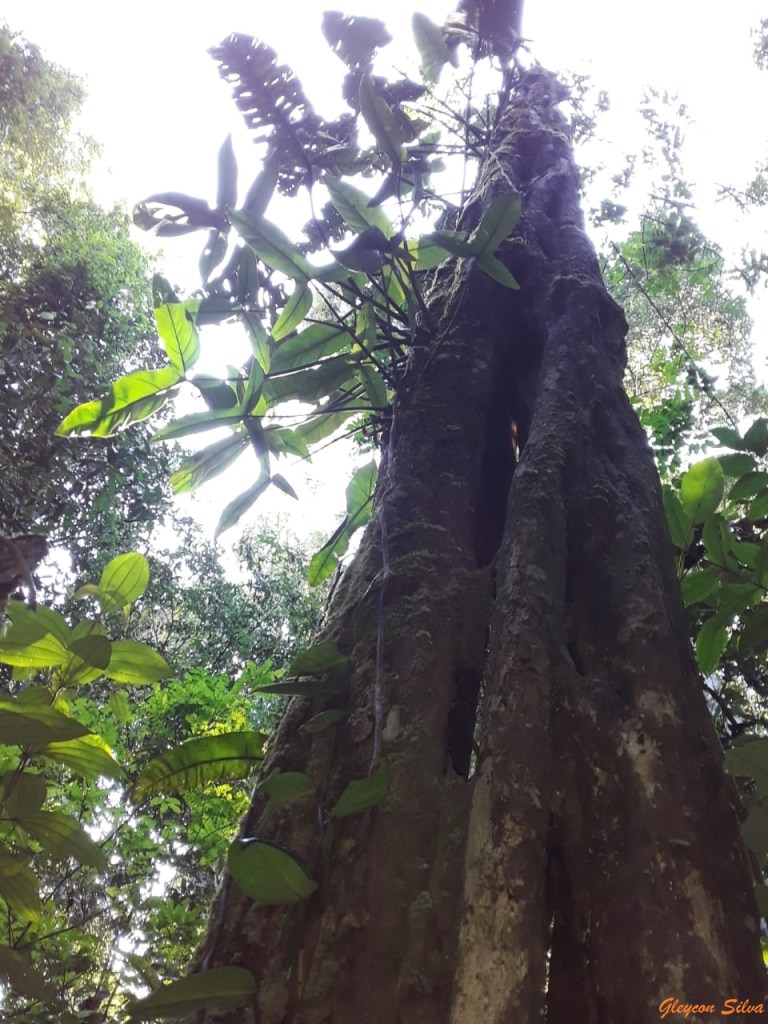
Preserving the Amazon rainforest isn’t just an environmental concern; it’s a matter of survival. It’s the most biodiverse place on the planet, a reservoir of life-saving medicines, and a critical regulator of our planet’s climate. Our health, our survival, and the balance of our world rely on its protection.
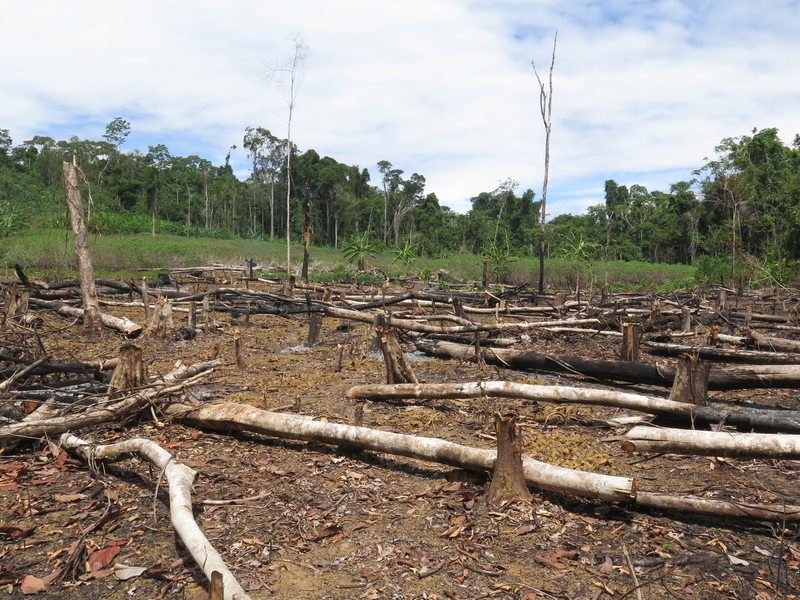
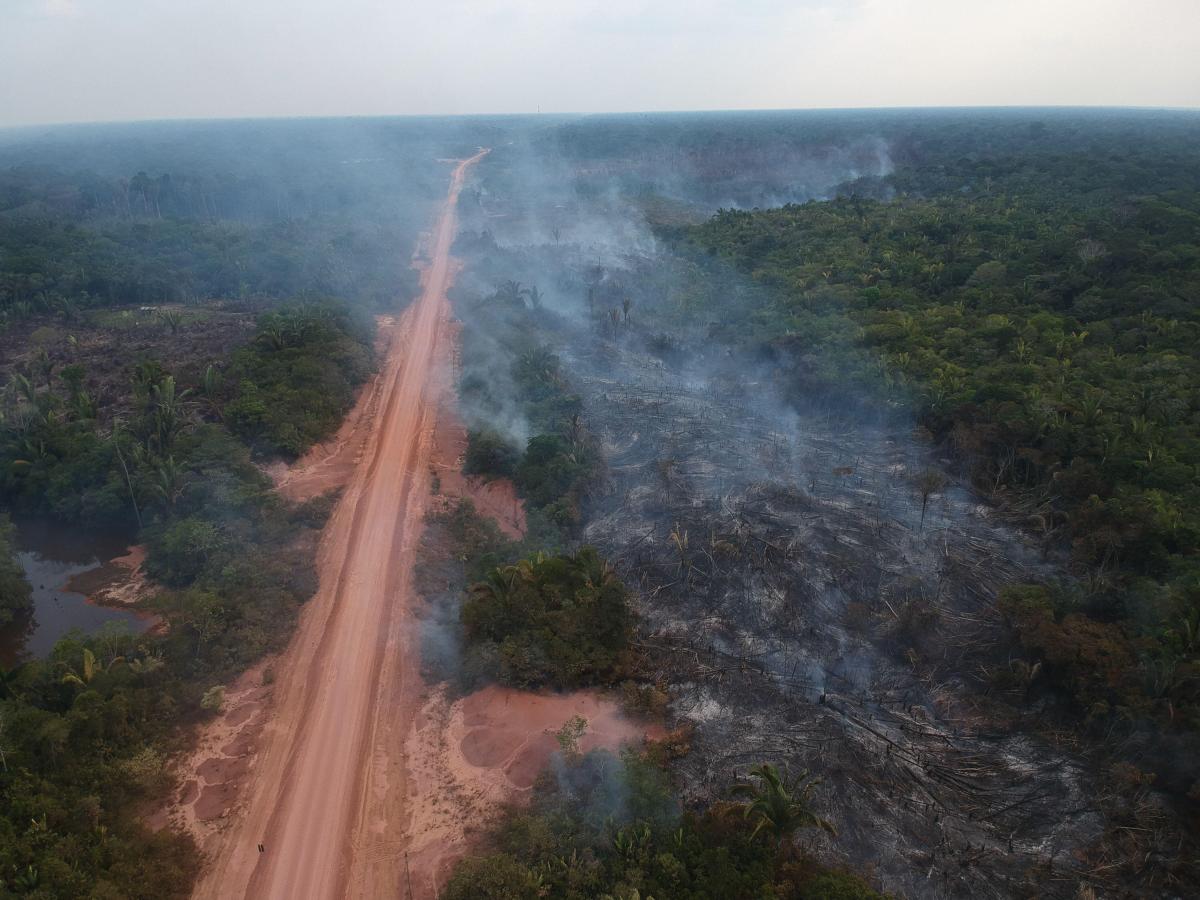
The Amazon’s diverse ecosystem is under threat from rampant deforestation, degradation, and climate change, jeopardising its ability to act as a carbon sink. This degradation increases the likelihood of zoonotic diseases emerging and spreading, posing a significant public health risk for Brazil and the world.
Climate change, deforestation, alterations in land use, agricultural expansion, livestock farming, mining activities, biodiversity loss, urbanisation, oil and gas extraction, and large-scale infrastructure developments, such as road and dam construction in the Amazon rainforest, have all been associated with the rise and spread of infectious diseases. These include dengue, yellow fever, malaria, Zika virus, Chikungunya fever, Candida auris, leishmaniasis, Oropouche virus, hantavirus, and numerous others, with the possibility of also introducing novel pathogens.
In 2023, Brazil recorded 1,079 deaths from dengue fever, a 20.9% increase compared to the previous year. According to the Ministry of Health, between January 1 and January 30, the country reported over 217,000 cases, marking a significant 233% increase from the same period in 2023, when there were just over 65,000 cases.
According to a report published by the World Health Organisation (WHO) in 2023, the country experienced around 2.9 million suspected cases of dengue. This significant rise in dengue cases may be attributed to factors such as the El Niño phenomenon, deforestation, and the impact of climate change, which can lead to more frequent and severe weather events.
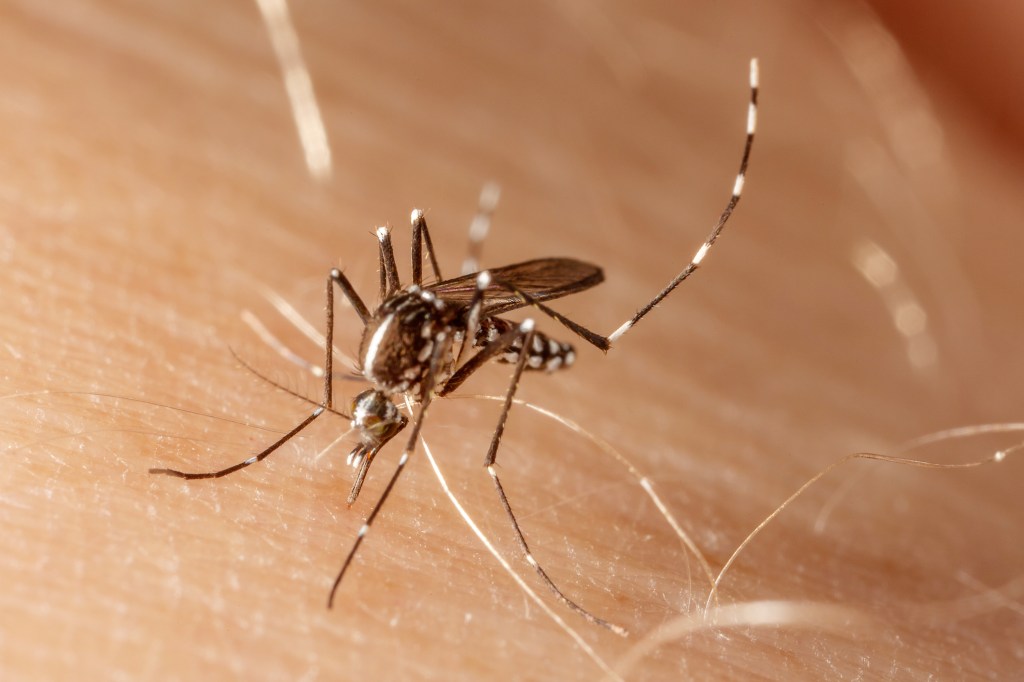
The Aedes aegypti mosquito is the vector for transmitting diseases such as the dengue virus, yellow fever, Zika, and chikungunya viruses.
Brazil’s Health Surveillance Foundation (FVS) has recently reported that a new strain of the Oropouche virus has been responsible for outbreaks in the Brazilian Amazon region over the past two years. In the state of Amazonas alone, there were 1,066 recorded cases of the virus between 2023 and 2024.
Oropouche fever is caused by an arbovirus transmitted through the bite of a mosquito called Culicoides paraense, commonly known as maruim.
The Largest Biodiversity Reservoir on the Planet
The Amazon rainforest is recognised as one of the largest reservoirs for zoonotic diseases, which can be transmitted from animals to humans. Numerous scientists have consistently warned about the environmental imbalances linked to the escalating prevalence of infectious diseases and have drawn attention to the imminent risk of a deadly pathogen emerging from the Amazon rainforest.
The interaction between humans and wild species, along with their pathogens, creates opportunities for the emergence of zoonotic diseases, facilitating the transmission of new pathogens across various host species, a phenomenon known as “spillover“, leading to the introduction of novel infections into the human population.
For spillover events to happen, there must be interaction among different species and favourable conditions for pathogens to spread among humans. One example is the transmission of bat-borne diseases, such as rabies, in the Amazon rainforest. This is often associated with factors like deforestation, agricultural expansion, and the presence of livestock, which increase contact between these animals and humans and facilitate the transmission of infections.
Various types of animals, including monkeys, bats, and mosquitoes, can serve as carriers or vectors of infectious diseases to humans, as they carry pathogens like viruses, bacteria, fungi, parasites, and prions. Transmission of these pathogens to humans can occur through direct contact with these animals or via water, food, or the surrounding environment.
Sars, Ebola, Hendra, and Nipah are examples of pathogens from bats that have triggered outbreaks in the human population.
Climate Change
Joel Henrique Ellwanger, biologist and researcher at the department of genetics at Federal University of Rio Grande do Sul (UFRGS), mentioned:
“Climate change will trigger important ecological changes in the Amazon, many of them with the potential to reduce its biodiversity, facilitating the spread of known disease vectors and increasing the chances of new diseases emerging.”
The impact of climate change and deforestation is causing a surge in extreme weather events and rising temperatures. These conditions are impacting the quantity of vectors, transmission patterns and interspecies interactions, driving the spread of infectious diseases across the Amazon region and throughout Brazil.
Parintins, Brazil. 08th Nov, 2023. Boats stand side by side in a narrow riverbed outside the community. The drought causes difficulties for the river dwellers in terms of fishing, but also traffic. Villages in the region are linked by rivers. The green lung of the planet, the Amazon basin in South America, is experiencing an unprecedented crisis. The world’s largest rainforest area is suffering from the worst drought in over a century. Credit: Aguilar Abecassis/dpa/Alamy Live News
Severe droughts in the Amazon rainforest can create conditions to the spread of various diseases, such as dengue. During periods of limited rainfall, residents often resort to storing water in tanks, consequently creating breeding grounds for mosquitoes.
“For instance, as temperatures rise, mosquitoes become more active and reproduce at a higher rate. Furthermore, changes in climate may cause animals carrying pathogens to migrate to areas where humans reside,” said Ellwanger.
The increase in cases of Candida auris, a fungus resistant to multiple drugs associated with hospital-acquired infections, may be caused by higher temperatures resulting from climate change. This pathogen affects severely ill patients, including both adults and children, who are receiving intensive care in hospitals across the globe.
Ellwanger explained how climate change may have played a role in the surge of Candida auris:
“Climate change can influence the evolution of pathogens. Certain microorganisms, once unable to infect humans because they were accustomed to lower temperatures, are now adapting to warmer conditions that mimic the human body’s warmth. This adaptation creates the potential for these microorganisms, typically present in soil and similar settings, to infect humans and cause illnesses. This phenomenon is believed to have happened with Candida auris.”
Studies suggest that deforestation, biodiversity loss and habitat degradation create pathways for disease agents to transition from the diverse reservoir of various coronaviruses and pathogens in the region into the human population. The Amazon’s vulnerable healthcare system additionally complicates the detection and containment of any emerging pandemic from this area.
When exploring the emergence of epidemics, urbanisation becomes another critical factor to consider. It contributes to the depletion of forested areas, consequently increasing the risk of infectious diseases in regions like the Amazon rainforest. The outbreak of Zika virus infection in Brazil has been associated with urbanization and the loss of forested lands.
Infrastructure Projects
The construction of roads in the Amazon rainforest contributes to deforestation, forest fires, biodiversity decline, increased hunting activities, and human migration, directly impacting the dynamics of infectious diseases.
Between 1970 and 1973, the building of the Trans-Amazonian highway, known as BR-230, led to the influx of around 22,000 individuals to the area. These individuals encountered disease vectors, exposing them to various illnesses such as malaria, leptospirosis, leishmaniasis, Chagas disease, Mayaro fever, yellow fever, and numerous others.
A study published in the Journal of Racial and Ethnic Health Disparities warns that the reconstruction of the Amazon’s BR-319 highway could result in devastating environmental effects, including an increased risk of zoonotic spillovers, potentially leading to new pandemics.
The Amazon’s BR-319 highway, extends 885.9 km and connects the central Amazonian capital Manaus to the southern boundary of the forest in Porto Velho, crossing through one of the most preserved sections of the forest. Deforestation along the central portion of the BR-319 has already resulted in a 400% increase in malaria cases.
A recent study published in Nature alerts that the initiatives of President Luiz Inácio Lula da Silva’s administration to construct roads and pursue oil exploration in the Amazon area may potentially trigger a new worldwide pandemic.
The construction of hydroelectric dams in the Amazon rainforest also raises significant concern. One example is the Belo Monte hydroelectric dam complex in Brazil, located in the northern region of the Xingu River within the state of Pará. This project has significantly changed the landscape of the Brazilian Amazon, inundating an area of approximately 516 km2.
Flooding dry regions within the rainforest leads to loss of biodiversity and creates habitats suitable for disease vectors like mosquitoes, thereby intensifying the proliferation of viral and parasitic illnesses.
Dams can lead to the displacement of communities and the migration of populations drawn to forested regions, potentially increasing human-wildlife interactions, and the transmission of infectious diseases.
The implementation of proposed projects in the Amazon rainforest, including the reconstruction of BR-319 highway and the exploration of oil, could result in catastrophic and irreversible consequences, including an increase and spread of infectious diseases, due to environmental degradation in the region.
“Meat connects different points involving the degradation of the Amazon and emerging diseases. Cattle farming is one of the main factors in the degradation of the Amazon biome, thus facilitating the spread of pathogens in the region. Hunting and the consumption of wild animal meat is a problem both for the conservation of species and for public health, as it reduces animal biodiversity and increases the chances of spillover events. Regrettably, this issue remains largely overlooked and is often deemed taboo in Brazil,” explained Ellwanger.
Studies suggest that intensified agriculture and forest conversion for farming and pasture for cattle, increase human-pathogen interaction, promoting the emergence of viral, bacterial, and parasitic infections.
Professionals in the meat industry regularly interact with livestock animals and may lack adequate working conditions to reduce the risk of zoonotic pathogen transmission. Additionally, they may have limited knowledge about the health risks associated with their work activities.
Slaughterhouses within the Amazon region are implicated in the processing of animals sourced from deforested areas and may be operating without any form of health inspection.
Another concern is the excessive use of antimicrobial drugs in veterinary practice. The main drivers of antimicrobial resistance (AMR) include the overuse of antibiotics in livestock for growth promotion and prevent diseases, particularly in intensified livestock farming.
The World Health Organisation (WHO) describes AMR as the overlooked pandemic. Some of the latest figures suggest that AMR will cause 10 million deaths by the year 2050, more than from cancer, diabetes and pneumococcal diseases combined.
According to Cóilín Nunan, scientific adviser to the Alliance to Save Our Antibiotics, certain types of antibiotics used in animal farming have led to the rise and spread of livestock associated strains of MRSA and Clostidrium difficile.
Oxford University scientists published a study revealing Escherichia coli bacteria that have developed resistance to colistin in animal agriculture. Nunan highlights this as a significant concern, suggesting it might pose a greater threat than antimicrobial resistance (AMR) by potentially increasing the likelihood of infections in humans.
Bushmeat
The hunting and consumption of bushmeat from wild animals can also lead to spillover events, as humans come into close contact with fresh meat, blood, and organs from infected animals.
Approximately 473 tons of wild animal meat are sold annually in the Amazon rainforest, across Colombia, Peru, and Brazil.
It’s essential to recognise that a complete ban on bushmeat consumption in certain regions could impact the livelihoods of thousands who depend on this activity.
Essential Measures
In a conversation with Ellwanger regarding the essential measures required to prevent the emergence and spread of infectious diseases in the Amazon rainforest and avert the onset of a new pandemic in the region, he explained:
“Certain crucial measures must be undertaken, including improving livestock sanitary measures, increasing pathogen surveillance, upgrading environmental sanitation systems, discouraging human settlement in forested regions, boosting investments in human training and specialised labs for pathogen identification, creating new vaccines, and examining biological and social factors affecting infection susceptibility.
“The loss of biodiversity in the Amazon is mainly caused by livestock farming, mining activities and monoculture cultivation, especially soy. Combating these activities is the responsibility of the Brazilian Government by strengthening environmental protection bodies, preserving, and expanding indigenous territories, and committing to a serious environmental agenda,” added Ellwanger.
Furthermore, urgent action is needed to prioritise reducing greenhouse gas emissions globally, alongside combating deforestation and protecting indigenous territories. It’s crucial to reassess infrastructure projects and manage human activities in the region carefully. Suspending oil and gas exploration in the Amazon is essential, as is regulating the expansion of intensive agriculture, cattle farming, and mining projects.
Ellwanger explained that preserving the Amazon rainforest should be in everyone’s interest:
“The preservation of the Amazon isn’t just about protecting nature – it’s about safeguarding our own health. Let’s commit to conserving this vital ecosystem to ensure that the threats of potential pathogens stay confined to the wild, far from endangering human lives. After all, the health of the Amazon means the health of us all.”
Official statistics, examined by Pesticide Action Network UK (PAN UK), reveal that the presence of harmful pesticide mixtures in wine has increased by over threefold since 2016.
Findings from the testing programme conducted by the UK government indicate a significant rise in the percentage of wine with multiple pesticide residues, surging from 14% in 2016 to 50% in 2022.
The analysis of 72 wine samples in PAN UK’s report reveals residues of 19 pesticides, nine of which are linked to cancer. A single wine sample was discovered to contain six different pesticides.
“This massive rise in ‘pesticide cocktails’ should be of grave concern because we know that chemicals can become more harmful when combined, and yet we continue to set safety limits for just one chemical at a time. Wine lovers shouldn’t have to risk exposure to an array of hazardous pesticides when they fancy a tipple. The organic wine sector is flourishing, proving that it is 100% possible to produce wine without relying on toxic chemicals.”
The excessive use of pesticides in the production of wine not only poses a threat to the health of consumers, but also endangers the wellbeing of individuals living and working in wine-producing regions.
In a study conducted in France in October, it was found that children living near vineyards had a higher likelihood of contracting leukemia. Additionally, a Canadian research revealed that individuals employed in the wine industry were at a higher risk of developing illnesses, attributed to their exposure to elevated levels of pesticides.
A French study published in the Environmental Research journal suggested that agricultural practices and pesticides used in vineyards could have been linked to the occurrence of Parkinson’s disease.
Pesticides in Food
According to PAN UK’s findings, there seems to be a rising trend in the occurrence of pesticide combinations in the food consumed by Britons. The total percentage of fruit and vegetables with residues from multiple pesticides has consistently stayed below 48%, but this year it unexpectedly spiked to an astonishing 53%.
Mole added:
“This year’s results show that, just like our rivers, much of our food is increasingly contaminated with pesticide cocktails. We have no idea what his ongoing exposure to tens – or even hundreds – of different chemicals is doing to our health over the long term.”
In a report by PAN UK and the Soil Association, it is highlighted that despite the prevalence of pesticide cocktails and the evidence pointing to their potentially greater harm compared to individual pesticides, the UK’s regulatory system continues to assess the safety of each chemical independently. Safety evaluations for pesticide residues in our food are conducted based on the analysis of individual chemicals.
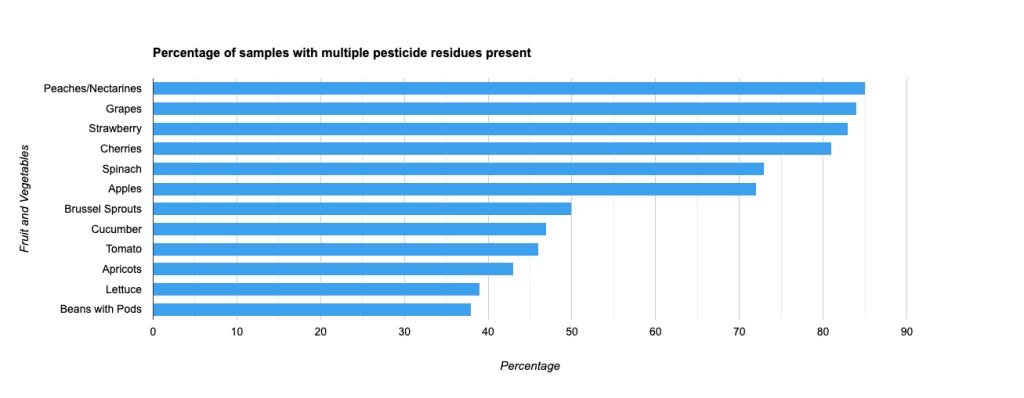
Today, PAN UK launched its yearly ‘Dirty Dozen‘ list, identifying the fruit and vegetables with the highest likelihood of being contaminated by multiple pesticides.
Source: data presented based on PAN UK analysis of the UK Government’s Expert Committee on Pesticide Residues in Food (PRiF) four quarterly data spreadsheets for 2022.
PAN UK’s analysis revealed that among 134 different pesticide residues found in all produce, 50% fall under the category of ‘highly hazardous pesticides.’ Furthermore, 45 of these are carcinogens, 25 act as endocrine disruptors, impacting hormone systems and leading to birth defects, developmental disorders, and infertility.
Additionally, 14 are considered developmental or reproductive toxins, affecting sexual function, fertility, and potentially causing miscarriages, while 10 are cholinesterase inhibitors capable of impairing the respiratory system.
“Rates of chronic diseases such as cancer and Parkinson’s are rising”, added Mole.
“We urgently need to take a precautionary approach and do everything we can to tackle pesticides in our food chain. But the UK government’s key strategy on pesticides is almost six years late now, and their proposal to introduce pesticide reduction targets never happened.
“Our new environment secretary, Steve Barclay, must do better than his recent predecessors and finally make good on the government’s promise to better protect human health and the environment from pesticides.”
The Department for Environment, Food and Rural Affairs (Defra) spokesperson said:
“In Great Britain, we set strict limits on the pesticides residue levels that are allowed to remain in both food for consumers and feed for animals. These limits are set to protect public health and are set below the level considered to be safe for people to eat. The limits apply to both food produced in the UK and those imported from other countries.”
In 2018, the UK government committed in its 25 Year Environment Plan to decrease pesticide usage and reassess the UK National Action Plan for the Sustainable Use of Pesticides (NAP) by the year’s end. However, the publication of the NAP is still pending.
“In line with Defra’s 25 Year Environment Plan, the forthcoming National Action Plan on the Sustainable Use of Pesticides (NAP) will se out our ambition to support pesticide users to maximize non-chemical control approaches. The NAP will be published in due course,” added a Defra spokesperson.
The UK is falling even further behind Europe in its efforts to remove chemicals harmful to both human health and the environment from the market.
According to a study by Pesticide Action Network UK (PAN UK), there are presently 36 pesticides authorised for use in the UK that are prohibited in EU nations.
Among the 36 approved pesticides, 13 are categorised as highly hazardous. This group includes four pesticides that pose a high toxicity risk to bees, one that contaminates water, and another that is highly toxic to aquatic organisms. The UK will continue to employ these 13 hazardous pesticides for an additional two to five years compared to EU nations.
Nick Mole, PAN UK’s policy officer, said:
“The UK is becoming the toxic poster child of Europe. The government has repeatedly promised that our environmental standards won’t slip post-Brexit. And yet here we are, less than four years later, and already we’re seeing our standards fall far behind those of the EU.
“With UK bees and other pollinators in decline, and our waters never more polluted, now is the time to be taking steps to protect nature. Instead, the government is choosing to expose British wildlife to an ever-more toxic soup of chemicals.”
Additionally, PAN UK’s study unveiled an increasing concern for human health, displayed by the following list of 36 pesticides permitted in the UK, but prohibited in the EU:
12 are classified as carcinogens, capable of causing different types of cancer, including leukaemia and non-Hodgkin’s lymphoma;
Nine are endocrine disruptors (EDCs), which interfere with hormone systems and can cause birth defects, developmental disorders and reproductive problems, such as infertility;
Eight are ‘developmental or reproductive toxins’, which have adverse effects on sexual function and fertility in both adults and children, and can reduce the number of functionality of sperm and cause miscarriages;
Two are cholinesterase inhibitors, reducing the ability of nerve cells to pass information to each other and can impair the respiratory system, causing confusion, headaches and weakness;
One is classified as acutely toxic, meaning that adverse health effects can result either from a single exposure or from multiple ones in a short period of time (usually 24 hours).
The majority of the chemicals in question (30) were allowed for use in the EU when the UK left on 31 January 2020, but have since been removed from the EU market. The remaining six chemicals have been approved by the UK government, but not in the EU, since Brexit.
One of the primary reasons for the disparity in standards originates from a decision made by the UK government. They have granted an automatic three-year extension to all pesticides with licenses set to expire before December 2023, indicating limited governmental capacity for re-approving pesticides.
Previously, the UK had a policy of granting a maximum 15-year license to pesticides before requiring re-approval, acknowledging the substantial risks these chemicals pose to both human health and the environment.
“The UK government promised to drive a reduction in pesticide use back in 2018 and yet we’re still waiting for them to take action”, added Mole.
These measures will also affect trade deals between the UK and EU, explained Mole:
“The Emerging gap between the UK and EU pesticide standards is incredibly concerning for our human health and environmental protections, but also for the future of UK agriculture as our standards fall further and further behind those of our largest trading partner.
“UK food exports containing pesticides that EU growers aren’t allowed to use, are likely to be rejected. Given that the EU still accounts for around 60% of UK agricultural exports, the impact on farmers could be devastating.”
PAN UK urges the UK government to, at the very least, maintain alignment with EU pesticide norms and prevent any further deterioration of existing UK standards.
Additionally, PAN UK advocates for the immediate implementation of long-overdue measures, including pesticide reduction targets, the halt of pesticide use in urban areas, and the enhancement of state support for farmers to reduce their reliance on agrochemicals.
The UK pesticide policies will have far-reaching effects, impacting not just the health of individuals and the environment, but also our farmers and our trade agreements with the EU, our largest trading partner.
There was a sense of hope and great relief at COP27 climate summit in Sharm el-Sheik, Egypt, in November 2022, when Brazil’s newly elected president, Luiz Inácio Lula da Silva, pledged to end deforestation in the Amazon rainforest by 2030.
“There is no climate security for the world without a protected Amazon. We will do whatever it takes to have zero deforestation and degradation of our biomes by 2030”, Lula stated.
Lula and his administration are already facing countless tough new challenges trying to curb deforestation in the region. This task may not be as simple as it seemed, requiring taking sensible and robust measures in order to reverse the past years’ dismantling of environmental laws.
Lula’s government is trying to seize a tremendously lucrative opportunity, hoping to promote and develop a bioeconomy in the Amazon. One of the sectors bringing high investments to the region is the biofuel industry.
The Brazilian government’s decision to open the Amazon to the expansion of biofuel production, whilst lucrative, is extremely concerning. According to scientists and their studies, the socio-environmental impacts of this industry may be catastrophic and a catalyst to increasing greenhouse gas emissions, water use, soil degradation, land use conflicts and deforestation.
In Brazil, leading scientists and researchers, Lucas Ferrante and Philip Fearnside, mentioned that phasing out oil and gas on the schedule imposed by the 1.5C global heating limit, means that Brazil, like many other countries, must adjust its energy plans across several areas, including biofuels.
According to both scientists, the Amazon will need protection from deforestation for growing sugar cane and palm oil and must use its zoning mechanism to exclude these plantations from the region. Ferrante and Fearnside call for importing countries to refuse purchasing biofuels produced in the Amazon.
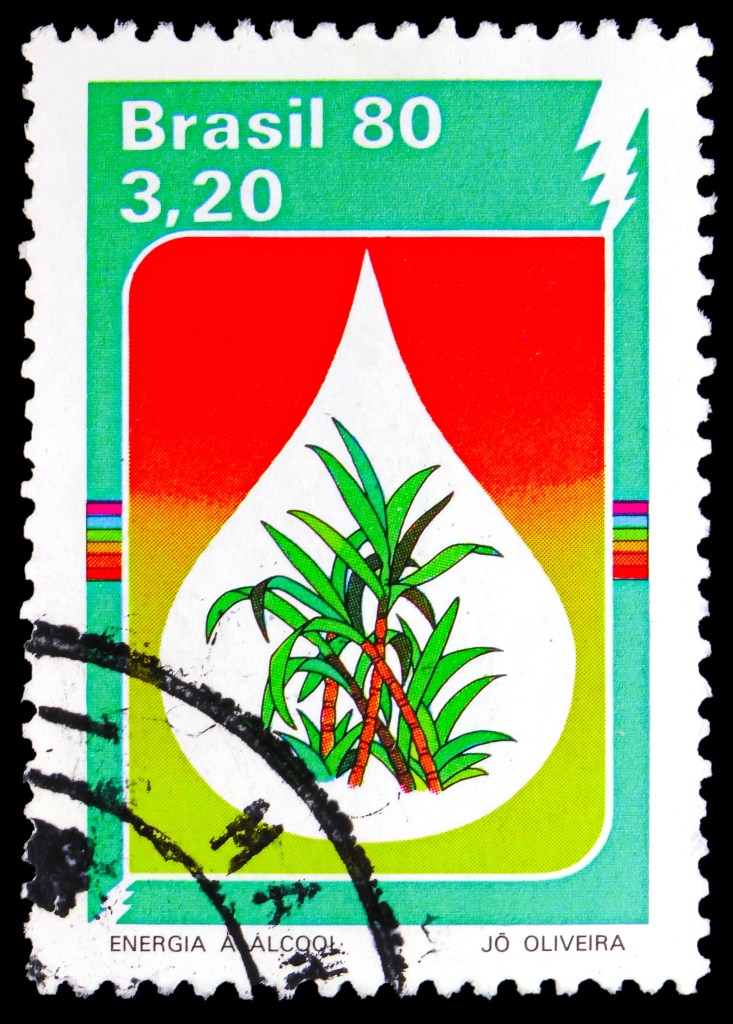
The production of fuel ethanol in Brazil reached 7.42 billion gallons in 2022, representing 26 percent of the global output.
Corn ethanol production in Brazil increased by almost 800% in the last five years, gone from 520 million liters in the 2017/18 to 4.5 billion in the 2022/23, and expected to reach 10 billion liters by 2030, as stated by CNI, the National Confederation of Industry.
Brazil is the second largest fuel ethanol producer globally (behind the United States) since 2002.
The country’s relationship with the ethanol industry is undoubtedly solid and goes back as early as the 1920s, when the government began funding research using ethanol in cars. In 1975, the military government created the National Ethanol Program (Proálcool) and in 1979 it came to develop and launch ethanol-fuelled cars.
In order to cut down greenhouse gas emissions by 2030 and become carbon neutral by 2050, Brazil launched a program in 2017, Renovabio, demanding fuel distributors to purchase biofuel credits, known as CBIOs, to meet their decarbonisation targets.
There are a number of controversial views among experts highlighting possible adverse environmental and social side effects as a result of this program.
Renovabio was criticised about the number of CBIOs that need to be purchased set by the government. As there’s no proportionate quota for the number that needs to be created, affecting availability and driving fuel costs up to distributors, consequently passing it on to consumers. Additionally, there’s also a possibility that high credit prices will drive a large number of new ethanol projects in the country.
In April 2022, a study published at the Resources, Conservation and Recycling indicated that the Renovabio policy does not cover the impacts of land use change (LUC) through its life cycle assessment (LCA), for calculating greenhouse emissions from biofuel, moving in the opposite direction of international policies.
According to researchers from Lancaster University, if the world relies on carbon offsetting and the hope of future technologies to extract carbon from the atmosphere, rather than reducing emissions at source, then up to 1.4°C extra warming could occur.
In January, the result of a joint investigation by The Guardian, Source Material and the German Die Zeit, suggested that carbon offsets approved by Verra, the world’s leading carbon credit certifier, are worthless. Based on the analysis, more than 90% of their rainforest offset credits do not represent genuine carbon reductions.
Investors, financiers, banks, corporations and governments, love the idea of carbon offsetting, as it generates capital, a new profitable trading sector for them to explore.
Biofuels are made from renewable biomass, based on agricultural products, including sugar cane, corn, castor bean, palm oil and raw materials of animal origin.
“We need to increase the percentage of biodiesel in diesel, it is at 10% and has already been 13%, it was reduced in the last government,” said Geraldo Alckmin, Brazil’s Vice-president in February.
Biofuel mandates in several countries have created an insatiable market for crops, such as corn, sugar cane, palm oil, grains and many more.
The Czech Republic has taken a completely different approach. In March 2022, their government decided to end its mandate requiring ethanol to be blended with petrol, a measure taken in order to address the increasing cost of fuel and food. Germany and Belgium are considering easing biofuel-blending mandates to address food security.
According to a Brussels-based environmental campaigns group, Transport & Environment, the FAO Food Price index for vegetable oils reached an all time high in 2021, increasing by over 70%, compared to the previous five years. For cereal (wheat and corn), the increase was by over a third in 2021.
For many of these vegetable oils and cereal, the price increase is linked to the demand for biofuels, which is driven by flawed policies based on the belief that biofuels can help bring greenhouse gas emissions down in the transport sector – which they don’t.
Maik Marahrens, biofuels manager at Transport & Environment, said:
“Right now we surrender vast swathes of land for crops that we simply burn in our cars. It’s a scandalous waste. This land could feed millions of people or, if given back to nature, provide carbon sinks rich in biodiversity. Crop biofuels are probably the dumbest thing ever promoted in the name of the climate,”
“Biofuels are a failed experiment. To continue to burn food as fuel while the world is facing a growing global food crisis is borderline criminal. Countries like Germany and Belgium are discussing limiting food crop biofuels in response. The rest of Europe must follow suit”, added Marahrens.
Dr. Giuseppe Bagnato, lecturer in chemical engineering at school of engineering at Lancaster University, has been working in biofuel productions since 2010. During our conversation this month, he mentioned:
“Edible biomass, such as food crops, cannot be considered as long strategy for biofuel production, due to land use, water footprint, the environmental impact, an example is deforestation for palm oil tree cultivation, also leading to price competition between its use as fuel or food,”
“Local governments and businesses across society must accept that the transition to a sustainable future should be driven by investment through the circular economy: waste valorisation for producing goods and services for our community,” he added.
According to the late professor of ecology and agricultural sciences at Cornell University, Dr. David Pimentel, and his countless studies, there is simply not enough land, water and energy to produce biofuels.
There are also a number of environmental problems linked to converting crops for biofuels, including water pollution from fertilisers and pesticides, global warming, air pollution and soil erosion.
Pimentel did some calculations, adding all the imports for the production of ethanol, including machinery, seeds, labour, water, electricity, fertiliser, insecticide, fuel, electricity and transport. He discovered that to produce 1 litre of fuel-graded ethanol (5,130 kcal), it would require an energy input of 6,600 kcal, making biofuel production a negative energy process.
“Growing crops for biofuels not only ignores the need to reduce natural resource consumption, but exacerbates the problem of malnourishment worldwide by turning food grain into biofuels. Increased use of biofuels further damages the global environment and especially the world food system.”
The results of a US study, Environmental Outcomes of the US Renewable Fuel Standard, demonstrated that high demand for crops for use as biofuel feedstock and the associated changes to landscapes may also endanger broader environmental disservices upon ground and surface waters, soil resources, and other ecosystem components.
Brazilian Biofuel Companies & Human Rights Violations
According to an investigation by Global Witness, Agropalma and Brasil Biofuels (BBF), two Brazilian palm oil giants, were accused of being involved in conflicts with local communities in the state of Pará.
BBF was accused of environmental crimes and conducting violent campaigns to silence indigenous and traditional communities. The company filed over 550 police reports against community members in an attempt to silence the protests of the indigenous peoples.
The company operates at the heart of the Amazon, as well as in the states of Acre, Pará, Rondônia and Roraima. In the Amazon, BBF has two thermoelectric plants and building a new biorefinery, as well as a biodiesel production plant.
Agropalma was linked to evicting communities and land grabbing. The company controls 107,000 hectares of land, the size of 150,000 football fields.
In February, Agropalma had its palm oil certification suspended for violations of the criteria of the Roundtable of Sustainable Palm Oil, RSPO, by IBD, the largest certifier in Latin America.
Palm plantations in the state of Pará cover an area that used to be rainforest, approximately 226,834 hectares, almost the size of Luxembourg.
According to a study by scientists Lucas Ferrante and Philip Fearnside, published by Regional Environmental Change journal, biofuel companies, including Millenium Bioenergia, are consolidating a production chain of biofuels and food products from monocultures in Amazonian Indigenous lands and other traditional communities.
Millenium announced that it would “partner” with indigenous and traditional communities, offering them unpaid work to produce corn, fish, chickens, and pigs and confined cattle. This not only violates human rights, but also has the potential to trigger new pandemics as a result of zoonotic leaps due to environmental degradation.
We all have a common goal, which is incredibly challenging, to fight climate change by protecting what we have left of our fauna and flora, the indigenous and traditional communities, and avoid further biodiversity decline, deforestation and devastation.
Transitioning from fossil fuels into biofuels seems to be the easiest and most profitable solution, but a number of studies suggest that this may not be the perfect solution and may impact heavily on all our lives, including food security, water scarcity, land use and the environment.
Growing food for energy seems completely and utterly irrational. This is not a green technology.
Why do governments continue to subsidise this industry?
Our leaders, governments and corporations must understand that the price to save our planet will be costly in the short to mid-term, but profitable and essential in the long run.
This must be a transparent process, involving willpower, a long range strategic plan and large amount of investment; otherwise, we may be faced with a chaotic scenario in which humanity will be forced to pay in ways that go beyond money!
Sixty years ago, Rachel Carson’s book, Silent Spring, alerted the world to the dangers of chemical pesticides to the environment and our health. The environmental degradation predicted by Carson, who warned of a future “silent spring” unless pesticides were tackled, continues to unfold.
Since records began in 1990, the UK has covered over 700 million hectares in pesticides – enough to dose every inch of the country 14 times over. Meanwhile, local councils, up and down the country, still routinely use pesticides linked to cancer in parks and playgrounds.
The UK Government’s “dither and delay” approach to pesticide policy is failing to adequately protect human health and the environment from pesticides.
Despite its promises to publish a national action plan on pesticides, the Government is now talking about deregulation, with UK’s prime minister, Liz Truss, promising a “red tape bonfire”, which is likely to put human health and wildlife at further risk.
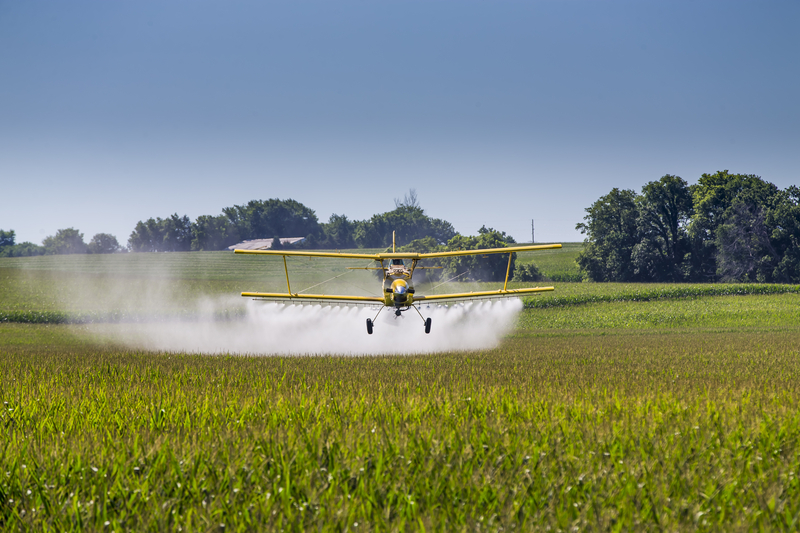
Synthetic pesticides are some of the most toxic substances in use today, persisting in the environment for weeks, months or even years.
Polar Bears have been found to have pesticides residues in their system, despite those chemicals never having been used in the Arctic. Ice sheets and glaciers melting as a result of climate change, are thought to be releasing pesticide residues that have been accumulating since the 1940s.
“How could intelligent beings seek to control a few unwanted species by a method that contaminated the entire environment and brought the threat of disease and death even to their own kind? Yet, this is precisely what we have done.”- Rachel Carson, Silent Spring.
“Rachel Carson would turn in her grave if she could see how pesticide use has proliferated since she wrote Silent Spring. Most crops are now treated with a blizzard of insecticides, molluscicides, fungicides and herbicides, which damage soils, pollute streams, and chronically expose wildlife and people to complicated mixture of toxins. We urgently need to transition to more sustainable farming methods.” – said Dave Goulson, Professor of Biology, University of Sussex and author of Silent Earth.
According to the United Nations, the world’s population is set to reach nearly 10 billion by 2050, with huge concern on the need to ensure universal access to healthy food, but at the same time making sure food is produced in a sustainable way.
Pesticides are putting long-term food security at risk by damaging our soils and the creatures that help plants to grow. Despite industry claims, pesticides are not necessary for food security, and there are other ways to farm with nature.
Approximately 75% of global crop types rely on animal pollination. The UK government decided to authorise, for “emergency use”, the poisonous bee-killing pesticide neonicotinoid on beet crops. A single teaspoon of neonicotinoid is enough to deliver a lethal dose to 1.25 billion bees.
Josie Cohen, Head of Policy & Campaigns, Pesticide Action Network UK (PAN UK), mentioned:
“The agrochemical industry continues to tout the long discredited myth that we cannot feed the world without pesticides. But three quarters of the world’s food crops depend, at least in part, on pollinators. We now know that the recent crashes in populations of bees and other pollinators that are being driven by pesticide, pose a much greater and more existential threat to global food security.”
In the meantime, the UK farmland biodiversity continues to decline, with bird populations more than halving since 1970 and arable wildflowers becoming one of the most threatened groups of plants in the UK. The use of pesticides is the leading cause of this decline.
Martin Lines, an arable farmer and UK chair of the Nature Friendly Farming Network, explains:
“Government policy has taken farmers down a path that doesn’t view or reward nature as integral to sustainable food production. The government has not acted with the necessary urgency to address the biodiversity crisis, and it continues to drag its feet in delivering a new pesticide National Action Plan. We are concerned that this new government will turn a blind eye to importing products that use pesticides, which are illegal in this country and will contribute to the decline of nature.”
“We are very concerned about the effects of certain pesticides still in current use. Some may act as carcinogens by inducing gene mutations. Others can act as endocrine (hormone) disrupting chemicals that may affect hormones – including oestrogen – which may also increase breast cancer risk”, mentioned Thalie Martini, CEO of Breast Cancer UK.
Pesticides used in agriculture can leave traces of chemicals in our food known as residues. Residues detected on a specific food item will depend which pesticides are used and how persistent they are. Some food may contain one single residue or multiple ones (‘cocktail effect’).
We should all be aware of the implications caused by exposure to pesticides by spraying throughout towns, parks and playgrounds, and ingesting food containing not only one but also multiple pesticides, especially if consumed over a long period of time, during our childhood, adult life and especially during pregnancy.
Carey Gillam, investigative journalist and author of Whitewash – The Story of a Weed Killer, Cancer and the Corruption of Science and The Monsanto Papers – Deadly Secrets, Corporate Corruption, and One Man’s Search for Justice, mentioned during our last communication:
“There is abundant scientific evidence dating back decades that clearly establishes the serious health risks pesticide exposures create for people, especially children. It is simply irresponsible to ignore those risks, which include cancers, neurodevelopmental harms, reproductive problems, Parkinson’s disease and other adverse health effects.”
It’s worth highlighting some facts about the effects caused by pesticide exposure to our health:
• Long term pesticide exposure has been linked to the development of Parkinson’s disease; asthma; depression and anxiety; attention deficit and hyperactivity disorder (ADHD); and cancer, including leukaemia and non-Hodgkin’s lymphoma.
• Some pesticides, known as endocrine disrupting chemicals (EDCs), have the potential to disrupt our hormone systems, and can play a role in the development of cancers, including colorectal and breast cancers. Pregnant and breastfeeding women, as well as young children, are particularly vulnerable.
• Neurologists are warning of an impending Parkinson’s pandemic, linked to widespread exposure to herbicides, solvents, and other toxic chemicals used in agriculture and manufacturing. There is currently a class actionlawsuit in the US over the link between lethal weed-killer paraquat and Parkinson’s disease.
• UCLA-led research published in the International Journal of Hygiene and Environmental Health, found that children prenatally exposed to the chemicals acephate and bromacil had an increased risk of developing retinoblastoma, or cancer in one eye, and exposure to pymetrozine and kresoxim-methyl increased the risk of all types of retinoblastoma.
Helen Browning, CEO, Soil Association, mentioned:
“Switching to foods that support healthy and sustainable diets, produced on agroecological farms, is crucial to stabilising our climate, reversing the catastrophic decline in wildlife and preventing public health emergencies. The countryside is still silent. Future generations deserve and need to live in a fertile, productive and naturally noisy world.”
“It is also an era dominated by industry, in which the right to make a dollar at whatever cost is seldom challenged.” – Rachel Carson, Silent Spring.
Rachel Carson was met with fierce resistance from agrochemical companies, dismissing and undermining her scientific studies as nonsense – a tactic that the industry still uses today.
According to Allied Market Research, the global agrochemicals market is projected to reach $315.3 billion by 2030, compared to $231.0 billion in 2020.
Syngenta, one of the top four pesticide manufacturers, reported a 26% increase in profits for the first three months of 2022, a staggering $8.9 billion.
According to US scholars Howard and Hendrickson, up to 66% of the world sales of agrochemicals are in the hand of just four multinationals (Syngenta-ChemChina, Bayer-Monsanto, Basf and Corteva), whereas three of the same companies control half of global trade in seeds.
The UK continues to allow Syngenta manufacturing facility in Huddersfield to produce and export deadly pesticide paraquat to developing countries. Paraquat has been banned for use in the UK and the EU since 2007.
There’s clear evidence that the agrochemical industry is making substantial profits at the expense of people’s health and lives, as well as contributing to damage to environmental degradation and biodiversity loss.
Corporate lobby groups continue to deploy “science” to manipulate the public and pour money into the political system to get policy and regulation that tips in their favour and increases their profits.
Pesticide companies have been known to adopt tactics similar to the tobacco industry, including reportedly ghostwriting safety studies, going after scientists who publish unfavourable research, and putting out misinformation designed to undermine evidence that their products cause harm and that effective non-chemical alternatives exist.
In the UK, pesticide regulation is another issue of concern. If weakened, as a result of Brexit, there is a real danger of massive increase in pesticide harms.
Weakening of pesticide standards via trade deals with countries where pesticide regulation is less rigorous, like Australia, Brazil, India, Mexico and the United States, means the population in the UK may be consuming products with high level of pesticides, which are already banned in the country. The UK should be banning the imports of food produced with banned pesticides.
UK agriculture and farmers will also be directly affected by allowing crops grown more cheaply on a larger scale to be imported. This could lead to UK farmers having no option but to resort to the use of more pesticides domestically.
Hundreds of environmental laws that protect nature and our health in the UK, including chemical contamination, are set to expire in December 2023 and removed from UK law under a new government bill. This decision could have serious implications to our health and the environment; at a moment we should be doing everything we can to stop the damage we have caused to our planet.
According to a report released in January 2022 by the United Nations Human Rights Council, the toxification of planet Earth is intensifying. While a few toxic substances have been banned or are being phased out, the overall production, use and disposal of hazardous chemicals continues to increase rapidly.
“The chemical war is never won, and all life is caught in its violent crossfire.” – Rachel Carson, Silent Spring.
Climate change, the energy and food crises are real issues and currently affecting most of our lives in one way or another. It’s our duty to get involved and push world leaders, politicians, corporations, regulators, the ones in power and able to make concrete changes, to address these issues immediately, including the chemical war on our health and the environment.