Toxic ‘forever chemicals’ found in UK food

Monica Piccinini

9 April 2024

New research reveals that a significant number of commonly consumed food items in the UK contain persistent PFAS pesticides, raising concerns about their potential impact on human health and the environment.

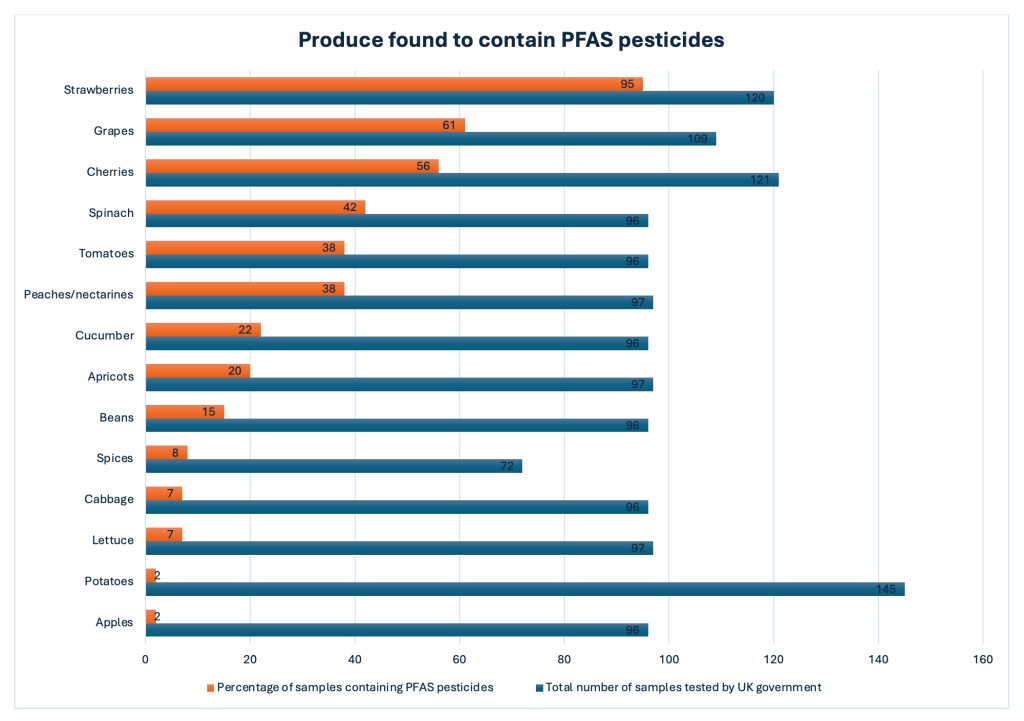
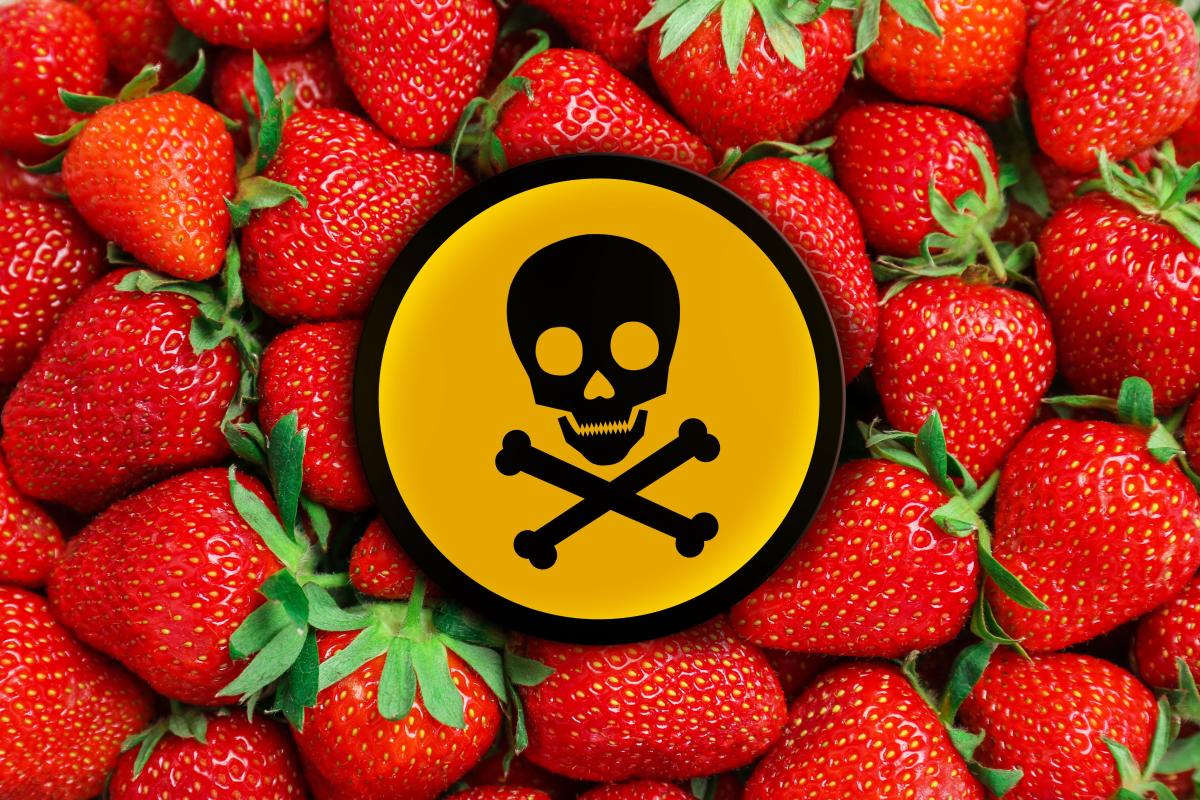
Pesticide Action Network UK (PAN UK) conducted an analysis on the most recent findings from the UK government’s residue testing programme. The results unveiled the presence of 10 distinct PFAS pesticides in various fruits, vegetables, and spices such as grapes, cherries, spinach, and tomatoes. Among these, strawberries emerged as the primary culprits, with PFAS detected in 95% of the 120 samples examined.

Approximately 10,000 chemicals have been classified as ‘forever chemicals’ due to their persistent nature, enabling them to remain in the environment and accumulate in the bloodstream, bones, and tissue of various organisms, including humans. The degradation period for PFAS in the environment is estimated to vary from a decade to well over 1,000 years.

According to CHEM Trust, a recent study found that PFAS have been detected as far as in the Arctic (123 tons) and North Atlantic oceans (110 tons).

Dr. Shubhi Sharma from CHEM Trust explained:

“PFAS are a group of entirely human-made chemicals that didn’t exist on the planet a century ago and have now contaminated every single corner. No one gave their consent to be exposed to these harmful chemicals, we haven’t had the choice to opt out, and now we have to live with this toxic legacy for decades to come. The very least we can do is to stop adding to this toxic burden by banning the use of PFAS as a group.”

Health and Environmental Impact

Despite significant evidence illustrating the widespread presence of ‘forever chemicals’ in the bloodstreams of most individuals, there is a scarcity of research in the UK exploring the associated health issues. This circumstance is often exploited by both the government and the chemicals industry to postpone necessary actions.

Nonetheless, peer-reviewed research carried out in other nations have established links between PFAS exposure and various severe health concerns, such as increased cancer risk and reductions in fertility as well as the immune system’s capacity to combat infections.

Childhood exposure to PFAS is of significant concern due to its association with behavioural changes, developmental effects, and delays in children, including low birth weight and accelerated puberty.

Nick Mole, PAN UK’s policy officer, noted:

“Given the growing body of evidence linking PFAS to serious diseases such as cancer, it’s deeply worrying that UK consumers are being left with no choice, but to ingest these chemicals, some of which may remain in their bodies long into the future.

“With some plastic food packaging also contaminated with PFAS, and PFAS present in UK drinking water and soil, we urgently need to develop a better understanding of the health risks associated with ingesting these ‘forever chemicals’ and do everything we can to exclude them from the food chain.”

Currently, there are 25 PFAS pesticides being used in the UK, six of them falling under the classification of ‘Highly Hazardous‘. Among these is lambda-cyhalothrin, an insecticide considered both a ‘forever chemical’ and extremely toxic to both humans and bees.

The Environment Agency doesn’t conduct regular sampling of rivers for any of the 25 PFAS pesticides presently used in the UK. Consequently, the degree to which these chemicals are leaching off agricultural lands to pollute rivers and other water reservoirs remains uncertain.

In 2022, an astounding 9,200 kg of lambda-cyhalothrin was administered across 1.69 million hectares of UK land, which equals 11 times the size of Greater London. Typically, farmers remain unaware that they are applying ‘forever chemicals’ to their crops as there is no label information provided.

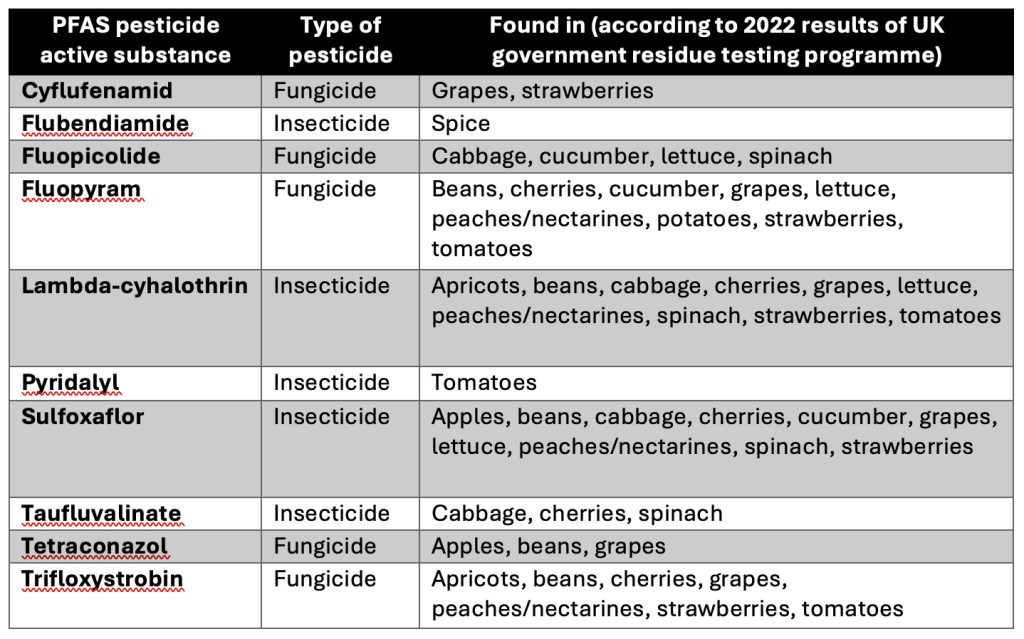
As per PAN UK’s analysis of the latest testing results from the UK Government Expert Committee on Pesticide Residues in Food (PRiF) in 2022, the 10 PFAS pesticides identified in UK food were as follows:

PAN UK’s discoveries align with recent studies indicating that traces of 31 distinct PFAS pesticides were identified in European fruit and vegetables from 2011 to 2021.

Pesticides are the only chemicals that are designed to be toxic and then release intentionally into the environment. Despite this, the UK government’s much-delayed plans for limiting the negative impacts of PFAS focus solely on industrial chemicals, ignoring pesticides entirely.

“PFAS pesticides are absolutely unnecessary for growing food and are an easily avoidable source of PFAS pollution. Getting rid of them would be a massive win for consumers, farmers, and the environment”, added Mole.

The Department for Environment, Food and Rural Affairs (Defra) spokesperson shared the following statement: 

“We set strict limits on the pesticides residue levels in both food for consumers and feed for animals. These limits are set to protect public health and are set below the level considered to be safe for people to eat as well as applying to both food produced in the UK and those imported from other countries.”

PAN UK is urgently calling on the UK government to ban the 25 PFAS pesticides currently in use and to increase support for farmers in shifting away from chemical dependency towards safer and more sustainable alternatives. In line with health and environmental NGOs, the organisation is emphatically advocating for the UK to work towards achieving a PFAS-free economy by 2035.

Belém’s Environmental Challenges: A Glimpse into COP30 Host City

Monica Piccinini

28 March 2023

In the lead-up to hosting COP30 in 2025, Belém, the capital of Pará in northern Brazil, is confronted with a multitude of pressing issues, from insufficient sanitation and widespread crime to pollution and homelessness, prompting doubts about its preparedness to take the lead on the international platform.

Recent findings from the 2022 Demographic Census conducted by the Brazilian Institute of Geography and Statistics (IBGE), reveals that approximately 212,370 individuals, corresponding to 16% of the population in Belém, are presently living under inadequate sanitation.

Ivan Costa, the president of the Brazilian Social Observatory (OSB), a non-governmental organisation based in Belém, explained:

“Addressing the sanitation issue is not a quick fix, given its complexity. It demands meticulous planning, significant investment, and the establishment of regulatory and inspection mechanisms for sanitation, areas currently lacking in Belém.

“Regarding the sewage system, this is a crucial issue. In Belém, numerous canals were improperly filled without oversight, becoming sites for various waste materials that have polluted the entire area, resulting in adverse effects on both the environment and the health of residents.”

According to a study conducted by the Trata Brasil Institute, Belém ranks among the cities with the poorest levels of basic sanitation.

Several articles published by Revista Cenarium highlight issues impacting both Belém and its neighbourhoods. They include inadequate garbage collection services and the challenges surrounding the Marituba and Aurá landfills, which serve as disposal sites for waste generated from the metropolitan region.

Rodolfo Salm, PhD in environmental sciences and lecturer at the Federal University of Pará (UFPA) mentioned:

“Belém is a city that leaves a strong impression, primarily due to its staggering waste problem. The abundance of trash, particularly in flood-prone zones, is simply overwhelming. Trash can be found in every corner.

“The situation in both Belém and my hometown of Altamira is deeply disheartening and worrisome. There’s a significant influx of people arriving in the region with hopes of making quick riches through destructive ventures like mining, land grabbing, and logging.

“Although their initial intention is to amass wealth and depart, many end up staying. The region lacks adequate infrastructure to support the most vulnerable populations, leaving us ingrained in this cycle of degradation.”

Landfills

Created in 2015, the Marituba landfill receives approximately 500,000 tons of waste per year from Belém and surrounding municipalities. Originally schedule for closure in 2019 due to reaching its maximum capacity, an extension has been granted, allowing its operations to continue until February 2025.

Aurá is another landfill which commenced operations in 1990. Despite its deactivation, it continues to receive thousands of tons of waste from industrial and urban areas within the city of Belém.

Despite the unpleasant odour emanating from the landfill, numerous families who live nearby earn their livelihoods by collecting discarded waste and various items, such as plastic bottles and scrap metal. Some children in the vicinity frequently search for discarded food to supplement their daily meals.   

“There is no selective waste collection system established, no designated area for a new landfill installation, and a lack of public education on city cleanliness. We are currently facing a challenging situation,” explained Costa.

Belém has not complied with Brazil’s National Solid Waste Policy (PNRS) and Federal Law 12.305/2010, which mandates the closure of all landfills in the country by August 2, 2014.

Social, Health and Environmental Impact

The streets of Belém are scattered with rubble and uncollected waste, therefore creating conditions to the spread of diseases, posing significant risks to public health and potentially overwhelming healthcare services.

In Brazil, Belém is the capital city with the highest percentage of households experiencing uncollected garbage, impacting around 35,739 individuals according to IBGE data. Residents often resort to disposing of their waste through methods such as burning, littering in public spaces, vacant lots, or even burying it.

Findings from the survey conducted by the Federal University of Pará (UFPA) indicate that the concentration of hydrogen sulphide gas emitted by the Marituba landfill is 30 times higher in its vicinity. Exposure to this substance can result in symptoms such as coughing, shortness of breath, burning eyes and skin, fatigue, weight loss, insomnia, and overall inflammation.

According to the UFPA’s research, inhaling foul odours emanating from the Marituba landfill has been linked to respiratory and other illnesses among the population. The study also revealed residents’ discontent with the pollution of waterways, the depreciation of their properties, and deteriorating air quality attributed to the Marituba landfill.

The UFPA report further indicated that the existence of the Marituba landfill is a result of mismanagement of public resources and serves as a cautionary example to be avoided.

Another troubling problem impacting the streets of Belém is homelessness. According to data from the Papa João XXIII Foundation (Funpapa), it is estimated that between 2,500 to 3,000 individuals live on the streets of the city. Across the entire state of Pará, this figure reaches approximately 22,000.

Furthermore, data from a survey carried out by Vigisan, an application focused on monitoring food and nutritional safety in Brazil, indicates that around 53.4% of the population in the state of Pará experience moderate to severe levels of food insecurity.

Challenges such as crime, drug-related concerns and sanitation issues persistently affect some of Belém’s most iconic tourist spots, including the Ver-o-Peso market complex. Both visitors and local workers report these ongoing challenges, indicating a longstanding neglect of the site and an urgent demand for renovation.

The public transportation system in Belém is also in chaos, posing another substantial obstacle. Residents are highly critical of the Bus Rapid Transit (BRT) system expansion, which has been underway since 2012. BRT operates on a medium-capacity public transport model with vehicles traveling along dedicated lanes, including designated stations for rapid passenger boarding. However, the system fails to meet the demands of the population and remains incomplete.

Environmental and Indigenous Rights Concerns

Belém – Photo credit: Valério Silveira

The host of COP30 ought to demonstrate global leadership in addressing environmental concerns, yet it appears that both the state of Pará and Brazil have significant progress to achieve in reaching these objectives.

Costa shared his insights on the debate concerning environmental preservation in the region:

“Currently, we observe a contradiction between advocating for the preservation of the “standing forest” to the international community, portraying ourselves as protectors of the forest, while there is a backdrop of violence against those genuinely working to safeguard it. Economic groups and even criminal entities exert influence, violently seizing public lands.”

On February 5, Revista Cenarium released an article exposing unsettling details regarding illicit mining operations occurring in the state of Pará. Drawing from data provided by government agencies, environmental organisations, and a civil case conducted by the Federal Public Ministry (MPF), it was revealed that over 2,000 miners have been active across 100 gold extraction sites, spread across 41 clandestine landing strips within the Paru State Forest (Flota do Paru).

Flota do Paru covers an area of approximately 3.6 million hectares. Created in 2006, this conservation reserve is under the jurisdiction of the Para government and administered by the Institute of Forestry Development and Biodiversity of the state of Para (IDEFLOR-Bio).

IDEFLOR-Bio issued a license to the mining company Mineração Carará Ltda, permitting their operations within the Flota do Paru conservation area. This decision has sparked concerns regarding their genuine dedication to environmental preservation, thereby setting a negative precedent for Brazil and the global community.

According to a Greenpeace study, in 2023, mining activities caused destruction to 1,410 hectares within the indigenous territories (TIs) of the Kayapó (Pará), Munduruku (Pará), and Yanomami communities, the equivalent of opening four football fields each day.

Illegal mining isn’t the only concern impacting the state of Pará. According to a report by Mighty Earth, Pará stands as the second-largest state in the Amazon region for deforestation and degradation alerts in farms with a soy cultivation history, accounting for 23% of Brazil’s total soy area in 2023.

The extraction of palm oil intended for biofuel production in Pará presents yet another significant issue. Global Witness investigation uncovered allegations against Agropalma and Brasil Biofuels (BBF), two prominent Brazilian palm oil companies, for their alleged involvement in conflicts with local communities in Pará.

Palm plantations in the state of Pará occupy an area once covered by rainforest, totalling approximately 226,834 hectares, nearly equivalent to the size of Luxembourg.

Investments

The residents of Belém are looking forward to COP30, anticipating that it will bring about investments and improvements to address the various social, health, and environmental issues they encounter in the region.

Costa discussed his viewpoint regarding the allocation of investments, project completion, and increased involvement of civil society in the region:

“There is a traditional economic elite prepared to benefit from an event of this magnitude, COP30. At the same time, we see the rise of highly committed leaders who can make a difference at this moment, including groups from the periphery, young people, and traditional communities.

“Furthermore, we’ve begun to receive numerous resources, but it’s imperative to understand how they will be utilised to avoid a situation like the “cemeteries” left in the aftermath of the World Cup, where unfinished projects left a detrimental legacy.”

Recently, the city of Belém signed a contract valued at around US$ 140 million with Ciclus Amazônia, a solid waste management firm, to tackle the challenging waste situation in the city. This agreement covers waste collection, treatment, and recycling efforts. Ciclus Amazônia secured the contract through a competitive bidding process to establish a 30-year Public-Private Partnership (PPP).

Since mid-2023, in anticipation of COP30, the federal government has announced several investment initiatives for Belém. A portion of these funds, approximately US$ 1 billion, will be provided by the National Bank for Economic and Social Development (BNDES).

Despite significant investment announcements for the region, there remains a level of scepticism regarding the planned projects, their capacity to adhere to deadlines, and ultimately, their completion. This includes initiatives such as the restructuring of major canals crossing the city, and the expansion of the BRT system.

There are doubts regarding whether there will be sufficient time to successfully complete and deliver all scheduled projects before COP30 begins, given that most of these projects have yet to be initiated.

Costa offered his last reflections on the implications of COP30 for Belém and the region:

“What will be the lasting impact of COP30 on the city of Belém and its surrounding region, particularly for the most vulnerable communities? These are the communities in greatest need of meaningful change and improvements that will enhance their quality of life and benefit the environment.

“We aim not to repeat the experience of “Rio 92”, but rather to establish a positive legacy for both the region and the world, something we can genuinely take pride in.”

Below are some of the statements issued by the spokesperson representing the cabinet office of Helder Barbalho, the governor of Pará:

“The government of Pará is carrying out several macro-drainages works to prevent floods and flooding, both in the COP polygon and in peripheral areas. Between completed and ongoing works, we have around 10 neighbourhoods and one million people benefiting. The projects include canals and roads in the capital with asphalt paving, rainwater drainage, sewage, landscaping, sports courts, squares, playgrounds, and an outdoor gym. Regarding the disposal of waste, this is a matter for the city of Belém, which the state government has been monitoring.”

“The Institute for Forestry and Biodiversity Development (Ideflor-Bio) informs that the company has authorization from the National Mining Agency (ANM) to carry out the activity. The legislation and the Paru State Forest Management Plan (Flota) allow experimental gold mining activities. Therefore, there is no legal impediment for the company Mineração Carará Ltda to request the necessary environmental license for the project, since the legislation allows mineral developments in Conservation Units (UCs) for Sustainable Use, as in the case of Flota Paru. However, there is no environmental license for experimental gold mining granted in Flota do Paru.”

“Regarding illegal mining and landing strips, the government of Pará informs that it works in an integrated manner with the public ministry, civil, military, federal and army police, to dismantle illegal mining in state UCs. In 2023, Semas (State Secretariat for Environment and Sustainability) teams closed 42 illegal mining sites in Pará.”

“It is the commitment of the federal and state governments that the capital of Pará hosts the conference and has adequate infrastructure and logistics to host the largest climate discussion event in the world.”

The Amazon’s Warning Call: A Potential Epicentre for the Next Pandemic

February 12, 2024

Preserving the Amazon rainforest isn’t just an environmental concern; it’s a matter of survival. It’s the most biodiverse place on the planet, a reservoir of life-saving medicines, and a critical regulator of our planet’s climate. Our health, our survival, and the balance of our world rely on its protection.

The Amazon’s diverse ecosystem is under threat from rampant deforestation, degradation, and climate change, jeopardising its ability to act as a carbon sink. This degradation increases the likelihood of zoonotic diseases emerging and spreading, posing a significant public health risk for Brazil and the world.

Climate change, deforestation, alterations in land use, agricultural expansion, livestock farming, mining activities, biodiversity loss, urbanisation, oil and gas extraction, and large-scale infrastructure developments, such as road and dam construction in the Amazon rainforest, have all been associated with the rise and spread of infectious diseases. These include dengue, yellow fever, malaria, Zika virus, Chikungunya fever, Candida auris, leishmaniasis, Oropouche virus, hantavirus, and numerous others, with the possibility of also introducing novel pathogens.

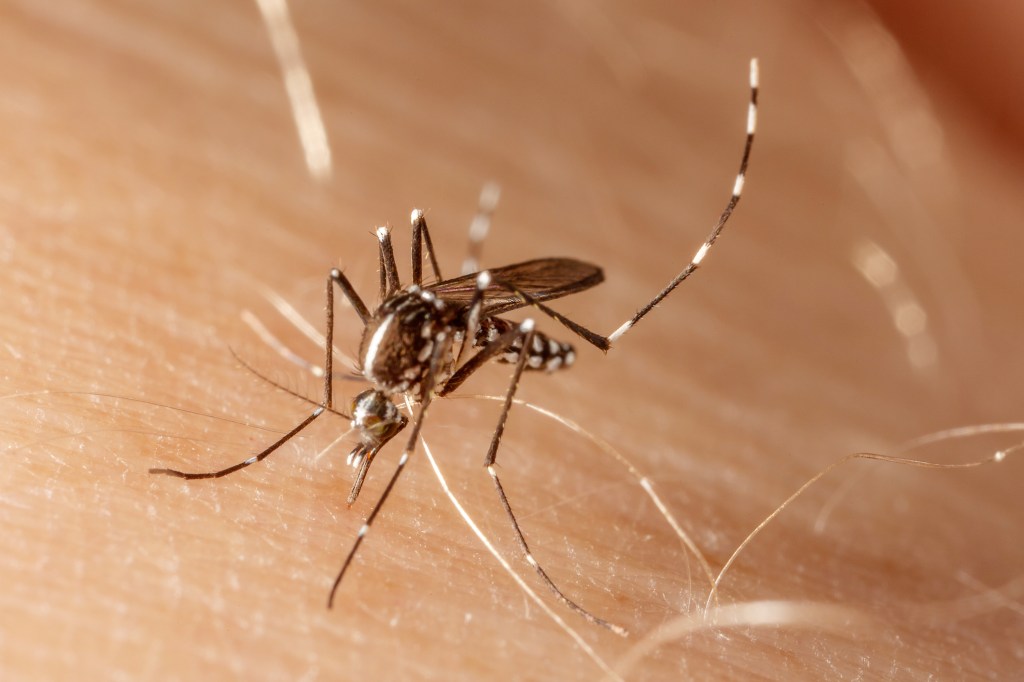
Dengue, Zika, chikungunya, and yellow fever mosquito aedes aegypti on human skin
Photo 93069829 © Tacio Philip Sansonovski | Dreamstime.com

In 2023, Brazil recorded 1,079 deaths from dengue fever, a 20.9% increase compared to the previous year. According to the Ministry of Health, between January 1 and January 30, the country reported over 217,000 cases, marking a significant 233% increase from the same period in 2023, when there were just over 65,000 cases.

In 2024, Brazil recorded approximately 408,351 potential cases of dengue, as per data from the Ministry of Health’s Arbovirus Monitoring Panel.

According to a report published by the World Health Organisation (WHO) in 2023, the country experienced around 2.9 million suspected cases of dengue. This significant rise in dengue cases may be attributed to factors such as the El Niño phenomenon, deforestation, and the impact of climate change, which can lead to more frequent and severe weather events.

The Aedes aegypti mosquito is the vector for transmitting diseases such as the dengue virus, yellow fever, Zika, and chikungunya viruses.

Brazil’s Health Surveillance Foundation (FVS) has recently reported that a new strain of the Oropouche virus has been responsible for outbreaks in the Brazilian Amazon region over the past two years. In the state of Amazonas alone, there were 1,066 recorded cases of the virus between 2023 and 2024.

Oropouche fever is caused by an arbovirus transmitted through the bite of a mosquito called Culicoides paraense, commonly known as maruim.

The Largest Biodiversity Reservoir on the Planet

The Amazon rainforest is recognised as one of the largest reservoirs for zoonotic diseases, which can be transmitted from animals to humans. Numerous scientists have consistently warned about the environmental imbalances linked to the escalating prevalence of infectious diseases and have drawn attention to the imminent risk of a deadly pathogen emerging from the Amazon rainforest.

The interaction between humans and wild species, along with their pathogens, creates opportunities for the emergence of zoonotic diseases, facilitating the transmission of new pathogens across various host species, a phenomenon known as “spillover“, leading to the introduction of novel infections into the human population.

For spillover events to happen, there must be interaction among different species and favourable conditions for pathogens to spread among humans. One example is the transmission of bat-borne diseases, such as rabies, in the Amazon rainforest. This is often associated with factors like deforestation, agricultural expansion, and the presence of livestock, which increase contact between these animals and humans and facilitate the transmission of infections.

Various types of animals, including monkeys, bats, and mosquitoes, can serve as carriers or vectors of infectious diseases to humans, as they carry pathogens like viruses, bacteria, fungi, parasites, and prions. Transmission of these pathogens to humans can occur through direct contact with these animals or via water, food, or the surrounding environment.

Sars, Ebola, Hendra, and Nipah are examples of pathogens from bats that have triggered outbreaks in the human population.

Climate Change

Joel Henrique Ellwanger, biologist and researcher at the department of genetics at Federal University of Rio Grande do Sul (UFRGS), mentioned:

“Climate change will trigger important ecological changes in the Amazon, many of them with the potential to reduce its biodiversity, facilitating the spread of known disease vectors and increasing the chances of new diseases emerging.”

The impact of climate change and deforestation is causing a surge in extreme weather events and rising temperatures. These conditions are impacting the quantity of vectors, transmission patterns and interspecies interactions, driving the spread of infectious diseases across the Amazon region and throughout Brazil.

Parintins, Brazil. 08th Nov, 2023. Boats stand side by side in a narrow riverbed outside the community. The drought causes difficulties for the river dwellers in terms of fishing, but also traffic. Villages in the region are linked by rivers. The green lung of the planet, the Amazon basin in South America, is experiencing an unprecedented crisis. The world’s largest rainforest area is suffering from the worst drought in over a century. Credit: Aguilar Abecassis/dpa/Alamy Live News

Severe droughts in the Amazon rainforest can create conditions to the spread of various diseases, such as dengue. During periods of limited rainfall, residents often resort to storing water in tanks, consequently creating breeding grounds for mosquitoes.

“For instance, as temperatures rise, mosquitoes become more active and reproduce at a higher rate. Furthermore, changes in climate may cause animals carrying pathogens to migrate to areas where humans reside,” said Ellwanger.

The increase in cases of Candida auris, a fungus resistant to multiple drugs associated with hospital-acquired infections, may be caused by higher temperatures resulting from climate change. This pathogen affects severely ill patients, including both adults and children, who are receiving intensive care in hospitals across the globe.

Ellwanger explained how climate change may have played a role in the surge of Candida auris:

“Climate change can influence the evolution of pathogens. Certain microorganisms, once unable to infect humans because they were accustomed to lower temperatures, are now adapting to warmer conditions that mimic the human body’s warmth. This adaptation creates the potential for these microorganisms, typically present in soil and similar settings, to infect humans and cause illnesses. This phenomenon is believed to have happened with Candida auris.”

Deforestation and Urbanisation

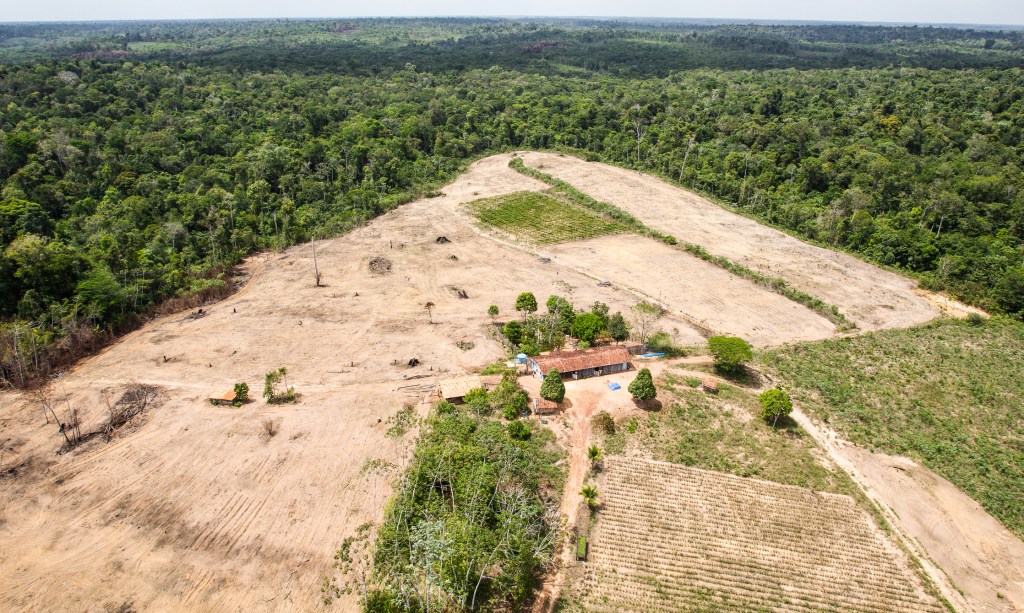
Deforestation of the Amazon rainforest. Patch of forest land cleared of vegetation for agricultural purposes.
Credit: ID248036003 © J Brarymi | Dreamstime.com

Studies suggest that deforestation, biodiversity loss and habitat degradation create pathways for disease agents to transition from the diverse reservoir of various coronaviruses and pathogens in the region into the human population. The Amazon’s vulnerable healthcare system additionally complicates the detection and containment of any emerging pandemic from this area.

When exploring the emergence of epidemics, urbanisation becomes another critical factor to consider. It contributes to the depletion of forested areas, consequently increasing the risk of infectious diseases in regions like the Amazon rainforest. The outbreak of Zika virus infection in Brazil has been associated with urbanization and the loss of forested lands.

Infrastructure Projects

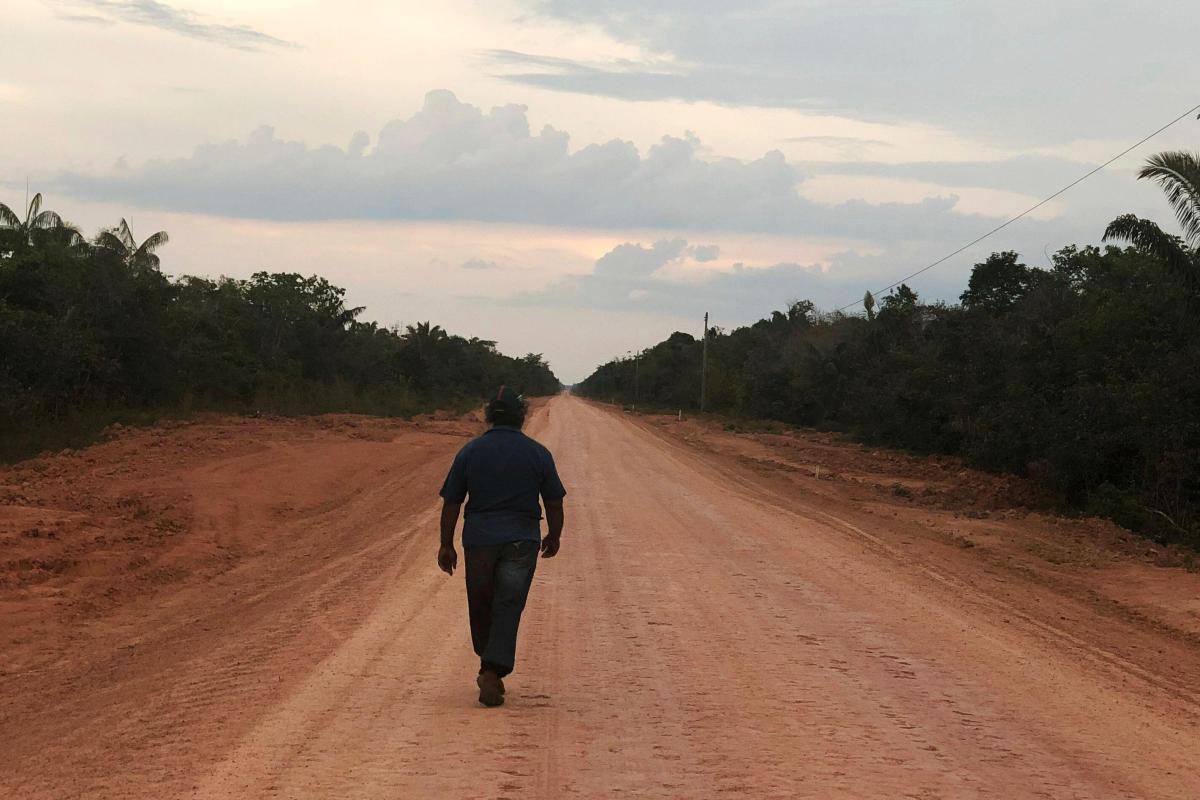
The construction of roads in the Amazon rainforest contributes to deforestation, forest fires, biodiversity decline, increased hunting activities, and human migration, directly impacting the dynamics of infectious diseases.

Between 1970 and 1973, the building of the Trans-Amazonian highway, known as BR-230, led to the influx of around 22,000 individuals to the area. These individuals encountered disease vectors, exposing them to various illnesses such as malaria, leptospirosis, leishmaniasis, Chagas disease, Mayaro fever, yellow fever, and numerous others.

A study published in the Journal of Racial and Ethnic Health Disparities warns that the reconstruction of the Amazon’s BR-319 highway could result in devastating environmental effects, including an increased risk of zoonotic spillovers, potentially leading to new pandemics.

The Amazon’s BR-319 highway, extends 885.9 km and connects the central Amazonian capital Manaus to the southern boundary of the forest in Porto Velho, crossing through one of the most preserved sections of the forest. Deforestation along the central portion of the BR-319 has already resulted in a 400% increase in malaria cases.

A recent study published in Nature alerts that the initiatives of President Luiz Inácio Lula da Silva’s administration to construct roads and pursue oil exploration in the Amazon area may potentially trigger a new worldwide pandemic.

The construction of hydroelectric dams in the Amazon rainforest also raises significant concern. One example is the Belo Monte hydroelectric dam complex in Brazil, located in the northern region of the Xingu River within the state of Pará. This project has significantly changed the landscape of the Brazilian Amazon, inundating an area of approximately 516 km2.

Flooding dry regions within the rainforest leads to loss of biodiversity and creates habitats suitable for disease vectors like mosquitoes, thereby intensifying the proliferation of viral and parasitic illnesses.

Dams can lead to the displacement of communities and the migration of populations drawn to forested regions, potentially increasing human-wildlife interactions, and the transmission of infectious diseases.

The implementation of proposed projects in the Amazon rainforest, including the reconstruction of BR-319 highway and the exploration of oil, could result in catastrophic and irreversible consequences, including an increase and spread of infectious diseases, due to environmental degradation in the region.

Agriculture and Livestock

A group of cattle in confinement in Brazil
Credit: ID196817068 © Alf Ribeiro | Dreamstime.com

“Meat connects different points involving the degradation of the Amazon and emerging diseases. Cattle farming is one of the main factors in the degradation of the Amazon biome, thus facilitating the spread of pathogens in the region. Hunting and the consumption of wild animal meat is a problem both for the conservation of species and for public health, as it reduces animal biodiversity and increases the chances of spillover events. Regrettably, this issue remains largely overlooked and is often deemed taboo in Brazil,” explained Ellwanger.

Studies suggest that intensified agriculture and forest conversion for farming and pasture for cattle, increase human-pathogen interaction, promoting the emergence of viral, bacterial, and parasitic infections.

Professionals in the meat industry regularly interact with livestock animals and may lack adequate working conditions to reduce the risk of zoonotic pathogen transmission. Additionally, they may have limited knowledge about the health risks associated with their work activities.

Slaughterhouses within the Amazon region are implicated in the processing of animals sourced from deforested areas and may be operating without any form of health inspection.

Another concern is the excessive use of antimicrobial drugs in veterinary practice. The main drivers of antimicrobial resistance (AMR) include the overuse of antibiotics in livestock for growth promotion and prevent diseases, particularly in intensified livestock farming.

Antimicrobial resistance AMR concept. Desk in the hospital.
Credit: ID117616099 © Designer491 | Dreamstime.com

The World Health Organisation (WHO) describes AMR as the overlooked pandemic. Some of the latest figures suggest that AMR will cause 10 million deaths by the year 2050, more than from cancer, diabetes and pneumococcal diseases combined.

According to Cóilín Nunan, scientific adviser to the Alliance to Save Our Antibiotics, certain types of antibiotics used in animal farming have led to the rise and spread of livestock associated strains of MRSA and Clostidrium difficile.

Oxford University scientists published a study revealing Escherichia coli bacteria that have developed resistance to colistin in animal agriculture. Nunan highlights this as a significant concern, suggesting it might pose a greater threat than antimicrobial resistance (AMR) by potentially increasing the likelihood of infections in humans.

Bushmeat

The hunting and consumption of bushmeat from wild animals can also lead to spillover events, as humans come into close contact with fresh meat, blood, and organs from infected animals.

Approximately 473 tons of wild animal meat are sold annually in the Amazon rainforest, across Colombia, Peru, and Brazil.

It’s essential to recognise that a complete ban on bushmeat consumption in certain regions could impact the livelihoods of thousands who depend on this activity.

Essential Measures

In a conversation with Ellwanger regarding the essential measures required to prevent the emergence and spread of infectious diseases in the Amazon rainforest and avert the onset of a new pandemic in the region, he explained:

“Certain crucial measures must be undertaken, including improving livestock sanitary measures, increasing pathogen surveillance, upgrading environmental sanitation systems, discouraging human settlement in forested regions, boosting investments in human training and specialised labs for pathogen identification, creating new vaccines, and examining biological and social factors affecting infection susceptibility.

“The loss of biodiversity in the Amazon is mainly caused by livestock farming, mining activities and monoculture cultivation, especially soy. Combating these activities is the responsibility of the Brazilian Government by strengthening environmental protection bodies, preserving, and expanding indigenous territories, and committing to a serious environmental agenda,” added Ellwanger.

Furthermore, urgent action is needed to prioritise reducing greenhouse gas emissions globally, alongside combating deforestation and protecting indigenous territories. It’s crucial to reassess infrastructure projects and manage human activities in the region carefully. Suspending oil and gas exploration in the Amazon is essential, as is regulating the expansion of intensive agriculture, cattle farming, and mining projects.

Ellwanger explained that preserving the Amazon rainforest should be in everyone’s interest:

“The preservation of the Amazon isn’t just about protecting nature – it’s about safeguarding our own health. Let’s commit to conserving this vital ecosystem to ensure that the threats of potential pathogens stay confined to the wild, far from endangering human lives. After all, the health of the Amazon means the health of us all.”

Silent Threat in the Skies: ‘Aerotoxic Syndrome’

Monica Piccinini

January 22, 2024

On January 7, the world witnessed with shock the alarming Alaska Airlines plane incident involving Flight 1282, a Boeing 737-9 MAX, where a fuselage door plug blew off mid-flight near Portland, Oregon, USA. The disturbing event follows closely after the tragic 2018 and 2019 crashes involving two Boeing 737 MAX 8 jets, claiming the lives of 346 individuals due to flawed flight control systems that caused fatal nosedives.

In the aftermath of these incidents, profound concerns about the overall safety of aircraft have surged, demanding urgent attention and scrutiny.

Another worrying and often overlooked matter impacting the safety of our flights involves potential contamination of the air circulating within the cabin and cockpit with toxic chemicals.

Jet powered aircraft require the use of synthetic engine oils and hydraulic fluids, which can potentially seep into the air supply in modern aircrafts, except for the Boeing 787 Dreamliner. The air supply, known as “bleed air”, is drawn unfiltered from the engine or auxiliary power unit (APU), contaminating the aircraft’s internal air with toxic substances.

Inhaling oil and fluids that leak into the aircraft breathing air supply can result in both immediate and prolonged neurological, cardiological and respiratory health issues. This set of symptoms, arising from exposure of toxic air, is referred to ‘aerotoxic syndrome’.

During a June 2022 interview on the Seth Meyers show, actor Miles Teller shared his experience and response after being exposed to toxic fumes in a jet while filming ‘Top Gun’:

“And so we landed. I’m just like, man, I’m not feeling too good, and I was really hot and I just started itching like crazy, so I get out of the jet and I’m just covered in hives, like head to toe. Instantly, I go to a doctor. I do like a blood analysis, this, that, whatever. I go to the doctor and my bloodwork comes back and I have flame retardant pesticides and jet fuel in my blood.”

Red Alert

Since the 1950s, pilots, cabin crew, and passengers have consistently raised concerns about inadequate cabin air quality and potential contamination of aircraft air supplies. This is typically identified by a peculiar but often subtle ‘dirty sock’ odour. In instances of severe contamination, visible smoke may be present. These are often called ‘fume events’ in the aviation industry.

Fume events are highly concerning, as they have the potential to impair or incapacitate pilots and cabin crew during a flight, thereby jeopardising the lives of both the crew and passengers.

The air provided to pilots, crew members, and passengers, originates from the engines. Due to the high temperatures during engine operation, any engine oil leakage has the potential to transform into a mist of chemicals that can be inadvertently inhaled by pilots, crew members, and passengers.

Numerous reports from pilots, crew members, passengers, organisations, and scientists suggest that these occurrences are more frequent than commonly acknowledged.

In some cases, pilots have been compelled to resign from their positions entirely because of the adverse health effects arising from these fume events. Many pilots and crew members hesitate to officially document and disclose such occurrences, in fear of losing their jobs.

In 1997, Dr Susan Michaelis, a former pilot and authority in aviation safety, had to retire from her profession at the age of 34 due to illness that made her unfit to fly. Since then, she has dedicated her efforts to researching the field. Reflecting on her personal experience as a pilot, Dr Michaelis explains:

“I began my aviation career in 1986, and after eight years, in 1994, I secured a position as a regional airline pilot in Australia, operating the BAe 146. Shortly after starting this role, I consistently detected an unpleasant odour resembling that of a dirty sock inside the aircraft.

“This occurrence became a regular experience whenever changes occurred with the engines, APU, air supply, or when different stages of flight were initiated. The fumes were typically temporary but recurred almost every flight. Subsequently, I started experiencing headaches, a sore throat, difficulty in speaking and concentrating, as well as feelings of fatigue and nausea.

“The situation deteriorated progressively, and during a two-day period in mid-1997, the condition seemed a bit more challenging. Unbeknownst to me then, those two days marked my final flight as a pilot. The symptoms I had been experiencing for nearly three years at work reached a point where, at the age of 34, I was no longer able to continue flying. Eventually, my pilot medical certificate was revoked, and I have not flown as a commercial pilot since then.”

Dr Michaelis revealed the long-term health effects and consequences of continuous exposure to fume events:

“I am currently dealing with stage 4 incurable lobular breast cancer, and I attribute it to the consistent exposure to these fumes over the years. The fumes contain chemicals and contaminants recognised as endocrine disruptors that mimic oestrogen. This is particularly significant in the context of oestrogen-driven breast cancers, which is the type I have.

“Despite not flying at high altitudes, across time zones, or working night shifts, I was exposed to bleed air fumes. This exposure not only ended my career but, I fear, will ultimately lead to the end of my life, given the nature of this incurable form of breast cancer.”

Based on Dr Michaelis 2017 study, among 274 surveyed pilots, 63% reported experiencing adverse health effects, with 44% reporting symptoms persisting for days or weeks post-exposure, 32% experiencing symptoms lasting for weeks to months, and 13% facing chronic ill health that resulted in permanent disqualification from flying due to fitness issues.

In 2018, the Federal Aviation Administration (FAA), issued a safety alert to operators providing guidance that “inflight odour, smoke and/or fume events can occur without other visual and/or olfactory cues. To mitigate health consequences to passengers and crew, prompt and decisive action is critical.”

Health Impact

Aircraft manufacturers ensure the re-circulation of at least 50% of the air inside the aircraft by installing HEPA filters. These filters are effective in eliminating bacteria and viruses from the recirculated air. However, they are not designed to remove heated engine or hydraulic fluid fumes.

Contaminants in bleed air can involve various harmful chemicals, including organophosphates (OP) like the flame retardant tricresyl phosphate (TCP), a variety of volatile organic compounds (VOC) such as aldehydes and solvents, as well as carbon monoxide and other toxic substances.

While a variety of chemicals can contaminate the cockpit and cabin air, the primary source of concern has been organophosphate TCP, a neurotoxin found in engine oils, and ultra-fine particles (UFPs), which are composed of fine droplets in the bleed air.

According to a study published in December 2023 at the International Journal of Environmental Research and Public Health, ongoing exposures to organophosphates might lead to neurological damage through other mechanisms, including alterations in gene expression, heightened oxidative stress, neuroinflammation and disruption of the endocrine system.

Exposure to contaminants in bleed air and adverse effects reported by aircrew include a pattern of acute and long-term adverse health effects. Like any toxic substances, the symptoms experienced are dependent upon the level and duration of exposure.

Various clinical factors, including diet, smoking and alcohol consumption, age, comorbidities, medication, and genetics, may also play a role in determining individual reactions to fume events.

Initial symptoms initially associated with fume events encompass dizziness, fogginess, impaired short-term memory and cognitive thinking, nausea, tremor, fatigue, lack of coordination, breathing difficulties, balance impairment, cough, chest pain, and irritation of the eyes, nose, and throat.

While some individuals experience short-duration symptoms, for others, it may take hours, days, weeks, months, or even years to recover fully, and in certain cases, a complete recovery may not occur.

Exposure to fume events may be linked to a variety of enduring health conditions, including complaints related to the central and peripheral nervous systems, cough, respiratory issues, lung disease, cognitive dysfunction, toxic encephalopathy, asthma, chronic bronchitis, sinusitis, vocal cord polyps, irregular heartbeat, elevated blood pressure, tremors, muscle weakness, numbness in limbs, peripheral neuropathy, loss of temperature control, neurodegenerative diseases (such as Parkinson’s and Alzheimer’s), depression, anxiety, fertility issues, eye disorders, and cancer.

In 2023, 16 international experts released a medical protocol designed for examining aircrew and passengers who have been exposed to contaminated air and fume events. However, according to Dr Michaelis, there’s still lack of interest from the aviation industry in collecting epidemiological data from people exposed to contaminated air in aircraft. 

Proposed Solutions

Former airline captain and film producer, Tristan Loraine, highlighted a possible solution to fume events:

“Adjusting the method of supplying air to the cabin is a possibility. Unlike the 787, which use electrical compressors, every other airplane utilises the flawed bleed air approach. Several years ago, Airbus and the German company Liebherr Aerospace collaborated on exploring the possibility of converting an A320 to a bleed-free system, like the 787, employing electrical compressors to draw in outside air.

“However, due to the substantial electrical power consumption of the electric compressors, they faced challenges in generating enough power to operate two large compressors. Consequently, the project did not progress beyond making one half of the aircraft ‘bleed free’. Looking ahead, as advancements in electrical power generation develop, this approach could potentially become a promising solution—perhaps even the optimal one. Unfortunately, there is currently no serious effort to develop this technology.”

The monitoring of fume events is a crucial aspect of research; however, the lack of systems for detecting contaminated air presents a challenge in identifying the source and quantifying the presence of pollutants inside aircrafts.

The Spanish Airline Pilots Union (Sepla) and the Global Cabin Air Quality Executive (GCAQE), an entity advocating for the interests of aircrew, are urging the immediate installation of warning systems for contaminated air in the cockpit.

There is an immediate need to adopt an international medical protocol that recognises the adverse health effects associated with fume exposure inside aircraft cabins and cockpits. One has recently been published by Dr Michaelis and her team. However, the industry has yet to adopt it.

Presently, there is no existing global reporting system; however, the GCAQE has proactively created the Global Cabin Air Reporting System (GCARS). This new confidential global reporting system is offered free of charge and is accessible for both crews and passengers to report incidents of contaminated air on aircraft.

Introducing training protocols for aircrew during fume events can enhance awareness and address under-reporting issues. Furthermore, improved training and reporting on bleed air and supply air contamination are necessary for maintenance staff, manufacturers, airline operators, and senior management.

“Several individuals in the industry inform us that airline executives and engineering departments prioritise eliminating odours over addressing the presence of chemicals, simply to avoid passenger complaints. From a flight safety perspective, we argue that this approach is problematic, as it lacks warning indicators. It’s comparable to consuming alcohol without manifesting any immediate side effects, until you collapse”, explained Loraine.

The Regulators

The Federal Aviation Administration (FAA), the European Union Aviation Safety Agency (EASA), and the UK Civil Aviation Authority (CAA), were contacted to comment on their protocols and planned measures for handling fume events.

The FAA responded with an exact reproduction of the content found on their Cabin Air Quality website page: https://www.faa.gov/newsroom/cabin-air-quality.

Part of EASA’s response included:

“A number of investigations and research projects have been conducted by various scientific teams, involving in-flight measurements, but did not allow so far to obtain the complete characterisation of the chemical compounds involved in single cabin/cockpit air contamination (CAC) events, to determine the sources and exposure levels to contamination and to perform comprehensive toxicological risk assessment for such events.

“Due to the lack of an established relationship between CAC event exposure and potential health impairments, no standardised medical protocol is defined to evaluate affected aviation professionals.”

The CAA commented:

“Based on the available data submitted through our Mandatory Occurrence Reporting process, occurrences relating to engine bleed air are rare, forming only a very small proportion of the total number of fume event reports we receive each year.

“Sensor technology to detect fume events remains at a proof-of-concept stage. There are many sources of ‘contaminants’ in a cabin which can be detected by sensor devices, including those from catering or passengers. Until the technology has been proven to work in an aviation context, we would not advise their use at this time.”

Dr Michaelis detailed how the aviation industry perceives and addresses fume events:

“Airlines, regulators, manufacturers, and the broader aviation industry do their very best to ignore much of the scientific literature that refers to adverse effects in people exposed to bleed air contamination. Inappropriately, they insist that fume events are rare and assert there is no data establishing a link between exposures and reported adverse effects.

“Instead, they engage in additional scientific studies and further inquiries that fail to pose appropriate research questions or lead us in circles, repeatedly calling for more research, while dismissing the extensive data that continues to be documented.”

Dr Michaelis shares a final message to airlines, regulators, manufacturers, governments, pilots, crew members and passengers across the world:

“The breathing air in aircraft is routinely contaminated by low levels of engine oils and hydraulic fluids. This practice began in the 1950s and has been thoroughly documented and acknowledged. Despite the overwhelming evidence, the aviation industry has focused on denial and obfuscation, refusing to investigate the effects on people.

“The available information is compelling, and no amount of sophisticated committees can delay addressing this problem any longer. The era of maintaining this open secret has concluded. Solutions to mitigate risks could be within reach if there is determination or a proactive approach adopted.”

Meanwhile, pilots, cabin crew and passengers continue to inhale air that could be tainted with toxic chemicals, often without awareness, experiencing the repercussions of fume events that impact their health and the safety of flights. Unfortunately, a resolution for this issue remains elusive.

A Sobering Reality: Cocktail of Hazardous Pesticides in Wine Has Tripled

Monica Piccinini

13 December 2023

Official statistics, examined by Pesticide Action Network UK (PAN UK), reveal that the presence of harmful pesticide mixtures in wine has increased by over threefold since 2016.

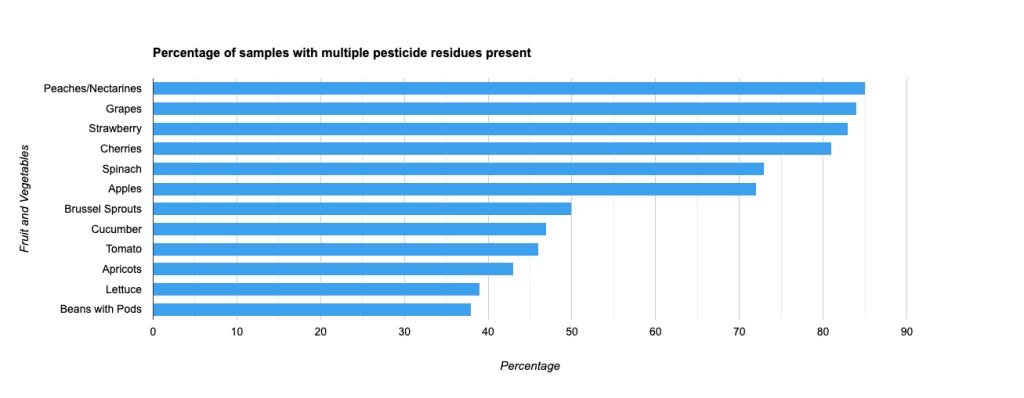
Findings from the testing programme conducted by the UK government indicate a significant rise in the percentage of wine with multiple pesticide residues, surging from 14% in 2016 to 50% in 2022.

The analysis of 72 wine samples in PAN UK’s report reveals residues of 19 pesticides, nine of which are linked to cancer. A single wine sample was discovered to contain six different pesticides.

Nick Mole, PAN UK’s policy officer, mentioned:

“This massive rise in ‘pesticide cocktails’ should be of grave concern because we know that chemicals can become more harmful when combined, and yet we continue to set safety limits for just one chemical at a time. Wine lovers shouldn’t have to risk exposure to an array of hazardous pesticides when they fancy a tipple. The organic wine sector is flourishing, proving that it is 100% possible to produce wine without relying on toxic chemicals.”

The excessive use of pesticides in the production of wine not only poses a threat to the health of consumers, but also endangers the wellbeing of individuals living and working in wine-producing regions.

In a study conducted in France in October, it was found that children living near vineyards had a higher likelihood of contracting leukemia. Additionally, a Canadian research revealed that individuals employed in the wine industry were at a higher risk of developing illnesses, attributed to their exposure to elevated levels of pesticides.

A French study published in the Environmental Research journal suggested that agricultural practices and pesticides used in vineyards could have been linked to the occurrence of Parkinson’s disease.

Pesticides in Food

According to PAN UK’s findings, there seems to be a rising trend in the occurrence of pesticide combinations in the food consumed by Britons. The total percentage of fruit and vegetables with residues from multiple pesticides has consistently stayed below 48%, but this year it unexpectedly spiked to an astonishing 53%.

Mole added:

“This year’s results show that, just like our rivers, much of our food is increasingly contaminated with pesticide cocktails. We have no idea what his ongoing exposure to tens – or even hundreds – of different chemicals is doing to our health over the long term.”

In a report by PAN UK and the Soil Association, it is highlighted that despite the prevalence of pesticide cocktails and the evidence pointing to their potentially greater harm compared to individual pesticides, the UK’s regulatory system continues to assess the safety of each chemical independently. Safety evaluations for pesticide residues in our food are conducted based on the analysis of individual chemicals.

Today, PAN UK launched its yearly ‘Dirty Dozen‘ list, identifying the fruit and vegetables with the highest likelihood of being contaminated by multiple pesticides.

Source: data presented based on PAN UK analysis of the UK Government’s Expert Committee on Pesticide Residues in Food (PRiF) four quarterly data spreadsheets for 2022.

PAN UK’s analysis revealed that among 134 different pesticide residues found in all produce, 50% fall under the category of ‘highly hazardous pesticides.’ Furthermore, 45 of these are carcinogens, 25 act as endocrine disruptors, impacting hormone systems and leading to birth defects, developmental disorders, and infertility.

Additionally, 14 are considered developmental or reproductive toxins, affecting sexual function, fertility, and potentially causing miscarriages, while 10 are cholinesterase inhibitors capable of impairing the respiratory system.

“Rates of chronic diseases such as cancer and Parkinson’s are rising”, added Mole. 

“We urgently need to take a precautionary approach and do everything we can to tackle pesticides in our food chain. But the UK government’s key strategy on pesticides is almost six years late now, and their proposal to introduce pesticide reduction targets never happened.

“Our new environment secretary, Steve Barclay, must do better than his recent predecessors and finally make good on the government’s promise to better protect human health and the environment from pesticides.”

The Department for Environment, Food and Rural Affairs (Defra) spokesperson said: 

“In Great Britain, we set strict limits on the pesticides residue levels that are allowed to remain in both food for consumers and feed for animals. These limits are set to protect public health and are set below the level considered to be safe for people to eat. The limits apply to both food produced in the UK and those imported from other countries.”

In 2018, the UK government committed in its 25 Year Environment Plan to decrease pesticide usage and reassess the UK National Action Plan for the Sustainable Use of Pesticides (NAP) by the year’s end. However, the publication of the NAP is still pending.

“In line with Defra’s 25 Year Environment Plan, the forthcoming National Action Plan on the Sustainable Use of Pesticides (NAP) will se out our ambition to support pesticide users to maximize non-chemical control approaches. The NAP will be published in due course,” added a Defra spokesperson.

Pesticides have to be approved by the Chemicals Regulation Directorate (CRD), and authorised by the Health and Safety Executive before they can be sold, distributed, stored or used in the UK.

The BR-319 Highway: Amazon’s Trojan Horse

Monica Piccinini

08 November 2023

The Amazon drought in Brazil is unleashing a wave of environmental, health, economic, and social disruptions in the region, becoming a controversial and convenient tool manipulated by a group of politicians and business leaders to promote an ambitious infrastructure project – the reconstruction of the BR-319 highway, a stretch of 885.9 km, connecting the capital Manaus in central Amazonia to the southern edge of the forest, Porto Velho.

Pink river dolphins and fish are dying, as the Madeira, Negro and Solimões rivers reach record low water levels. This dire situation in the state of Amazonas, marked by scorching heat waves, smoke, insufficient rainfall, and severe drought, is a direct consequence of climate change, the El Niño phenomenon, deforestation, and ecosystem degradation.

The drought in the Amazon is obstructing the delivery of raw materials to the region, given that transportation primarily relies on river routes. Certain areas are facing shortages of food, medicine, drinking water, and even energy, leading to rationing measures.

Grain exporters are experiencing disruptions in their planned shipments to northern Brazilian ports because of the Amazon River drought and its limited navigational capabilities. Consequently, they’re forced to reroute their shipments to terminals in the southern and southeastern areas.

Lobbying and Misleading Pretexts

Lobbying world cloud sphere concept – Photo 124523602 | Lobbying © Spettacolare | Dreamstime.com

A strong lobbying effort led by a coalition of nearly 200 politicians, with the backing of certain media outlets, is escalating. They are using the Amazon drought as a justification to push for the reconstruction of BR-319, a road connecting Manaus, the capital of the Amazon, to Porto Velho. This action disregards the multitude of studies and scientific evidence that highlight the potential social, economic, health and environmental consequences this project may impose on the region.

A coalition consisting of state and federal representatives, senators, and governors from the Amazonian regions created the ‘Parliamentary Front for the Revival of BR-319.’ This group, led by Deputy Fausto Santos Junior, is advocating for the revival of the BR-319 highway.

Pressure is mounting from various directions as business representatives from the states of Rondônia, Roraima, and Amazonas participated in a virtual meeting with Santos Junior on October 25th. During this meeting, they urged the federal government to initiate the reconstruction of the BR-319 highway.

Santos Junior explained the delay in the approval of the BR-319 highway project when questioned by Debate Politico,

“The real reason is an environmentalist militancy in an institutional form, I will translate this word, these are people who follow the interests of international NGOs that are interested in harming Brazil’s development, that is the truth… These NGOs are financed with foreign capital… This is a form of commercial warfare that is carried out through these NGOs. This is already being investigated in the Senate through the CPI (parliamentary commission of inquiry) of NGOs, which is chaired by Senator Plínio Valério.”

Is the scrutiny of NGOs in Brazil being utilised as a strategy to reduce their influence on environmental protocols, possibly paving the way for large-scale projects in the Amazon without adhering to essential assessments, as well as reshaping partnerships away from Western partners to alternative stakeholders?

Deputy Fausto Santos Junior did not respond to my request for an interview.

Luiz Gastaldi Junior, owner of Nova Era supermarket chain and partner at Floresta Logistica, a logistics company, also expressed his concerns,

“In reality, it is a denial of citizenship, to all these people who are living and taking care of the Amazon, because in reality the integration of the Amazon, it is part of the national project to defend the Amazon, so the moment you deny access, you are also denying that there can be normal activity here.”

Gastaldi Junior is presently under investigation in Manaus for suspected involvement in the unlawful transportation of mining products, including gold.

Adelio Barofaldi, president of the Board of Directors of Pan Amazonia, president of the Association of Rural Landowners of Rondônia (ARPRO) and CEO of Rovema Group, expressed his full support for the BR-319 highway project. Barofaldi owns the largest network of car and truck dealers in the state and invests in energy and livestock.

Jonathan Benchimol, a prominent entrepreneur and managing partner at Fogás, a gas distribution company, is actively advocating for the restoration of the BR-319 highway,

“I’d like to remind people that during the oxygen crisis that occurred here in the city of Manaus and in the state of Amazonas during the Covid-19 scenario, the number of fatalities would have been much lower if BR-319 had been paved, oxygen could have flowed from Rondônia and other states of the federation through BR-319.”

In 2020, during the height of the pandemic, Manaus was recognized as one of the global Covid-19 epicenters, where the Gamma variant originated and accounted for two-thirds of Covid-19 deaths in Brazil. In 2021, during the second wave of the pandemic, oxygen supplies were allowed to run out with catastrophic consequences.

Politicians and business leaders are exploiting the catastrophic pandemic oxygen crisis in the Amazon as a pretext to push for the BR-319 highway project.

Studies carried out by renowned scientists Lucas Ferrante and Philip Fearnside, revealed that the devastating oxygen crisis in Manaus during the second wave of Covid-19, was the result of the Bolsonaro’s administration’s lack of logistical strategy. They chose to distribute oxygen in the region based on an impassable BR-319 highway, instead of using the most appropriate and safest transportation method, the Madeira River.

This tragic incident, resulting in hundreds of avoidable deaths, continues to be exploited for political purposes, advocating for infrastructure projects in the region, such as the BR-319 highway project.

The lobbying groups supporting the BR-319 highway project seem to be primarily interested in capitalising on the economic potential of the Amazon, with little concern on environmental, health and social issues.

Opponents Face Abuse and Intimidation

Marina Silva, Brazil minister of environment and climate change, has been the subject of numerous assaults and harassment from a group of legislators who endorse the BR-319 highway project. They have labeled her as guilty, an enemy, and accused her of practicing cross-eyed politics.

“The people of the North are not second-rate people. We want respect, investments and infrastructure. Marina Silva is an enemy of BR-319,” said federal deputy Captain Alberto Neto on Instagram on September 27. Neto is a supporter of former president Jair Bolsonaro. He called Silva “the enemy of the North.”

Source: Capitao Alberto Neto’s Instagram

In September, senator Omar Aziz declared, “if any Amazonian goes hungry, it’s Marina Silva’s fault”, as Silva is against the reconstruction of BR-319 highway without a solid basis in technical assessments. She is deeply concerned about the potential social and environmental consequences of this project.

Scientists who voice their concerns regarding the social and environmental implications of the BR-319 project also face intimidation, verbal attacks and even death threats.

The Intercept Brasil conducted an interview with Ferrante at a point when he could share his distressing experience. During this time, he had become the focal point of persecution, intimidation, and death threats due to his revelation, through his research, of the erosion of the Bolsonaro government’s environmental policies. He also predicted and warned the government about the second wave of Covid-19 in Manaus.

In September 2021, Fearnside became the victim of a xenophobic assault during a public hearing regarding the approval of the BR-319 highway project in Amazonas. This incident occurred after Fearnside had voiced criticism of the BR-319 highway project’s execution.

Fearnside responded to the verbal attack,

“At the time I was giving this speech, I also received attacks from other people who were in the audience. It’s important not to be intimidated by this, and it’s also good to remember the Constitution that prohibits any type of discrimination, based on national origin. The most important thing is not the episode itself, but the subject of BR-319.”

Health, Social & Environmental Impact

Lucas Ferrante, an environmental scientist, and Philip Fearnside, a biologist at Brazil’s National Institute of Amazonian Research (INPA) and, who, together with other scientists in the Intergovernmental Panel on Climate Change (IPCC), shared the Nobel Peace Prize in 2007, have jointly published multiple scientific studies that reveal the negative impacts of the BR-319 highway project on the Amazon rainforest.

“The reconstruction of BR-319 highway would provide agribusiness access to additional land, engage in more intensive livestock farming, and implement monoculture practices for large-scale biofuel production. Scientific studies published in both Land Use Policy and Nature suggest that this project could serve as an incentive for the expansion of cattle ranching, fossil fuel exploration and mining projects,” noted Ferrante.

Given the absence of governance in the vicinity of the BR-319 highway and the consistent pattern of deforestation along most Amazonian roads, the choice to reconstruct the BR-319 highway will bring catastrophic consequences. This decision will not only impact indigenous and riverside communities, it will also escalate deforestation rates, potentially leading to the collapse of the rainforest and the country’s rain cycle, as pointed out by a study published in Die Erde.

“Brazil must reassess infrastructure projects that increase deforestation in the region, and this includes examining the BR-319 highway project, which currently has 6,000 km of illicit extensions, a length six times greater than that of the BR-319 highway,” mentioned Ferrante.

The highway’s reconstruction is missing an essential economic feasibility study, as mandated by Law 5917/1973, and it has failed to undergo the necessary consultations with indigenous communities, as required by the International Labour Organisation (ILO) Convention 169 and Brazilian law 10,088/2019.

Fearnside revealed,

“Since 2015, the “maintenance” initiative for segments of the BR-319 highway has notably improved its trafficability. This initiative serves as a means to bypass the regulatory licensing process.

“Furthermore, the delay in the highway’s complete reconstruction can be attributed not only to its questionable economic viability, but also to the absence of an IBAMA (Brazilian Institute of Environment and Renewable Natural Resources) license. Had a license been secured, it is likely that politicians would have allocated funds for the reconstruction, despite being aware of its economic impracticality.”

The BR-319 highway is not the only project we should be concerned about, explained Fearnside,

“Generally, there is a tendency to avoid any discussion of controversial infrastructure projects that are linked to the one that has a pending license. In this case, virtually all discussion is limited to the roadside of the BR-319 itself, ignoring the far-reaching effects of the side roads that a planned to link to this highway.  

Most important is the planned AM-366 highway, which would allow deforesters to enter the vast area of the rainforest in the “Trans-Purus” region to the west of BR-319. Those evaluating the license application for the BR-319 highway project need to understand that approval would surely lead to subsequent building of the AM-366 highway, with enormous impacts for Brazil.

AM-366, classified as a state road, offers a relatively simpler licensing process. Plans in the area around this road include the oil and gas drilling blocks granted to the Russian oil company Rosneft in the planned “Solimões Sedimentary Area” project. AM-366 would also give access to a large area of “undesignated public land”, which is the most attractive for land grabbers, squatters, loggers and others. This situation could result in extensive deforestation, posing a catastrophic threat not only to Brazil but also to the global environment.”

A study conducted by Ferrante and Fearnside reveals the Amazon rainforest as a potential origin of the next pandemic. The study highlights how deforestation creates opportunities for disease agents to transition from the vast reservoir of various types of coronaviruses and other pathogens in the region into the human population. The Amazon’s precarious healthcare system further complicates the identification and containment of a new pandemic that might emerge from this area.

“Deforestation in the Amazon rainforest and other tropical regions increases the risk of emergence of new human diseases by increasing contact between rainforest wildlife (such as bats) and the human population and its domestic animals. It also contributes to climate change, which can create conditions favoring the emergence of parasitic, fungal, viral and bacterial infections,” explained Fearnside.

Politicians in the state of Amazonas are avid to have the BR-319 highway project approved, as its value in attracting votes is, as Ferrante and Fearnside’s publications show, the real motivation for the project. There are also backers of the project who stand to make substantial profits from the road. Meanwhile, traditional communities and the Amazon rainforest are left in a struggle for survival, gasping for breath, as they endure the adverse consequences.