The Amazon-China Connection

Monica Piccinini

1 May 2024

Over the past few decades, Chinese investment in Brazil’s Amazon region has significantly grown and broadened, particularly in sectors like agriculture, mining, infrastructure, and energy. However, this influx has sparked concerns about its environmental and social consequences. As debates intensify, the delicate balance between economic development and ecological preservation remains uncertain.

This year marked the 50th anniversary of Sino-Brazilian diplomatic relations, yet their initial connection traces back to 1881 with the establishment of the first diplomatic mission.

Brazil’s relationship with China intensified with the formation of BRICS in 2009, an intergovernmental organisation consisting of Brazil, China, Russia, India, and South Africa. Additionally, Egypt, Ethiopia, Iran, and the United Arab Emirates have also become part of the group.

A profitable partnership

China stands as Brazil’s largest trading partner. In 2023, bilateral trade between the two nations totalled US$ 157 billion, with Brazil’s exports to China reaching US$104 billion.

A study published by the Brazil-China Business Council (CEBC) in 2023 highlighted the considerable export potential of Brazil’s northern region to China, with projections exceeding US$11 billion.

Just like many other collaborations Brazil has established with other nations, its partnership with China seems to stand out as one of the most profitable. This is primarily due to China’s extensive population and its crucial push for expansion and industrial progress to satisfy the significant needs of its people.

While Chinese projects and investments in Brazil appear beneficial for both parties, concerns arise regarding their alignment with sustainable development standards, particularly in the Amazon region.

There’s apprehension that these initiatives could contribute to widespread deforestation, degradation, and climate change, undermining the region’s role as a carbon sink. Such degradation heightens the risk of zoonotic diseases emerging and spreading, posing a substantial public health threat to both Brazil and the global community.

João Cumarú, researcher at Plataforma CIPÓ (an independent non-profit research institute) and master’s student in Chinese politics and diplomacy at SIRPA (复旦大学, Fudan University, China), explained:

There are notable examples and commendable practices within Chinese territory. However, it’s essential to conduct a thorough analysis to determine whether these practices will be replicated in territories beyond China’s borders.

Livestock

In 2023, China imported 2.2 million tons of meat from Brazil, totalling over US$ 8.2 billion.

According to the Brazilian Institute of Geographics and Statistics (IBGE), the number of cattle slaughtered in the country reached 29.8 million in 2022, marking a 7.5% rise from the previous year. In 2023, beef production surged to 8.91 tons in 2023, reflecting an 11.2% increase compared to 2022.

João Gonçalves, senior director for Brazil at Mighty Earth said: 

Through our satellite monitoring we are still finding rampant destruction driven by the meat and soy industries in Brazil. Brazilian beef giant JBS is sourcing from suppliers who are destroying nature with impunity. Our latest research identified a total of 105 deforestation cases linked to JBS, covering over 185,000 hectares of deforestation in the Amazon and the Cerrado.

JBS’ plans to ramp up beef exports to China will mean more cattle and more land grabs, with all the negative impact that brings for forests and the Indigenous communities and wildlife that depend on them.

JBS has big expansion plans, including listing on the New York Stock Exchange. Access to more funds will lead to more nature destruction. We’re urging the US Securities and Exchange Commission to block JBS’ proposed listing on the NYSE over its continued, outsized impact on climate change and Brazil’s precious biomes.”

In March, Carlos Fávaro, the Minister of Agriculture, Livestock, and Food Supply (MAPA), announced that an extra 38 Brazilian meat processing facilities had been approved to export meat and meat products to China:

This is a significant moment for both sides. China will receive high-quality meats at competitive prices, ensuring agricultural products for its population, while Brazil gains the certainty of job creation, opportunities, and the growth of the Brazilian economy. It’s a historic day in the Brazil-China trade relationship, a historic day for our agriculture.

In 2023, JBS was part of a delegation sent by Brazil’s President, Luiz Inácio Lula da Silva, to China, aiming to negotiate a new export agreement between the two nations.

Lula doesn’t appear hesitant to conceal his unwavering support for JBS and the growth of cattle farming in the country, irrespective of the environmental consequences, such as deforestation, greenhouse gas emissions, and the violation of traditional and indigenous communities’ rights.

Cattle farming contributes to around 80% of deforestation in the Amazon region. The primary states for cattle production in the Brazilian Amazon are Mato Grosso, Pará, and Rondônia.

The process of forests being converted into pasturelands results in elevated temperatures, altered precipitation patterns, and the escalation of extreme weather events. These conditions disrupt climate regulation and the water cycle essential for crop production in Brazil, resulting in considerable losses.

Dr Peter Alexander, senior lecturer in global food systems and security at The University of Endinburgh, mentioned:

We must consume less meat, reduce food waste, establish a more efficient and equitable system, and address pressing human health concerns such as malnutrition and obesity. How can we tackle these challenges within a system that currently fails to promote such outcomes? Moreover, how do we transform this system to prioritise these objectives? These questions linger, as these issues are often considered politically risky and potentially detrimental to electoral success.

Soya

China’s voracious appetite for agricultural commodities extends to soya, as it remains the world’s leading importer, with Brazil standing as the largest producer globally.

In the 2022/2023 crop season, Brazil achieved yet another milestone, setting a record by harvesting around 154.6 million tonnes of soya, reflecting a remarkable 23% increase compared to the previous year’s production of 125.5 million tonnes. In 2023, China soya imports from Brazil reached 69.95 million tonnes, a 29% increase from the previous year.

Brazil has implemented a soya moratorium agreement, where participating companies pledge not to buy soya from farms where soya cultivation has led to deforestation of land in the Amazon biome after July 22, 2008. This initiative aims to eradicate deforestation from the soy production process.

Despite numerous pledges from China National Cereals, Oil and Foodstuffs Co (Cofco) to combat deforestation and improve its supply chains, an inquiry by Repórter Brasil revealed that in 2021, the company sourced soya from deforested regions in Mato Grosso state, situated within both the Cerrado and Amazon regions, through indirect suppliers.

Chinese companies have substantially expanded their footprint in Brazil via mergers and acquisitions. For instance, Hunan Dakang of the Shanghai Pengxin group holds a 57% stake in Fiagril, a Brazilian company specializing in supplying agricultural inputs such as soy, corn, fertilisers, and offering technical support to farmers.

When asked about the trade volume between Brazil and China and Brazil’s dependency resulting from it, Cumarú explained:

Presently, China might view Brazil as a significant market and a commodities exporter. However, historical trends suggest they won’t rely solely on one supplier to fulfil their requirements. There’s a trend towards diversifying energy sources and advancing technologies for land development and restoration within China. The Brazilian government should closely monitor this trend.

Furthermore, our focus shouldn’t be solely on investment expectations; we must also enhance and integrate gains from these investments. A crucial aspect where we’ve fallen short is technology transfer, which could potentially decrease Brazil’s dependence on China.

As soya production expands, the development of logistical corridors becomes necessary to facilitate the flow of grains to ports, thereby reducing freight costs. This has prompted numerous investments in infrastructure, including road and railway projects.

Infrastructure

Chinese investments in Amazonian infrastructure primarily focus on the construction of dams, roads, ports, and railway systems. These initiatives aim to improve transportation routes and lower the costs associated with exporting commodities to China.

The China Communications Construction Company (CCCC) holds an 80% stake in the Brazilian construction firm, Concremat, and engages in numerous projects across the Amazon region.

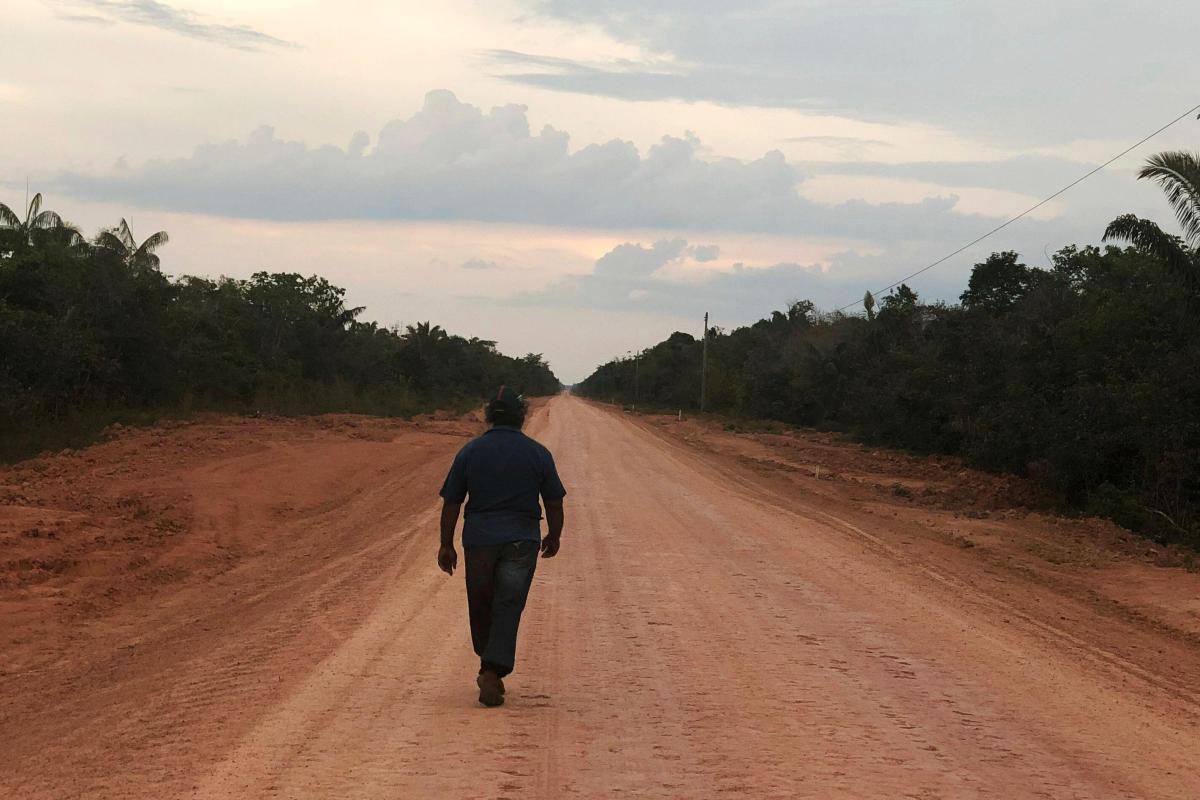
The logos of both CCCC and Concremat are featured on Brazil’s National Department of Transport Infrastructure (DNIT) website in connection with the paving of the BR-319 highway in the Amazon. This highway stretches 885.9 km, linking the central Amazonian capital, Manaus, to Porto Velho, situated at the forest’s southern edge.

The paving of BR-319 highway has the potential to trigger widespread deforestation, environmental degradation, biodiversity decline, displacement of indigenous communities, increased spread of infectious diseases, surge in illegal mining and logging, and escalation of organised crime.

Last year, Pará’s governor, Helder Barbalho, signed an agreement in Beijing, China, in the presence of the deputy president of China Communications Construction Company (CCCC), paving the way for the construction of Ferrovia do Pará. This railway will connect Marabá with the port of Vila do Conde in Barcarena.

Another significant project is Ferrogrão (EF-170), a 933 km greenfield railway venture designed to connect Sinop, in Mato Grosso state, to Itaituba, in Pará state. This railway passes through environmentally protected areas and indigenous territories within the Amazon region.

In 2022, greenfield ventures predominantly characterised the entry of Chinese investments into Brazil, accounting for 59% of the total number of projects.

Ferrogrão has received support from major agribusiness players such as Cargill, Bunge, Louis Dreyfus, and Amaggi, motivated by their primary goal of exporting commodities to China and Europe at reduced expenses. However, this project raises concerns about increased deforestation, degradation, and environmental violations. It’s set to impact numerous indigenous communities, including the Kayapó, Mundukuri, and Panará peoples, who denounce the railway as the “rails of destruction.”

Precious minerals

The Brazilian Amazon is a focal point for the extraction of raw materials as part of national and state economic development agendas. Consequently, the region is witnessing various socio-economic and environmental challenges.

Brazil is a powerhouse in the global mining industry, with significant production and export capabilities in both raw and processed minerals. This includes vital resources such as iron, gold, copper ore, and bauxite—the primary source material for alumina and aluminium.

Bacarena, located in the Pará state, serves as crucial hub for these activities. The region is home to substantial bauxite deposits, concentrated mainly in three key districts: Trombetas, Almeirim, and Paragominas-Tiracambú. This positions Brazil as one of the world’s largest holders of bauxite potential.

In a webinar organised by CEBC in February, Ricardo Biscassi, head of external affairs for Brazilian mining company Vale and CEBC director, disclosed:

The total iron ore exports from Brazil in 2023 to all countries were 380 million tonnes. Of this total, 64%, that is, 242 million tonnes, were sent to China, showing the relevance that China has in the iron ore market, and obviously in the steel market…of these 242 million tons that were exported to China, 76% came from Vale.

In February, a Chinese delegation consisting of representatives from Zhuhai Sino-Lac Chain Co., Guangdon Nonfengbao, and Hohai University, visited the state of Pará, declaring their intent to invest in various sectors within the region, including collaborating on a biofertilizer project with the Federal Rural University of Amazonia (Ufra).

One of the key attractions for Chinese investors in the state of Pará is the municipality of Bacarena, which falls within Brazil’s Export Processing Zone (EPZ). This zone provides a variety of incentives, such as tax exemptions, making it highly attractive to foreign investors.

Approximately 60% of what is produced in Pará, the second largest state in the Amazon region, is exported to China. In 2023, the mineral sector comprised 84% of Pará’s foreign sales. Iron accounts to 80% of these exports, serving as an indispensable material for China’s civil construction market.

There’s a lingering question that remains unresolved. While it’s understood that the Chinese government has implemented green credit policies for companies operating internationally, such as guidelines for overseas mining ventures, there’s uncertainty regarding the level of compliance with these policies. It seems that there isn’t a significant commitment from the Chinese side. Considering China’s substantial investment and trade volumes, this undeniably raises concerns,” declared Cumarú.

In April, Brazil’s Foreign Trade Chamber (Camex) decided to increase the import tax on 11 steel products by up to 25%, aiming to reduce steel imports from China. This action was taken in response to the substantial influx of Chinese steel flooding the Brazilian market at discounted rates.

Lithium represents yet another incredibly valuable resource. China has set its sights on a potential joint venture or acquisition of the Canadian mining company, Sigma, situated in the state of Minas Gerais. The objective is to enhance the battery production operations of Chinese firm BYD in Manaus, the capital of Amazonas. BYD has begun to build a car factory in in Camaçari, in the state of Bahia, an investment of approximately US$ 3 billion.

We must remain mindful of water scarcity as an additional global challenge. Projections indicate that by as soon as 2030, global demand for freshwater is anticipated to exceed the available supply by 40 to 50%, affecting both brown and green manufacturing sectors. There’s a possibility that Chinese manufacturing, currently concentrated in Asia, might shift towards countries abundant in water resources, such as Brazil, including the Amazon region.

Energy

China has made significant investments in Brazil’s energy sector. The State Grid Brazil Holding S.A., a Chinese state-owned energy company, holds control over 24 national power transmission companies in Brazil, including those operating in the Amazon region.

State Grid has announced plans to invest $3.6 billion to upgrade energy transmission lines in Brazil, along with an extra $38 billion in the Brazilian energy sector. They secured a bid to construct 1,500 km of lines across Maranhão, Tocantins, and Goiás states, which includes building substations. Additionally, the company is already managing the 2,500 km Belo Monte UHVDC transmission project.

In December 2023, State Grid secured the largest power transmission auction in Brazil, gaining rights to construct over 4,471 km of new transmission lines across the states of Goiás, Maranhão, Minas Gerais, São Paulo, and Tocantins.

Another Chinese state-owned enterprise, the Three Gorges Corporation, manages 12 hydroelectric power plants, three of which are situated in the Amazon region. These include Cachoeira Caldeirão in the state of Amapá, Santo Antonio do Jari on the border between the states of Pará and Amapá, and the São Manoel hydroelectric power plant situated on the Teles Pires River, bordering the states of Mato Grosso and Pará.

Numerous infrastructure development initiatives in the Amazon region have sparked controversy due to their potential to escalate deforestation, degradation, urbanisation, traffic, and conflicts in remote rainforest areas. These projects directly affect traditional and indigenous communities, alongside the environment.

The Belo Monte hydroelectric dam and reservoir, located along the Xingu River in the Amazon region of Pará, serve as an example of the detrimental impact that large-scale infrastructure projects can have on biodiverse areas, including the displacement of communities, increased deforestation, and degradation of the aquatic ecosystem of the Xingu River.

Intellectual property

The Amazon rainforest is emerging as a key market for bioproducts, drawing attention both nationally and internationally for its wealth of opportunities in promoting a bioeconomy.

By 2022, Brazil’s National Institute of Industrial Property (INPI) had identified 43,400 patents for innovations involving Amazonian flora filed globally. China led the count with 18,965 applications, followed by the USA with 3,778.

The patenting of products derived from Amazonian genetic resources without fair sharing of benefits with local communities and without respecting their rights raises significant concerns. Given the Amazon’s vast wealth of genetic material, this situation could potentially fuel the illicit trafficking of forest products (biopiracy).

High alert

There are numerous uncertainties regarding the socio-environmental consequences of some Chinese investments in the Amazon region and Brazil, as well as how the local population will gain from the extensive exploitation of natural resources and the development of infrastructure in environmentally delicate zones such as the Amazon.

The increased demand from China for commodities could lead to a rampant exploitation of Brazil’s and the Amazon’s natural resources and deepening the country’s dependence on China.

Cumarú spoke about the dynamics of Chinese foreign policy:

One of the principles guiding Chinese foreign policy is non-interference in the internal affairs of other nations. They adhere to the rules of engagement in the countries where they invest, effectively absolving themselves from issues they may be directly or indirectly involved in.

The call for a more proactive approach from the Chinese government can only gain traction if it originates from the Brazilian government, led by the president and the relevant ministries.

In April, China and Brazil entered into a bilateral agreement that includes collaboration in television between China Media Group’s Xinhua News Agency and Brasil Communications Company (EBC). In 2019, Grupo Bandeirantes in Brazil also signed an agreement with China Media Group, focusing on joint productions and sharing content.

The ministries of culture from Brazil and China gathered on April 25 to explore opportunities for cultural exchange between the two countries, covering cinema, publications, libraries, museums, heritage, and copyright.

There are increasing concerns about potential efforts to influence, regulate, and limit information dissemination in Brazil, as there are questions whether China might seek to promote its political, economic, and social ideologies. Such actions could potentially pose risks to both the environment, including the Amazon region, and the sovereign interests of the Brazilian population.

The future of the Amazon, Brazil, and global environmental sustainability is heavily influenced by the relationship between Brazil and China. With their considerable power, these two key players have the potential to address the ongoing environmental destruction and protect indigenous rights in the region. The world will be watching closely the developments of this partnership.

The BRICS Policy Center has not responded to a request for an interview.
Belém’s Environmental Challenges: A Glimpse into COP30 Host City

Monica Piccinini

28 March 2023

In the lead-up to hosting COP30 in 2025, Belém, the capital of Pará in northern Brazil, is confronted with a multitude of pressing issues, from insufficient sanitation and widespread crime to pollution and homelessness, prompting doubts about its preparedness to take the lead on the international platform.

Recent findings from the 2022 Demographic Census conducted by the Brazilian Institute of Geography and Statistics (IBGE), reveals that approximately 212,370 individuals, corresponding to 16% of the population in Belém, are presently living under inadequate sanitation.

Ivan Costa, the president of the Brazilian Social Observatory (OSB), a non-governmental organisation based in Belém, explained:

“Addressing the sanitation issue is not a quick fix, given its complexity. It demands meticulous planning, significant investment, and the establishment of regulatory and inspection mechanisms for sanitation, areas currently lacking in Belém.

“Regarding the sewage system, this is a crucial issue. In Belém, numerous canals were improperly filled without oversight, becoming sites for various waste materials that have polluted the entire area, resulting in adverse effects on both the environment and the health of residents.”

According to a study conducted by the Trata Brasil Institute, Belém ranks among the cities with the poorest levels of basic sanitation.

Several articles published by Revista Cenarium highlight issues impacting both Belém and its neighbourhoods. They include inadequate garbage collection services and the challenges surrounding the Marituba and Aurá landfills, which serve as disposal sites for waste generated from the metropolitan region.

Rodolfo Salm, PhD in environmental sciences and lecturer at the Federal University of Pará (UFPA) mentioned:

“Belém is a city that leaves a strong impression, primarily due to its staggering waste problem. The abundance of trash, particularly in flood-prone zones, is simply overwhelming. Trash can be found in every corner.

“The situation in both Belém and my hometown of Altamira is deeply disheartening and worrisome. There’s a significant influx of people arriving in the region with hopes of making quick riches through destructive ventures like mining, land grabbing, and logging.

“Although their initial intention is to amass wealth and depart, many end up staying. The region lacks adequate infrastructure to support the most vulnerable populations, leaving us ingrained in this cycle of degradation.”

Landfills

Created in 2015, the Marituba landfill receives approximately 500,000 tons of waste per year from Belém and surrounding municipalities. Originally schedule for closure in 2019 due to reaching its maximum capacity, an extension has been granted, allowing its operations to continue until February 2025.

Aurá is another landfill which commenced operations in 1990. Despite its deactivation, it continues to receive thousands of tons of waste from industrial and urban areas within the city of Belém.

Despite the unpleasant odour emanating from the landfill, numerous families who live nearby earn their livelihoods by collecting discarded waste and various items, such as plastic bottles and scrap metal. Some children in the vicinity frequently search for discarded food to supplement their daily meals.   

“There is no selective waste collection system established, no designated area for a new landfill installation, and a lack of public education on city cleanliness. We are currently facing a challenging situation,” explained Costa.

Belém has not complied with Brazil’s National Solid Waste Policy (PNRS) and Federal Law 12.305/2010, which mandates the closure of all landfills in the country by August 2, 2014.

Social, Health and Environmental Impact

The streets of Belém are scattered with rubble and uncollected waste, therefore creating conditions to the spread of diseases, posing significant risks to public health and potentially overwhelming healthcare services.

In Brazil, Belém is the capital city with the highest percentage of households experiencing uncollected garbage, impacting around 35,739 individuals according to IBGE data. Residents often resort to disposing of their waste through methods such as burning, littering in public spaces, vacant lots, or even burying it.

Findings from the survey conducted by the Federal University of Pará (UFPA) indicate that the concentration of hydrogen sulphide gas emitted by the Marituba landfill is 30 times higher in its vicinity. Exposure to this substance can result in symptoms such as coughing, shortness of breath, burning eyes and skin, fatigue, weight loss, insomnia, and overall inflammation.

According to the UFPA’s research, inhaling foul odours emanating from the Marituba landfill has been linked to respiratory and other illnesses among the population. The study also revealed residents’ discontent with the pollution of waterways, the depreciation of their properties, and deteriorating air quality attributed to the Marituba landfill.

The UFPA report further indicated that the existence of the Marituba landfill is a result of mismanagement of public resources and serves as a cautionary example to be avoided.

Another troubling problem impacting the streets of Belém is homelessness. According to data from the Papa João XXIII Foundation (Funpapa), it is estimated that between 2,500 to 3,000 individuals live on the streets of the city. Across the entire state of Pará, this figure reaches approximately 22,000.

Furthermore, data from a survey carried out by Vigisan, an application focused on monitoring food and nutritional safety in Brazil, indicates that around 53.4% of the population in the state of Pará experience moderate to severe levels of food insecurity.

Challenges such as crime, drug-related concerns and sanitation issues persistently affect some of Belém’s most iconic tourist spots, including the Ver-o-Peso market complex. Both visitors and local workers report these ongoing challenges, indicating a longstanding neglect of the site and an urgent demand for renovation.

The public transportation system in Belém is also in chaos, posing another substantial obstacle. Residents are highly critical of the Bus Rapid Transit (BRT) system expansion, which has been underway since 2012. BRT operates on a medium-capacity public transport model with vehicles traveling along dedicated lanes, including designated stations for rapid passenger boarding. However, the system fails to meet the demands of the population and remains incomplete.

Environmental and Indigenous Rights Concerns

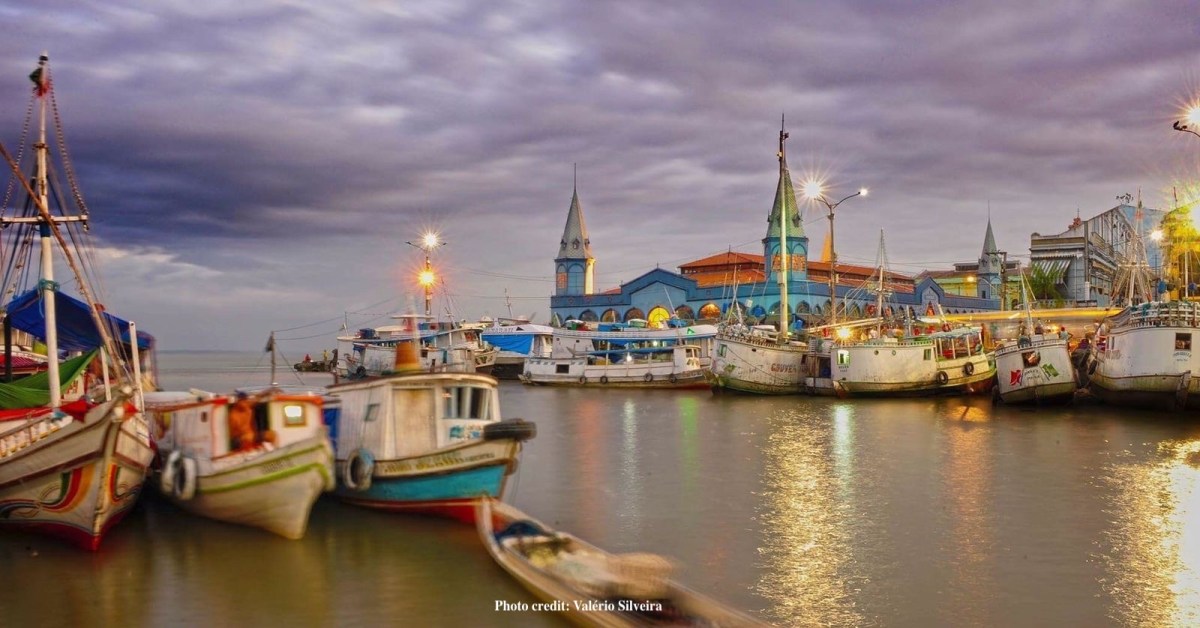
Belém – Photo credit: Valério Silveira

The host of COP30 ought to demonstrate global leadership in addressing environmental concerns, yet it appears that both the state of Pará and Brazil have significant progress to achieve in reaching these objectives.

Costa shared his insights on the debate concerning environmental preservation in the region:

“Currently, we observe a contradiction between advocating for the preservation of the “standing forest” to the international community, portraying ourselves as protectors of the forest, while there is a backdrop of violence against those genuinely working to safeguard it. Economic groups and even criminal entities exert influence, violently seizing public lands.”

On February 5, Revista Cenarium released an article exposing unsettling details regarding illicit mining operations occurring in the state of Pará. Drawing from data provided by government agencies, environmental organisations, and a civil case conducted by the Federal Public Ministry (MPF), it was revealed that over 2,000 miners have been active across 100 gold extraction sites, spread across 41 clandestine landing strips within the Paru State Forest (Flota do Paru).

Flota do Paru covers an area of approximately 3.6 million hectares. Created in 2006, this conservation reserve is under the jurisdiction of the Para government and administered by the Institute of Forestry Development and Biodiversity of the state of Para (IDEFLOR-Bio).

IDEFLOR-Bio issued a license to the mining company Mineração Carará Ltda, permitting their operations within the Flota do Paru conservation area. This decision has sparked concerns regarding their genuine dedication to environmental preservation, thereby setting a negative precedent for Brazil and the global community.

According to a Greenpeace study, in 2023, mining activities caused destruction to 1,410 hectares within the indigenous territories (TIs) of the Kayapó (Pará), Munduruku (Pará), and Yanomami communities, the equivalent of opening four football fields each day.

Illegal mining isn’t the only concern impacting the state of Pará. According to a report by Mighty Earth, Pará stands as the second-largest state in the Amazon region for deforestation and degradation alerts in farms with a soy cultivation history, accounting for 23% of Brazil’s total soy area in 2023.

The extraction of palm oil intended for biofuel production in Pará presents yet another significant issue. Global Witness investigation uncovered allegations against Agropalma and Brasil Biofuels (BBF), two prominent Brazilian palm oil companies, for their alleged involvement in conflicts with local communities in Pará.

Palm plantations in the state of Pará occupy an area once covered by rainforest, totalling approximately 226,834 hectares, nearly equivalent to the size of Luxembourg.

Investments

The residents of Belém are looking forward to COP30, anticipating that it will bring about investments and improvements to address the various social, health, and environmental issues they encounter in the region.

Costa discussed his viewpoint regarding the allocation of investments, project completion, and increased involvement of civil society in the region:

“There is a traditional economic elite prepared to benefit from an event of this magnitude, COP30. At the same time, we see the rise of highly committed leaders who can make a difference at this moment, including groups from the periphery, young people, and traditional communities.

“Furthermore, we’ve begun to receive numerous resources, but it’s imperative to understand how they will be utilised to avoid a situation like the “cemeteries” left in the aftermath of the World Cup, where unfinished projects left a detrimental legacy.”

Recently, the city of Belém signed a contract valued at around US$ 140 million with Ciclus Amazônia, a solid waste management firm, to tackle the challenging waste situation in the city. This agreement covers waste collection, treatment, and recycling efforts. Ciclus Amazônia secured the contract through a competitive bidding process to establish a 30-year Public-Private Partnership (PPP).

Since mid-2023, in anticipation of COP30, the federal government has announced several investment initiatives for Belém. A portion of these funds, approximately US$ 1 billion, will be provided by the National Bank for Economic and Social Development (BNDES).

Despite significant investment announcements for the region, there remains a level of scepticism regarding the planned projects, their capacity to adhere to deadlines, and ultimately, their completion. This includes initiatives such as the restructuring of major canals crossing the city, and the expansion of the BRT system.

There are doubts regarding whether there will be sufficient time to successfully complete and deliver all scheduled projects before COP30 begins, given that most of these projects have yet to be initiated.

Costa offered his last reflections on the implications of COP30 for Belém and the region:

“What will be the lasting impact of COP30 on the city of Belém and its surrounding region, particularly for the most vulnerable communities? These are the communities in greatest need of meaningful change and improvements that will enhance their quality of life and benefit the environment.

“We aim not to repeat the experience of “Rio 92”, but rather to establish a positive legacy for both the region and the world, something we can genuinely take pride in.”

Below are some of the statements issued by the spokesperson representing the cabinet office of Helder Barbalho, the governor of Pará:

“The government of Pará is carrying out several macro-drainages works to prevent floods and flooding, both in the COP polygon and in peripheral areas. Between completed and ongoing works, we have around 10 neighbourhoods and one million people benefiting. The projects include canals and roads in the capital with asphalt paving, rainwater drainage, sewage, landscaping, sports courts, squares, playgrounds, and an outdoor gym. Regarding the disposal of waste, this is a matter for the city of Belém, which the state government has been monitoring.”

“The Institute for Forestry and Biodiversity Development (Ideflor-Bio) informs that the company has authorization from the National Mining Agency (ANM) to carry out the activity. The legislation and the Paru State Forest Management Plan (Flota) allow experimental gold mining activities. Therefore, there is no legal impediment for the company Mineração Carará Ltda to request the necessary environmental license for the project, since the legislation allows mineral developments in Conservation Units (UCs) for Sustainable Use, as in the case of Flota Paru. However, there is no environmental license for experimental gold mining granted in Flota do Paru.”

“Regarding illegal mining and landing strips, the government of Pará informs that it works in an integrated manner with the public ministry, civil, military, federal and army police, to dismantle illegal mining in state UCs. In 2023, Semas (State Secretariat for Environment and Sustainability) teams closed 42 illegal mining sites in Pará.”

“It is the commitment of the federal and state governments that the capital of Pará hosts the conference and has adequate infrastructure and logistics to host the largest climate discussion event in the world.”

Pantanal Blaze: Nature’s Silent Scream

Monica Piccinini

28 November 2023

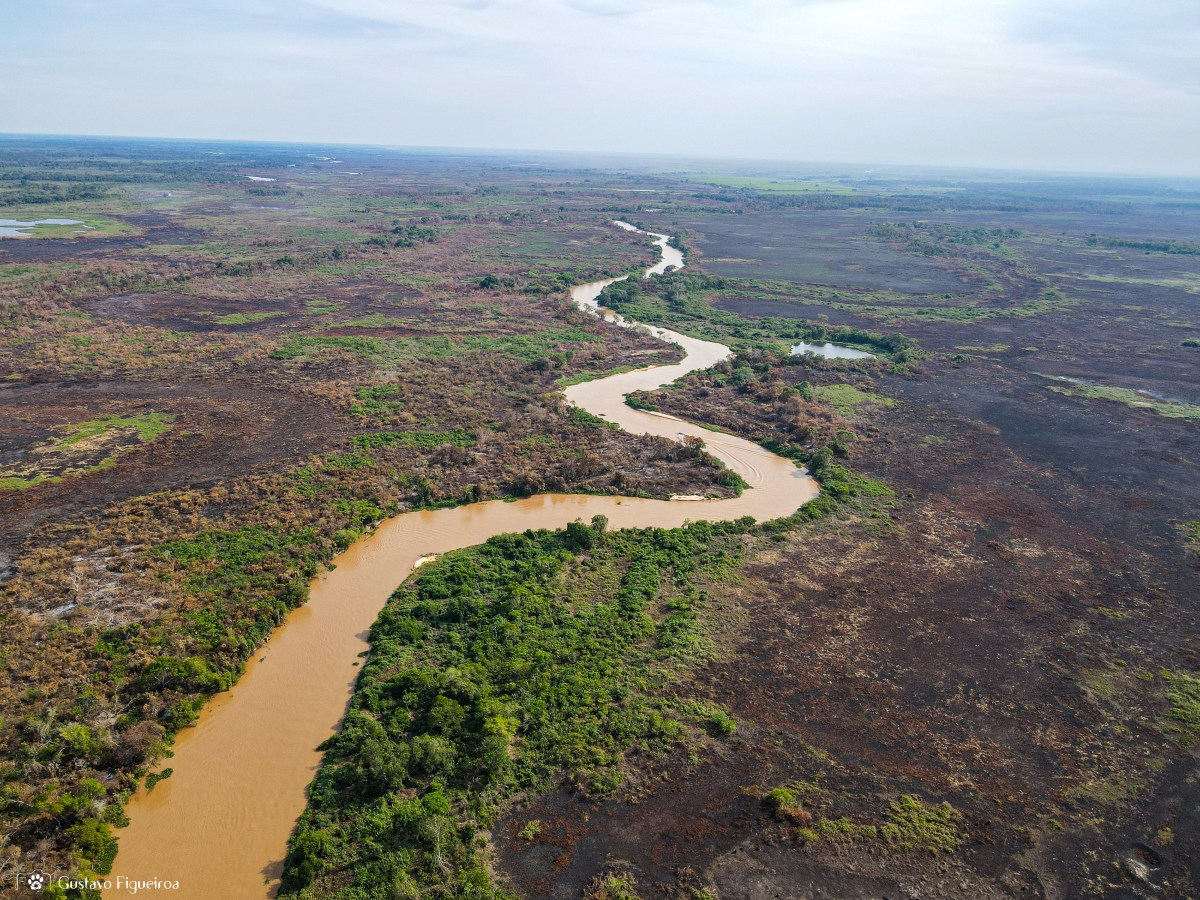
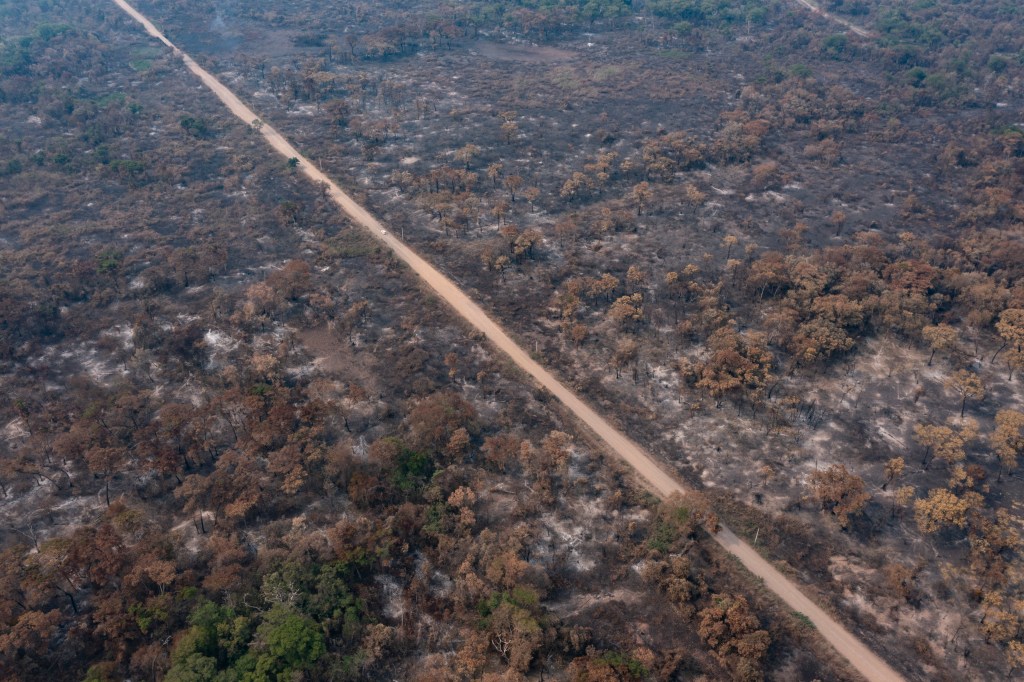
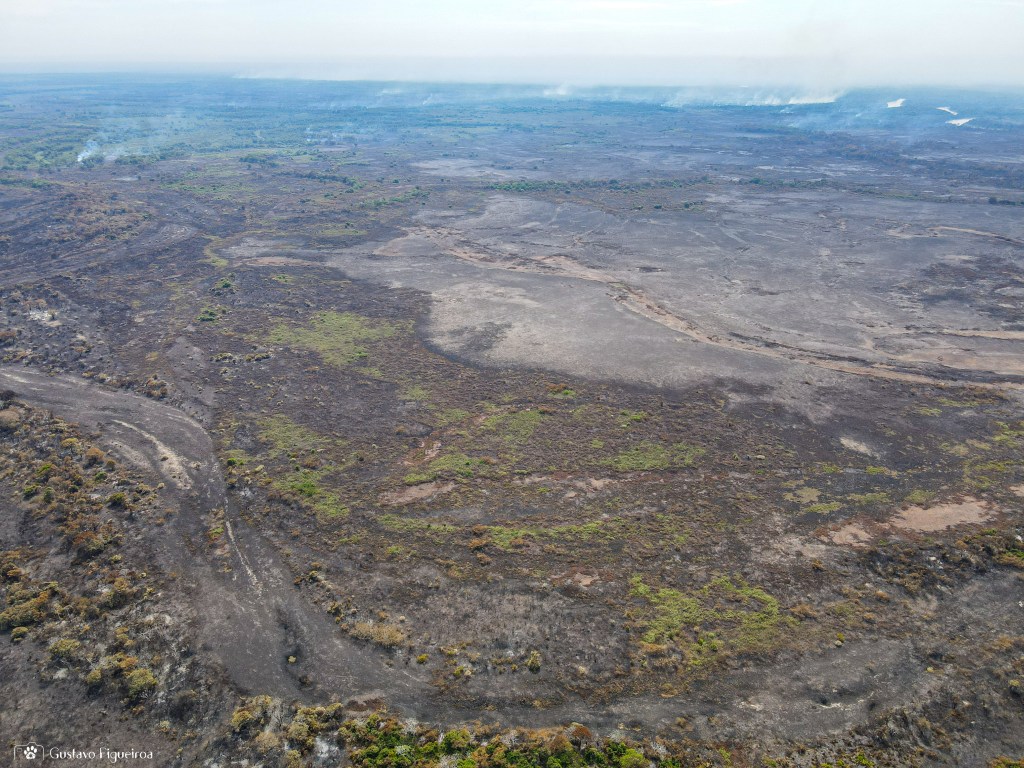
Throughout this month, rampant fires engulfed the Pantanal in Brazil, one of the world’s largest tropical wetlands and home to endangered species and indigenous communities.

According to Brazil’s National Institute for Space Research (Inpe) and the Alarmes System by LASA and the Federal University of Rio de Janeiro (UFRJ), 1,272.050 hectares have already suffered devastation from fires this year, a figure three times higher than the recorded incidents in 2022.

SOS Pantanal executive director, Leonardo Gomes, described the situation:

“The theme of fire persists in the Pantanal. Since 2019, a combination of droughts and the repercussions of climate change have led to a significant number of hot spots emerging right in the middle of November, a month that typically experiences rainfall.”

Stretching across Brazil, Paraguay and Bolivia, the Pantanal covers an estimated 16 million hectares in total. Within Brazil, the Pantanal occupies portions of the states of Mato Grosso (35%) and Mato Grosso do Sul (65%).

The Pantanal is home to a diverse range of wildlife, featuring more than 2,000 plant species, 174 mammals, 580 birds, 271 fish, 131 reptiles, and 57 amphibians. Among its inhabitants are numerous vulnerable and endangered species, including the giant otter, giant anteater, giant armadillo, lowland tapir, and the world’s largest parrot, the hyacinth macaw. Additionally, the Pantanal hosts the highest density of jaguars globally.

Luciana Leite, biologist and climate campaigner, mentioned that the Pantanal is an important carbon sink, playing a fundamental role in regulating the climate of South America. Leite explained:

“This year, we confronted an atypical drought with rising temperatures and heat waves, and as a result, the fires returned. The shortage of firefighters, aircraft, machinery and expertise, posed challenges in addressing the fires, ranging from crown fires in forested areas of the biome, to peat fires that can persist and reignite without adequate post-event management and monitoring.”

In the summers of 2019 and 2020, the Pantanal experienced a shortage of rainfall, as indicated by climatologist José Marengo’s study. This was attributed to a decrease in the transport of warm and humid summer air from Amazonia to the Pantanal. Instead, there was a dominance of warmer and drier air masses from subtropical latitudes, leading to a scarcity of summer rainfall during the peak of the monsoon season. Consequently, the region endured prolonged periods of severe drought conditions.

Marengo described the 2019-2020 Pantanal fires:

“Fires caused on one hand by warmer air and lack of rain in the Pantanal, and on the other by the burning of areas to clear the vegetation for cattle to graze, resulted in environmental disaster.”

Steve Trent, Environmental Justice Foundation (EJF) founder and CEO, mentioned:

“While so much of the wildlife and ecosystems in the Pantanal have been irrevocably destroyed, there is still time to rescue what remains. We’ve been campaigning for the EU to widen the scope of the regulation on deforestation-free products to include precious ecosystems beyond forests, to protect wetlands like the Pantanal.

“Already, land clearance in the Pantanal is accelerating, with 83% of a category known as “Other Natural Ecosystems” disappearing in 2020 to 2021 compared to the year before. Stronger regulations from the EU and Brazil are crucial to preserve what is left of the Pantanal.”

Total Devastation

Photo: Gustavo Figueroa – SOS Pantanal

“How much of the biome do we need to lose for the world to see what is happening? In 2020, almost 30% of the Pantanal biome burned. Scenes of jaguars with their paws raw went viral, as did the mockery and denialism of then-president Jair Bolsonaro,” mentioned Leite.

“Organised civil society was essential in fighting the fires, rescuing the victimised fauna, establishing watering and feeding points for animals that survived the flames and faced the so-called ‘silent hunger’, crossing decimated landscapes,” she added.

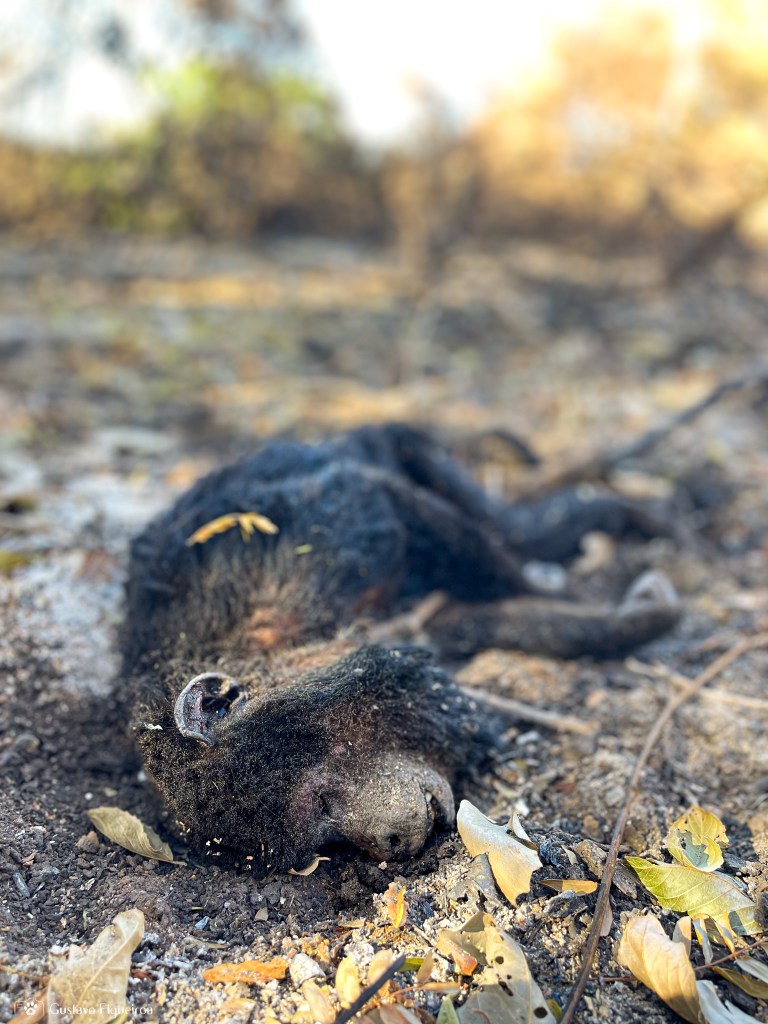
In 2020, fires claimed the lives of over 17 million vertebrates and released 115.6 million tonnes of CO2, exceeding the carbon emissions of Belgium for that year.

“One of the contributing factors to the rapid spread of the fire is the loss of surface water. Since 1985, the Pantanal has lost 74% of its surface water,” said Leite.

Rodrigo Agostinho, the president of the Brazilian Institute for the Environment and Renewable Natural Resources (Ibama), told me about one of the issues affecting the region:

“The Pantanal faces a set of challenges, with its lands experiencing increasing dryness. The installation of more than 500 small hydroelectric power plants (PCHs) in the Upper Paraguay river basin, a crucial water source for the region, has altered the natural rhythm of the waters, complicating the filling of the floodplain.”

“In the Pantanal, specific remote areas undergo rapid transitions from flooding to quick drying, in a time frame of approximately two months, leading to fires that make access to these locations impossible. The challenging conditions in these hard-to-reach regions further complicate effective management,” mentioned Gomes about his experience.

Some meteorologists attribute the surge in fires to the El Niño phenomenon, intensified by climate change. However, cattle farmers seeking to expand grazing land, a crucial economic activity in the Pantanal, may have initiated a substantial number of these fires.

According to a report by the Environmental Justice Foundation, EJF, a total area of 751,249.6 hectares of forest, savanna, grassland and wetland formations in the Pantanal were converted into pasture between 2010 and 2021. The estimated total cattle population in the Brazilian Pantanal stands at 3.8 million animals.

Between 2019 and 2022, an area equivalent to the size of Barcelona was deforested in the Pantanal. Unfortunately, this situation appears to be worsening, exacerbated by El Niño, climate change and the expansion of agribusiness.

Approximately 12% of the Pantanal’s native vegetation has vanished due to the growth of cattle farming and agricultural practices.

Agostinho mentioned:

“Although the Pantanal remains the most conserved biome in Brazil, deforestation rates have risen. The reduced humidity has led landowners to shift their investments towards agriculture.

“Land in the Pantanal is being sold at lower prices compared to those in other parts of Mato Grosso do Sul and Mato Grosso. In more humid areas, landowners are directing investments towards drainage efforts to convert land into cultivated areas,” he added.

Trent asks for international cooperation:

“The beef we eat, from the UK to Italy, could be supplied by ranchers responsible for setting these destructive fires. This means the international community has a responsibility – but also an ability – to stop the Pantanal burning. It’s time for more regulation, including on mandatory human rights and environmental due diligence, and enhancing and meeting international climate commitments.”

The local and indigenous communities are also suffering, as their land has been completely destroyed by the fires. At least 90% of the Guató indigenous land, located in the western state of Mato Grosso do Sul, was burned by the 2020 fires.

This year, the fires reached the backyards of inns in the region and very close to riverside communities.

Dead monkey – Photo: Gustavo Figueroa – SOS Pantanal

“In April, we carried out extensive planning to prevent and combat fires in the Pantanal, significantly increasing the number of firefighters. The combination of El Niño and escalating climate warming formed an explosive mix. Without our proactive preparations, the magnitude of the disaster would have been far more significant,” mentioned Agostinho.

Political Strife

“The Pantanal, with less than 5% of its area under protection, stands out as one of the biomes requiring urgent Conservation Units (UCs). During a conciliation hearing in March, a mandate was issued for the State Environmental Education Police (PEEA) to develop a management plan within 90 days.

“The Mato Grosso government’s failure to enact a plan containing directives for fire prevention and control constitutes a non-compliance with a court order,” explained Leite.

The majority of the Pantanal remains without protection, designated as private lands, and lacks targeted policies to tackle deforestation associated with cattle farming and soy production. In 2015, a decree was enacted in the state of Mato Grosso do Sul, legalising cattle ranching within Permanent Protected Areas (PPAs).

In August 2022, a comparable bill was sanctioned by the state of Mato Grosso, endorsing the utilisation of Permanent Protected Areas (PPAs) and Legal Reserves (LRs) for cattle farming in the Pantanal biome.

“We are also witnessing a serious political issue centered on a jurisdictional dispute. The firefighters in Mato Grosso formally communicated with the federal government, expressing that their efforts were unwelcome. Consequently, 40% of Encontro das Aguas State Park ended up in flames and destroyed,” mentioned Leite.

Gomes highlighted his concerns:

“There is an immediate need for more robust planning and increased collaboration between the federal and state governments. The coordination and cooperation among agencies, including Ibama, the Chico Mendes Institute for Biodiversity Conservation (ICMBio), and the Fire Department, must be further strengthened.

“Additionally, there is a necessity for improvements in field inspections, expertise to identify the root cause of fires, and the implementation of comprehensive management policies.

“Another point of frustration is the failure of Conservation Units (UCs) to set a positive example. Some state parks, despite having significant potential for finance revenue, lack the necessary investment. As a result, tackling fires within these parks becomes a nearly impossible task,” added Gomes.

A notable and disconcerting viewpoint articulated and defended by many local figures revolves around the idea that some local authorities deliberately procrastinate in controlling forest fires.

The hypothesis suggests that such delays serve a tactical purpose, enabling authorities to declare a state of emergency. This strategic move allows them to allocate resources without being constrained by the usual bureaucratic and bidding processes required during ‘normal times.’ This phenomenon is known as ‘the industry of fire.’

Fire Prevention Initiative

Photo: Gustavo Figueroa – SOS Pantanal

Liana O. Anderson, biologist and researcher at the National Center for Monitoring and Early Warning of Natural Disasters (Cemaden), shared with me some information about a couple of interesting projects focused on fire prevention.

The first project is the Climate Science for Service Partnership (CSSP) Brazil, in collaboration with the MetOffice , which some of the results are available at the VIEWpoint website.  As one of this project’s components, they developed a likelihood of fires up to three months ahead, which indicates priority areas. It serves as a valuable information source for guiding planning efforts to proactively prevent fire disasters.

“This product helps and shows when conditions tend to worsen, triggering the necessary mobilisations,” mentioned Liana.

Another interesting project associated with fire prevention involves the launch of the educational book titled “É Fogo!”, designed for education practitioners and is adapted to schools, associations and organisations interested in developing activities related to fire risk and impacts understanding and prevention. Liana explained:

“The primary goal is to convert local institutions into miniature “Cemadens,” serving as small research units equipped with tailored scientific methodologies for the general public. These units are specifically geared towards children and young individuals, empowering them to generate data and information. Through this process, the aim is to create awareness, self-protection skills, and reflective capacities.

“I am confident that these preventive tools can gradually reverse the widespread fire scenarios in the country. These efforts are dedicated to educating and informing individuals and institutions while also generating scientific information to support informed decision-making,” added Liana.

Marengo, the general coordinator for research at Cemaden, shared his insights through the findings of his studies. He mentioned that the expansion of agriculture, cattle farming, fishing and tourism should follow sustainable practices to ensure the preservation of the Pantanal. If the current trajectory of climate and land-management practices continues, the Pantanal would be at risk of disappearing.

He suggested that embracing anti-environmental policies could exacerbate this situation. The profound impacts of climate change are mostly felt in fragile ecosystems and the world’s most impoverished communities. To avert catastrophic consequences, urgent global action is imperative in the coming decades, requiring drastic changes by 2050 in alignment with the goals outlined in the Paris Agreement.

Trent delivers a message to both Brazil and the global community:

“Collective action should have been taken years ago to protect this one-of-a-kind wetland, but it isn’t too late. Now is the moment for global leaders to step up and do what is needed to meet their climate commitments, ending the climate crisis before crucial ecosystems like the Pantanal disappear forever.”

The BR-319 Highway: Amazon’s Trojan Horse

Monica Piccinini

08 November 2023

The Amazon drought in Brazil is unleashing a wave of environmental, health, economic, and social disruptions in the region, becoming a controversial and convenient tool manipulated by a group of politicians and business leaders to promote an ambitious infrastructure project – the reconstruction of the BR-319 highway, a stretch of 885.9 km, connecting the capital Manaus in central Amazonia to the southern edge of the forest, Porto Velho.

Pink river dolphins and fish are dying, as the Madeira, Negro and Solimões rivers reach record low water levels. This dire situation in the state of Amazonas, marked by scorching heat waves, smoke, insufficient rainfall, and severe drought, is a direct consequence of climate change, the El Niño phenomenon, deforestation, and ecosystem degradation.

The drought in the Amazon is obstructing the delivery of raw materials to the region, given that transportation primarily relies on river routes. Certain areas are facing shortages of food, medicine, drinking water, and even energy, leading to rationing measures.

Grain exporters are experiencing disruptions in their planned shipments to northern Brazilian ports because of the Amazon River drought and its limited navigational capabilities. Consequently, they’re forced to reroute their shipments to terminals in the southern and southeastern areas.

Lobbying and Misleading Pretexts

Lobbying world cloud sphere concept – Photo 124523602 | Lobbying © Spettacolare | Dreamstime.com

A strong lobbying effort led by a coalition of nearly 200 politicians, with the backing of certain media outlets, is escalating. They are using the Amazon drought as a justification to push for the reconstruction of BR-319, a road connecting Manaus, the capital of the Amazon, to Porto Velho. This action disregards the multitude of studies and scientific evidence that highlight the potential social, economic, health and environmental consequences this project may impose on the region.

A coalition consisting of state and federal representatives, senators, and governors from the Amazonian regions created the ‘Parliamentary Front for the Revival of BR-319.’ This group, led by Deputy Fausto Santos Junior, is advocating for the revival of the BR-319 highway.

Pressure is mounting from various directions as business representatives from the states of Rondônia, Roraima, and Amazonas participated in a virtual meeting with Santos Junior on October 25th. During this meeting, they urged the federal government to initiate the reconstruction of the BR-319 highway.

Santos Junior explained the delay in the approval of the BR-319 highway project when questioned by Debate Politico,

“The real reason is an environmentalist militancy in an institutional form, I will translate this word, these are people who follow the interests of international NGOs that are interested in harming Brazil’s development, that is the truth… These NGOs are financed with foreign capital… This is a form of commercial warfare that is carried out through these NGOs. This is already being investigated in the Senate through the CPI (parliamentary commission of inquiry) of NGOs, which is chaired by Senator Plínio Valério.”

Is the scrutiny of NGOs in Brazil being utilised as a strategy to reduce their influence on environmental protocols, possibly paving the way for large-scale projects in the Amazon without adhering to essential assessments, as well as reshaping partnerships away from Western partners to alternative stakeholders?

Deputy Fausto Santos Junior did not respond to my request for an interview.

Luiz Gastaldi Junior, owner of Nova Era supermarket chain and partner at Floresta Logistica, a logistics company, also expressed his concerns,

“In reality, it is a denial of citizenship, to all these people who are living and taking care of the Amazon, because in reality the integration of the Amazon, it is part of the national project to defend the Amazon, so the moment you deny access, you are also denying that there can be normal activity here.”

Gastaldi Junior is presently under investigation in Manaus for suspected involvement in the unlawful transportation of mining products, including gold.

Adelio Barofaldi, president of the Board of Directors of Pan Amazonia, president of the Association of Rural Landowners of Rondônia (ARPRO) and CEO of Rovema Group, expressed his full support for the BR-319 highway project. Barofaldi owns the largest network of car and truck dealers in the state and invests in energy and livestock.

Jonathan Benchimol, a prominent entrepreneur and managing partner at Fogás, a gas distribution company, is actively advocating for the restoration of the BR-319 highway,

“I’d like to remind people that during the oxygen crisis that occurred here in the city of Manaus and in the state of Amazonas during the Covid-19 scenario, the number of fatalities would have been much lower if BR-319 had been paved, oxygen could have flowed from Rondônia and other states of the federation through BR-319.”

In 2020, during the height of the pandemic, Manaus was recognized as one of the global Covid-19 epicenters, where the Gamma variant originated and accounted for two-thirds of Covid-19 deaths in Brazil. In 2021, during the second wave of the pandemic, oxygen supplies were allowed to run out with catastrophic consequences.

Politicians and business leaders are exploiting the catastrophic pandemic oxygen crisis in the Amazon as a pretext to push for the BR-319 highway project.

Studies carried out by renowned scientists Lucas Ferrante and Philip Fearnside, revealed that the devastating oxygen crisis in Manaus during the second wave of Covid-19, was the result of the Bolsonaro’s administration’s lack of logistical strategy. They chose to distribute oxygen in the region based on an impassable BR-319 highway, instead of using the most appropriate and safest transportation method, the Madeira River.

This tragic incident, resulting in hundreds of avoidable deaths, continues to be exploited for political purposes, advocating for infrastructure projects in the region, such as the BR-319 highway project.

The lobbying groups supporting the BR-319 highway project seem to be primarily interested in capitalising on the economic potential of the Amazon, with little concern on environmental, health and social issues.

Opponents Face Abuse and Intimidation

Marina Silva, Brazil minister of environment and climate change, has been the subject of numerous assaults and harassment from a group of legislators who endorse the BR-319 highway project. They have labeled her as guilty, an enemy, and accused her of practicing cross-eyed politics.

“The people of the North are not second-rate people. We want respect, investments and infrastructure. Marina Silva is an enemy of BR-319,” said federal deputy Captain Alberto Neto on Instagram on September 27. Neto is a supporter of former president Jair Bolsonaro. He called Silva “the enemy of the North.”

Source: Capitao Alberto Neto’s Instagram

In September, senator Omar Aziz declared, “if any Amazonian goes hungry, it’s Marina Silva’s fault”, as Silva is against the reconstruction of BR-319 highway without a solid basis in technical assessments. She is deeply concerned about the potential social and environmental consequences of this project.

Scientists who voice their concerns regarding the social and environmental implications of the BR-319 project also face intimidation, verbal attacks and even death threats.

The Intercept Brasil conducted an interview with Ferrante at a point when he could share his distressing experience. During this time, he had become the focal point of persecution, intimidation, and death threats due to his revelation, through his research, of the erosion of the Bolsonaro government’s environmental policies. He also predicted and warned the government about the second wave of Covid-19 in Manaus.

In September 2021, Fearnside became the victim of a xenophobic assault during a public hearing regarding the approval of the BR-319 highway project in Amazonas. This incident occurred after Fearnside had voiced criticism of the BR-319 highway project’s execution.

Fearnside responded to the verbal attack,

“At the time I was giving this speech, I also received attacks from other people who were in the audience. It’s important not to be intimidated by this, and it’s also good to remember the Constitution that prohibits any type of discrimination, based on national origin. The most important thing is not the episode itself, but the subject of BR-319.”

Health, Social & Environmental Impact

Lucas Ferrante, an environmental scientist, and Philip Fearnside, a biologist at Brazil’s National Institute of Amazonian Research (INPA) and, who, together with other scientists in the Intergovernmental Panel on Climate Change (IPCC), shared the Nobel Peace Prize in 2007, have jointly published multiple scientific studies that reveal the negative impacts of the BR-319 highway project on the Amazon rainforest.

“The reconstruction of BR-319 highway would provide agribusiness access to additional land, engage in more intensive livestock farming, and implement monoculture practices for large-scale biofuel production. Scientific studies published in both Land Use Policy and Nature suggest that this project could serve as an incentive for the expansion of cattle ranching, fossil fuel exploration and mining projects,” noted Ferrante.

Given the absence of governance in the vicinity of the BR-319 highway and the consistent pattern of deforestation along most Amazonian roads, the choice to reconstruct the BR-319 highway will bring catastrophic consequences. This decision will not only impact indigenous and riverside communities, it will also escalate deforestation rates, potentially leading to the collapse of the rainforest and the country’s rain cycle, as pointed out by a study published in Die Erde.

“Brazil must reassess infrastructure projects that increase deforestation in the region, and this includes examining the BR-319 highway project, which currently has 6,000 km of illicit extensions, a length six times greater than that of the BR-319 highway,” mentioned Ferrante.

The highway’s reconstruction is missing an essential economic feasibility study, as mandated by Law 5917/1973, and it has failed to undergo the necessary consultations with indigenous communities, as required by the International Labour Organisation (ILO) Convention 169 and Brazilian law 10,088/2019.

Fearnside revealed,

“Since 2015, the “maintenance” initiative for segments of the BR-319 highway has notably improved its trafficability. This initiative serves as a means to bypass the regulatory licensing process.

“Furthermore, the delay in the highway’s complete reconstruction can be attributed not only to its questionable economic viability, but also to the absence of an IBAMA (Brazilian Institute of Environment and Renewable Natural Resources) license. Had a license been secured, it is likely that politicians would have allocated funds for the reconstruction, despite being aware of its economic impracticality.”

The BR-319 highway is not the only project we should be concerned about, explained Fearnside,

“Generally, there is a tendency to avoid any discussion of controversial infrastructure projects that are linked to the one that has a pending license. In this case, virtually all discussion is limited to the roadside of the BR-319 itself, ignoring the far-reaching effects of the side roads that a planned to link to this highway.  

Most important is the planned AM-366 highway, which would allow deforesters to enter the vast area of the rainforest in the “Trans-Purus” region to the west of BR-319. Those evaluating the license application for the BR-319 highway project need to understand that approval would surely lead to subsequent building of the AM-366 highway, with enormous impacts for Brazil.

AM-366, classified as a state road, offers a relatively simpler licensing process. Plans in the area around this road include the oil and gas drilling blocks granted to the Russian oil company Rosneft in the planned “Solimões Sedimentary Area” project. AM-366 would also give access to a large area of “undesignated public land”, which is the most attractive for land grabbers, squatters, loggers and others. This situation could result in extensive deforestation, posing a catastrophic threat not only to Brazil but also to the global environment.”

A study conducted by Ferrante and Fearnside reveals the Amazon rainforest as a potential origin of the next pandemic. The study highlights how deforestation creates opportunities for disease agents to transition from the vast reservoir of various types of coronaviruses and other pathogens in the region into the human population. The Amazon’s precarious healthcare system further complicates the identification and containment of a new pandemic that might emerge from this area.

“Deforestation in the Amazon rainforest and other tropical regions increases the risk of emergence of new human diseases by increasing contact between rainforest wildlife (such as bats) and the human population and its domestic animals. It also contributes to climate change, which can create conditions favoring the emergence of parasitic, fungal, viral and bacterial infections,” explained Fearnside.

Politicians in the state of Amazonas are avid to have the BR-319 highway project approved, as its value in attracting votes is, as Ferrante and Fearnside’s publications show, the real motivation for the project. There are also backers of the project who stand to make substantial profits from the road. Meanwhile, traditional communities and the Amazon rainforest are left in a struggle for survival, gasping for breath, as they endure the adverse consequences.